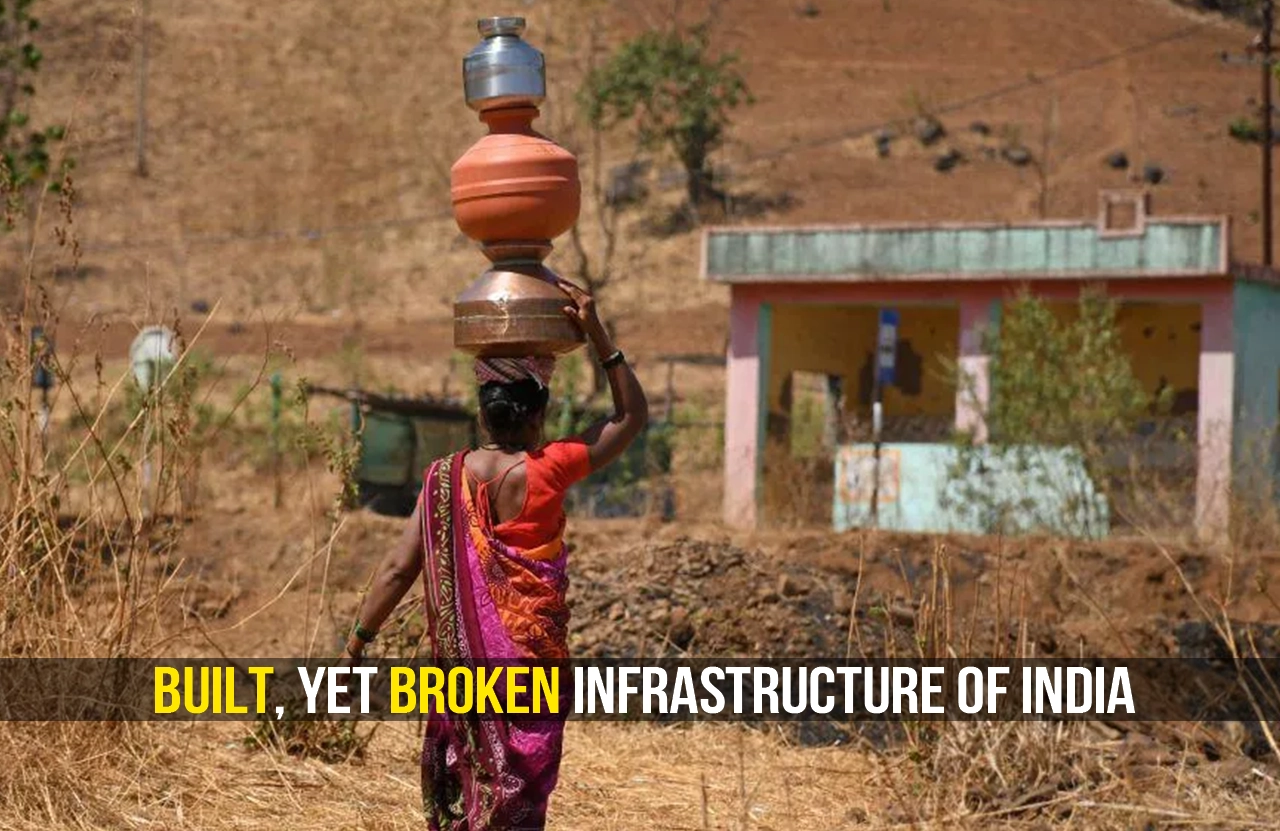
Effective social and physical infrastructure is fundamental for achieving rapid economic growth, advancing human development, and reducing poverty.India markedly lags behind its peers in other emerging economies;potentially a significant reason for the slow advancement in poverty eradication. Similarly, India’s physical infrastructure is inferior to that of other countries and there exists a more subtle and less noticeable reality: infrastructure that is available, yet broken; systems that are established, but poorly maintained; networks that expand outward, yet collapse inward.The challenge of inadequate infrastructure in India is not merely about absence ,it often revolves around inconsistency, fragmentation, and neglect.
Crisis of mobility
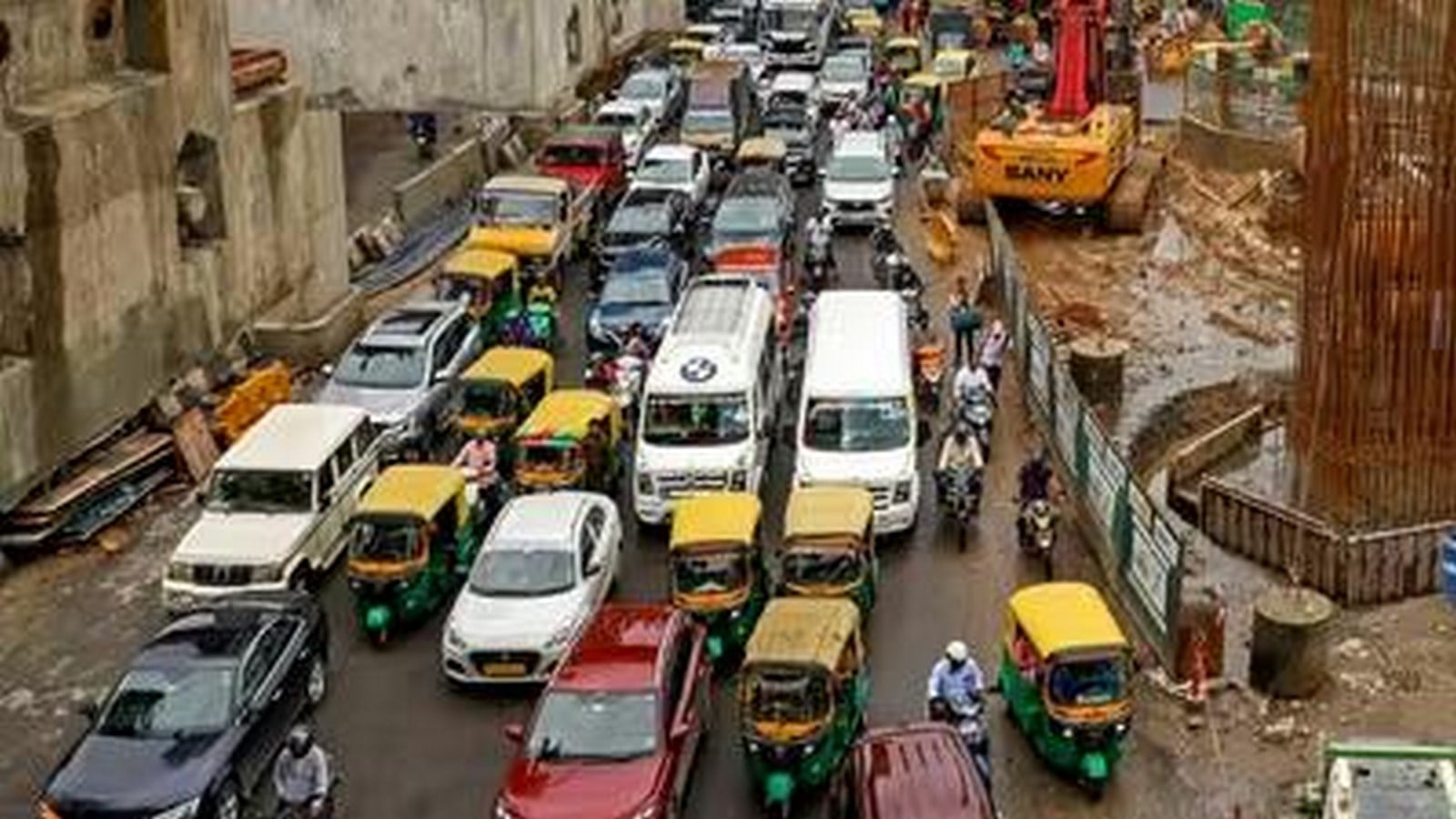
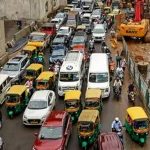
Physical infrastructure significantly boosts productivity and also aids in understanding the full potential of human capital, creating environments where this potential can be fully expressed. It also contributes, both directly and indirectly, to enhancing the quality and safety of life for individuals. Further Infrastructure encompasses various elements such as roads, railways, air transport, seaports, electric power, and telecommunications and information technology (IT), which serve as vital services and intermediate goods necessary for the productive activities in manufacturing, agriculture, and service industries.More, it plays a direct and indirect role in improving the quality and safety of people’s lives.There are various areas of excellence, such as world-class airports, contemporary metro systems,but these frequently coexist with failed working systems. A newly built flyover can reduce traffic at one junction, but can start congestion down on an unprepared road. Similarly a metro station offering efficiency, can create chaotic and inaccessible roads leading to it.
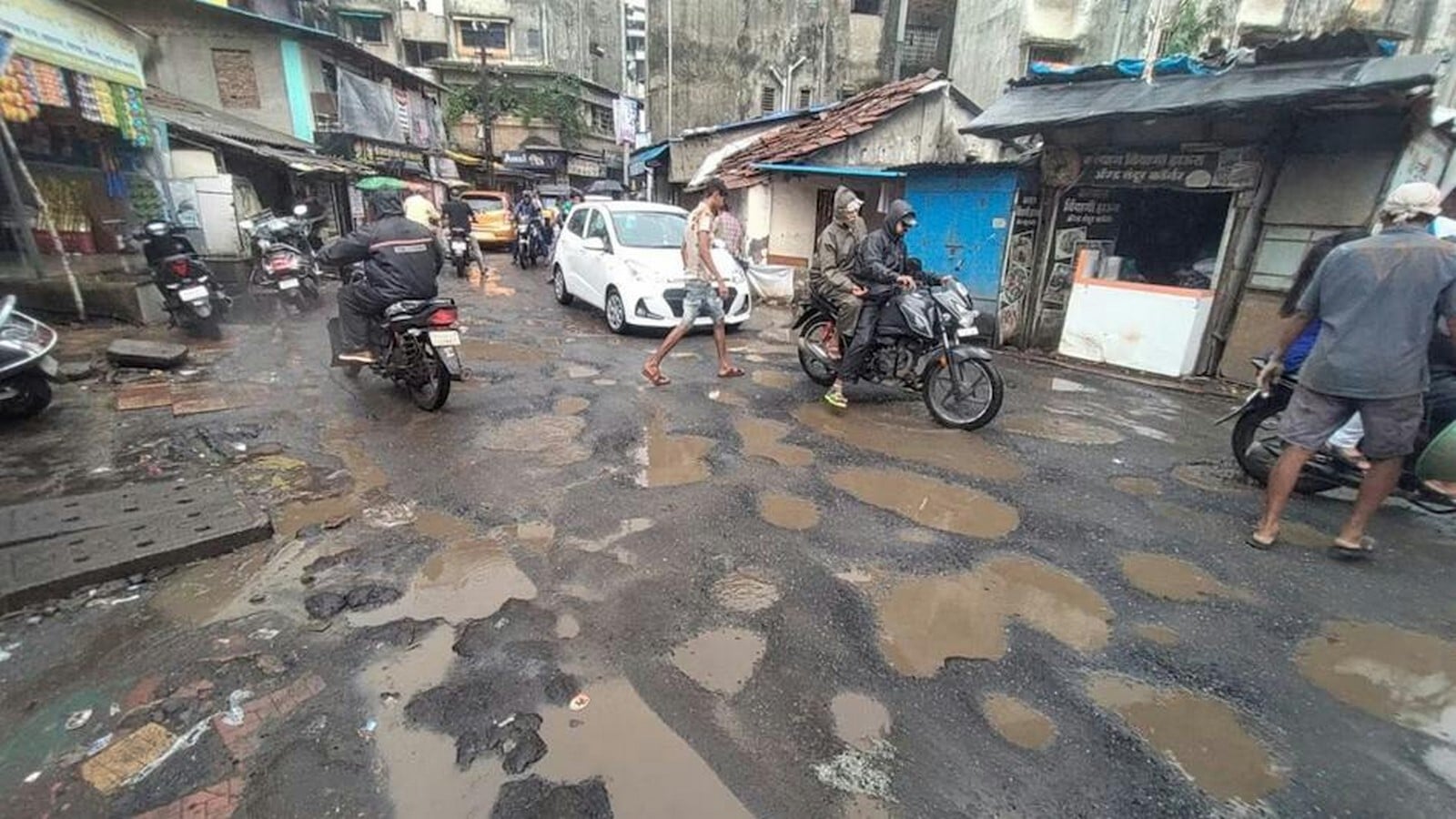
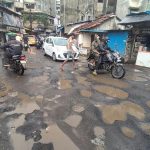
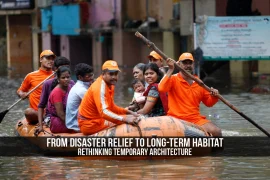
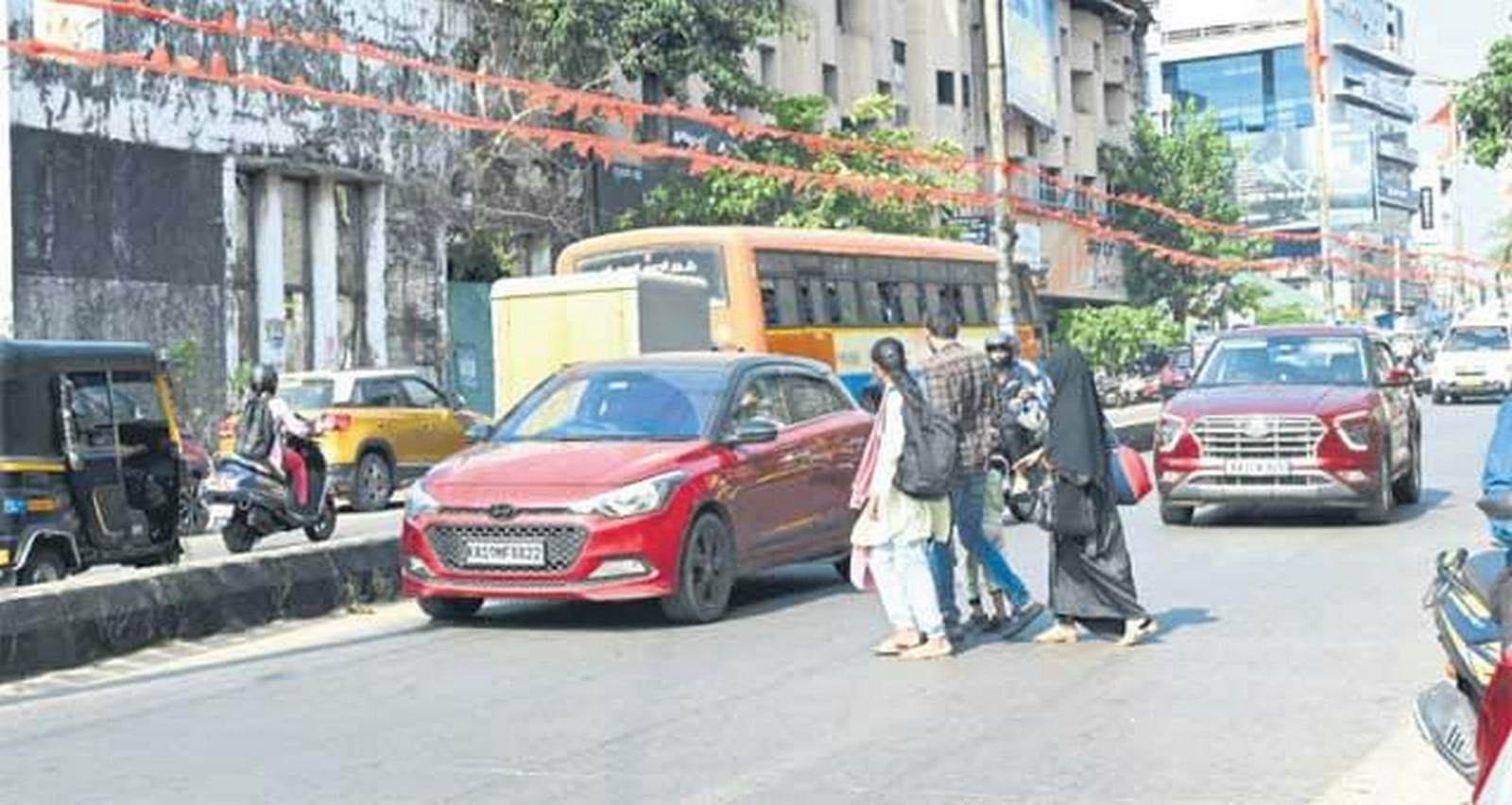
The ultimate auditor of Indian infrastructure is the monsoon.This seasonal collapse is the result of the grey infrastructure of concrete and asphalt shadowing the blue-green infrastructure of natural water bodies. Urban flooding provides a clear example of how poor infrastructure planning and maintenance disrupt daily life. In many Indian cities, even moderate rainfall can turn streets into temporary rivers and cause traffic standstill. This is solely due to the result of inadequate drainage systems, intrusion into natural water bodies and poor waste management. Drains are getting clogged with debris and plastic, wetlands are replaced by concrete blocks, the city loses its natural ability to absorb water. In urban planning, the notion of public realm denotes a collective space that is safe for all individuals. In India, the deficiency of human-centered design has a deep influence on social mobility. Each footpath or pavement are blocked by transformers and debris, the city weakens being hostile to the elderly, the specially abled, young children, literally to anyone.
Through a woman’s lens
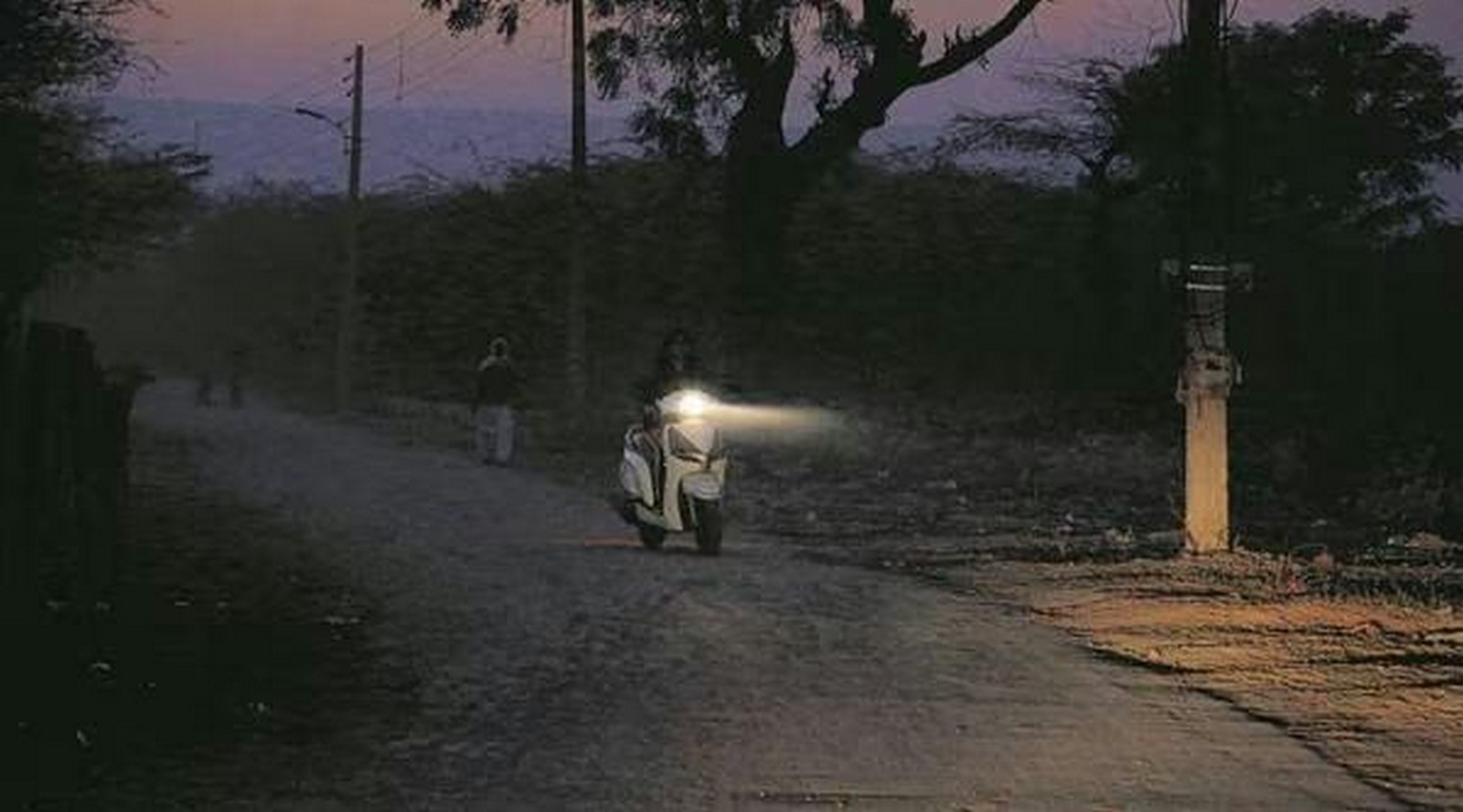
In the rapid narrative of India’s economic rise, the infrastructure is never gender-neutral. In the domain of urban design, light is not just a utility, it is a social permit.Parks and other public spaces without toilets, streets without footpaths, markets without seating and transit hubs without proper signage all discourage women,or people with special needs from moving with ease.Most of India’s urban infrastructure suffers from a chronic lack of consistent, high-quality street lights. Another failure is the lack of dignified sanitation; while many plans have made significant strides in toilet construction, the management and maintenance still remain dismal.When a woman has to think about the lack of consistent street lighting, the absence of clean public toilets and the frightening isolation of transport hubs, the safety cost of a commute is really high.For women, the lack of safe, clean and accessible toilets in public spaces is an important barrier to health. Women in India often move to the practice of not drinking water for hours to avoid the need for a toilet while away from their homes.This often leads to chronic dehydration and infections.
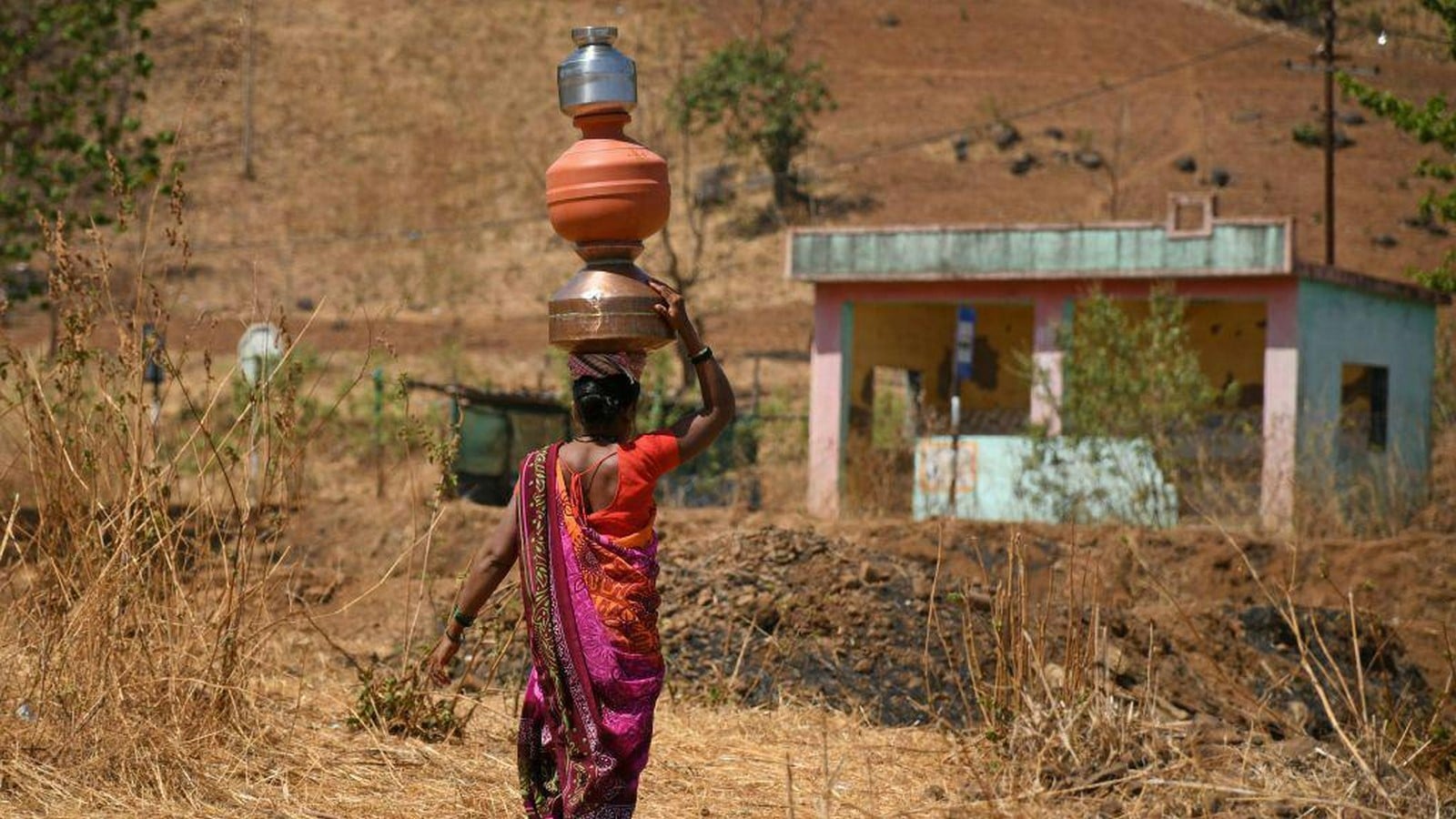
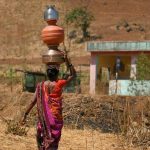
In rural areas, the failure of basic infrastructures-piped water or the internet falls as a burden for the women. A broken handpump frequently transcribes hours of unpaid labour as women trek miles to fetch water.In many households, a single smartphone is treated as a male asset. In this sense, the lack of community digital hubs or safe internet kiosks that women can access without surveillance are also included. A poor digital network may prevent women from attending online classes, applying for jobs or accessing welfare systems. Bad digital infrastructure is equally harmful like a broken road. The success of development is only celebrated in the language of new metros, expressways, airports and smart cities, not prioritizing women’s everyday needs. The shining new highway does little if people cannot walk safely to the bus stop.Safe and inclusive infrastructure is not a special favour for women; it should be the foundation of an equitable society.
Creating a resilient horizon
The phrase bad infrastructure in the context of India is not solely an engineering defect; it reflects a fiscal irony in which living costs and tax obligations do not correspond with the quality of public services. A significant solution to India’s infrastructure challenges is not merely about constructing more, but rather about constructing intelligently, maintaining effectively, and designing inclusively. To enhance the infrastructure of India, the nation must evolve from a tender-driven strategy to a human-centred approach. To achieve this
-Micro-Planning helps in emphasizing the minor details;the height of curbs, the arrangement of streetlights, and the uniformity of pavements.
-Withdrawing from the ribbon-cutting culture that only applauds new projects and the maintenance of those already in place.
–Inclusivity: Designing with consideration for women, children, and the elderly. If the infrastructure serves them, it serves all.
-Ecological Integration: Treating the natural environment as an integral part of the city’s infrastructure, rather than a barrier to be eliminated.
Moving forward requires a comprehensive approach where planning is no longer scattered among departments, but rather coordinated to ensure that roads, drainage, transport, and public services operate as an interconnected system. Ultimately, the focus of infrastructure must change from a sign of visible development to a reliable system ensuring that dignity, safety, and accessibility are inherent rights rather than privileges in daily life.
References:
Image 1:
https://www.hindustantimes.com/trending/bengaluru-man-voices-frustration-over-city-s-decay-we-re-just-watching-it-die-101751852655323.html
Image 2:
https://www.businesstoday.in/latest/trends/story/taxes-like-developed-nation-livelihood-like-1930s-post-on-indias-poor-civic-standards-sparks-debate-online-471416-2025-04-09
Image 3:
https://indianexpress.com/article/cities/delhi/streetlights-absent-why-women-in-nuh-villages-race-against-clock-every-evening-5534426/
Image 4:
https://www.bbc.co.uk/news/articles/c2e47zgz2v7o
Image 5:
https://daijiworld.com/index.php/news/newsDisplay?newsID=1277308