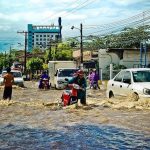
With rapid urbanisation and increasing global warming, cities today face an unavoidable problem. They flood during storms and run dry between them. Contemporary construction methods and the approach to make every path accessible have destroyed the relationship between natural water systems and the built environment. Natural contours are flattened. Even if they are retained, the non-permeable layer of concrete and asphalt has replaced permeable soil and wetlands. Thus, when storms or heavy rainfall occur, there is no place for water to run off. This causes urban flooding, which not only hinders transportation but also destroys the scarce remaining natural environment in parks and cultivation patches. Moreover, this excessive water can neither be stored nor recycled. Most urban planning systems have not included interventions for it.
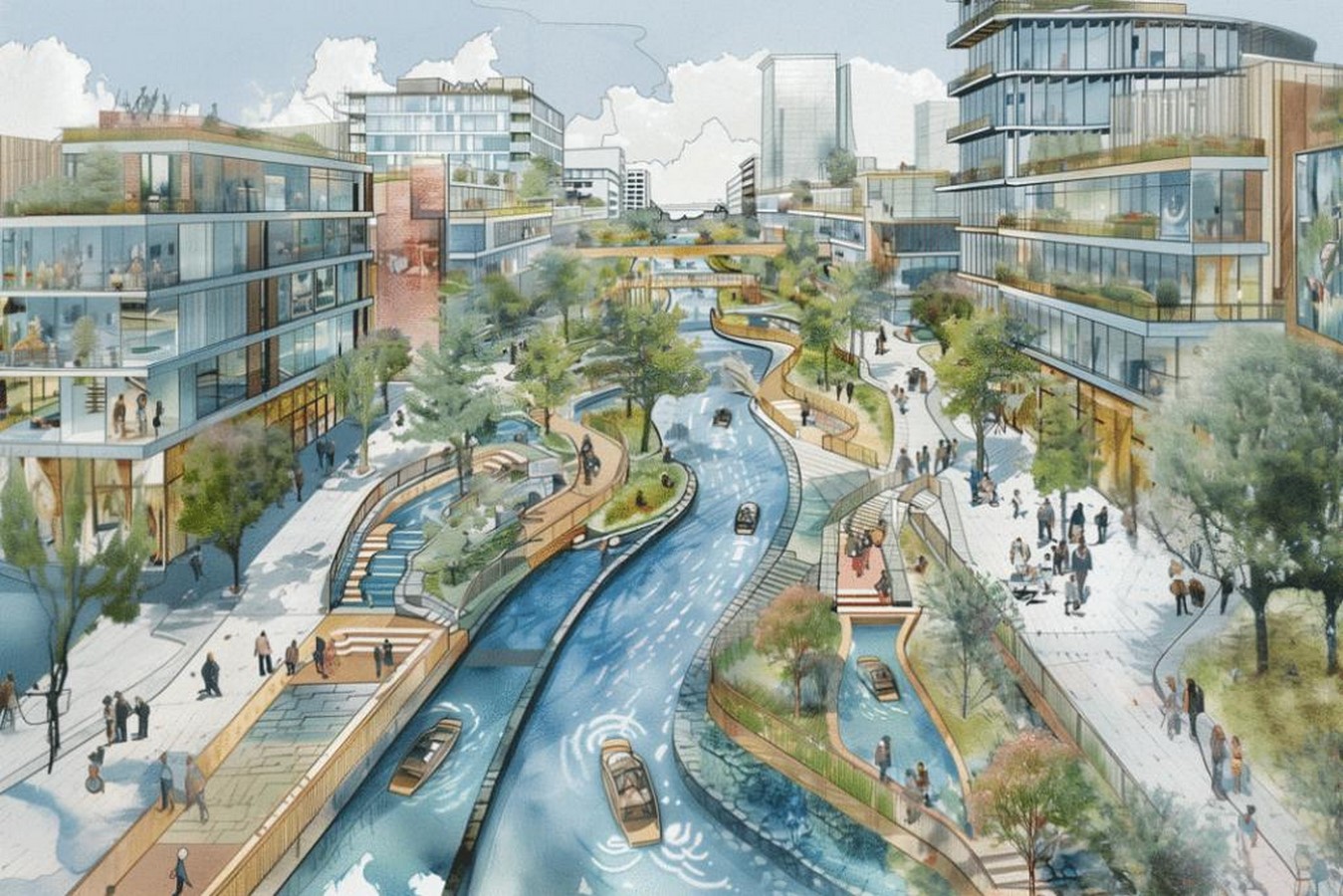
Climate pressures continue to mount every year, and water shifts between scarcity and destruction depending on the season. Architects and city planners are now actively seeking solutions to the urban flooding crises that stem from poor water management. In these conditions, water-sensitive architecture offers a compelling path forward. It centres on urban design that works with water rather than against it. However, it is not a completely foreign concept – its principles have guided built environments for thousands of years. When cities rose from stone, earth, and clay, their planners already knew how to integrate water-sensitive solutions into the fabric of the city.
The Urban Water Crises
By design, the contemporary city is hostile to water. Roads, pavements, and rooftops block water from infiltrating the ground naturally. This generates a surge of stormwater that overwhelms drainage systems and pollutes waterways. Thus, the city treats water as a problem rather than a resource to be managed. This stems from how most cities follow a linear model for conventional urban water management – collect, store, treat, and discharge – an approach that has proven inadequate in the face of climate change and rapid urbanisation (Ghaderian, Hakimian and Shahab, 2025).
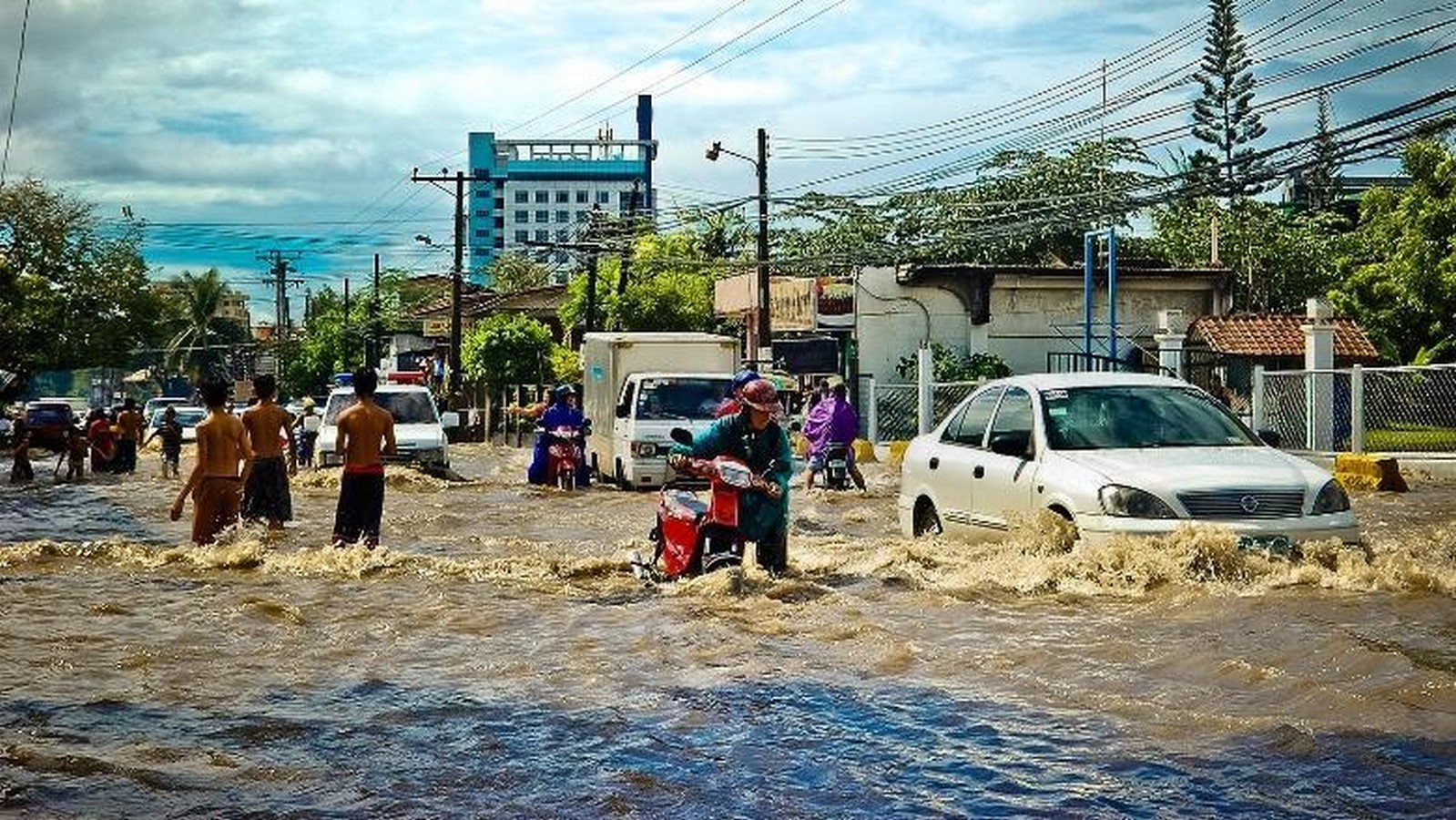
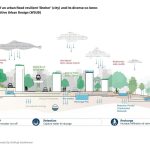
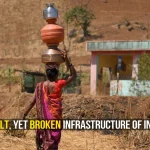
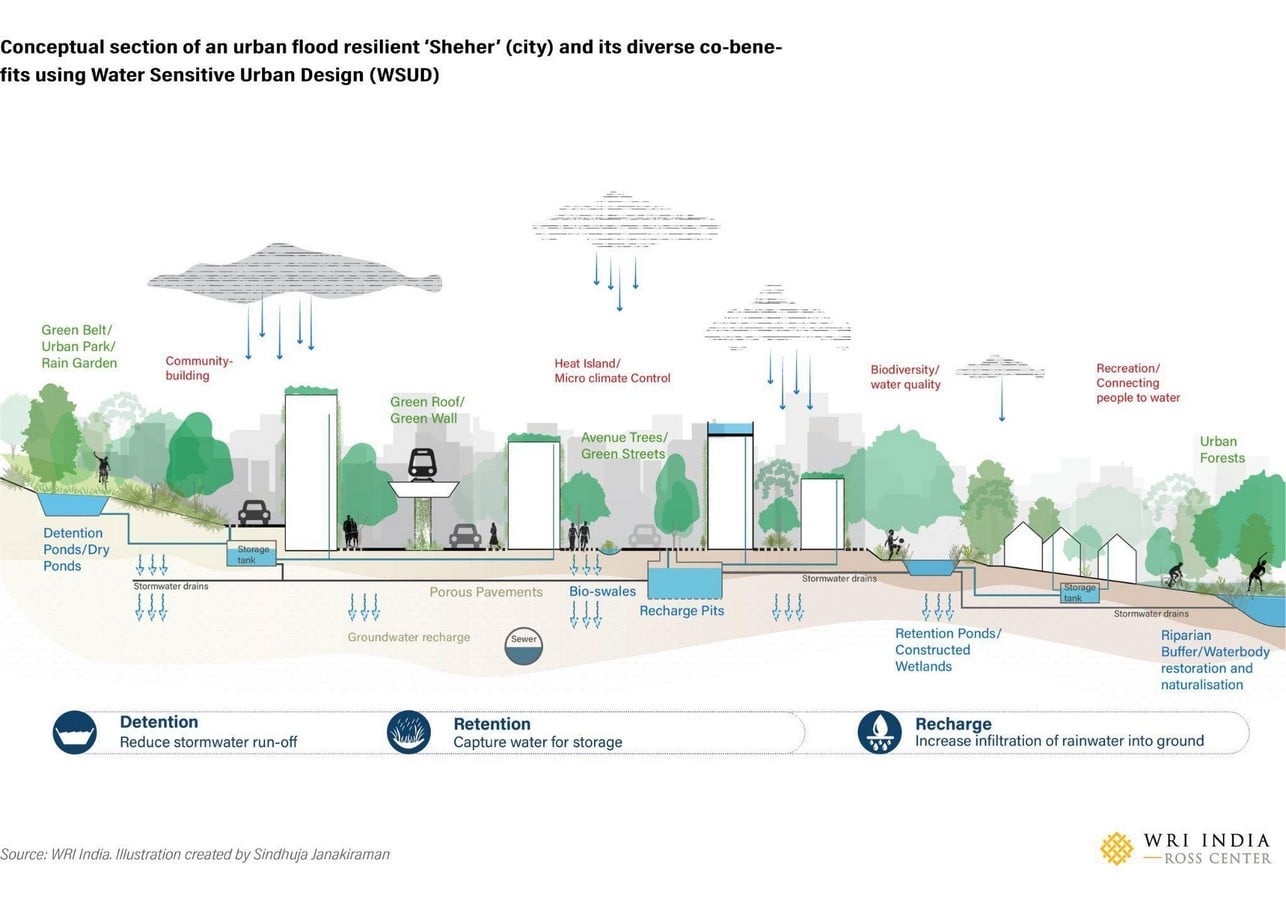
In some countries, such as India, the consequences are acutely visible. Indian cities routinely flood despite water scarcity – a contradiction driven by infrastructure that sheds rainwater at speed rather than absorbing or storing it. The solution demands that planners and architects revisit and redesign existing infrastructure to respond to these problems effectively. Incorporating water-sensitive architecture has become necessary to address the growing problems of urban flooding and subsequent water shortages. Anand and Janakiraman (2021) explore this through a hypothetical redesign of an Indian city, proposing water-sensitive urban infrastructure – rain gardens, stormwater drains, green roofs, bioswales, and storage tanks – as active elements for the detention, retention, and recharge of stormwater.
Water Management in Ancient Civilisations
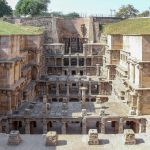
Long before the term water-sensitive architecture was coined, ancient civilisations all over the world developed their own principles to treat stormwater. In India, communities carved stepwells – known as baolis, vavs, and jhalaras – deep into the earth as a sophisticated architectural response to water scarcity. Dating back to the 3rd Century BCE in the arid regions of Gujarat and Rajasthan, these structures served simultaneously as urban infrastructure and communal gathering spaces, where women and children collected water and sustained the social fabric of daily life. Beyond storage, builders engineered the stone-lined chambers to slow evaporation and maintain cool temperatures even through the harshest summers – making these stepwells function as natural cooling systems long before the concept had a name (India: Guardians, 2024).
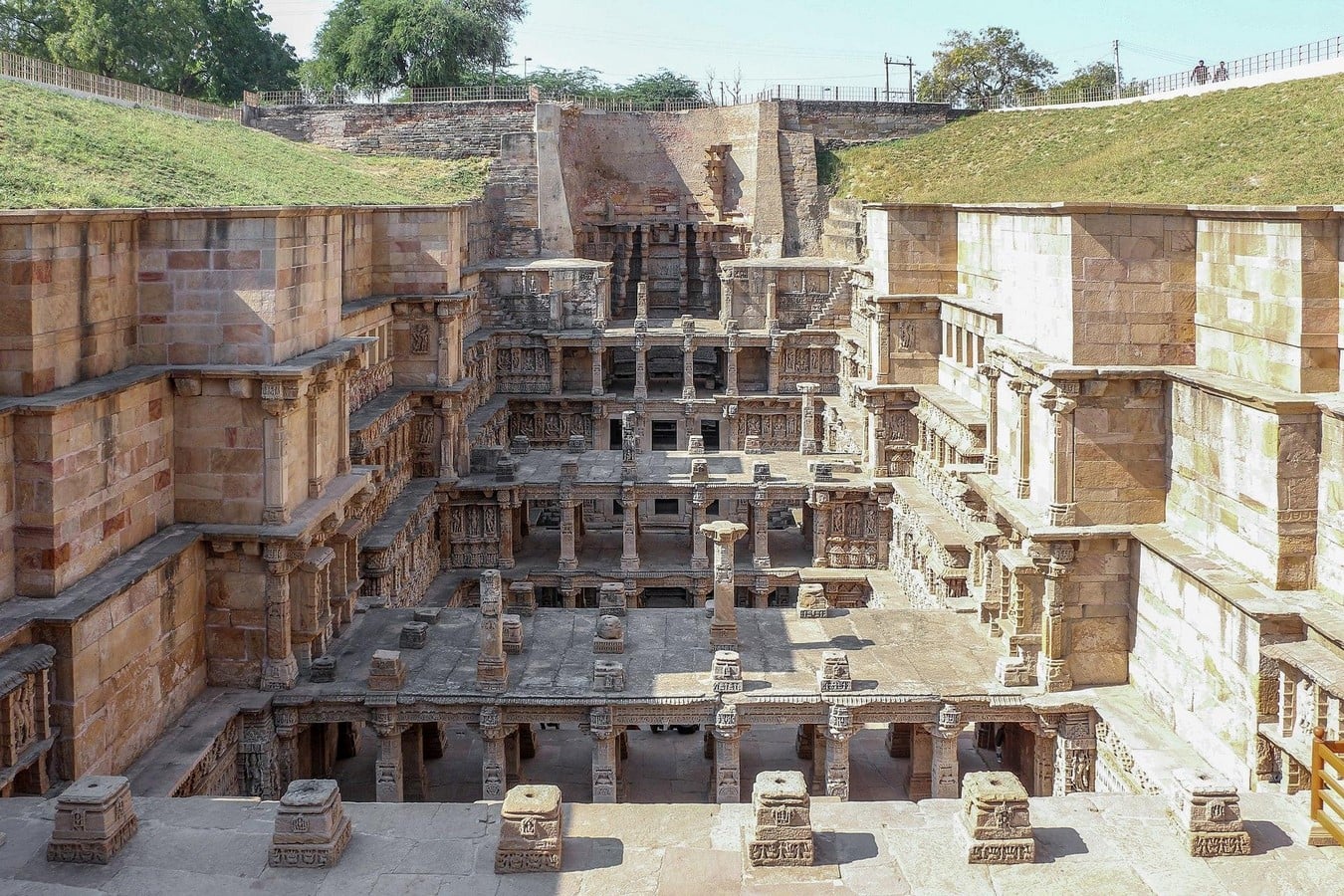
India’s water architecture drew its deepest roots from mythology and cosmology. In Hindu tradition, water occupied a sacred threshold between the earthly and the divine, and builders translated this reverence directly into the spatial design and architectural language of the stepwell. This same reverence shaped distinct water traditions across every region of India. Communities in the eastern Himalayas channelled water through bamboo pipes and Apatani systems; those in the western Himalayas dug Ghul canals; northeastern settlements built Zabo systems; and the people of the Thar desert constructed Kunds, Khadins, Talabs, and Johads to survive the harshest droughts (Subhedar, 2025).
Across the world, several communities are designed with water management. In Southeast Asia, builders raised houses on stilts above floodplains; in Thailand, traders built markets that floated on rivers; and in Peru’s Lake Titicaca, the Uros people wove entire islands from totora reeds and made them their permanent home. Unlike contemporary urban planners, these communities chose to harmonise with aquatic environments rather than suppress them. The Netherlands offers perhaps the most enduring example of this tradition passing through generations: faced with chronic flooding, the Dutch engineered floating structures and innovative water systems centuries ago, establishing a relationship with water that continues to define their built environment today (Editors at DE MODE, 2024).
What is Water-Sensitive Architecture?
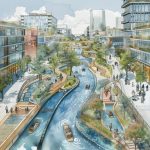
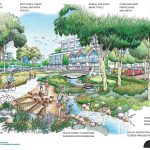
Water-sensitive architecture or Water-sensitive urban design (WSUD) is a land planning and engineering design approach that integrates the full urban water cycle – including stormwater, groundwater, wastewater management, and water supply – into urban design to minimise environmental degradation and improve aesthetic and recreational appeal (Wong and Eadie, 2000). The main aim of WSUD is to complete the water cycle within the urban fabric itself, so that stormwater and other excessive water do not accumulate in pathways. Instead, it is harvested, treated, and reused as close to the source as possible. This also solves the issue of water scarcity, as the treated stormwater is stored for use in times of need (Editors at Urban Design lab, 2024).
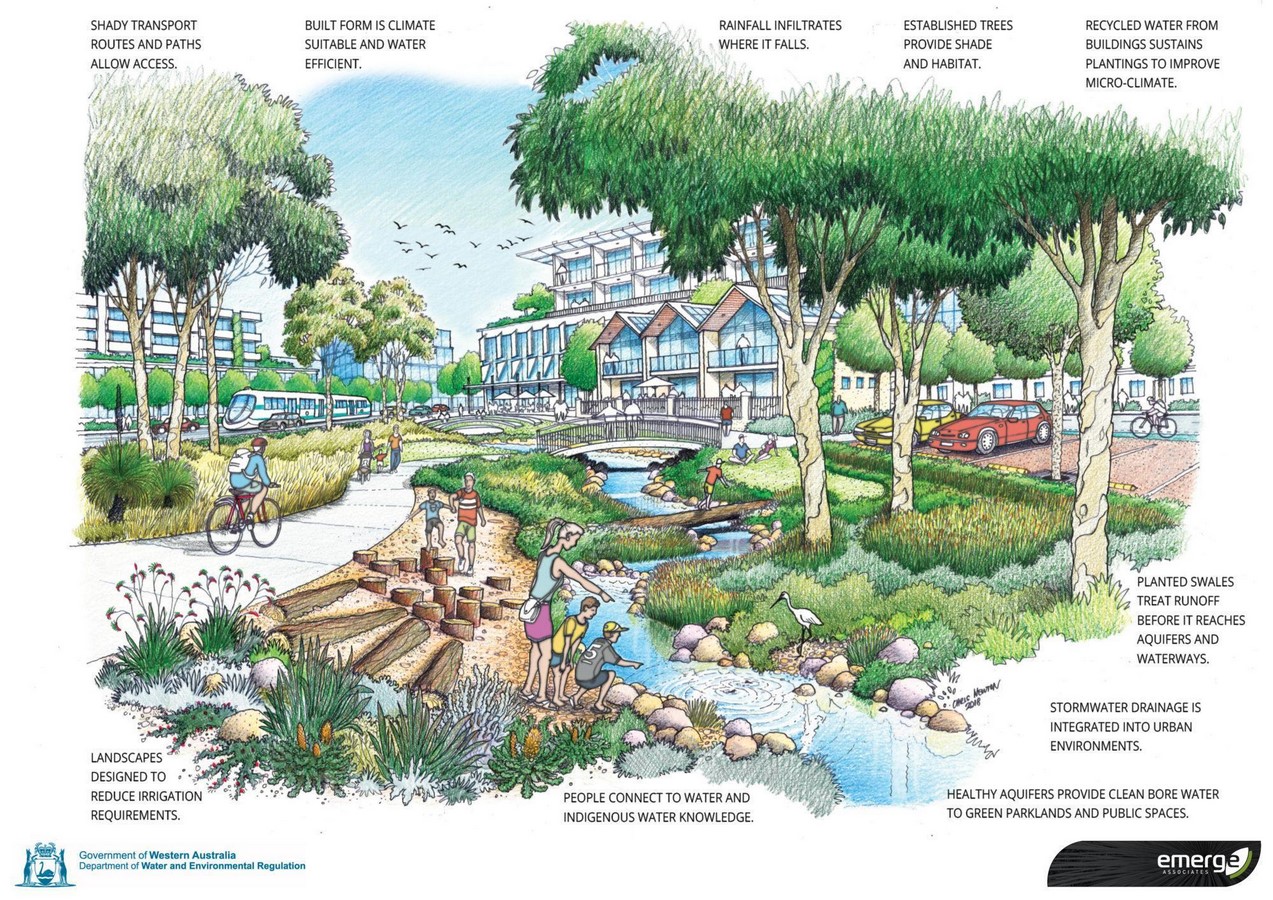
In the UK, WSUD’s equivalent, Sustainable Drainage Systems (SuDS), focuses on more than just drainage engineering, integrating water-sensitive principles in urban design, landscape architecture, and ecology. There, the planners mimic the hydrological behaviour of natural landscapes by using bioretention swales, green roofs, constructed wetlands, and permeable paving (Ashley et al., 2013). It further demonstrates that for Water-sensitive architecture to be truly effective, it must be embedded in the city’s form itself – through street layouts, building envelopes, public spaces, and transport corridors – not just added as an afterthought (Kuller et al., 2017).
Contemporary Projects Rooted in Traditional Wisdom
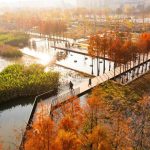
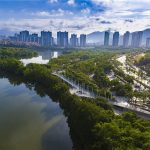
Today, many architects and planners have realised the importance of water-sensitive architecture. One of the most prominent examples is Kongjian Yu, a landscape architect with a Beijing-based firm called Turenscapes. Using traditional wisdom of water management and designing with water rather than against it, Yu came up with the concept of Sponge Cities. He launched China’s Sponge City Program, in which he demonstrated how a city could work as a sponge, absorbing all the excess water to clean and reuse it rather than just channelling it away. This concept has been applied in over 200 cities worldwide and has so far been successful. These sponge cities feature terraces inspired by ancient agricultural wisdom, bioswales, restored wetlands, and permeable surfaces that absorb, clean, and release water in rhythm with natural cycles (Thorpe, 2024).
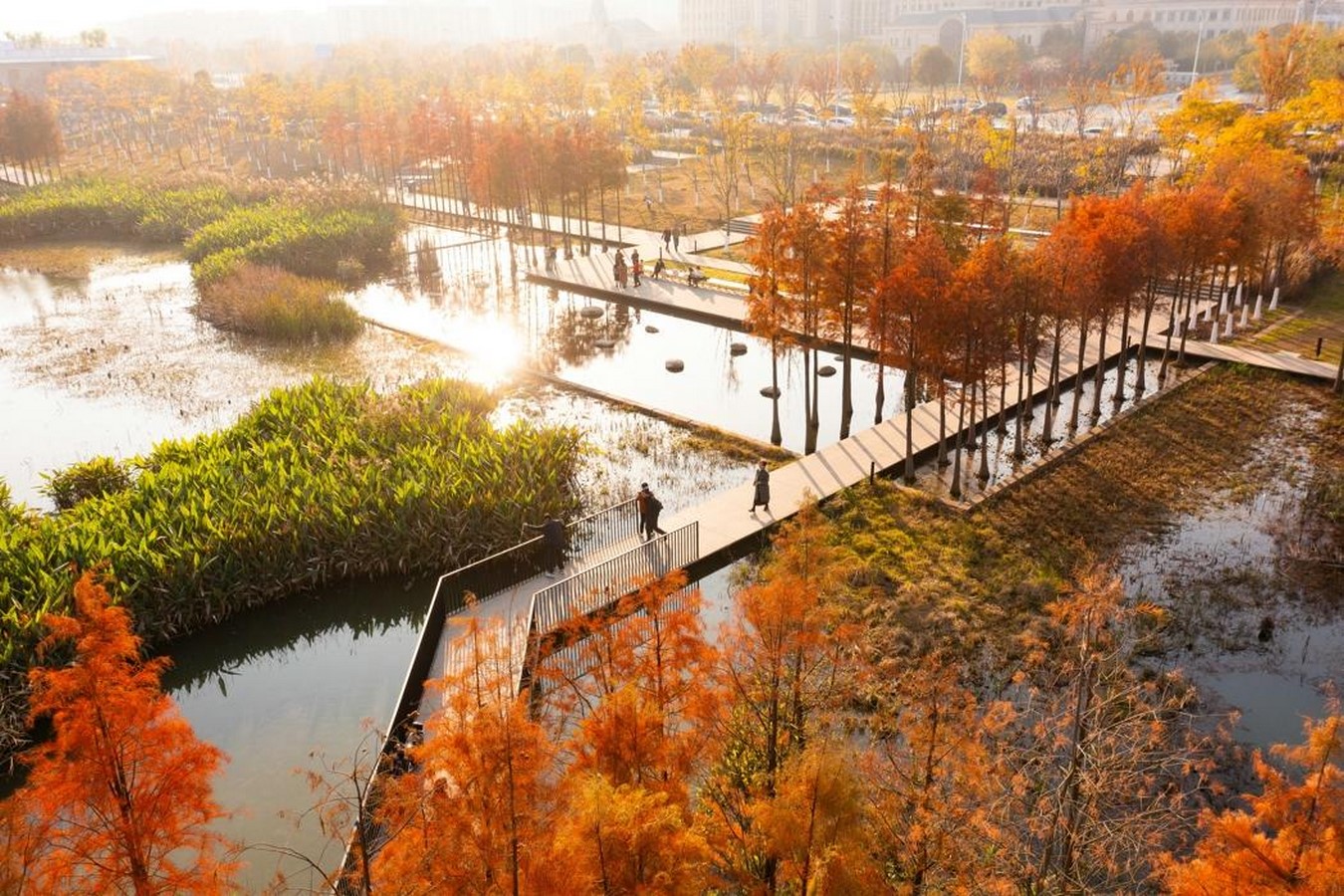
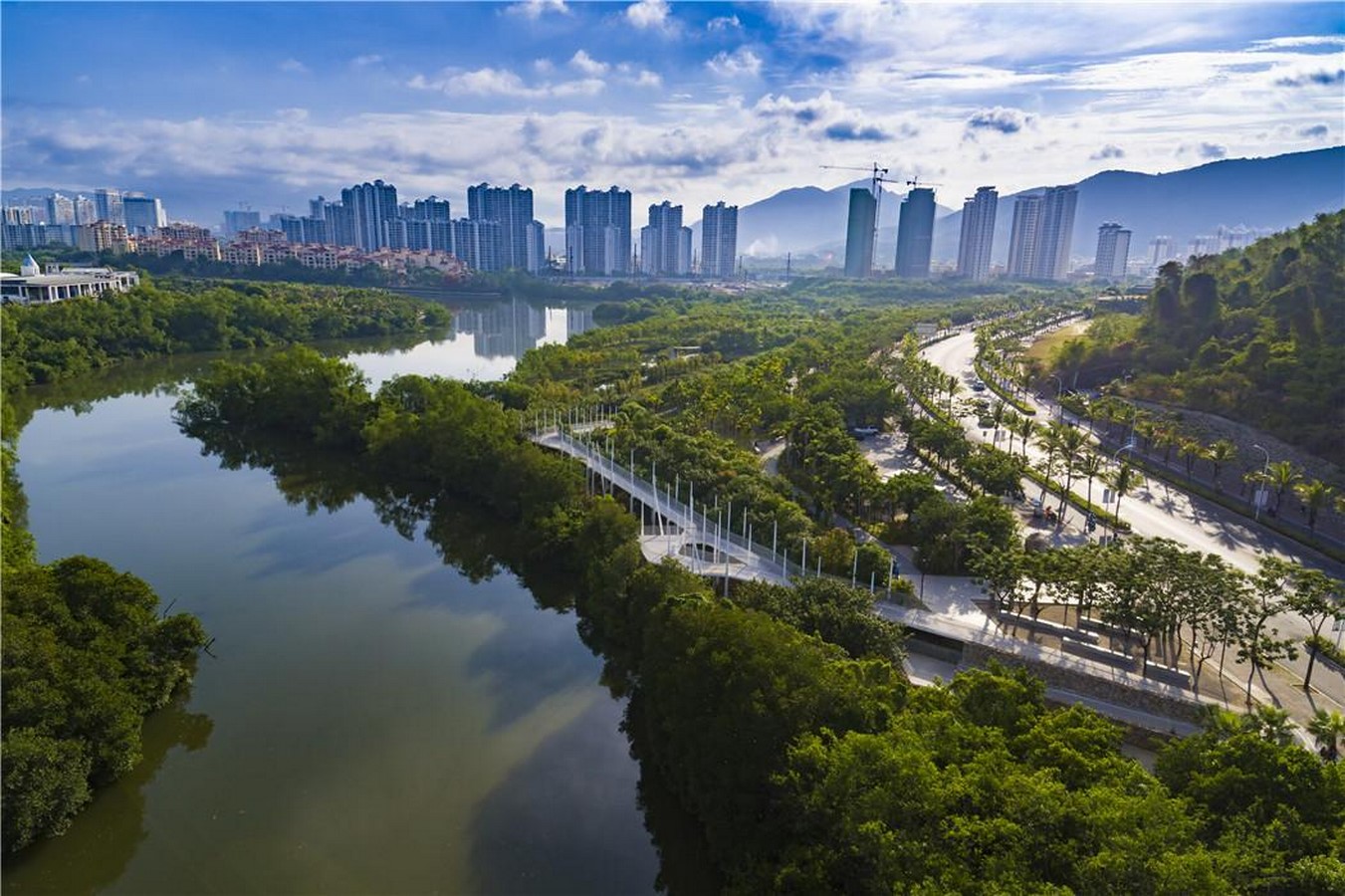
In Sanya, mangroves were restored over ten hectares of riverbank; in Zhongshan, an abandoned 1950s shipyard was rewilded into a layered garden. Observing the success of Turenscape’s projects, the Chinese government adopted Yu’s model as national policy in 2013. Yu himself frames the philosophy in terms of ancestral knowledge: “We use terraces, learned from ancient peasantry wisdom. We irrigate. Then the city will be floodable and will survive during the flood.” In his projects, water-sensitive architecture is both the engineering model and an act of cultural retrieval (thealiennextdoor, 2019).
In Amsterdam, about 46 households on the IJ Lake form a floating community called the Schoonship. Living on water is a traditional concept in the Netherlands, and this community uses traditional wisdom to create a liveable floating neighbourhood. They use separate grey and black water streams, green roofs, floating gardens, and a shared smart energy grid. Another example is the stilt housing in flood-prone regions globally. Building on raised platforms or stilts was a vernacular design approach that has been reinterpreted in modern architecture due to the need for existence despite floodwater. These design approaches suggest that traditional wisdom is a living system that can adapt to modern needs (Baweja, 2025).
While evidence grows for adopting WSUD principles in modern cities, the current framework presents a challenge. Building codes and planning standards developed around conventional drainage systems are often ill-equipped to accommodate decentralised, nature-based alternatives. Planners and policy makers need to consider alternatives that support WSUD for a better urban future worldwide. In conclusion, the builders of India’s stepwells and the floating communities in Amsterdam were solving the same problem: how to live alongside water and manage it as a resource. As climate change intensifies droughts, floods, and urban heat, the urban future may depend on how honestly architects, planners, and policymakers look at the traditional wisdom and derive solutions from it. The most resilient cities of the next century may be those that find the discipline to relearn from the past.
References:
Anand, A. and Janakiraman, S. (2021). Creating a flood resilient Indian ‘Sheher’ through Water Sensitive Urban Design. [online] WRI India. Available at: https://wri-india.org/blogs/creating-flood-resilient-indian-sheher-through-water-sensitive-urban-design.
Ashley, R., Lundy, L., Ward, S., Shaffer, P., Walker, L., Morgan, C., Saul, A., Wong, T. and Moore, S. (2013). Water-sensitive urban design: opportunities for the UK. Proceedings of the Institution of Civil Engineers – Municipal Engineer, 166(2), pp.65–76. doi:https://doi.org/10.1680/muen.12.00046.
Baweja, K. (2025). Disaster-Resilient Architecture in Flood-Prone Areas. Universal Research Reports, 12(3), pp.665–675. doi:https://doi.org/10.36676/urr.v12.i3.1607.
Editors at DE MODE (2024). ‘FLOATING ARCHITECTURE – BUILDING ON WATER’: DE MODE GLOBAL. [online] DE MODE. Available at: https://www.demodemagazine.com/floating-architecture-building-on-water-de-mode-global.
Editors at Urban Design lab (2024). Water Sensitive Urban Design. [online] Urban Design lab. Available at: https://urbandesignlab.in/water-sensitive-urban-design/.
Ghaderian, M., Hakimian, P. and Shahab, S. (2025). The trajectory of water sensitive urban design: integrating water management with urban planning and design. Australian Planner, pp.1–14. doi:https://doi.org/10.1080/07293682.2025.2526201.
India: Guardians (2024). True Connection. [online] True Connection. Available at: https://www.true-connection.org/resilient-by-design/stepwells-of-india [Accessed 26 Apr. 2026].
Kuller, M., Bach, P.M., Ramirez-Lovering, D. and Deletic, A. (2017). Framing water sensitive urban design as part of the urban form: A critical review of tools for best planning practice. Environmental Modelling & Software, 96, pp.265–282. doi:https://doi.org/10.1016/j.envsoft.2017.07.003.
Netki Pty Ltd (2014). What Is Water Sensitive Urban Design(WSUD)? [online] Citygreen. Available at: https://citygreen.com/what-is-water-sensitive-urban-design/.
Subhedar, N.M. (2025). Blue-Green Infrastructure in Cities: Water-Sensitive Urban Design at the Edge of Waters – Interweaving Mythology and Historical Urbanism. [online] RTF | Rethinking The Future. Available at: https://www.re-thinkingthefuture.com/architectural-community/a14078-blue-green-infrastructure-in-cities-water-sensitive-urban-design-at-the-edge-of-waters-interweaving-mythology-and-historical-urbanism/.
Tasnia, T. and Growe, A. (2025). A Systematic Literature Review of Water-Sensitive Urban Design and Flood Risk Management in Contexts of Strategic Urban Sustainability Planning. Land, [online] 14(2), p.224. doi:https://doi.org/10.3390/land14020224.
thealiennextdoor (2019). Turning Cities into Sponges: Viewing The City as a Living Organism. [online] The Meaning of Water. Available at: https://themeaningofwater.com/2019/11/23/turning-cities-into-sponges-viewing-the-city-as-a-living-organism/.
Thorpe, H. (2024). The Sponge City That Weathers Storms and Reclaims Nature. [online] Looms World. Available at: https://www.looms.world/stories/the-sponge-city-architecture.
Wong, T.H.F. and Eadie, M.L. (2000). WATER SENSITIVE URBAN DESIGN -A PARADIGM SHIFT IN URBAN DESIGN. [online] ResearchGate. Available at: https://www.researchgate.net/publication/267822087_WATER_SENSITIVE_URBAN_DESIGN_-A_PARADIGM_SHIFT_IN_URBAN_DESIGN.