The three necessities of living are food, clothing and shelter. While those are the basic physical needs for survival, mental needs- those that drive human beings to live socially and happily are all about forming relationships with one another and continuous interaction with each other. These are often ignored by the general public in the current age. And the designs of housing only keep striving to prove the point. Contemporary housing systems have become increasingly separational in their designs shaped by demographic ageing and diversified needs. Different age groups are unable to coexist together due to the extreme differences in needs and wants. A bachelor house is loud and lives until much into the night- which causes problems for neighboring senior citizens. This requires an immense amount of spatial coordination and differentiated autonomy that results in separation and is not suitable for changing conditions.

Nowadays, multigenerational living has not only become a cultural tradition, but is becoming an economic and social necessity. Rising costs and aging populations are all bringing families with various age groups under one roof. But they often find that contemporary houses are no longer designed for this complexity. The modern house is just not about cohabitation, but only about negotiating care, managing conflict, and preserving privacy with common areas. Which raises a critical architectural question- how can design mold to support both togetherness and autonomy?
The Return of Multi-Generational Living
Multigenerational households were the prevalent form of family structure before industrialization, yet they were eventually replaced in favor of the nuclear family unit due to increased mobility, the need for privacy, and individuality. Yet today, this phenomenon is being reversed, although it is done more out of necessity than out of sentimentality, altering due to the changing needs of the society. Longer life spans combined with lower fertility rates have created aging populations who require lifelong care, and increasing real estate prices coupled with high population densities have made it cost-effective to live together. Studies have shown that intergenerational spaces are more than just an occurrence; they are highly influenced by socio-spatial requirements, wherein design can contribute to welfare, interaction, and systems of support among different generations.
In India, however, there is a mixture of both cases. Nuclear households are only very common in cities, not so much, however, in towns and villages. The reason why such practice of multiple generations residing together in India continues even today is because of cultural values that promote unity within the family, along with providing for home-based care, thanks to the culture of joint families. While urbanization and space constraints have altered this pattern of living to some extent, the focus on closeness is still there.
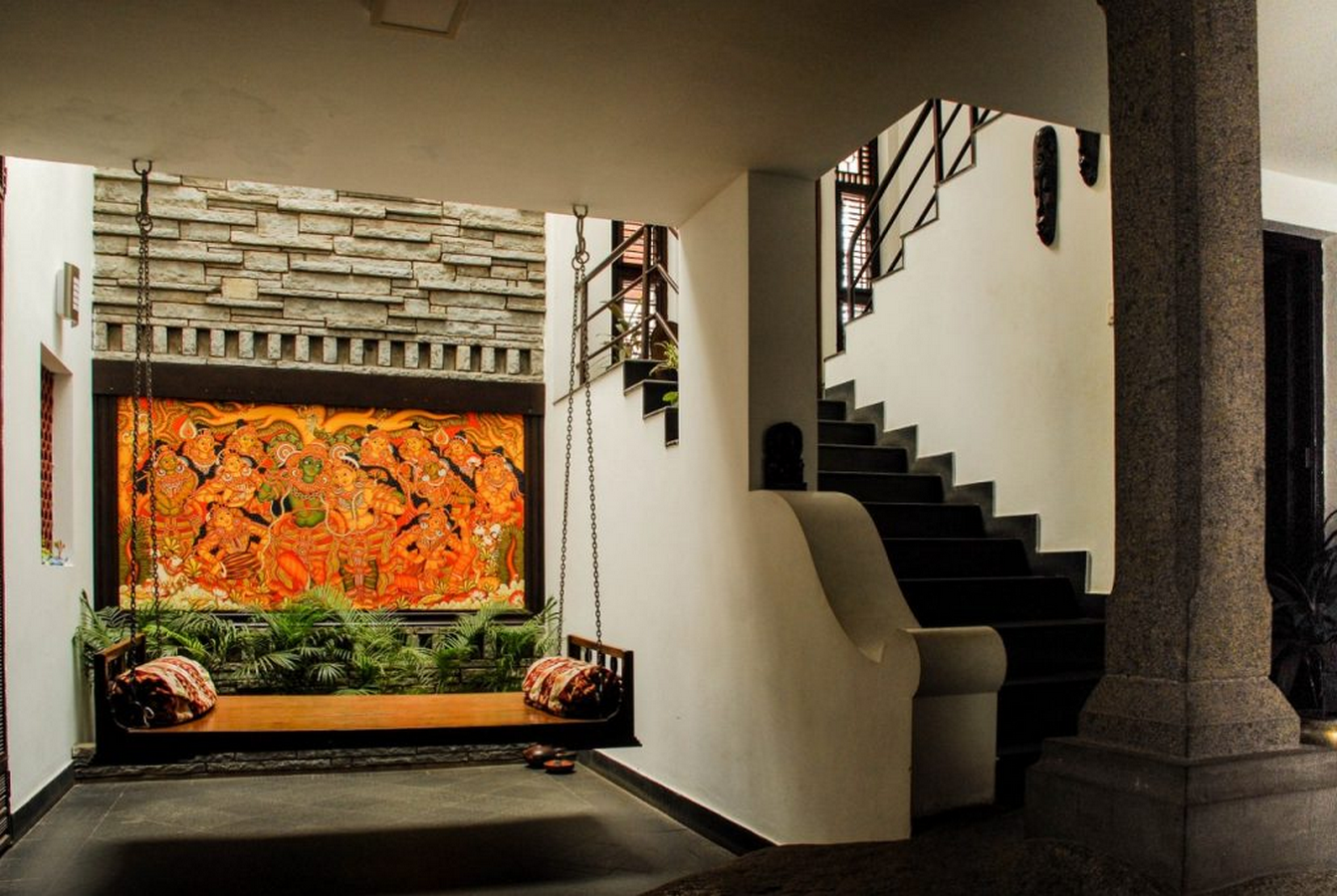
Designing for Care: Architecture as Support System
Care-sensitive architectural design for multi-generational homes will depend on the creation of architectural design systems that enable care. With aging populations, accessibility in place comes into play, and the emphasis is on creating environments where barriers to circulation have been removed and there is good spatial arrangement and organization. Studies on inclusive design place an emphasis on providing clear routes of movement, regularity, and sensory clarity. Within the intergenerational home context, spatial design is crucial to emotional well-being in that proximity provides for non-intrusive passive observation and help when needed. Design elements like downstairs rooms, visual connection between the spaces and intuitive designs help balance care with maintaining dignity. Of critical importance, studies show that built environments significantly influence interaction and health outcomes by shaping care relationships which are social and spatial in nature.
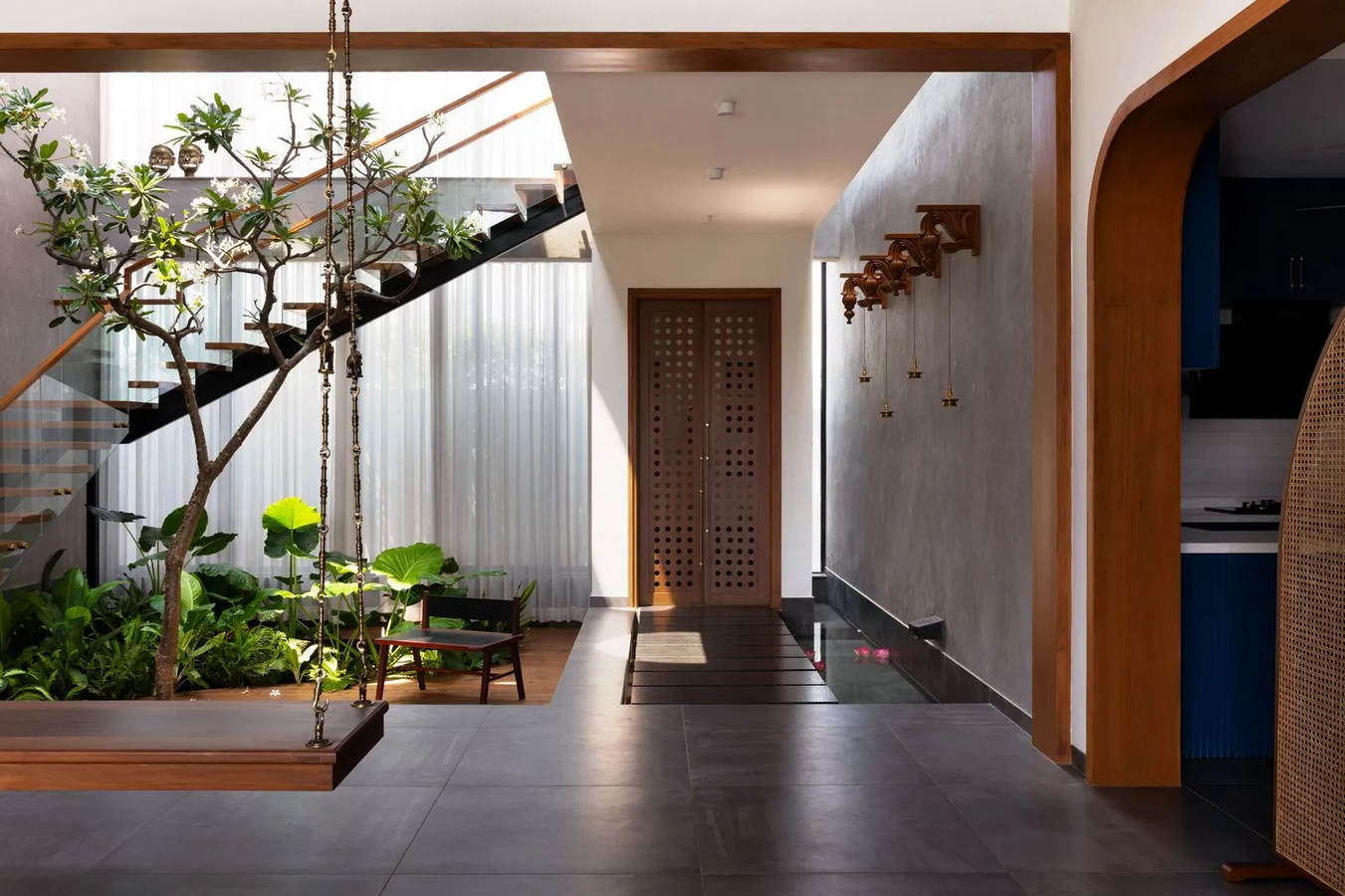
When Shared Space Becomes Contested
Where multigenerational cohabitation promotes a sense of bonding, it is also prone to create tensions due to the presence of noise, conflicting timetables, and age differences. As researchers have often pointed out, housing-related noise remains one of the major causes of discontent among residents, having considerable impacts on psychological state and social interactions. One of the key functions of architectural interventions is thus to manage tension through space design solutions that absorb, reflect, and dissipate tension. Such solutions may be found in spaces designed for buffer zoning including corridors, semi-open courts, and transitional thresholds facilitating smoother transitions between public and private realms. Noise reduction can be achieved through acoustic zoning, which utilizes materials and layers to minimize disturbing elements. Intergenerational design literature further argues that the quality of social interaction is as dependent on the design as frequency. Simply said, good architectural designs should be about regulating interaction rather than preventing it.
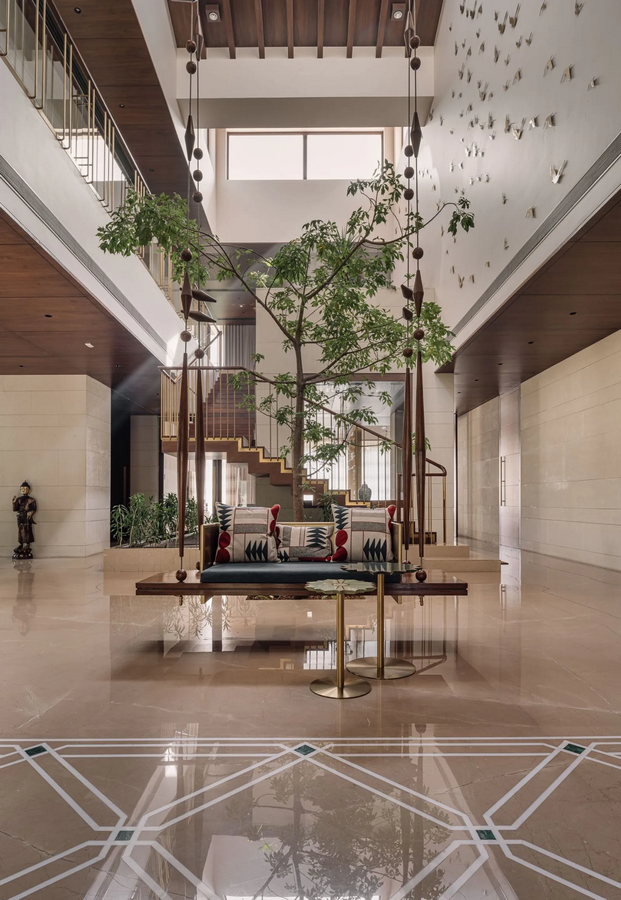
Designing for Privacy
Privacy is no longer optional but essential in multigenerational homes for one’s well-being and self-respect. Being able to disengage in a physical and psychological manner ensures one’s independence and helps minimize the stress from different lifestyles and schedules. Recent studies have confirmed that control of space, which means having access to private places, greatly affects people’s mental health and general satisfaction living in multi-households. The use of architectural techniques such as zoning, which includes dividing the house into public areas, semi-public, and private spaces, provides opportunities for coexistence through clearly defined zones. Having distinct entrances or annexes increases the feeling of independence, mainly for senior and young family members. Flexibility of walls and layout makes it possible to change the configuration depending on circumstances. Therefore, as experience of living in such houses shows, multigenerational homes should be able to find the balance between proximity and independence and in the process make it possible to achieve the concept of “living together apart.
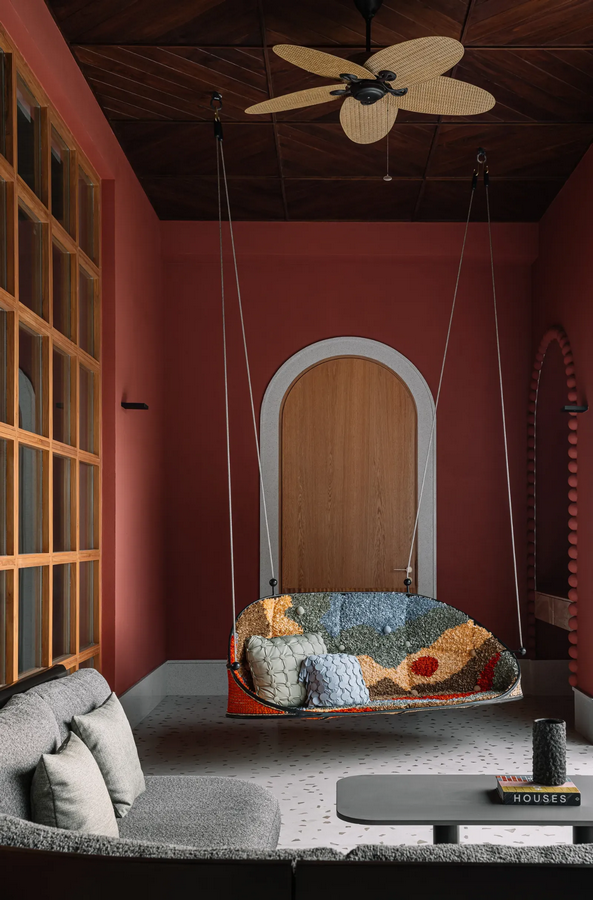
Typologies of Multi-Generational Housing
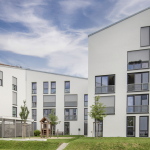
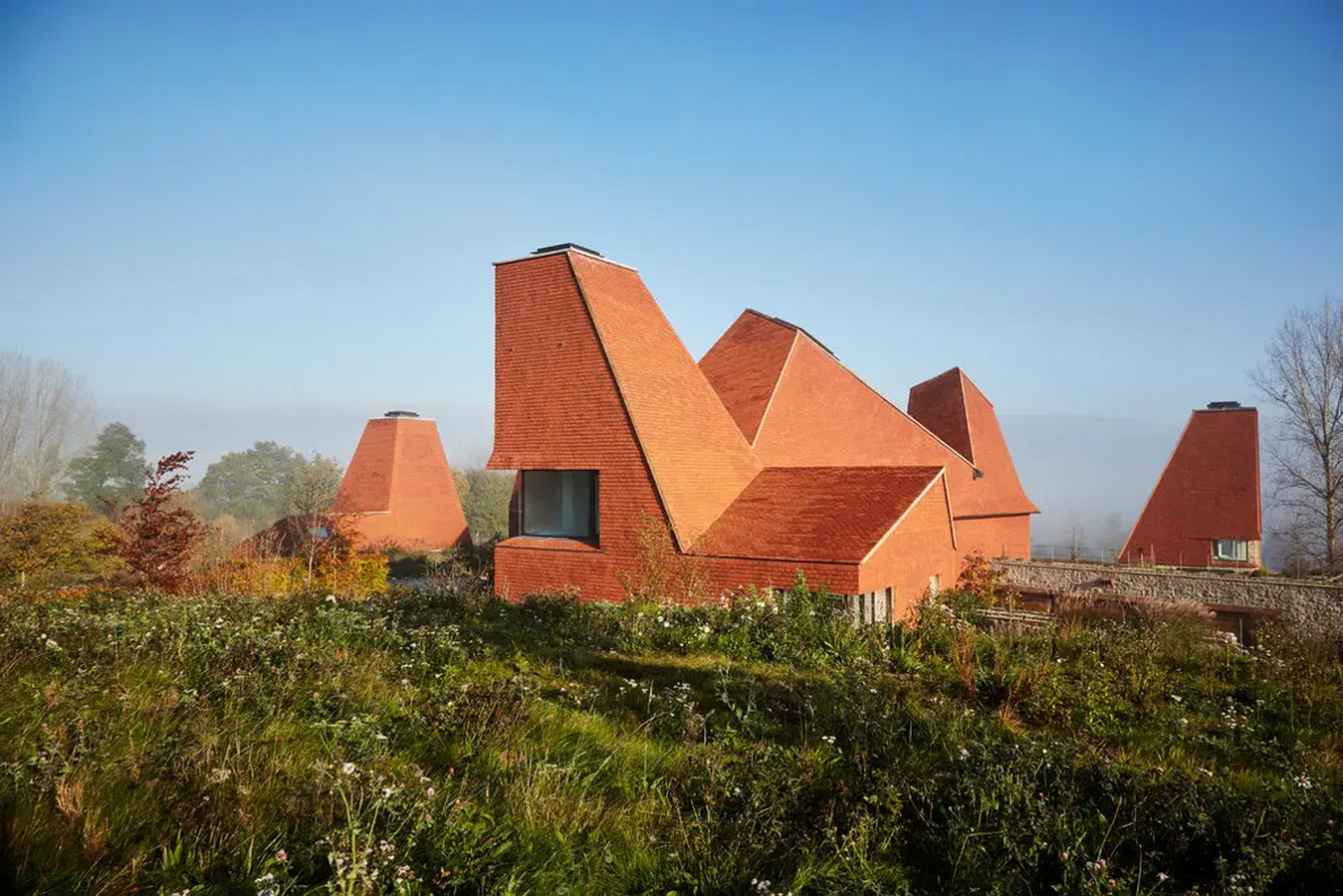
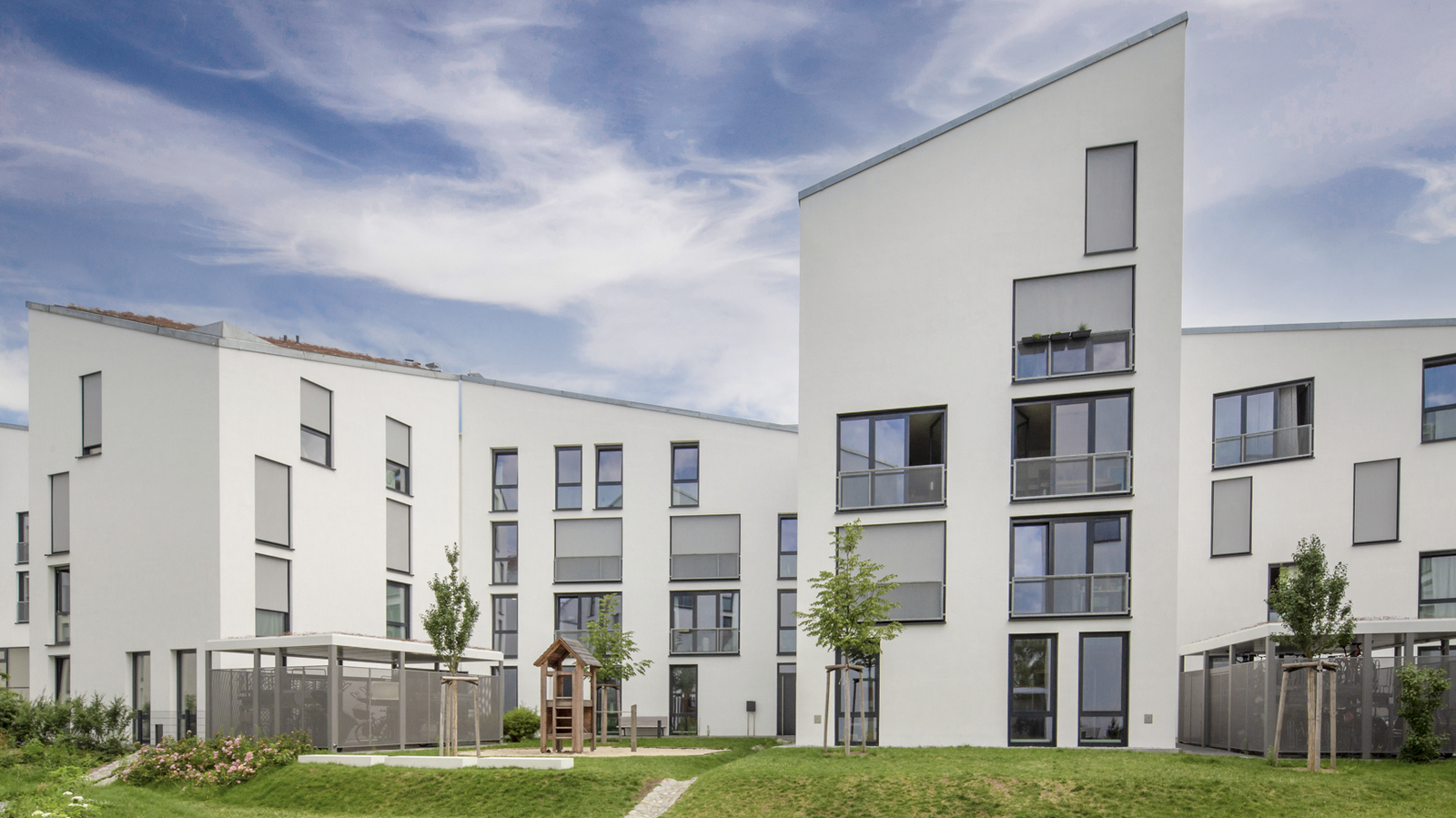
There are basically three ways of viewing multi-generational housing. The first is what is termed the ‘fully shared’ houses. This involves the use of shared spaces where individual families can live together without any problem. But, privacy and flow of traffic are some things to be considered while designing these spaces. Another category of houses is the ‘semi-independent’ units. Duplexes and subdivided houses may fit into this classification since they afford families the chance of living together yet they have some level of independence. Detached houses that are connected in one way or another are yet another example of multi-generational housing. Case studies seen in present-day Europe multi-generational housing show that spatial separation, coupled with visual connectivity, can promote both interaction and autonomy. For instance, in Vienna, stepped building volumes and communal courtyards are the architectural elements used to establish visual connectivity without eliminating the spatial differentiation between various family units.These typologies are not fixed solutions but rather images of cultural values, financial status and family dynamics, proving how architecture adapts to various levels of interdependence and independence.
The Future: Multi-Generational Living 2.0
The future of multi-generational living lies in how it will evolve from an adaptable, technological and community-based system. As more people opt to live in multi-generational homes due to changing demographics and other related factors, it is important to design buildings that can adapt to family changes. The use of smart home technologies such as monitoring systems in aging populations ensures their safety and self-reliance. Environmental preferences are also different among different age groups as can be seen, making it necessary to design adaptable homes. Apart from multi-generational homes themselves, there is the concept of community-based multi-generational homes which involve sharing infrastructural elements and social interaction among others. In such designs, it becomes possible to accommodate more people while improving urban density.
Conclusion- Designing relationships
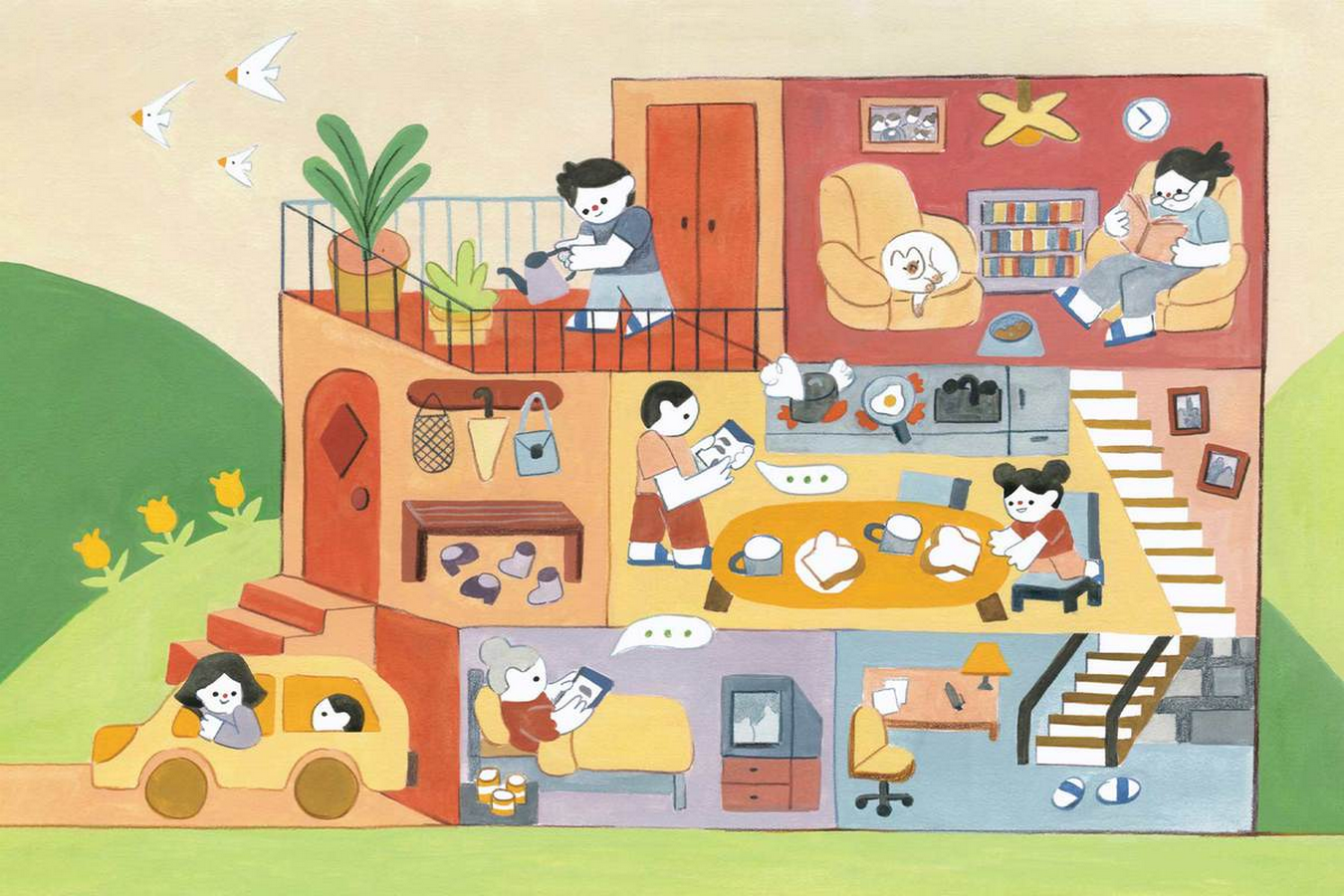
Multigenerational living calls for an alteration in architectural thought processes- from planning to responsive, stacked designs that accommodate care, conflict and privacy at the same time. Across spatial strategies and housing typologies, it is visible that the challenge is not just to house various generations but also to support their evolving relationships with changing time through design. Successful environments integrate accessibility for aging, buffer zones to increase interaction and reduce clashes along with clear zoning to enable withdrawal, allowing generations to coexist without compromise. These approaches, and emerging models of adaptable and community centered housing place multigenerational living as both a social and spatial framework for the future. At the end, architecture is not only about form and efficiency, but also about channeling relationships- creating spaces that balance proximity with independence and permanence with change.
Citations:
- Gerards, S., De Ridder, R., and De Bleeckere, S. (2015). Designing Multigenerational Dwelling: A Workshop with Four Flemish Architecture Firms. Archnet-IJAR: International Journal of Architectural Research, 9 (2), 20-30.
- Li, X., and Wang, J. (2026). The Impact of Spatial Configuration on Intergenerational Social Interaction in High-Density Residential Buildings. Energy and Buildings, 312, 114182.
- Norouzi, N., Jarrott, S., and Chaudhury, H. (2019). Designing Intergenerational Space through a Human-Development Lens. Journal of Architectural and Planning Research, 36 (1), 35-51.
- Park, S., and Lee, H. (2025). Post-Occupancy Evaluation of Multigenerational Apartments: A Case Study on Thermal Comfort and Acoustic Privacy. Building and Environment, 268, 112185.
- Smith, J., and Brown, L. (2025). Urban Intergenerational Housing: A Systematic Review of Health and Wellbeing Outcomes. International Journal for Equity in Health, 24 (1), 102.
- Wang, Y. (2026). Intergenerational Housing: A Comparative Analysis of Housing Policies in China and the United States. Journal of Civil Engineering and Urban Planning, 8 (2), 45-58.
- Zhang, Q., and Liu, Y. (2026). Designing for Longevity: Architectural Strategies for Adaptable Multigenerational Housing. Buildings, 16 (5), 1065.
- Dekker Perich Sabatini (2024). Multigenerational Living: A Personal Experience. [online]. Available at: https://www.dekkerdesign.org/insights/multigenerational-living-a-personal-experience/ [Accessed date: 16/04/2026]
- Uni Journals (2023). Multi-generational House with a View: A Project Analysis. [online]. Available at: https://uni.xyz/journals/multi-generational-house-with-a-view-a-p [Accessed date: 16/04/2026]