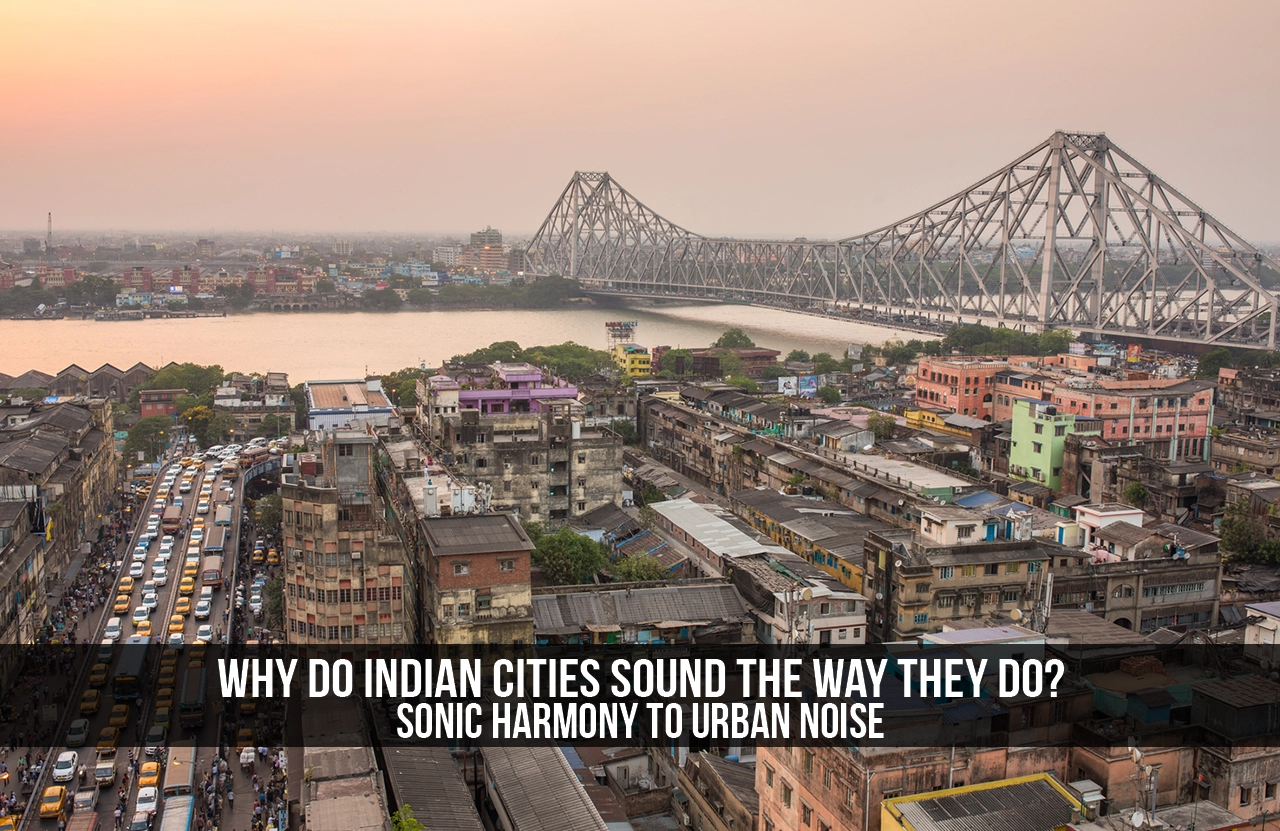
We often talk about Delhi’s air pollution or Mumbai’s water pollution. But what often skips designs in most urban platforms in India is the noise. There is so much noise in a lot of indian cities, that is now only increasing and spreading to even smaller towns- mainly due to the sheer increase in vehicle numbers and overpopulation. Indian cities are losing their character and are all becoming one in terms of their designs. They are vastly generalizing nowadays. For instance, areas in Bengaluru and Gurugram show similar glass-facade buildings and layouts that are dominated by vast and mega roads. This is something everybody seems to know and talk about but only limited enforcement persists.
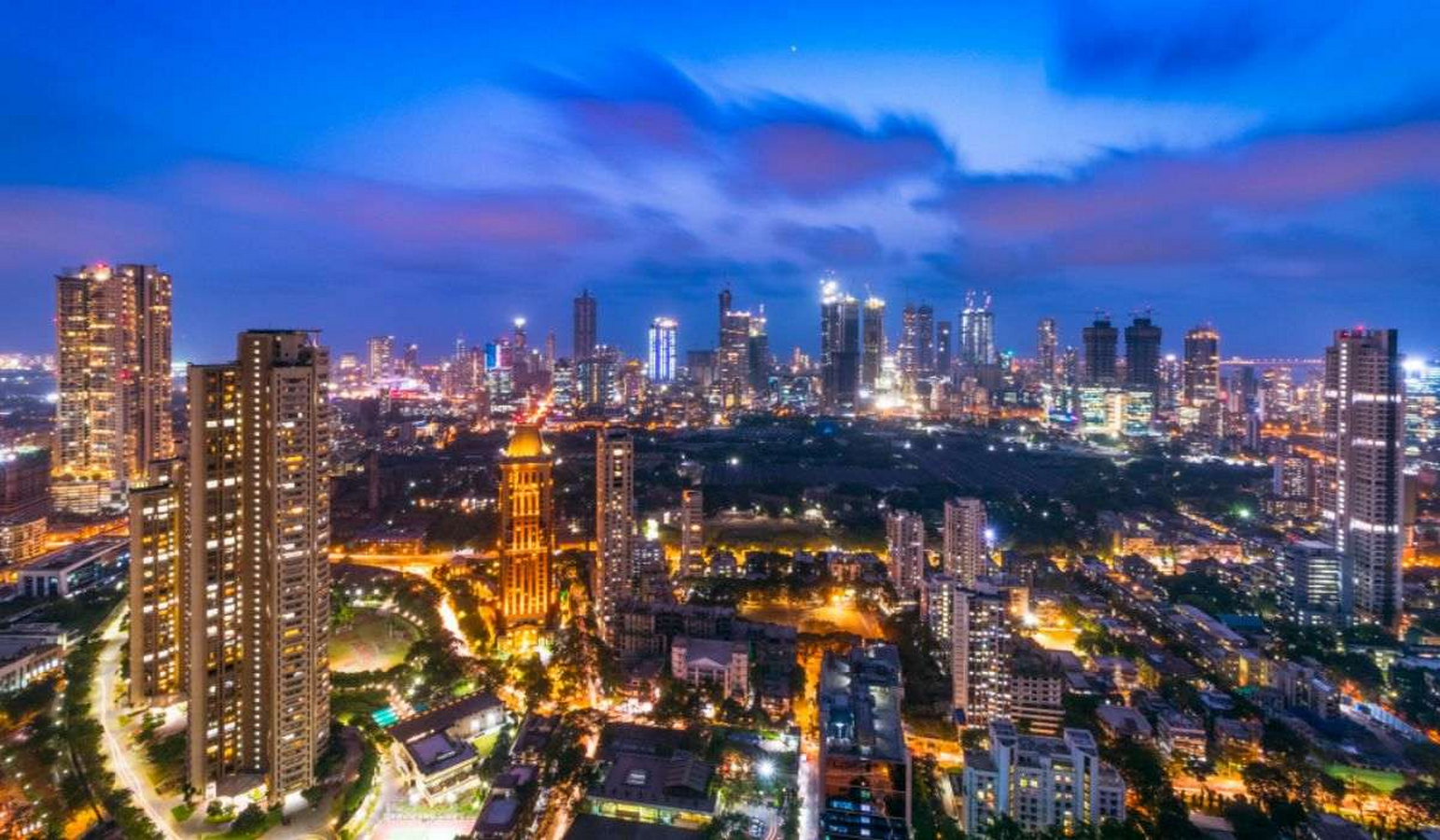
Historically, urban planning has always treated noise as something to be mitigated. Definitely, there are cultural aspects to noise- the rituals and the festivals that keep the liveliness in Indian cities. What increases this is the materiality and absorptivity of the building materials towards sound. The soundscape is not intentional like those in Japanese or European cities, where there are acoustic pockets, to enhance the soundscape. Kyoto has designated quiet streets near temples and parts of Copenhagen integrate pedestrian zones into the urban footprint to regulate sound levels. Indian cities are acoustically chaotic. The case here is that these cities were not intended to have the general noise drown out the cultural noise. They just became so. The street design, the lack of noise buffers and sheer materiality all point towards it. What architects now need to do is look for ways to integrate this sound into the soundscape of the city.
Historical Indian Cities: Climatic Intelligence and Sonic Balance
This condition raises an important question of whether Indian cities were always like this, or if it is a recent phenomenon pertaining to changing planning principles. In Indian traditional urbanism, there was an intelligent blend of climatic knowledge and sound planning. The grid of Mohenjo-daro, the rhythmic temple towns of South India and the walled Mughal areas were all sensitive to the needs of the ear. Mohenjo-daro’s grid planning with tightly organized and uniform streets limited the spread of sound, Madurai’s concentric temple walls created acoustic gradients, Shahjahanabad demonstrated how bazaars, mosques and homes were carefully zoned, ensuring different sound intensities coexist without overwhelming each other. In historical urban environments, there existed the concept of “hi-fi” or a soundscape, where the low noise levels made each sound heard distinctly. These soundscapes reflect embedded spatial and climatic intelligence. There was, thus, a great connection between people and the soundscape in which they lived.
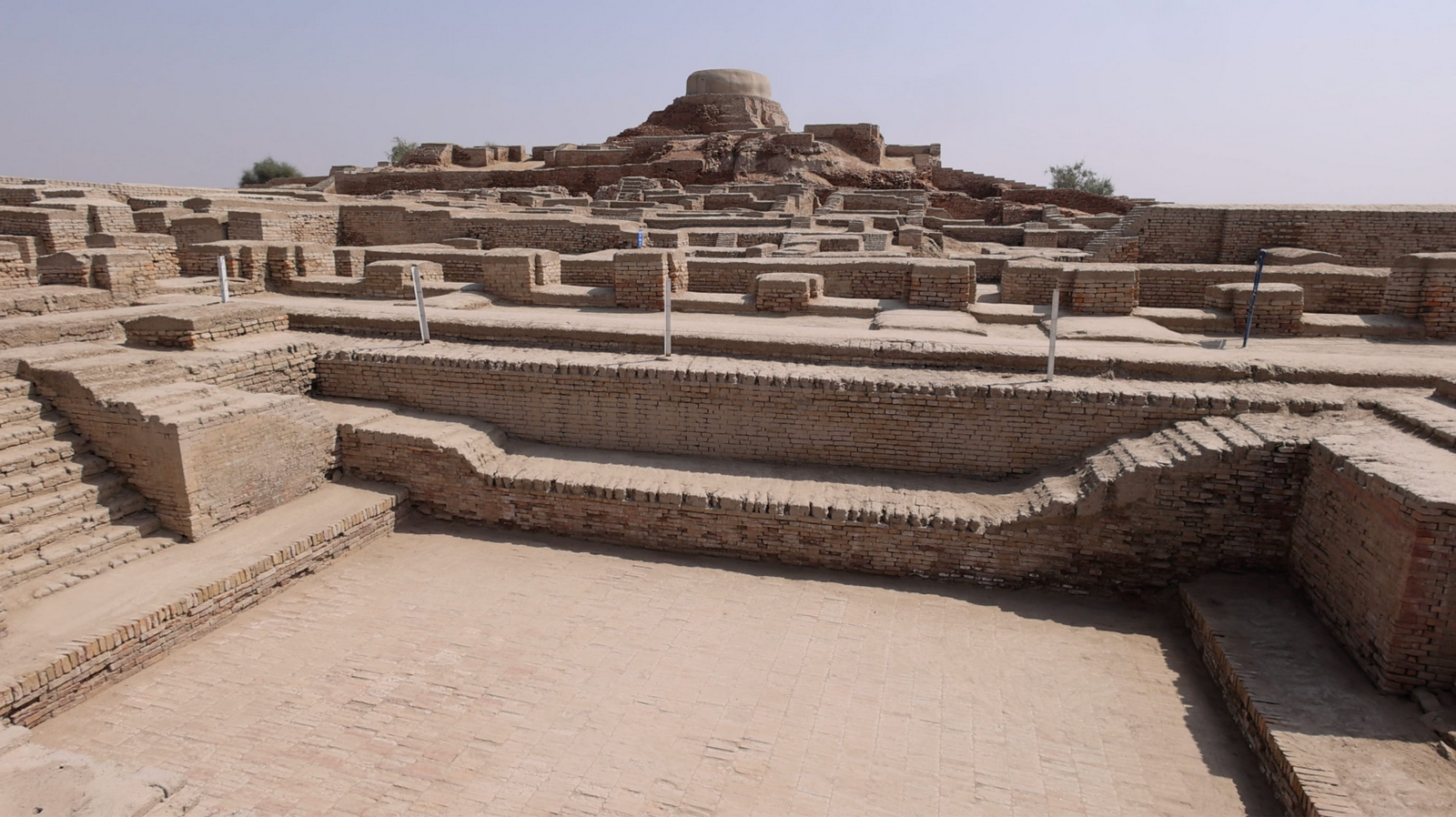
The architectural form itself served as an acoustical filter. Dense settlements consisted of buildings with thick masonry walls and internal courtyards that helped to keep interior spaces insulated from the external sounds of streets. Narrow alleyways served not only as shades but also as acoustic traps that kept noise from traveling across the distance. Appropriate zoning provided the change from macro-sound of marketplaces to micro-sound of religious and residential quarters. The cities made use of pedestrian-friendly layouts and porous materials that could absorb heat and vibrations. The traditional Indian cities were not silent in any sense. Rather, they were carefully designed to ensure that the sounds coming from them were not accidental.
How Indian Cities Are Designed Today
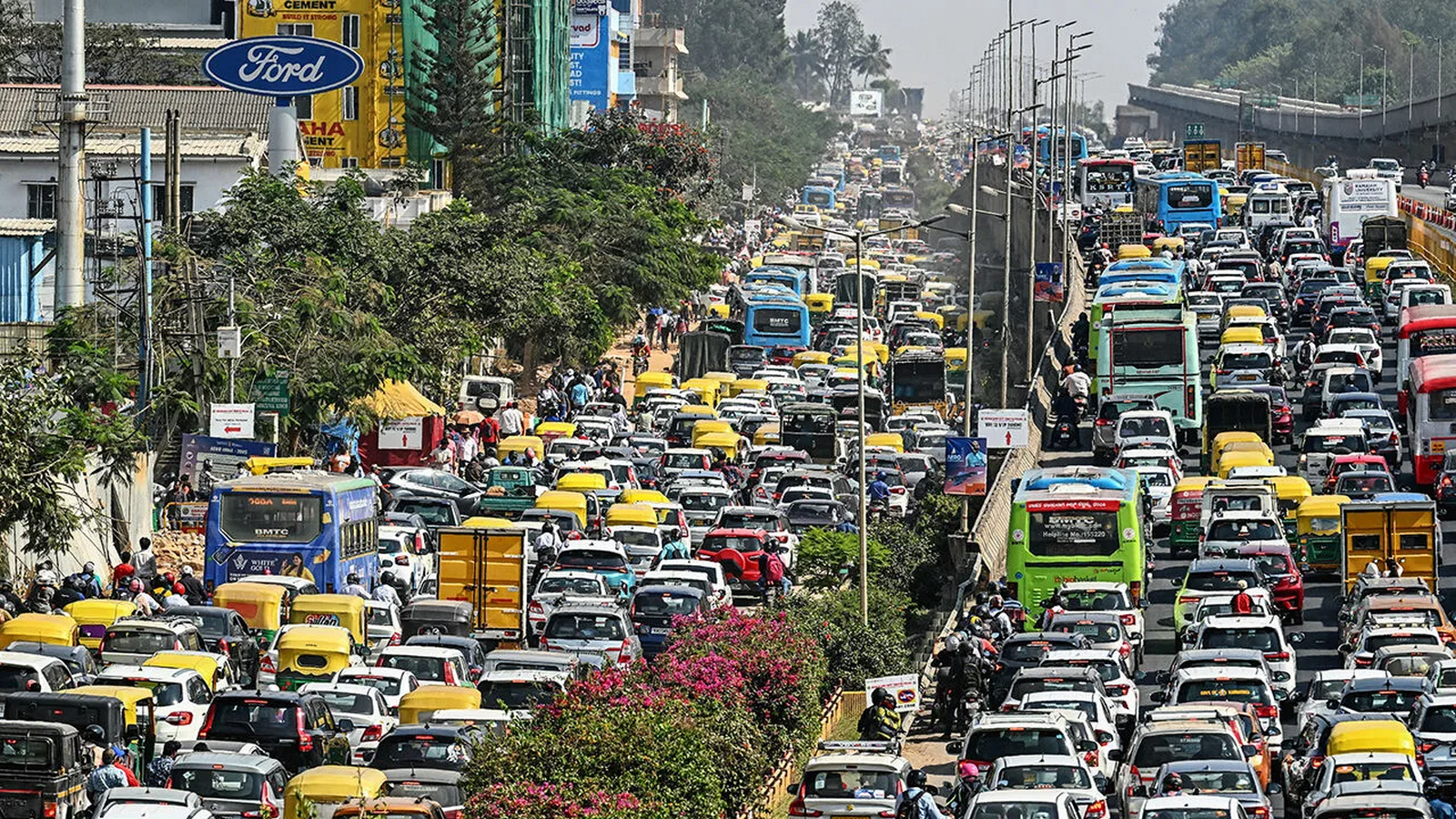
The carefully balanced relationship between space and sound began to shift with the emergence of modern planning paradigms. The development of the urban landscape post-independence in India is characterized by the swift and oftentimes reckless shift towards density and speed. As cities grew to cater to a huge population boom, the basic ethos of planning moved from a person-oriented environment to an engineer-focused corridor. With the rise of cars in the age of mobility, it is important to note that wider, more asphalt-intensive roads were created at the expense of the street as a quiet, social space. While zoning and materials have been used historically to filter sounds from the city’s fabric, modern-day mixed use zones can be guilty of placing noisy businesses right beside residential areas.
There have been significant negative impacts on the soundscape of the city due to this change. Since design is no longer considered first and foremost and instead logistics take priority, our cities are lo-fi environments, masking out nature’s sounds and reducing auditory clarity. WHO stresses that prolonged exposure to urban noise above 55dB causes stress and disturbance in sleep that is very commonly seen in dense Indian cities. The presence of slums and crowded transportation hubs also adds to the stressful acoustics of the environment. In the end, contemporary Indian cities are being created as spaces for machinery to move through and people to be stored within.
Why are they acoustically unfriendly?
The incessant noise generated in today’s Indian cities is neither an accidental by-product nor an isolated occurrence, but a result of systematic production caused by a number of problems in urban spaces. Central to it all is the dominance of traffic where a dense population of vehicles coupled with the widespread practice of honking creates a constant sound background. Instead of historically narrower streets that helped muffle sounds by their very nature, current streets lined with paved surfaces and glass facades serve as reflectors of noise emanating from engines. It is made worse by the density of urban space where buildings hug the edges of transit routes creating zero buffer zone between them.
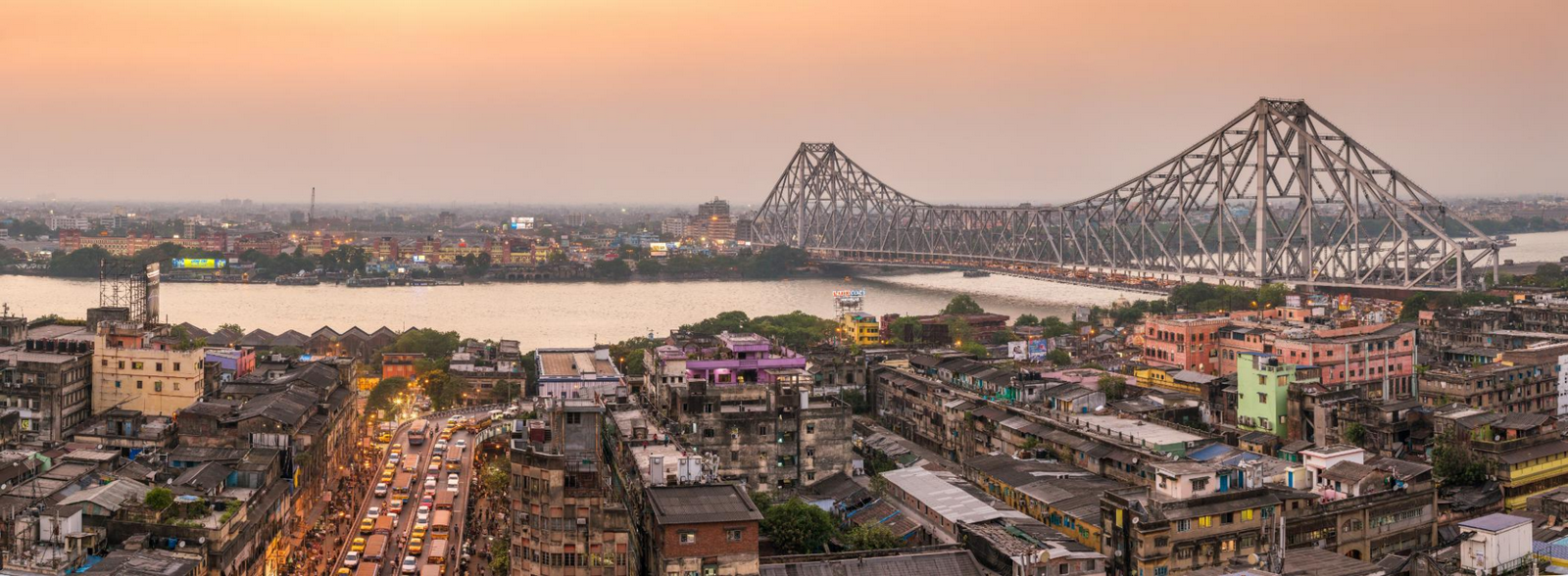
Additionally, the existence of a construction-based economy guarantees a continuous presence of mechanical noise without any limitation on working hours. Finally, culturally speaking, the active use of public address systems along with festive celebrations add yet another layer of complexity, important as they may be from a social standpoint, contribute to the hubbub of the urban areas. With urban environments being designed only from a visual or logistical perspective with hard, shiny surfaces, the planners failed to take into account the way sound travels. This has created a soundscape in which the creation of noise forms an intrinsic part of the urban setting, necessitating a new approach whereby acoustic well-being is viewed as a public need.
Cities from Cool to Congested
Beyond direct noise, environmental impacts within the urban framework have often translated into intensified acoustic conditions linking thermal and sonic discomfort. The evolution of Indian cities from breathable cities to crowded cities can be attributed to the effects of economic liberalization and rising property prices. While the cities grew vertically for greater profits, it meant that all of the green cover, along with water bodies, was destroyed. The absence of such cover has made the environment more prone to an Urban Heat Island Effect- studies from Delhi show a difference of about 4-6°C between green spaces and built-up areas- in which dense concrete structures retain heat, leading to heavy dependence on energy-consuming devices like air conditioning and diesel-powered equipment.
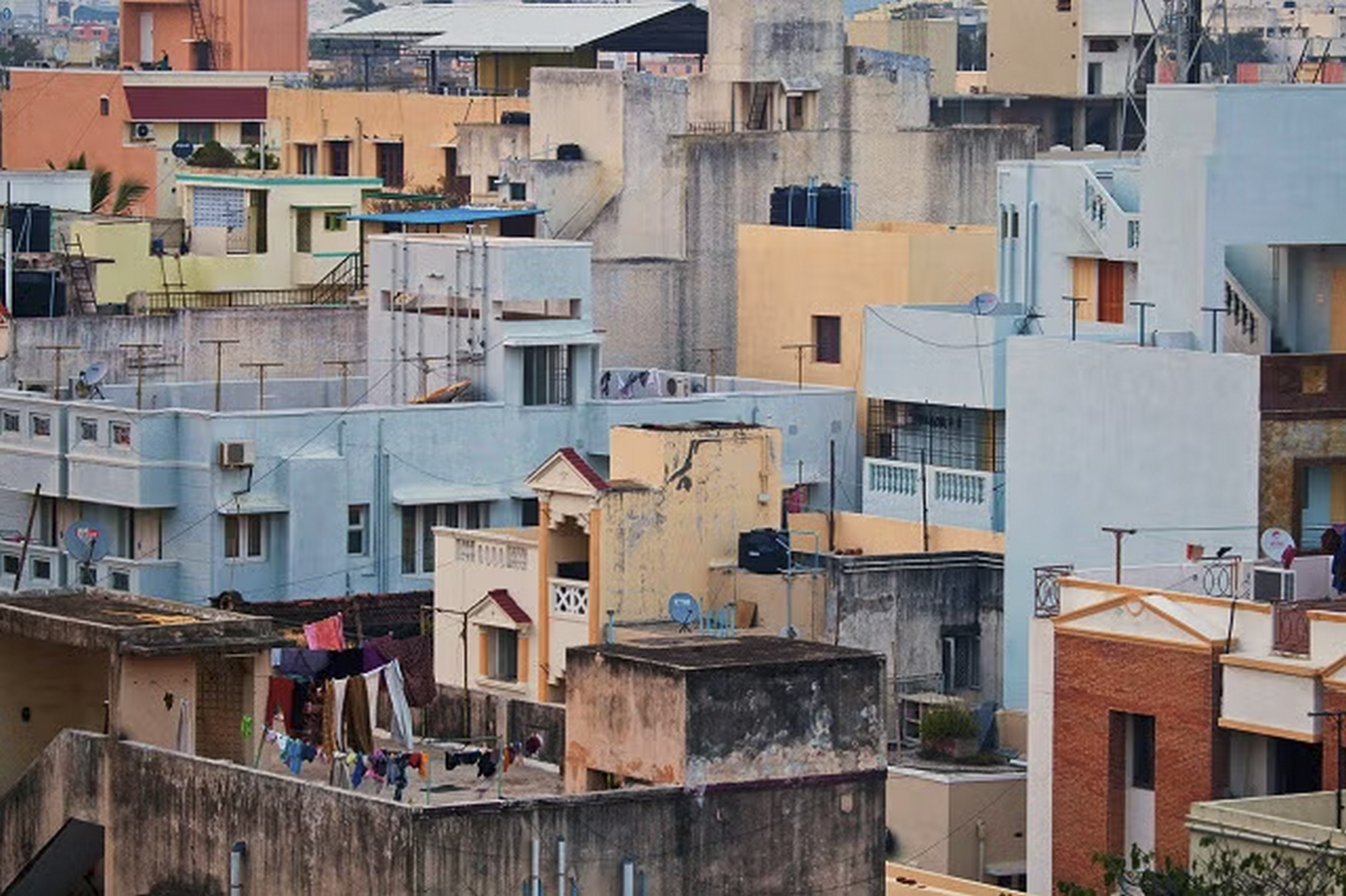
Such changes in the environment have significantly affected the soundscape of the city. With no trees or natural landscape to absorb sound, the sounds tend to reverberate due to their reflective nature. It creates a vicious cycle, as dense urbanization results in more machines, which then generate noise and heat. The current urban environment is considered hostile, with the thermal stress of heat being combined with acoustic chaos. These layered challenges- spatial, environmental and behavioral- give rise to the role of architects and urban designers in rethinking holistically about the urban soundscape.
Role of Architects and Urban Designers
The transformation of our cities can be accomplished through a paradigm shift from simply trying to mitigate noise to creating the soundscape. In terms of the urban realm, sound zoning should become an integral part of the process, where areas designated as quiet zones will be safeguarded by a thick vegetation buffer layer. Not only does the forest offer us the benefit of shade but also serves as a porous screen that deflects and absorbs mid to high frequency sounds. Additionally, traffic calming and pedestrianization helps diminish the loudness of the mechanical engine noise and allows the music of life to come out.
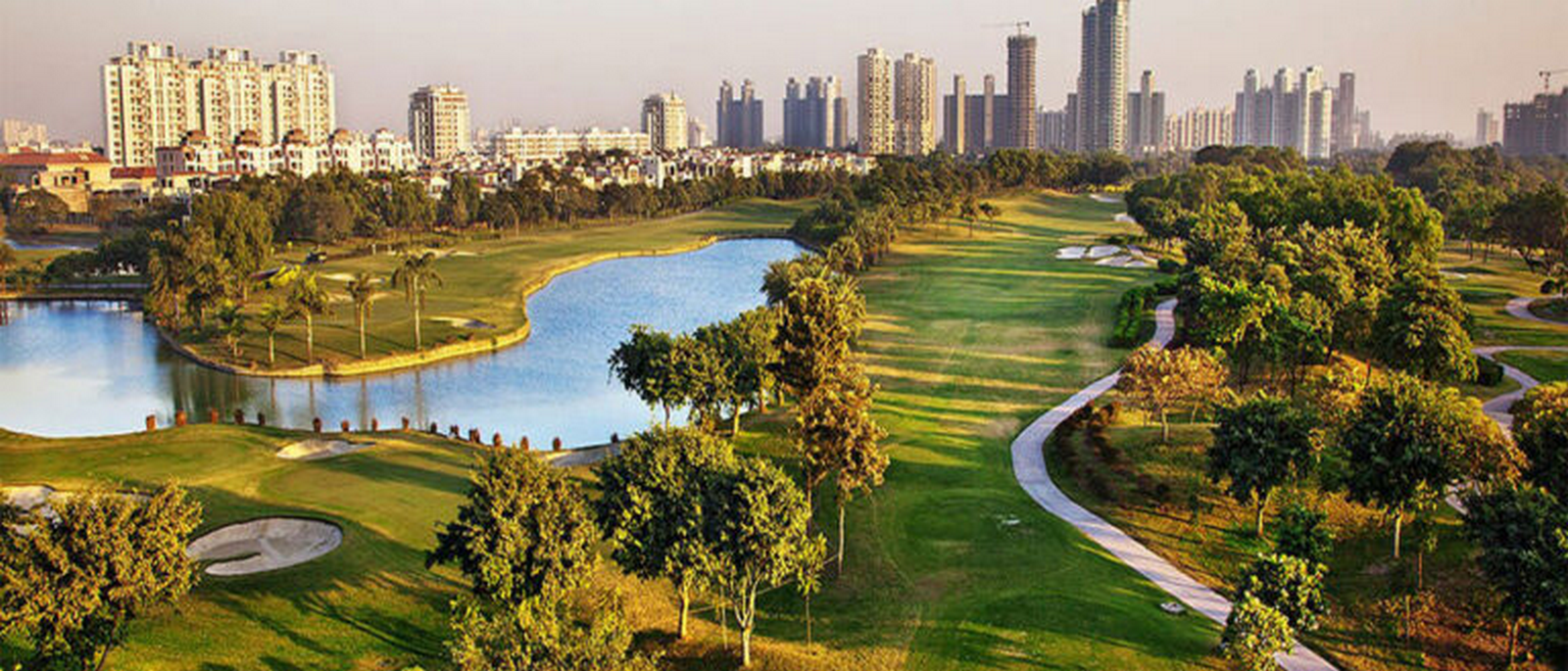
On the architectural side, double-skin and acoustic façades can be incorporated, porous materials taking over reflective glass. Creating a setback and positioning building openings away from major streets and roadways creates immediate zones of relief for pedestrians and residents. From a policy standpoint, making use of innovative smart technologies such as noise mapping technology that is being currently tested in cities like Chennai can help enforce decibel level regulation policies. Pilot initiatives by the Greater Chennai Corporation have mapped urban noise levels to identify high-decibel zones and have started providing regulatory strategies. What needs to happen ultimately, however, is shifting the paradigm from noise mitigation to sound design.
Conclusion- Shifting chaos to calm
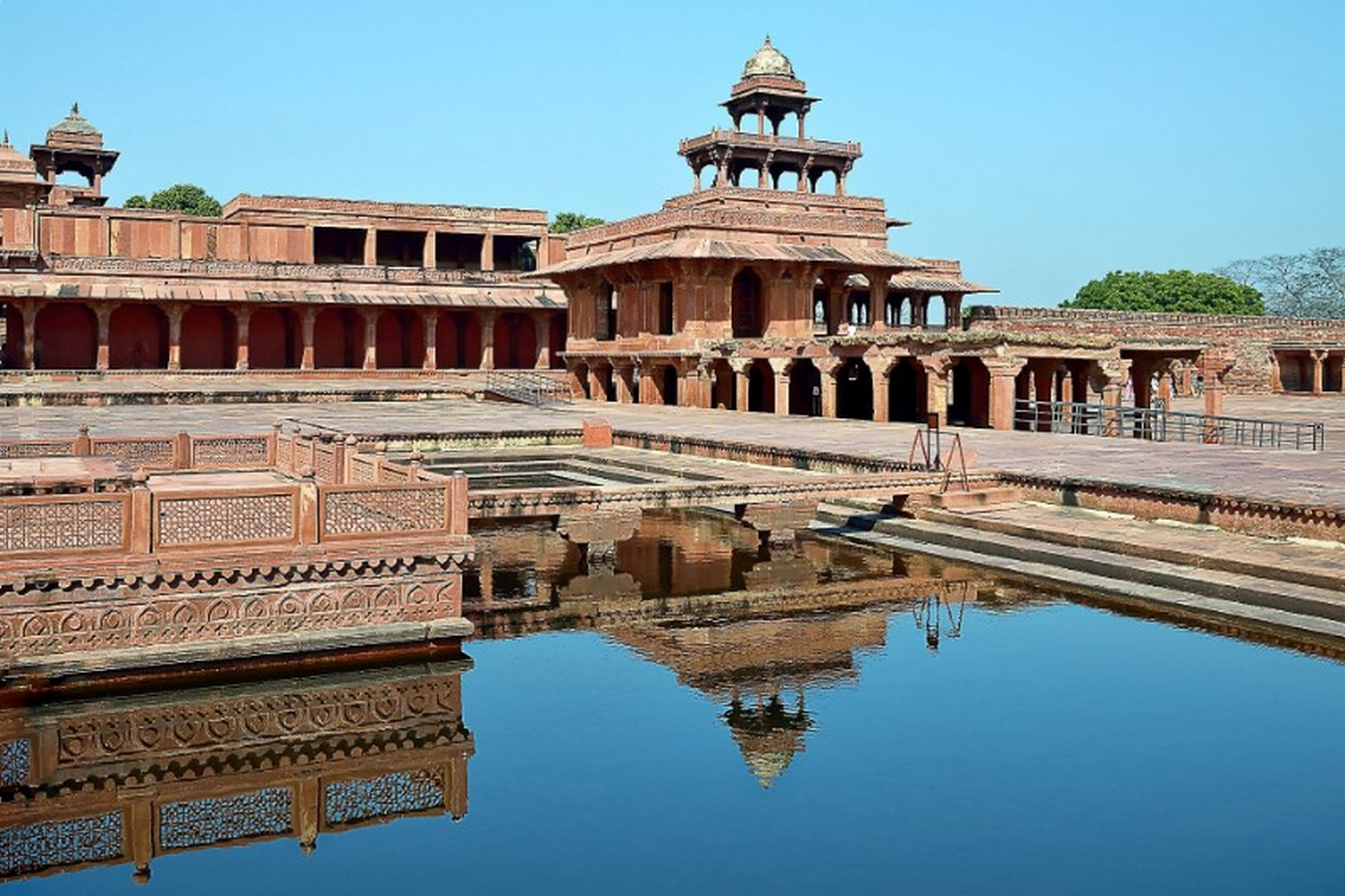
The chaos within modern Indian cities is neither inherent in density nor unavoidable; rather, it is a result of haphazard urbanization and a deliberate indifference to sensory design. The history behind us suggests that we knew the balance that existed among climate, spatiality, and acoustics. The incorporation of acoustic thought in modern architecture, where the emphasis will be on green barriers, permeable materials, and people-oriented zoning, will provide a solution that will address the divide between theory and practice. In the future, urban design must progress towards treating sound as a material resource.
Future urban strategies should go towards moving beyond the standard concept of reducing noise to creating meaningful soundscapes- preserving cultural sounds and minimizing mechanical excess. Sound mapping and better behavior and civic sense from the public are points to start at. Ultimately, calm and legible cities are keys to transforming urban life, where sound is treated as an architectural element rather than a disturbance.
Citations:
- Schafer, R. M. (1994). The Soundscape: Our Sonic Environment and the Tuning of the World. Rochester, VT: Destiny Books.
- Hammer, M. S., Swinburn, T. K., and Neitzel, R. L. (2014). Environmental Noise Pollution in the United States: Developing an Effective Public Health Response. Environmental Health Perspectives, 122 (2), 115-119.
- Kumar, P., and Sharma, A. (2025). Modeling and Mitigation of Urban Noise in Rapidly Developing Economies. Sustainable Earth Reviews, 8 (1), 45-60.
- Department of Science & Technology (2024). Propagation and mitigation model of mixed road traffic noise for planning mid-sized Indian cities. [online]. Available at: https://www.indiascienceandtechnology.gov.in/research/propagation-and-mitigation-model-mixed-road-traffic-noise-planning-mid-sized-indian-cities [Accessed date: 10/04/2026]
- Nature (2026). The growing threat of urban “soundscapes” on public health. [online]. (Last updated: 15 February 2026). Available at: https://www.nature.com/articles/d44151-026-00012-0 [Accessed date: 10/04/2026]
- Shiksha Sustainability (2025). Urban Noise Pollution in India: An Ecological Economics Perspective. [online]. Available at: https://sustainability.shiksha/ecological-economics/urban-noise-pollution-india [Accessed date: 10/04/2026]
- The Times of India (2024). IIT-M to develop tech to reduce noise pollution in Chennai. [online]. (Last updated: 12 March 2024). Available at: https://timesofindia.indiatimes.com/city/chennai/iit-m-to-develop-tech-to-reduce-noise-pollution-in-chennai/articleshow/130026028.cms [Accessed date: 10/04/2026]
- Vox (2021). Is city noise making us sick? [YouTube Video]. Available at: https://www.youtube.com/watch?v=qryWWGP0kKs [Accessed date: 11/04/2026].
©Housing.com 
©Substack 
©Getty Images 
©Magicbricks 
©Vinoth Chandar 
©BHT Group 
©Essential Home