Initiation
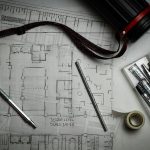
As a child oblivious to architecture, I found a connection with the sorcery of creation. Creating anything that the mind whips, using pencils of different gradients, sheets of diverse sizes, and an immense amount of paint and crayons. From drawing to making inaccurate models of an imaginative amusement park whose functionality only I could decipher, this was the way in which I whiled away my free time and sometimes even the obliged. As in every ordinary household, education was upheld to the utmost importance, making it imperative that I attend private classes after school through the week. It was in this learning chamber that I was presented with what an Architect was and performed in society. As a pre-teen at the time, all I understood was that Architects designed and built “houses”; the profession enabled two-dimensional shapes on sheets to be transformed and solidified in seconds by human touch. Making art the source of my livelihood is what I contemplated while deciding this to be it, my future, my career.

Execution
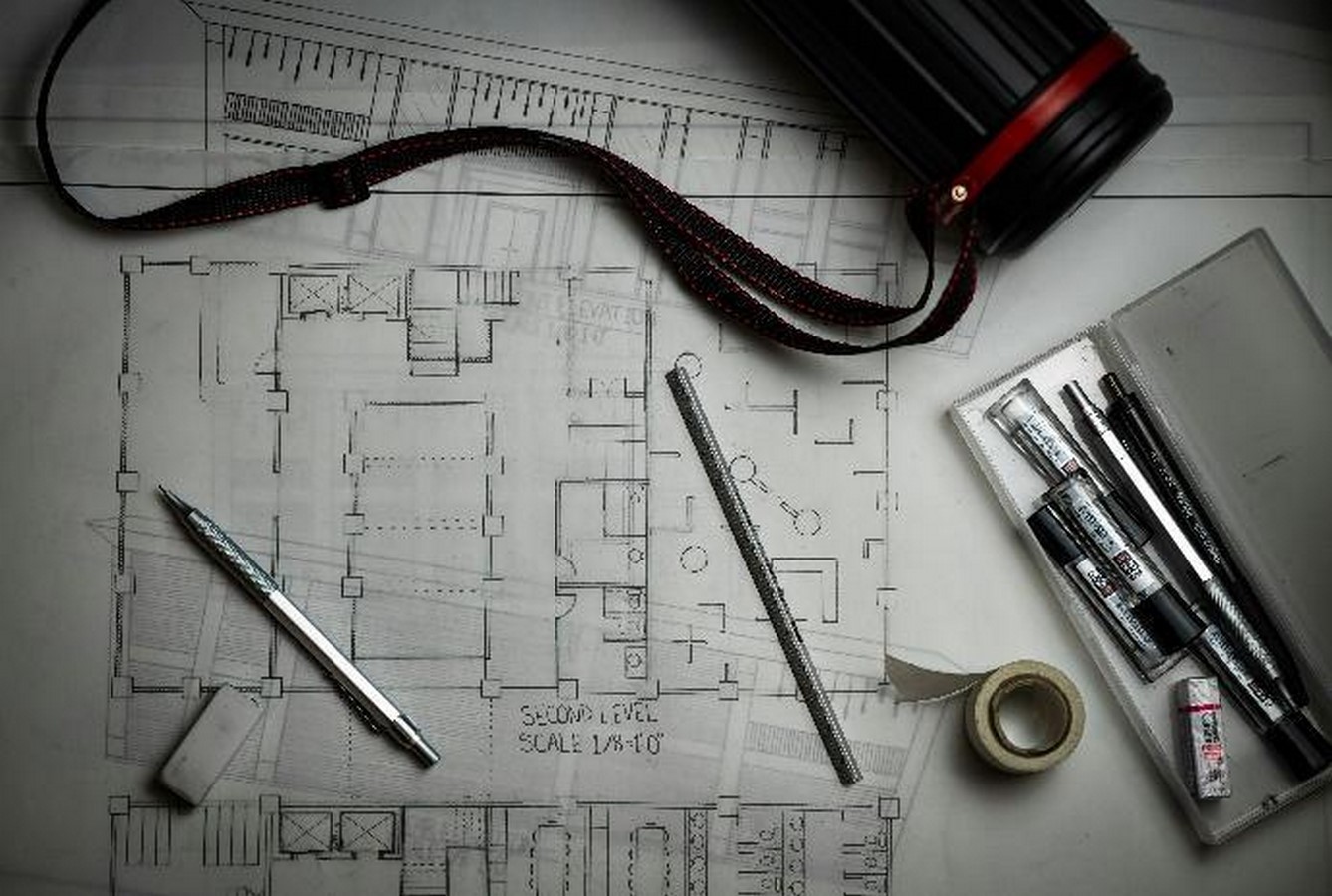
Years later, after securing a seat at an Architectural school, the outlook I had as a pre-teen vanished like the reflection in the ripples on water. Being creative or artistic wasn’t the only necessity for one to be a part of this learning hub. Much was needed: a sense of perfection, the thirst for information, and the strength to compete with peers, along with which one had to master the skill of time management. This was critical due to the multitude of assignments that came our way. The first year at school entailed shaping our skills with art, presentation, and model-making of various forms. From making models of a dodecahedron for the understanding of three-dimensional forms to making clay models of our choice to understand the effort that went into making art come alive. A nightmare of a thing, but one which brought out the dedication within- drafting sheets, sheets that took from sunrise to sunset to look presentable, accompanied by the smudging and back aches that still live with us.
The Fusion
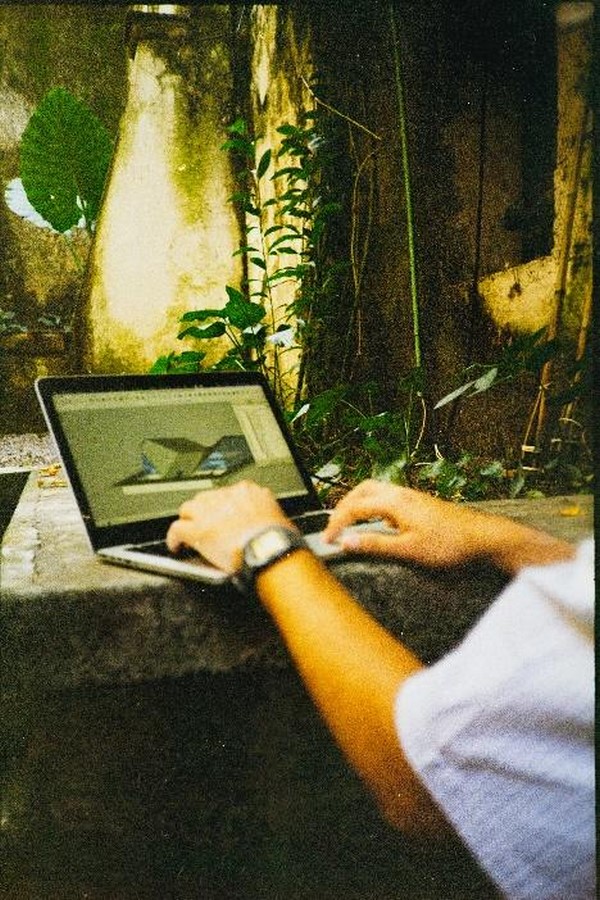
Second year emerged with a lens of clarity, designs needed to be backed up by their physical and digital 3d’s, and so started the grilling sessions of developing fluency across an assortment of building software – AutoCAD, SketchUp, 3ds Max, Revit, and Rhino. Those were some intense sessions that will never be forgotten for the stress they induced in the minds of those who hadn’t expected such an overwhelming pace. With similar ferocity came the shift in the ideation of concepts for designs – site context, the sun path, climate, functional layouts, budgets, materials, and about a million sketches and theories to prove why our design solutions were better than the ones expected by our professors.
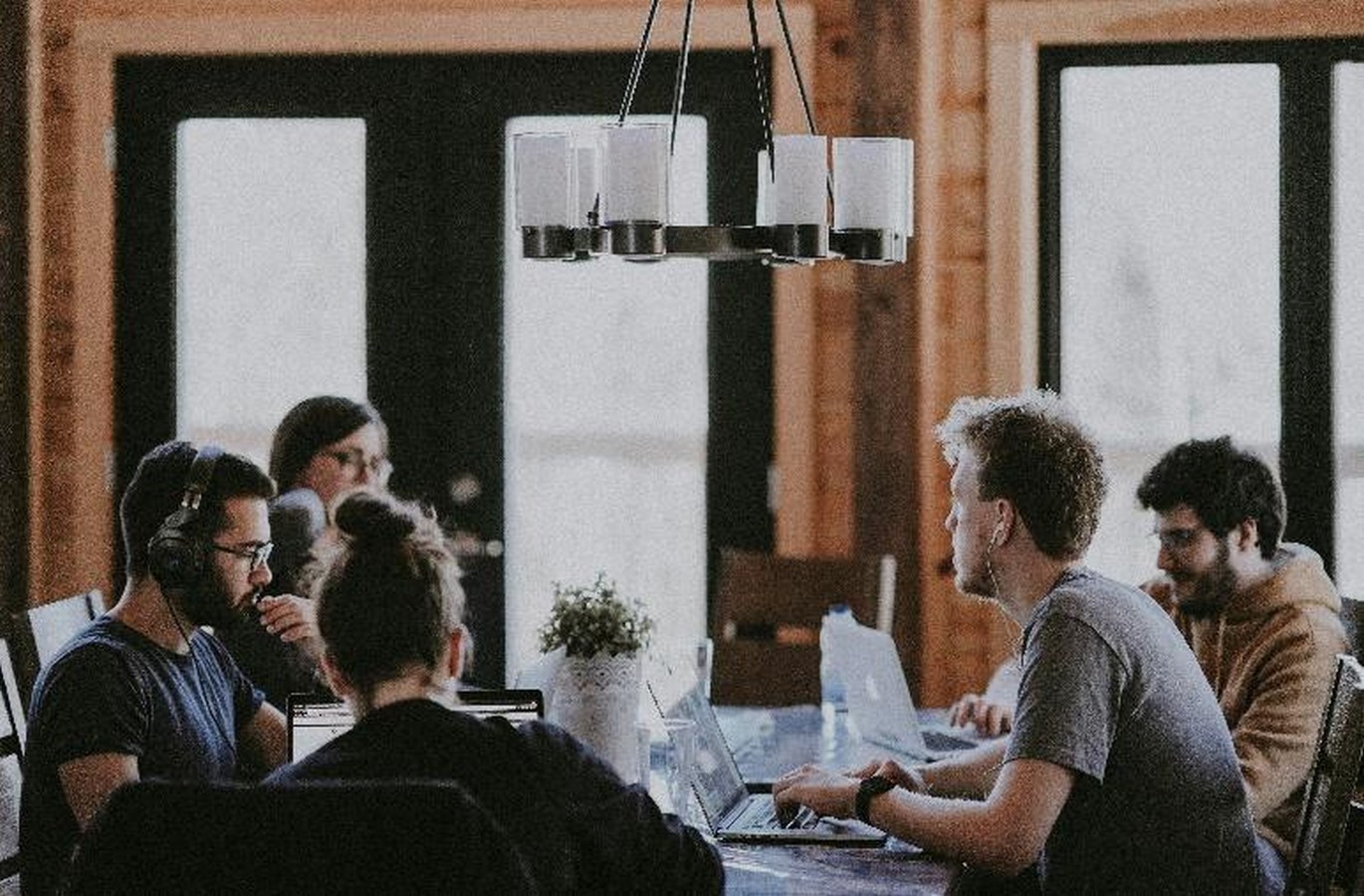
Another testing skill that was bestowed on us was the challenge of operating in teams. Creativity comes in bursts and is quite uncontrollable every so often. Combine that with four others with similar outbursts and no common ground, and you feel nothing less than a council. Personally, group projects did bring about many conflicts among us friends and changed the dynamic for a long time. Through constant group consignments semester after semester, we realized the art of working as a co-dependent system, like that of Lichens with a symbiotic relationship. This practice made it obvious that in architecture, one couldn’t simply work in a single unit, but as a system. Designing is the main forte of an architect, but so are clear communication and management skills.
Reflection
As we progressed to the senior years, the process of design took a rather definitive path. We each were able to understand our design ideologies and could identify our strengths, be it conceptualization, planning, or visualization. By then, architecture wasn’t just a profession that enabled us to turn our sketches into reality; it was much deeper, like the roots of a banyan tree. This realization held a perpetual place in our minds during the mandatory internship period. From working for hours, facing the desktop, trying to construct proposals to help a family’s dream of a house come to pass, to outlining tiny spaces like an Anganwadi to facilitate early childhood care in a rural region. Each space was unique in its use and size, but both of them required the same amount of research and dedication in design. This rollercoaster of a ride also led to a journey of understanding ourselves, recognizing what we wanted for the people and the society, what we wanted our designs to express – a story, a secret, love, grief, anger, and every other emotion one could fathom. The training period further contributed to grasping the significance of forming a constant and respectful relationship with the clients and the site workforce throughout the design process, as all is connected like the nervous system in the world of architecture. It was truly a group assignment; the function of every project that we take up could be reduced to carbon bonds, covalent in nature.

On a retrospective note, the journey has been consuming and strenuous, but the knowledge gained has been rewarding. Every sleepless night has been linked to a design with a sincere intent and a jury that has been unsurprisingly intimidating, but at the same time deeply fulfilling. Architecture is infinitesimal in nature, and one cannot simply gulp it all; it needs time to sink in, like in the curing of concrete, to strengthen, stabilize, and maintain durability.