Between destruction and innovation
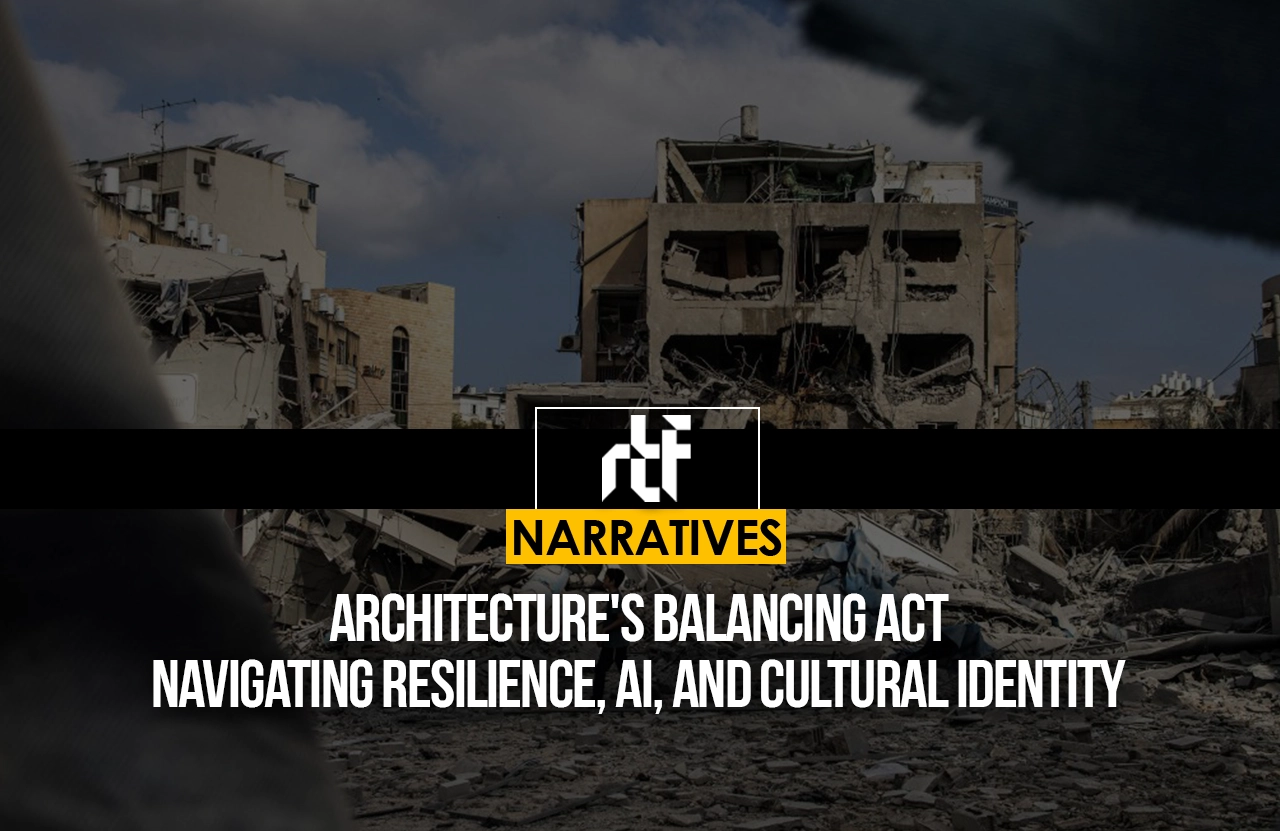
The world today is going through a paradigm shift; one part of the world is facing major destruction, while the other part of the world is engrossed in technological advancement. This contrast is affecting built environment infrastructure resources, eventually affecting human needs and the standard of living. In this contrasting scenario, architecture as a field has to go beyond its conventional role, a response to conflict and environmental crisis, human requirements of shelter are immediate. So this raises an important question: will resilient structure only be the ultimate solution, or will conventional structural systems that are evolving through technological advancement define future architecture?
A shift toward resilience and reuse
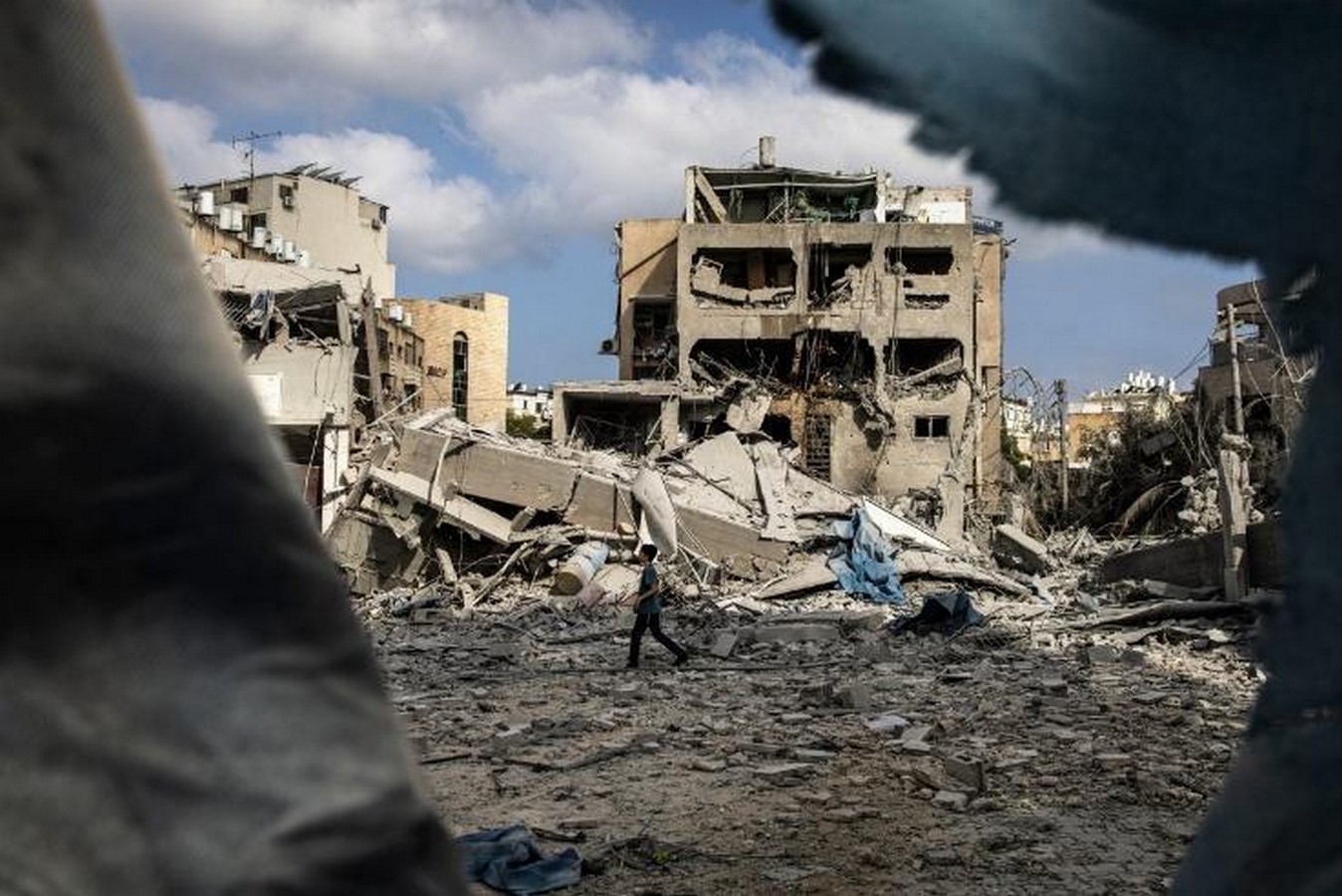
In the current conflict times, there is a need to rethink resilient structure as a system. Lightweight structure, easy to install by a layman, rapid construction that is adaptable to a changing environment. It’s also necessary to study the materials that are easily available in a distressed location, ensuring quick and efficient construction. The study of resilient structure should not be limited only to easy adaptability, but also the mode of transportation and the possibility of installation by laymen should also be considered. Advancements in resilient structures should focus more on simplicity, accessibility, and efficiency, enabling all in the design process, in case any situation like a crisis arises in the near future. The advancement in resilient design will not only be beneficial in a war crisis but can also be fruitful in any environmental challenge situation that arises.
AI-Driven Architecture and the Risk of Standardization
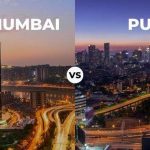
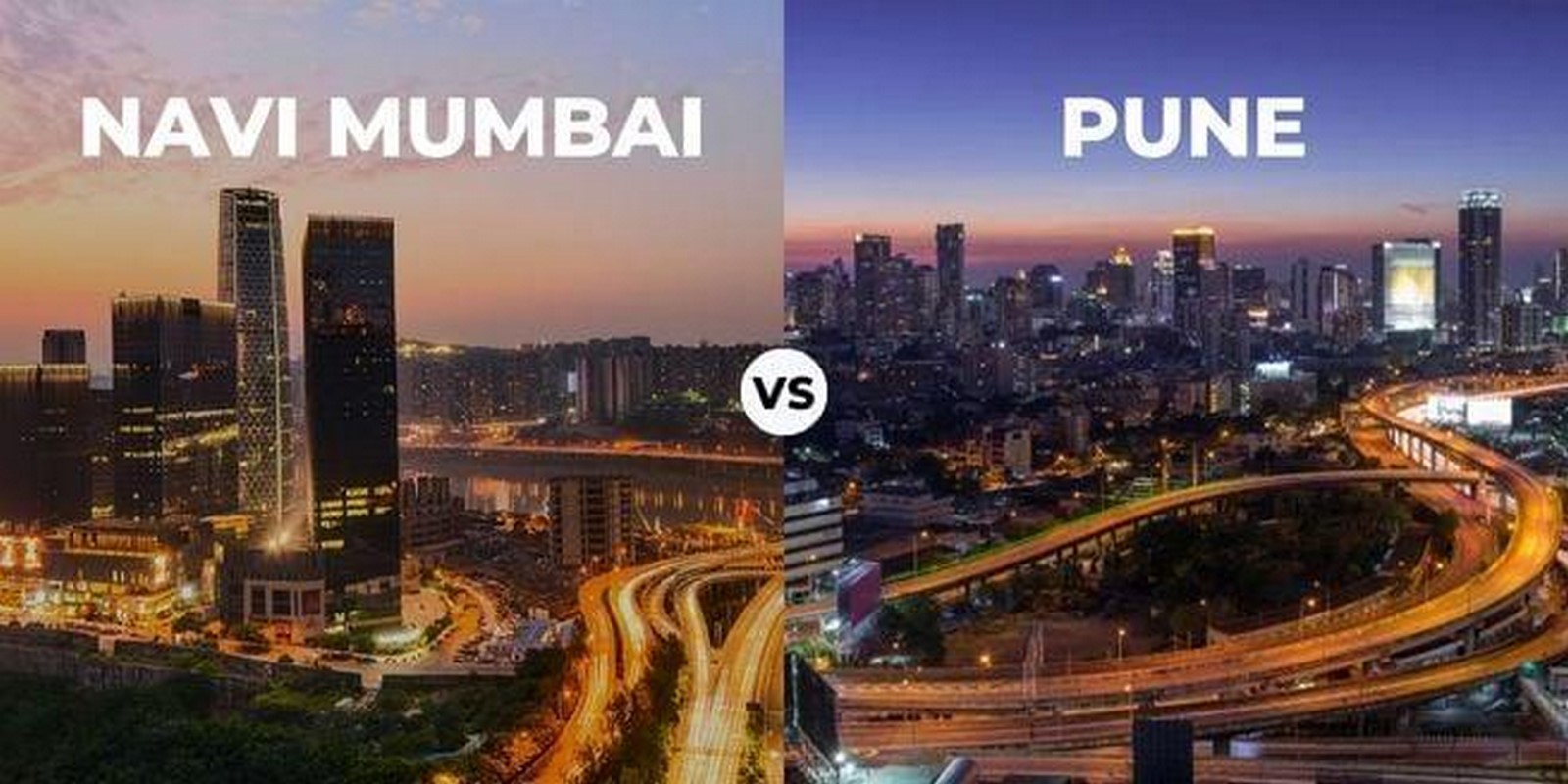
In the growing era of AI, BIM parametric design is transforming the design industry. These advancements in technology are helping in rapid construction, optimized structural performance, and highly climate responsiveness. Innovation in energy-efficient building systems and green building is progressing toward a better future. This growing dependency on technology and artificial intelligence raises concerns regarding standardization. The architecture is already at risk of losing local and cultural identity; the cultural site-specific context reflected through a language is slowly standardized, urbanization, high rise concrete buildings give the same character to each city. In the advancement and development of metropolitan cities like Pune, Mumbai, and Delhi, all cities with different geographical context climatic zones still look and give the same essence. The homogeneity in architectural language is seen as we grow. The main reason is all cities depict a similar form and structure the material use and structural system is also standardized. So in the future, will the essence that cities use to depict early times be lost forever? The cultural expression of place through structure will be lost, and all the structures will look the same, even all cities will be the same. Local material crafts will be lost forever? The uniformity can be mundane and indistinguishable; this standardization should stop at its early and the growth of urbanization should be blessed with diversification.
Sustainable growth
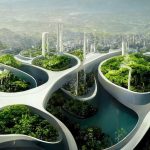
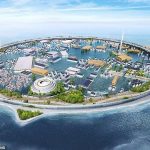
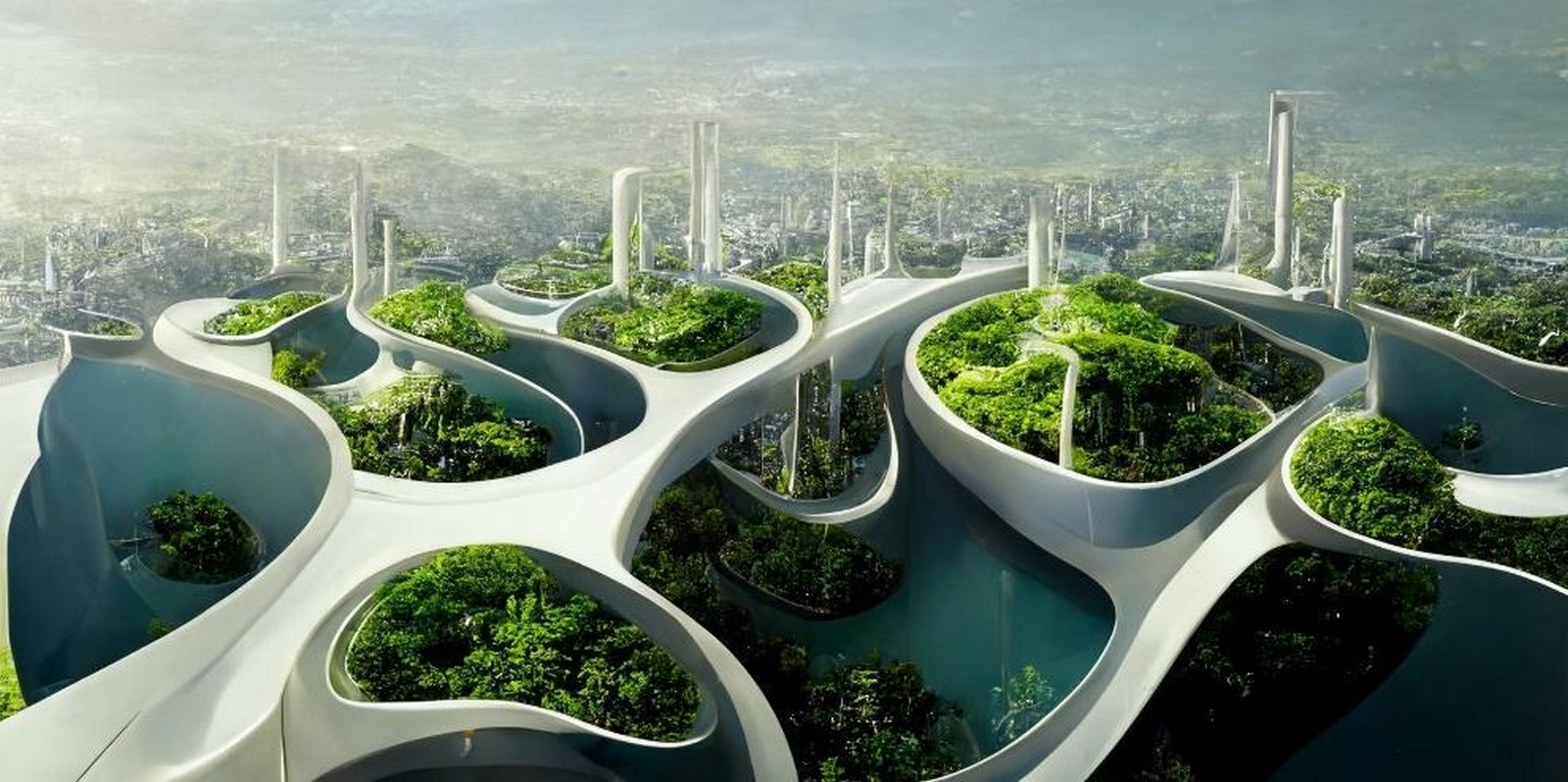
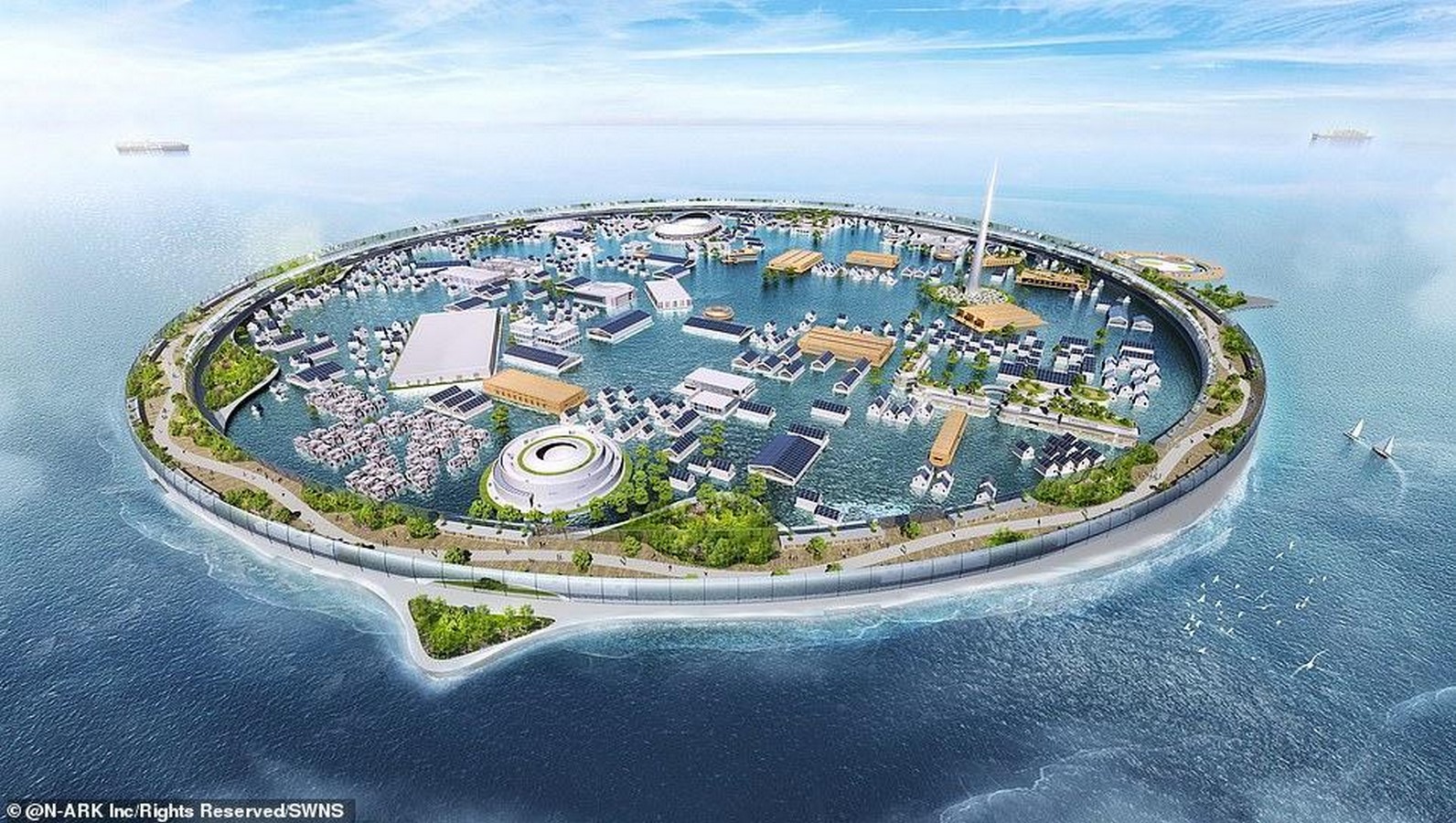
Do all these advancements and innovations really lead us to a sustainable future? It’s a question that keeps coming back to me again and again. The rapid growth of urbanization and advancement in AI, robotics in architecture, gives probability anything is possible in the near future. Man has already landed on the moon, many designers are already studying ways to build in zero gravity, and settlements on Mars are being designed. The thought of having settlements on land, water, and maybe beyond Earth using hi-tech machine robots sounds interesting and feels most unreal at times, but raises a concern about what we are doing to our Mother Earth. Will the need to build human settlements in space or any other planet be the choice as an advancement, or will it be a forced consequence on us? The current condition has already created pressure on existing resources and the ecosystem. The way we are growing doesn’t seem sustainable enough. So this makes me wonder, will we all be pushed to find new resources and new places to live and meet our needs? Or we should now take steps to protect what we have, save it from slipping away. Its high time
Balancing Innovation and Identity
The future of architecture will not be determined by choosing one path, we need to find balance between them. Adaptability to world crises and environmental conditions is vital and architecture as a whole plays a major role in shaping the future. The cities will continue to adapt themselves to meet the increasing needs to adapt to changing conditions and embrace technology. While dealing with the coming crisis high tech evolution should not stop and definitely it will not but as a human we should stick to our roots our cultural identity that narrates a story embraces past and that already has a major connection to climate. The future cities should not be idealized to be uniformed, Tradition culture should be celebrated. Ultimately, the only growth that endures over time is sustainable growth. Architecture will continue to evolve as a reflection of society capturing storied innovation and coexistence between all factors.
References-
- destruction in war times available at-
https://cdn.punchng.com/wp-content/uploads/2025/06/16085402/AFP__20250616__62HC9Y4__v2__Preview__TopshotIsraelIranConflict.jpg
- example of standardization( ai in architecture and risk of standardization
https://revaahomes.com/wp-content/uploads/2025/06/Navi-Mumbai-vs-Pune-NRI-Investment.jpg
- Sustainable growth
https://static.designboom.com/wp-content/uploads/2022/08/ai-futuristic-sustainable-city-air-purifying-biophilic-skyscrapers-manas-bhatia-designboom-5.jpg
- Settlement on water
https://i.dailymail.co.uk/1s/2023/06/13/13/72074207-12189169-N_Ark_s_development_roadmap_currently_earmarks_the_year_2030_for-a-21_1686659125706.jpg
. (Wise, n.d.)
(Williams, 2022 (Published on 11 August 2022))