Before an architect draws the first line, selects a material palette, or tests a formal strategy, there is a quieter phase that often determines the intelligence of everything that follows: research. Architecture does not begin with form alone. It begins with context, precedent, climate, regulations, culture, technical constraints, and the gradual formation of a design position. The early design phase has always been a space of inquiry. What is changing now is the scale, speed, and density of that inquiry.
Today, even relatively modest projects demand an awareness of far more variables than they did a decade ago. Designers are expected to move between site readings, policy documents, performance requirements, historical references, stakeholder expectations, and visual communication with increasing fluency. At the same time, access to information has expanded dramatically. The problem is no longer that architects cannot find enough material. It is that they must work through too much of it, too quickly, and still produce a clear conceptual direction.
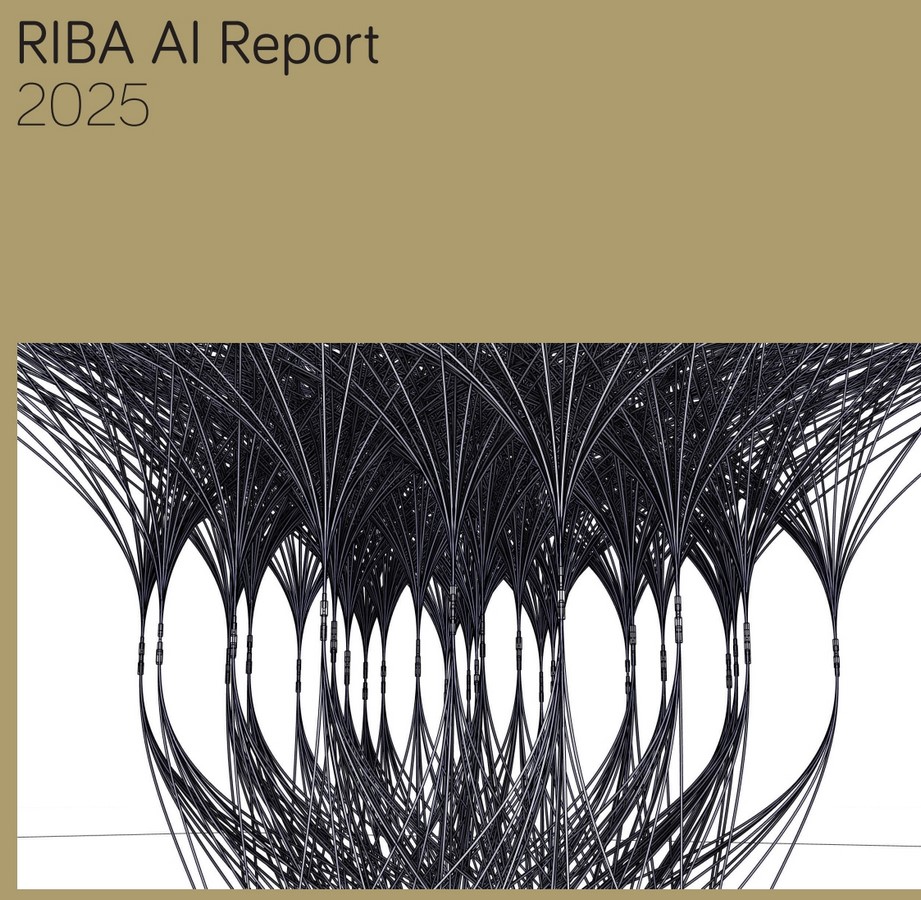
Artificial intelligence is entering practice at precisely this point of pressure. The public conversation around AI in architecture still tends to focus on image generation and speculative visuals, but the more significant shift may be happening earlier, in the phase where architects are trying to understand rather than simply produce. In the UK, RIBA’s 2025 AI report found that 59% of architecture practices are now using AI, up from 41% in 2024, suggesting that AI is no longer peripheral to the profession’s workflows.
 That shift matters because the first phase of design is no longer just about collecting inspiration. It is increasingly about structuring intelligence. Early design research is becoming less about hunting for references and more about synthesizing information into a conceptual framework. AI, when used well, is beginning to support that transition.
Architecture Has Always Begun with Research
Architectural culture often celebrates the sketch, the concept diagram, or the decisive formal move. Yet long before these visible outputs appear, the project is already being shaped by research. Architects study precedent not only to borrow images, but to understand spatial logic, tectonic strategies, material choices, environmental responses, and the relationship between building type and context. They examine site conditions, planning frameworks, movement patterns, and local histories. They read technical guidance, compare building systems, and test how cultural narratives might inform contemporary design.
In that sense, research has never been separate from design thinking. It has always been one of its foundations. The strongest early concepts do not emerge from intuition alone. They emerge when intuition is sharpened by a deep enough understanding of what the project is responding to.
What has changed is that the research load has intensified. Early design today is increasingly expected to anticipate later performance questions. A concept may need to demonstrate environmental awareness, spatial adaptability, and social relevance almost immediately. That places new weight on the architect’s ability to move from broad inquiry to meaningful synthesis without losing nuance along the way.
The Problem with Fragmented Research Workflows
For many practices, the research process is still highly fragmented. A designer may read a zoning document in one tab, review site photographs in another, search for precedents elsewhere, skim a PDF report in a separate window, and store notes in yet another application. Important insights often survive only as scattered screenshots, highlighted excerpts, saved links, and vague memories of where something useful was found.
This fragmentation creates more than inconvenience. It slows down conceptual thinking. When information is distributed across too many formats and platforms, architects spend a disproportionate amount of time locating, sorting, and re-locating material. The transition from gathering information to interpreting it becomes cumbersome. Valuable connections are delayed or lost altogether.
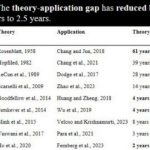
That inefficiency is no longer a minor inconvenience; it is becoming a strategic problem. A 2025 systematic review in Automation in Construction, based on 161 journal papers published between 2014 and 2024, found that 68.94% of generative AI applications in architectural design are concentrated in the schematic design phase. The study also notes a sharp rise in adoption since 2021 and describes a narrowing of the gap between theory and practice from 62 years to 2.5 years. In other words, the profession’s use of AI is clustering precisely where early-stage exploration, interpretation, and option-testing matter most.
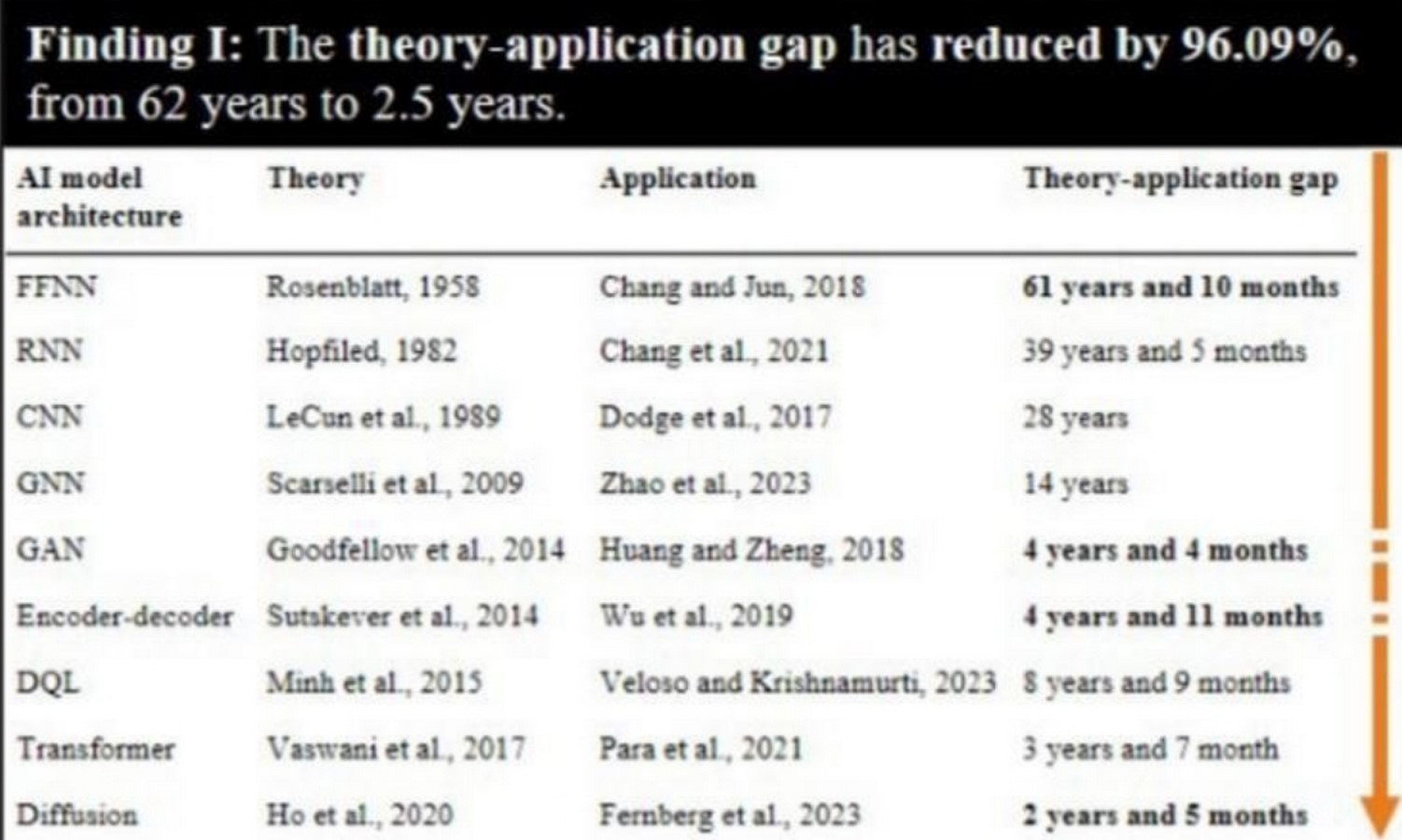 This concentration in the early phase is revealing. It suggests that architecture is not embracing AI primarily because machines can “design buildings” on their own, but because the beginning of a project has become too information-heavy to rely on conventional research habits alone. The issue is less about replacing creativity than about managing complexity before creativity can be directed with confidence.
From Search to Synthesis: What AI Changes
The real value of AI in early design research is not that it searches faster. Search has been fast for years. Its value lies in helping architects move from search to synthesis. That means summarizing documents, comparing references, identifying patterns across sources, extracting key points from technical material, and enabling quicker shifts between text-based and image-based inquiry.
This is a subtle but important distinction. Traditional digital research tools help users find things. AI-assisted workflows increasingly help them interpret what they have found. In early design, that difference is crucial. A project rarely suffers because a studio cannot access enough information. It suffers because the information remains disconnected, unprioritized, or insufficiently translated into design intent.
Recent industry evidence points in the same direction. Autodesk noted that 44% of AECO professionals identified improving productivity as a top use case for AI, and its 2025 design-and-make analysis emphasized that connected workflows and better data management are essential to meaningful productivity gains. The implication is clear: AI’s practical value is strongest when it reduces friction between information, coordination, and decision-making rather than when it merely generates outputs in isolation.
This matters especially in architecture, where the early phase is rarely linear. Designers move back and forth between site, precedent, brief, atmosphere, and performance logic. AI can support that fluidity by acting as a layer of interpretation across different forms of material. A PDF is no longer just something to read manually from beginning to end. An image board is no longer only visual inspiration detached from explanation. A body of research can begin to function more like an active field of inquiry than an archive of disconnected references.
Why This Matters in the Early Design Phase
The early design phase is where the project’s intellectual DNA is established. Decisions made here shape the narrative, the formal direction, the choice of references, and the criteria by which later iterations are judged. If this phase is rushed or poorly structured, the project often spends the rest of its timeline compensating for conceptual vagueness.
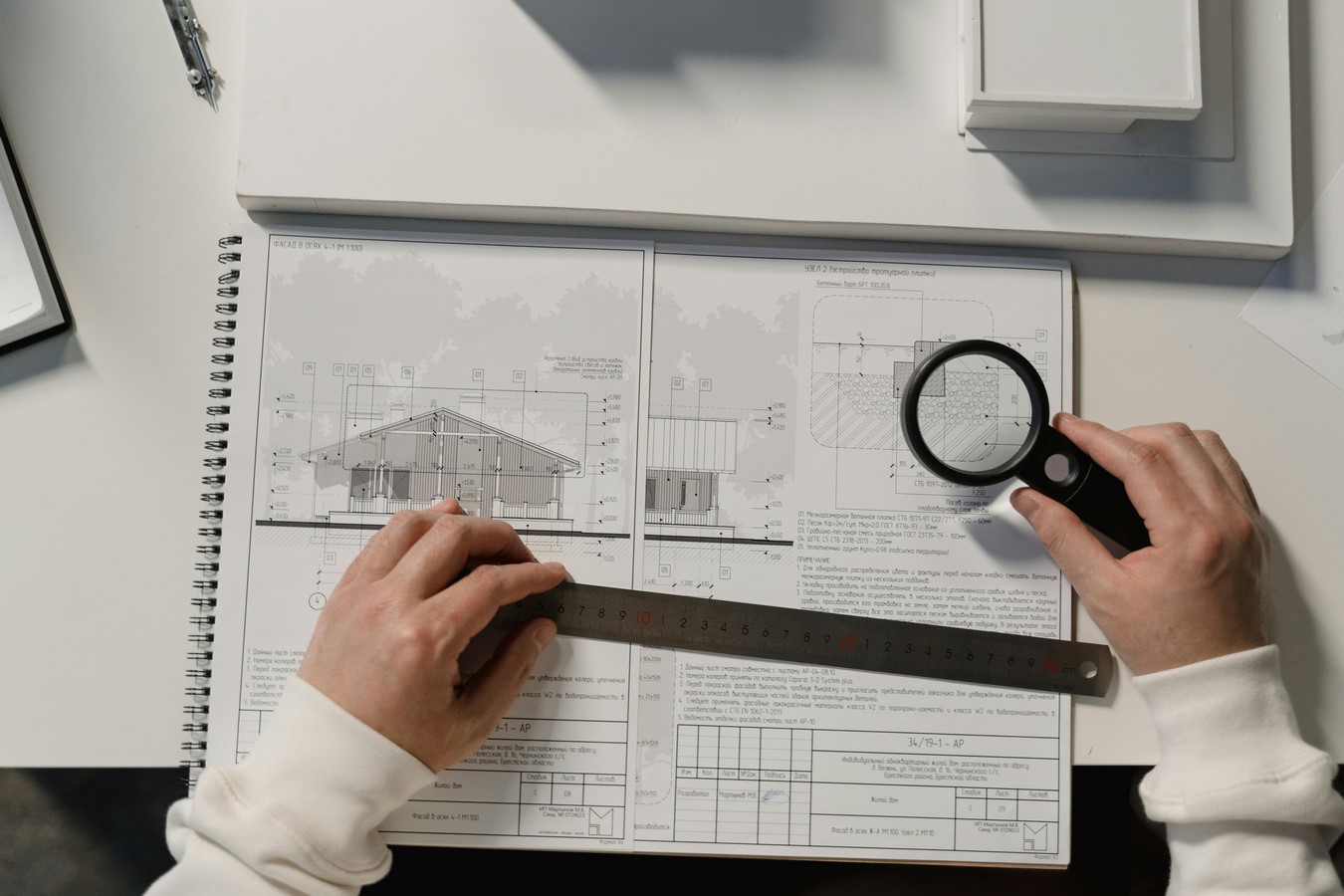 AI has the potential to improve this stage in several ways. First, it can accelerate conceptual clarity. When documents can be navigated more efficiently and references can be compared more intelligently, the design team can identify promising directions sooner. Second, it can widen the range of precedent analysis. Instead of relying only on the most visually memorable examples, architects can work across broader and more layered bodies of material. Third, it can strengthen design narratives by helping teams connect contextual evidence to formal intent more coherently.
This is not simply a matter of speed for its own sake. In the built environment, faster understanding can create more time for thoughtful iteration. NBS’s 2025 Digital Construction Report found that more than two in five professionals have now integrated AI into their daily work, and among architects, engineers, and specifiers the most common uses include searching for technical information, drafting and reviewing text, and analysing project data. These are not fringe or experimental tasks. They are precisely the kinds of activities that sit near the beginning of design thinking and shape how projects are framed.
Seen this way, AI begins to affect architecture before any generated image appears on screen. It changes how quickly a team can orient itself within a problem, how effectively it can compare evidence, and how confidently it can translate raw information into a design hypothesis.
The Rise of All-in-One Research Assistants
One reason AI is becoming more relevant in this phase is that the market is moving toward more integrated tools. For years, research workflows have been fragmented by design: one platform for search, another for documents, another for images, another for notes, and still another for transcription or categorization. But early design does not happen in separate compartments. Architects think across modes at once. They read, look, annotate, compare, and speculate in the same mental movement.
This is why all-in-one AI assistants are beginning to attract attention. Their appeal is not simply convenience. It is continuity. When searching, reading, image exploration, and summarization exist inside a more unified environment, the architect can preserve momentum between discovery and interpretation.
Tools like Seekee illustrate this shift clearly. Seekee positions itself as an “all-around AI assistant” and brings together AI search, PDF handling, AI images, transcription, and photo recognition within a single ecosystem. For the early design phase, that kind of integration is potentially useful because research rarely remains in one format for long. A precedent may begin as an image, expand into a technical PDF, lead to further search, and then return to a visual comparison. An integrated assistant supports that movement more naturally than a stack of disconnected apps.
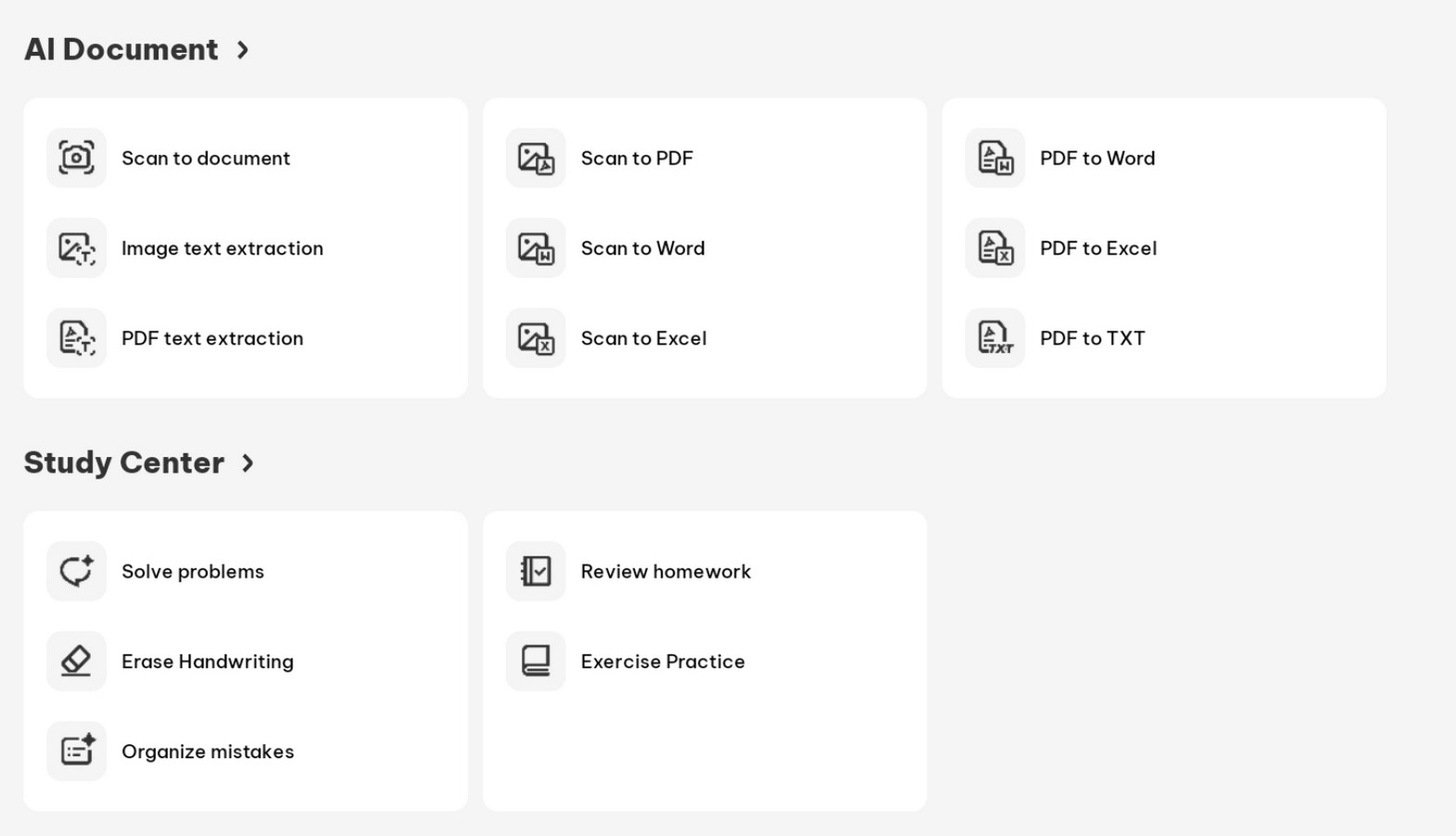 What matters here is not the novelty of any one feature, but the way the workflow begins to change. The architect spends less time switching tools and more time constructing meaning. Research becomes less about collecting fragments and more about maintaining an active thread of interpretation across them.
Why Architects Still Need Judgment, Not Just Speed
Yet the rise of AI-supported research also introduces a serious risk: the confusion of fluency with understanding. An elegant summary can conceal shallow reading. A polished cluster of precedents can disguise weak conceptual grounding. A fast answer can feel persuasive without being architecturally relevant.
This is why the role of judgment becomes more important, not less. AI can help surface patterns, but it cannot decide which patterns deserve trust, which precedents are culturally transferable, or which contextual conditions resist abstraction. It cannot determine whether a project is merely visually coherent or genuinely responsive to its site, users, and social environment.
Professional attitudes toward AI already reflect this tension. RIBA reported in 2025 that while AI adoption is rising sharply, 67% of respondents worry it will increase the risk of work being imitated, and 44% are concerned that it could enable people without sufficient professional knowledge to design buildings. At the same time, only 4% think human creativity will no longer be needed for building design. That combination is revealing: architects increasingly accept AI as part of practice, but they remain cautious about originality, authorship, and the erosion of expertise.
This caution is justified. Architecture is not only a technical or formal exercise. It is also ethical, social, and political. Early design research must still ask who benefits, whose context is being interpreted, what trade-offs are being normalized, and what assumptions are being imported through precedent and data. AI can support those inquiries, but it cannot take responsibility for them. The architect remains the editor of relevance, the curator of evidence, and the author of the project’s position.
Conclusion
The future of early design research is unlikely to be defined by automation alone. It will be defined by a new relationship between human judgment and machine-assisted inquiry. The most promising role for AI in architecture is not to replace the architect’s imagination, but to strengthen the conditions under which imagination becomes informed, critical, and strategically directed.
That is why the shift from reference hunting to research intelligence matters so much. It names a deeper transformation in practice. Early design is no longer just about collecting inspiring examples or assembling enough material to start sketching. It is about turning dispersed information into conceptual structure. It is about seeing connections sooner, asking better questions, and building stronger arguments for why a design should move in one direction rather than another.
If AI tools are used with care, they can help make the first phase of architecture more rigorous without making it less creative. They can shorten the distance between inquiry and insight. They can help smaller teams manage complexity with greater confidence. And they can support a broader shift in design culture, one in which research is no longer treated as preparation for architecture, but as one of architecture’s most important forms of thinking.
The challenge, then, is not whether architects should use AI at the beginning of a project. That question is already being answered in practice. The more important question is how they will use it: to speed up superficial decisions, or to deepen the intelligence of the earliest design moves. The answer to that question will shape not only new workflows, but the quality of architectural thinking itself.