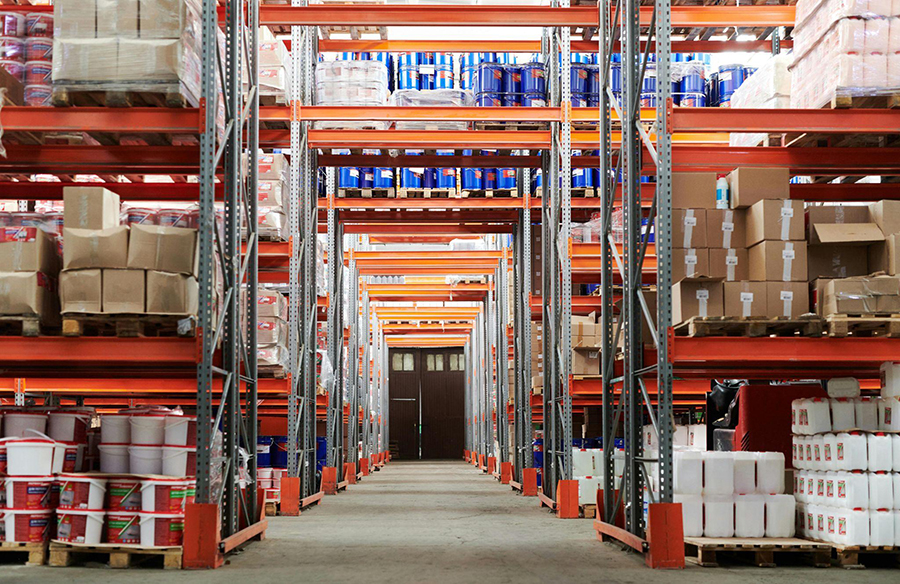
Modern rack systems play a key role in sustainable building practices by improving space efficiency, reducing material waste, and supporting lower energy use over time. Walk into any warehouse or storage space and you’ll see it right away.
Rows of racks. Metal frames. Everything is stacked, organized, and efficient.
What you don’t see is how much those systems actually affect waste, energy use, and how a building runs over time. Storage isn’t just storage anymore.
It Starts with Using Space Better
A lot of sustainability comes down to something simple: how well space is used.
If a facility is wasting vertical space, it usually means more square footage is needed somewhere else. Bigger buildings, more materials, and higher energy use.
Rack systems change that. Working with a provider like Storage Rack makes it easier to design systems that fully use vertical space without expanding the footprint.
They let you build up instead of out. More storage in the same footprint — sometimes a lot more.
It doesn’t sound dramatic. But it adds up fast.
Less Waste Than You’d Expect
Older storage setups tend to be replaced more often. Wood breaks down. Cheaper materials warp or fail.
Modern rack systems are built to last longer. Steel frames and reinforced components are designed to handle weight without constant replacement.
That means less material getting tossed over time.
And when parts do wear out, they’re often replaceable. You don’t have to scrap the whole system just to fix one section.
Flexibility Matters More Than People Think
One of the bigger issues in commercial spaces is how often layouts change.
Inventory shifts. Operations grow. What worked two years ago doesn’t work anymore.
Without flexible storage, that usually means tearing things out and starting over. Modern rack systems are built to adjust.
Sections can be moved. Heights can change. Layouts can be reworked without starting from scratch.
The same kind of flexibility is what makes self-storage for first time renters easier to navigate, since adaptable systems help fit different needs without overcomplicating the setup.
Less demolition. Less waste. Fewer new materials.
Energy Use Gets Pulled Into It Too
Storage affects airflow, lighting, and even how often equipment runs.
When racks are laid out efficiently, it’s easier to design better lighting systems.
Fewer dark zones. Less need for constant full-power lighting. It’s one of those practical storage ideas to free up space while also improving how the entire area functions.
In climate-controlled spaces, better organization can also improve air circulation. That means heating and cooling systems don’t have to work as hard.
It’s not always obvious. But it’s there.
Materials and Manufacturing
There’s also the question of what these systems are made from.
Many modern racks use recycled steel or materials that can be recycled again at the end of their life. That matters in larger builds where material sourcing adds up quickly.
Some manufacturers are also focusing on lower-impact production methods. Less energy during fabrication. Fewer emissions tied to the process.
It’s not perfect across the board. But it’s moving in that direction.
Longevity Over Replacement
A big part of sustainable building isn’t just what you use. It’s how long it lasts.
Rack systems that hold up for years — sometimes decades — reduce the need for constant upgrades and replacements.
That’s less manufacturing. Less shipping. Less disposal.
It’s one of those long-term effects that doesn’t show up immediately but makes a difference over time.
It’s Not Just Warehouses
This isn’t limited to industrial spaces.
Retail backrooms. Commercial kitchens. Even office storage areas use similar systems now.
Anywhere organization affects how space is used, rack design plays a role.
And in buildings aiming for green certifications or lower environmental impact, those details start to matter more.
Small Decisions, Bigger Impact
No single system makes a building sustainable on its own.
But storage is one of those pieces that quietly affects everything else, including space, materials, energy, and waste.
It’s easy to overlook, until you start looking at how much it actually connects to.
Why It’s Part of the Bigger Picture
Sustainability isn’t always about big, visible changes.
Solar panels. Major renovations. New construction.
Sometimes it’s smaller decisions that stick around longer. Rack systems fall into that category.
They don’t stand out. But they support how space functions every day. And over time, that adds up.
Ready to learn more about sustainability? Then explore more practical insights on sustainable building, efficient design, and smarter ways to manage modern spaces.