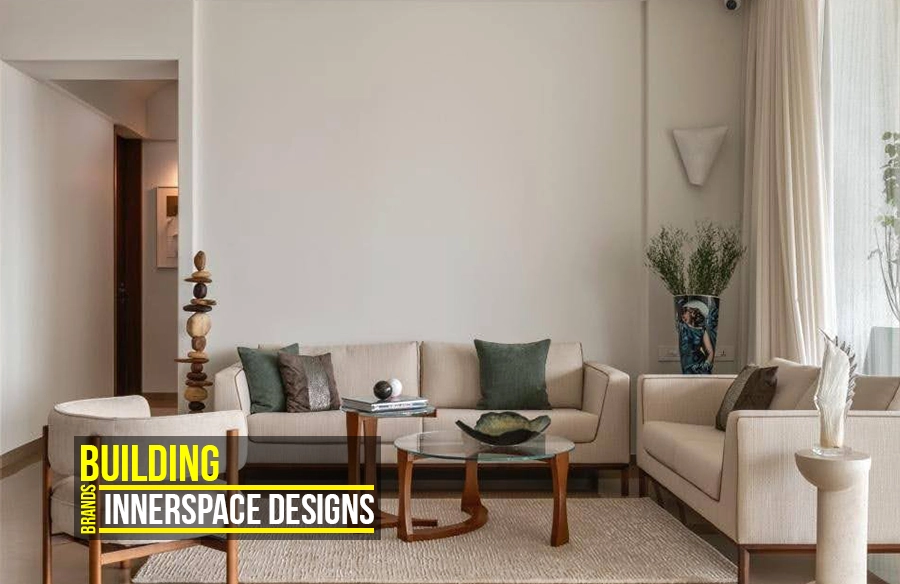
Building brands in today’s growing industry of architecture and interiors is no longer only about creating spaces and structure. They are also about setting a recognizable identity of their own. Architectural studios are increasingly shaping their presence through communicative ideas, values, and visual language. They are not only allowing themselves to stand out in this competitive field but also making it work sustainably and practically. Various firms are working for identifiable and fresh approaches that highlight first, even before their name is mentioned
Innerspace Designs, led by Mumbai-based interior designer Shefali Sanghvi, has quite aligned itself in the field. The firm has spent over two decades building not just beautiful interiors with refined aesthetics and thorough execution, but a quietly powerful brand. We see through the firm’s projects that rather than imposing a visual style onto a room, they listen first to the light, the proportion, and the dwellings that will unfold within those corners. Clarity, restraint, and attention to detail can be seen in every curated space. Rather than relying on overly dramatic elements, the firm focuses on creating spaces that feel minimal, drawn from its energy, its people, and the quiet stories it holds.
The Beginning of the brand
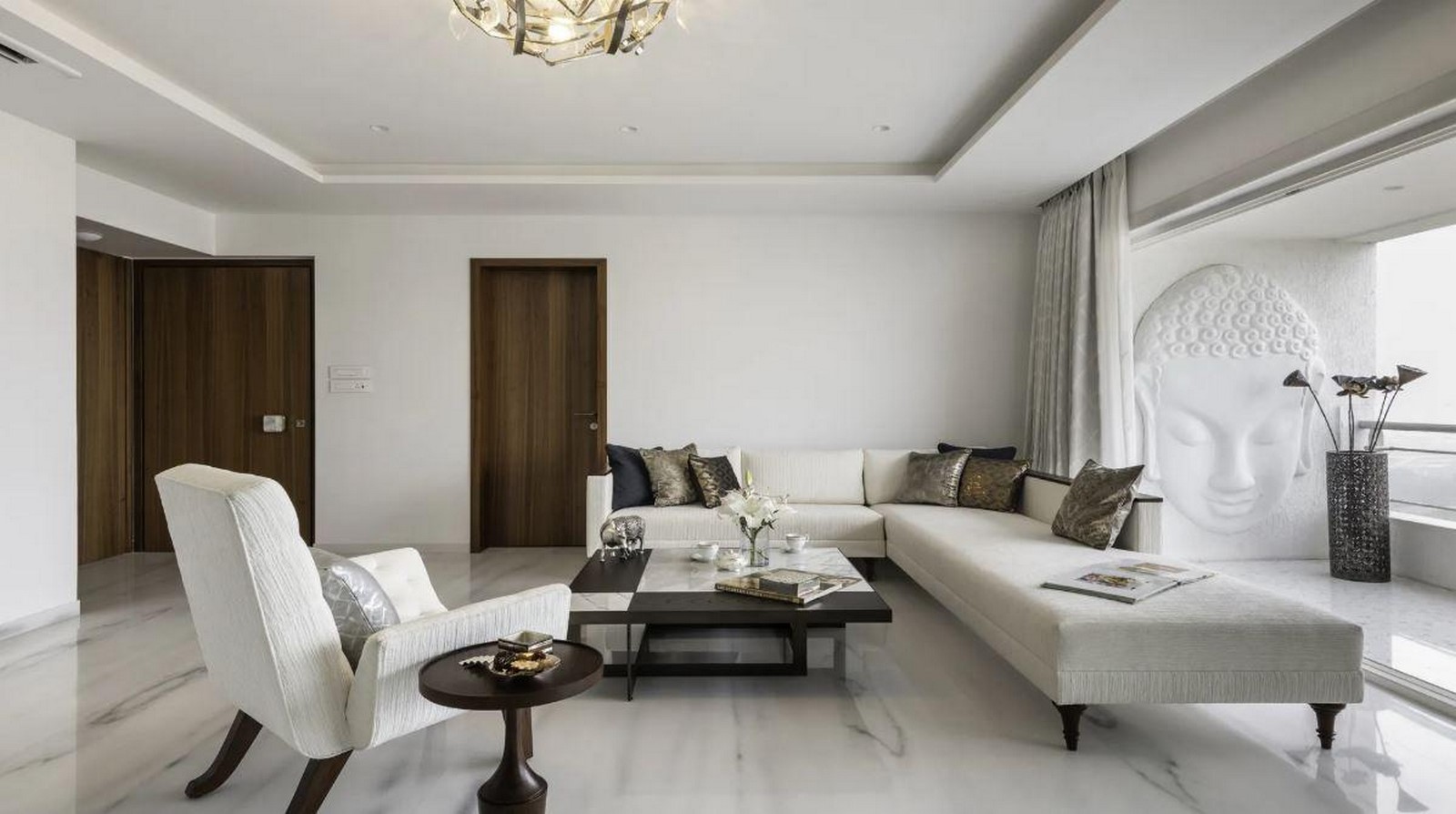
Inner-space Designs was founded with a clear vision of designing space, which can be felt before it is seen. operated since 2017 with a studio situated in the heart of Mumbai, the brand has grown over time with a body of work that speaks and listens with quite an authority, with several positive testimonies, referrals, and repeated clients.
Like many other contemporary design firms, Innerspace Designs appears to have evolved through a gradual process rather than a single defining moment. Instead of experimenting with drastically different styles, the firm maintains a consistent design discipline and language, allowing its identity and integrity to speak volumes over time.
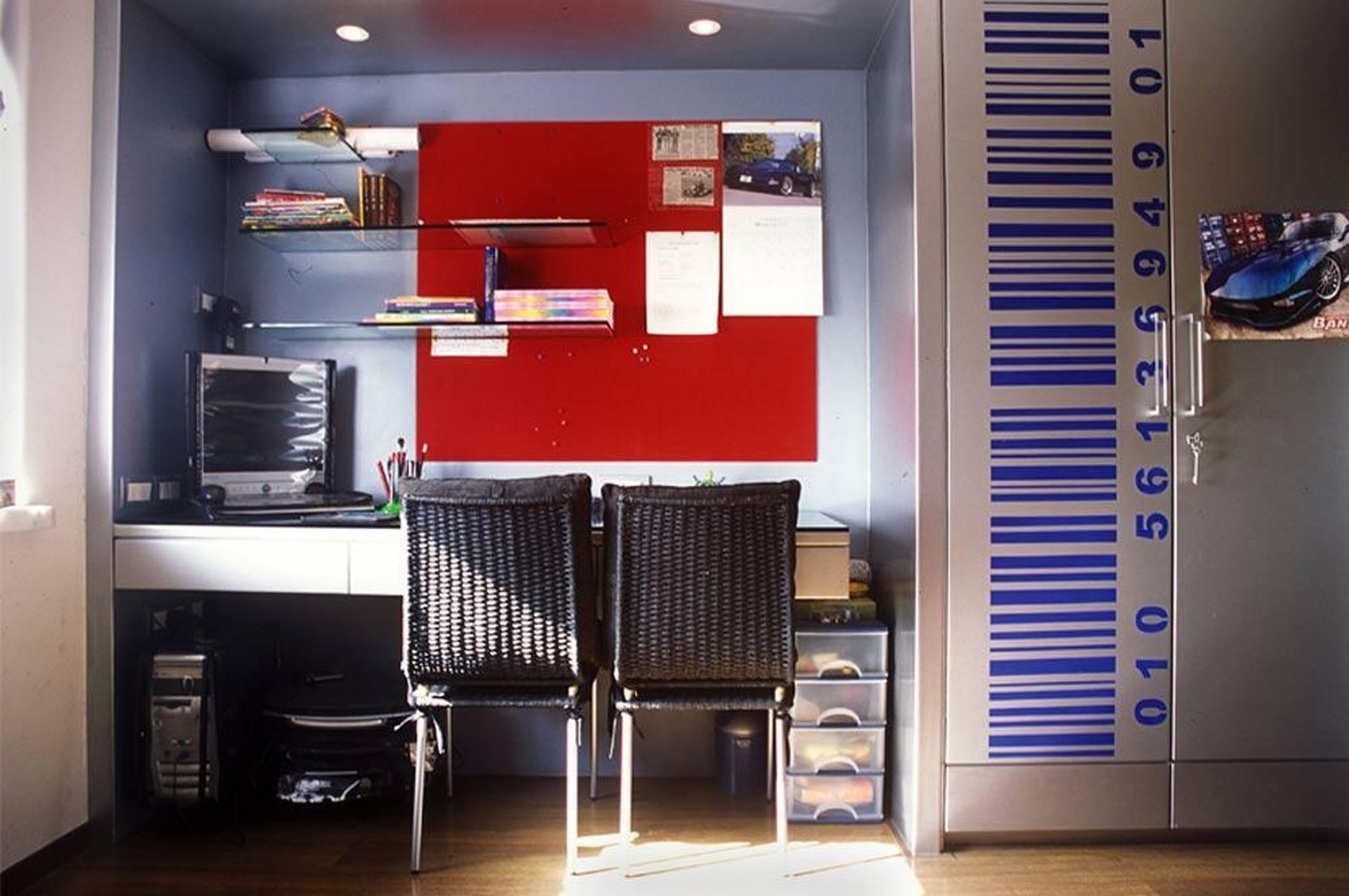
From various residential commissions across the prominent high-end neighborhoods like Khar, Malabar Hill, Bandra, Juhu, to office interiors in Kala Ghoda Fort, their portfolio reflects a practice that has consistently invited projects that value their vision and experience- a particular kind of feeling which is predictable in quality but also not repetitive in design language and visuals. These conistancy pays a crucial role in brand building.
When a studio repeatedly delivers a certain quality and aesthetic, it begins to establish a sense of trust in the design industry. Clients automatically start associating with a kind of experience and foundation. They enter what Shefali describes as an intimate journey, and that intimacy is the brand’s most perennial factor.
Design philosophy: Listening before drawing
Innerspace Design’s approach is guided by instinct, an ability to sense what the particular space needs before deciding what it should look like. A closer look at their work reveals a preference for minimal yet warm interiors. Spaces have clean lines and alignment, balanced proportions, and carefully curated components. Rather than overwhelming the user with excessive details, the planning allows the space to breathe.
As Shefali puts it “we don’t just design spaces, we listen to them”.
This listening manifests a broad range of processes that’s unfolding. Spatially, it means that furniture layouts, circulation paths, and their proportions are worked with a deep understanding of how people actually inhabit their homes. Likewise, functionally it means that every thought process and its decision, such as placing a widow seat, swings, even wall accessories, and the choice of a material, traces back to the client’s must.
Brand’s Identity beyond projects
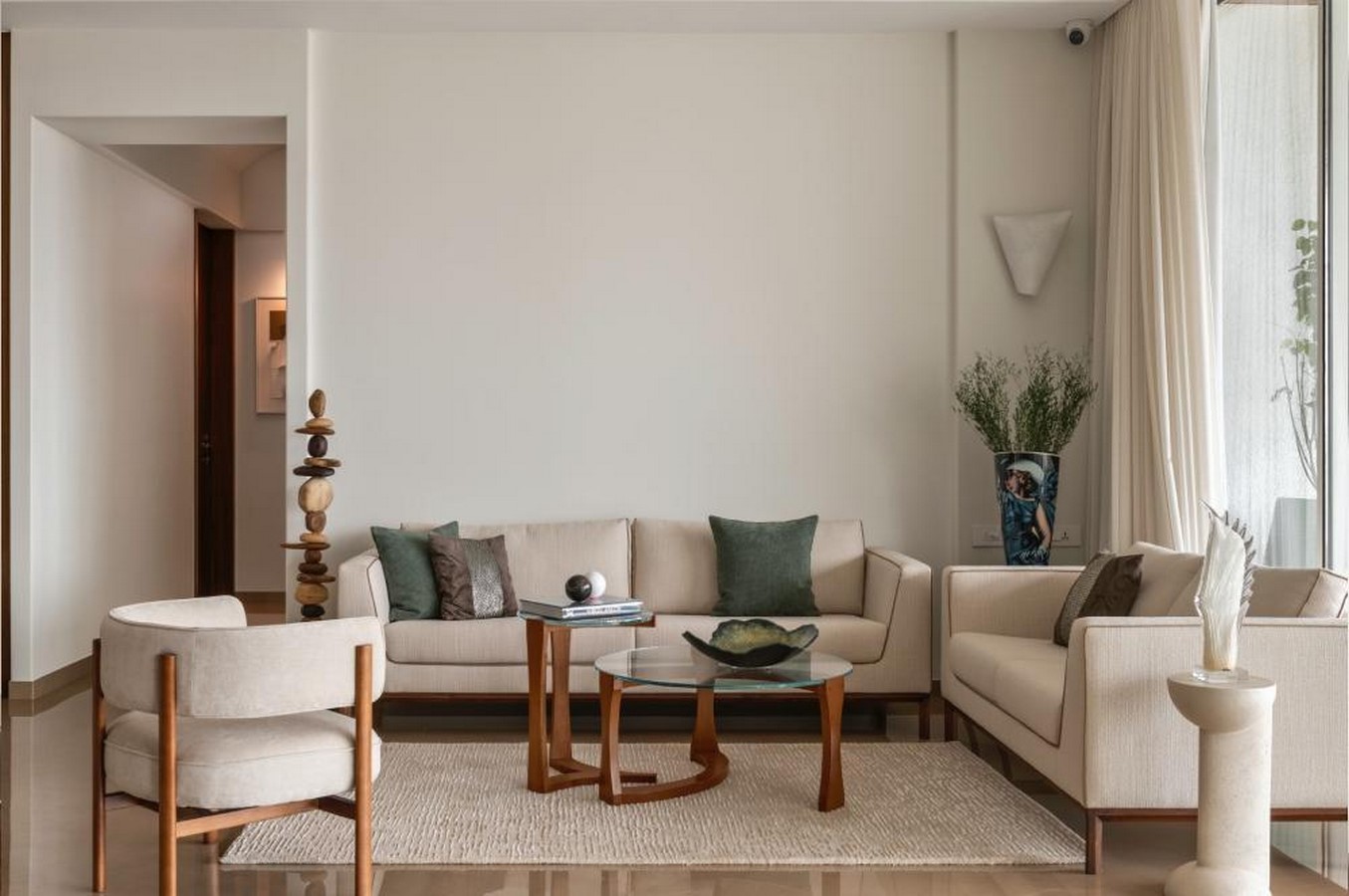
Branding in design is not solely the work of a logo or a website. It is their footprint that is the sole evidence of a practice, their language, vision, and clarity. In this regard, Innerspace design has excelled on what a developed brand presence is meant. The website is an extension of the firm’s values: minimal in structure, generous in visuals, and careful in its use of language, and the project photography is composed of parts that highlights material quality and spatial depth.
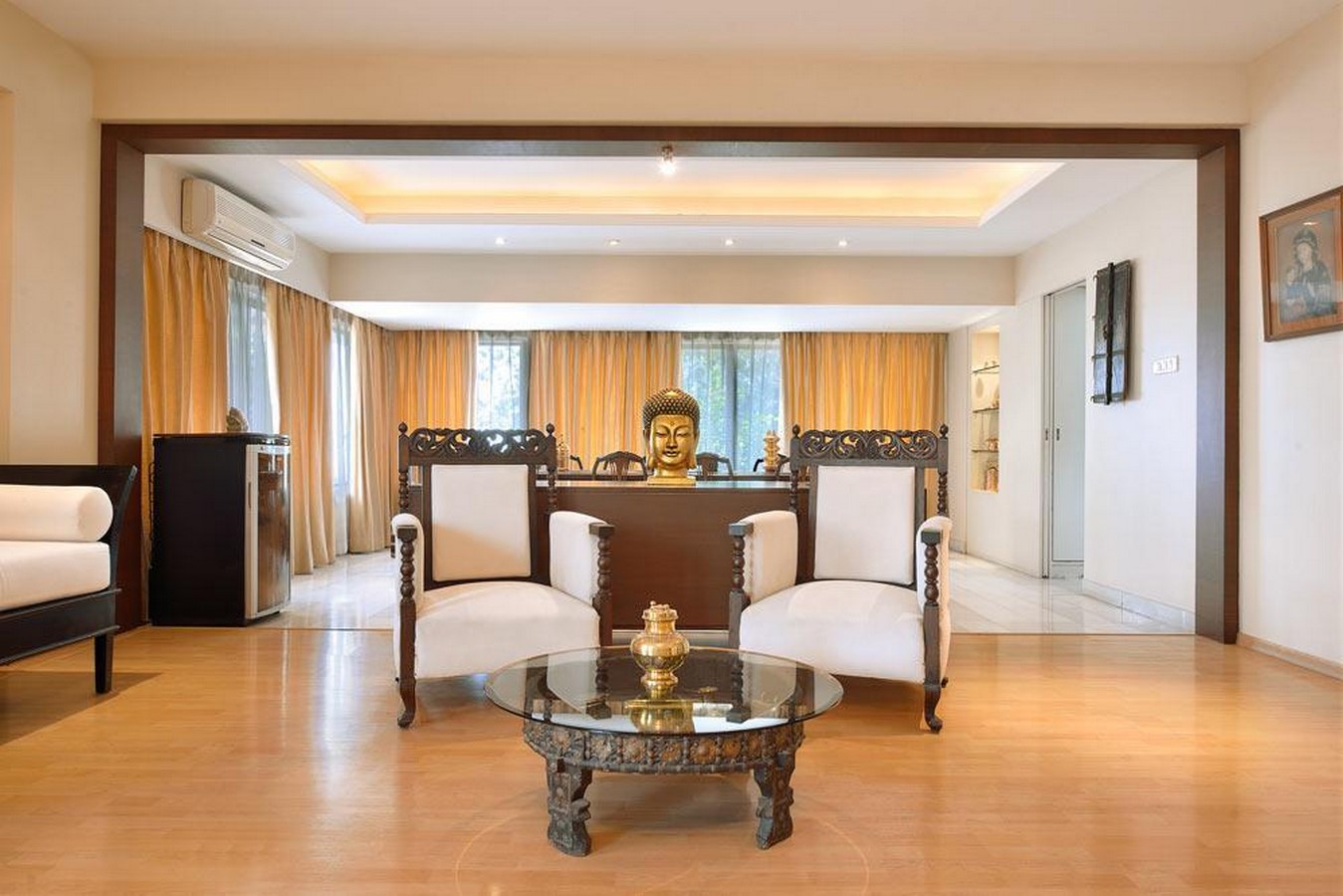
The concept or curation, as a part of the design language but beyond design in their website, echoes the consistency between how their work speaks and how the studio speaks of other collaborators and artists. Through their blogs, we can also reflect on how precisely the projects and the philosophies align with each other.
The spaces feel discovered rather than decorated. It offers a window into the thinking behind the visuals and their story, an essay on various topics, including biophilic designs, philosophy on the stillness of luxury. It expands its roots in considering how the space
is built, but also how to understand the philosophies behind it. They are not just a promotional strategy but a contribution to a conversation about how we live in space.
Recognition and the press
Beyond its physical and visual presence curated by itself, Innerspace Desiges presents itself through a clean and vocal identity told by others. The studio has been featured in Elle Decor, Goodhomes, and Society Interior, and its major project, the Wadia Ghandy, was featured on Love that Design, an Intermational press for architecture and interiors. Most recently, the studio was named to the prestigious Architecture Digest AD List 2025.
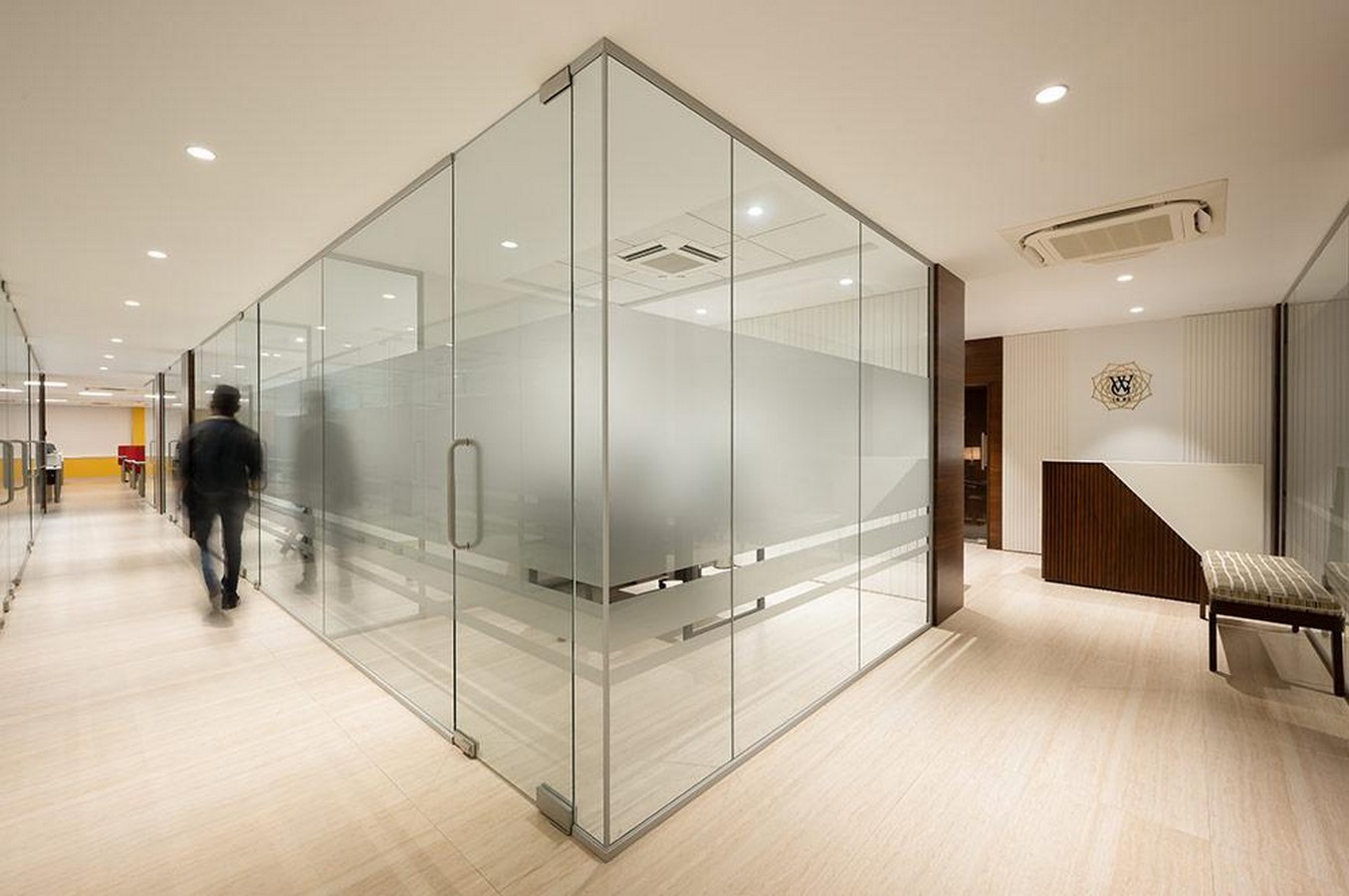
These features and documentation are not only external validation but are the traces of the brand’s internal consistency, which are perceived and celebrated by our wide industry of design, which time and again allows and pushes the growing brand to meet the highest standards of design, craft, and vision.
The practice of the firm achieving such recognition offers a useful opportunity for understanding how design studios built in this crowded competitive time is not about scale, visibility, or volume but depth, consistency, relationship between space and clients, and a set of values, that every space has a story worth listening to. These are the values that cannot be marketed, but rather admired through practice. The quiet and deliberated act of designing through passion and care, project after project, year after year.
Consistency and patience often become a strength in a field where visual trends and materials are changing rapidly. It allows a Brand to remain relevant and disciplined while staying true to its core values and ethics. The success of a design brand does not rely solely on standout projects or dramatic expressions. As seen in the works of Innerspace Designs, it often relies on language, clarity, and deep understanding. By maintaining a core design language and aligning it with thoughtful presentation, a firm can build its identity that is both reliable and notable in the long run.
References:
- Official Website: https://www.innerspacedesigns.in/
- Interior Design Features and Case Studies. Innerspace Designs | Architectural Digest India
- Aaker, David A. (1996). Building Strong Brands. New York: Free Press.