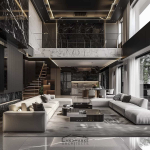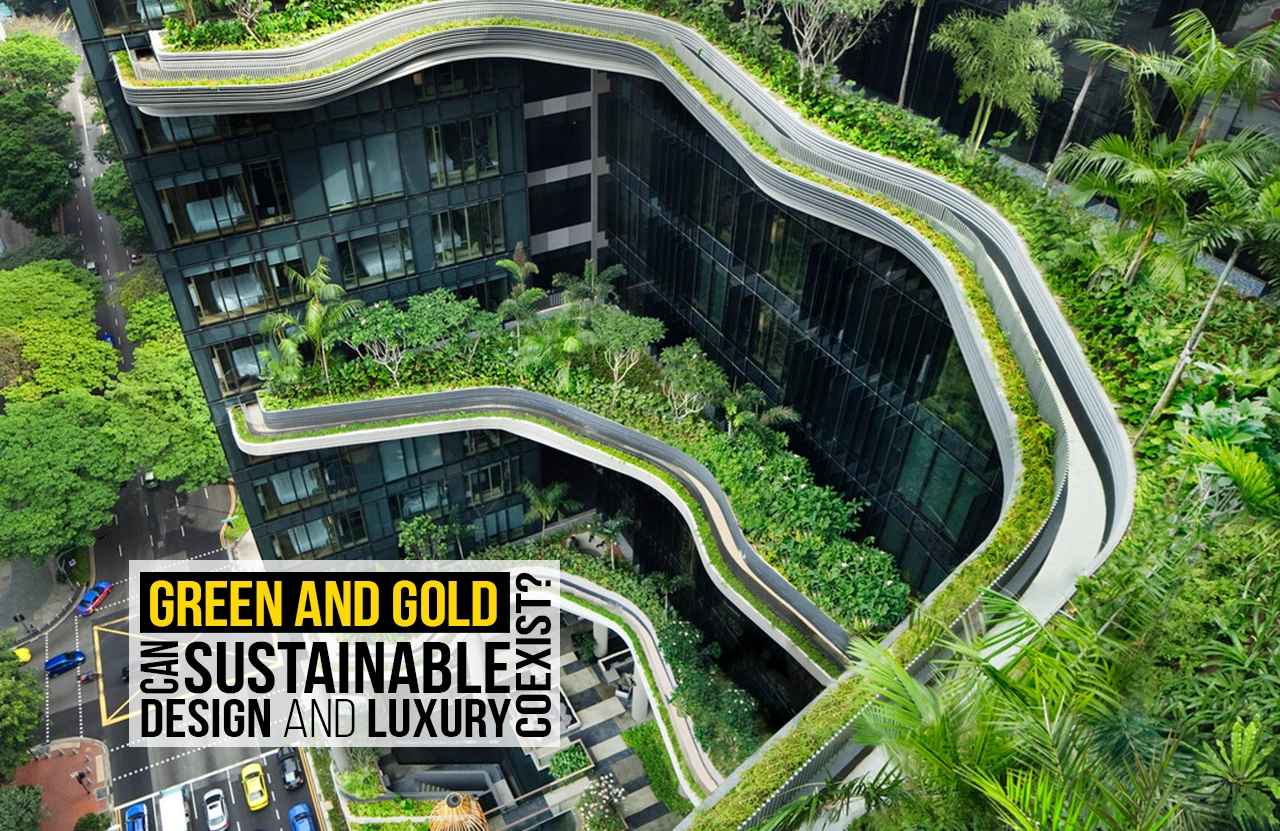
Luxury has popularly been mutually inclusive with energy guzzling and resource depleting designs or rather, operations and maintenance. Everyone today, particularly GenZ, wakes up wanting to drown in luxury to “fit in” with everyone. If one wants to look or feel luxurious, one has to get at least a little uncomfortable, or in other words, guzzle energy to maintain appearances. It has reached such an extent that luxury has become what it was never meant to be- a facade.
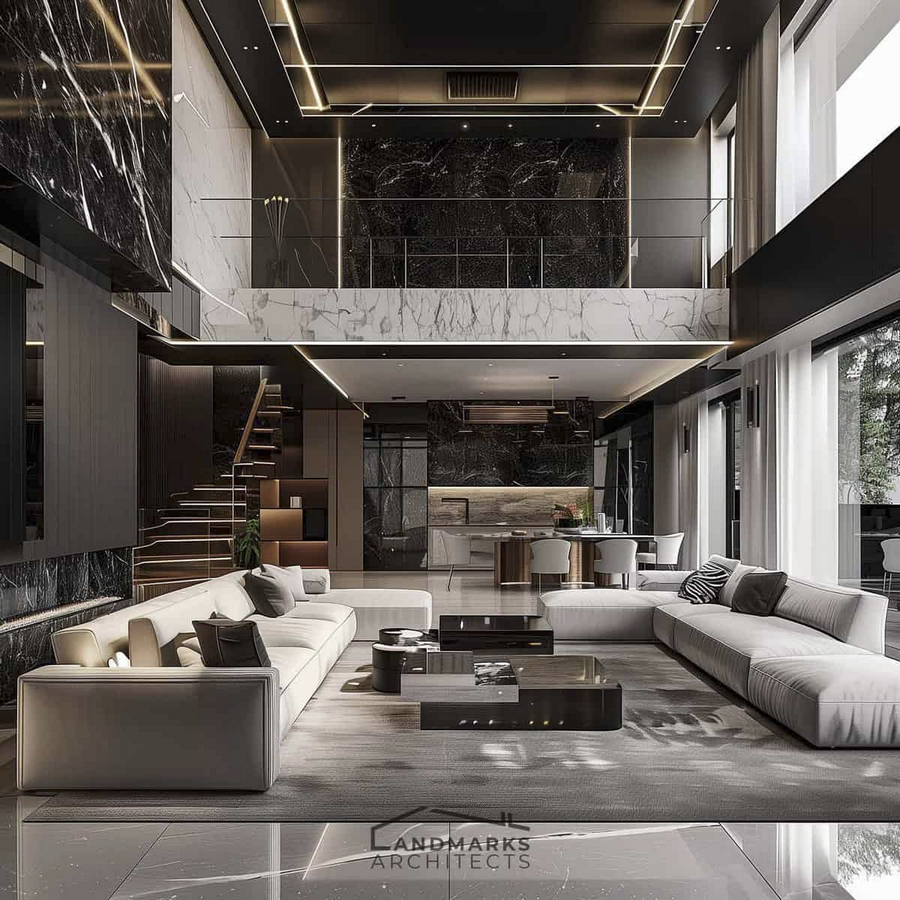
Sustainability on the other hand has been seen as saving for the future, and finding alternatives. It is like making someone reduce consumption in order to save for future generations, and thereby compromising on luxury, and if one takes it to the extremes, even reducing quality of life. But why should it be like that? What if one is able to save for the future, but is able to still enjoy comfort in the present- which is the true essence of sustainability. It doesn’t have to be like sustainability and luxury are mutually exclusive anymore. They are essentially highly intertwined and heavily influence each other. Therefore, it is safe to assume that yes, they definitely can and should, in fact, exist together.
What is Sustainable Design?
Sustainable design, as known, comes from the broader idea of sustainable development. This concept was introduced by the World Commission on Environment and Development in the late 1980s. It defined development as meeting current needs without harming future generations’ ability to meet theirs. In design and architecture, as pillars, environmental, social, and economic factors are combined to create spaces that are effective, responsible, and lasting. The global framework set by the United Nations Sustainable Development Goals (SDGs) emphasizes that industries, including architecture and luxury design, must adopt sustainable practices.
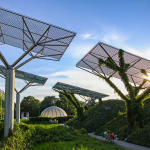
Sustainable design mainly relies on principles such as energy efficiency, ecological materials, and circular design systems, for its process. Energy-efficient buildings lower resource use through passive design strategies, renewable energy use, and improved building performance. Ecological materials, like recycled, renewable, or low-impact resources, reduce environmental damage while encouraging responsible sourcing and production. Circular design promotes reuse, recycling, and longer life cycles for materials and products, reducing waste.
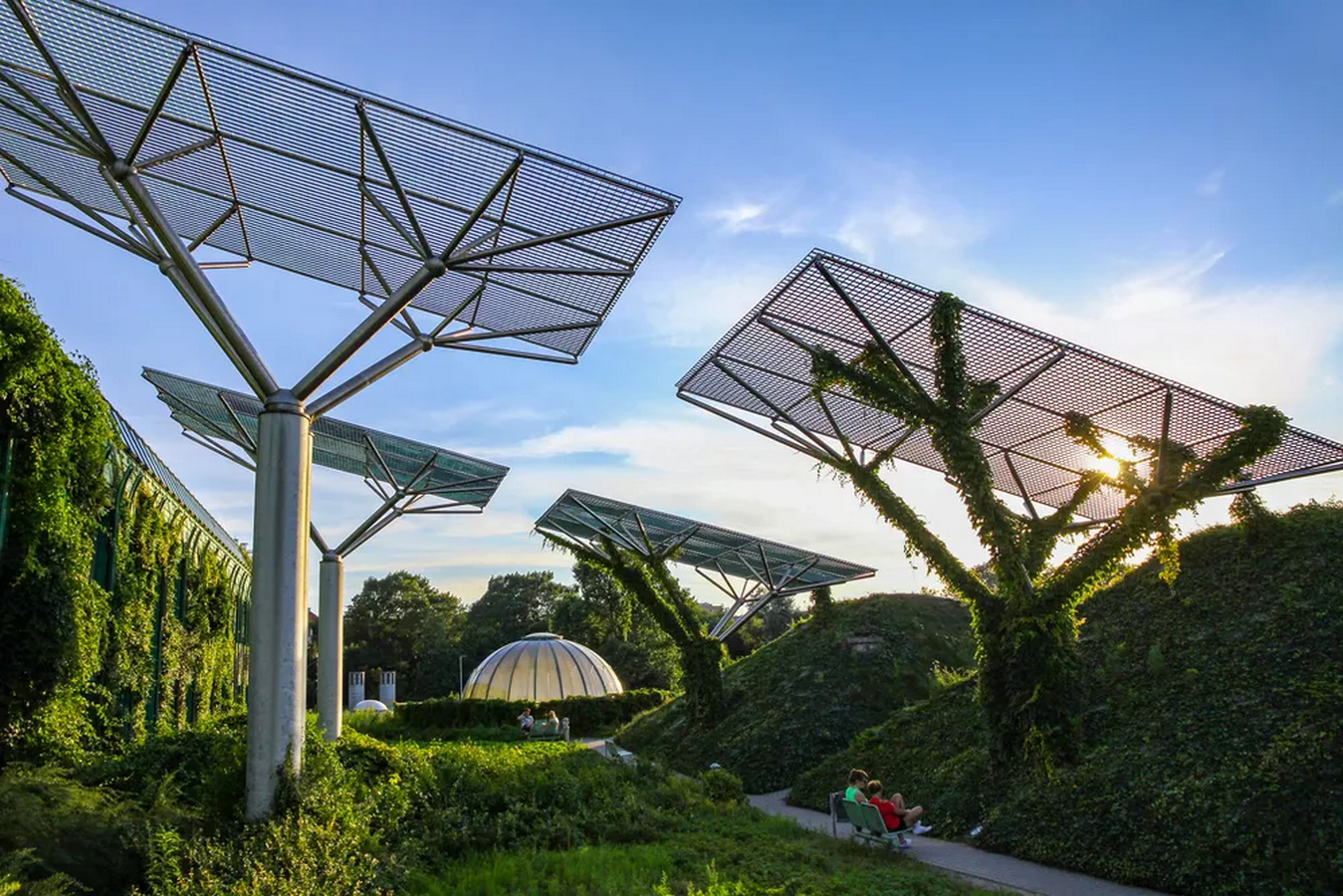
It was also highlighted in a non-fiction book, The Shape of Green: Aesthetics, Ecology, and Design by Lance Hosey, that sustainability in design should also possess beauty and appeal to emotional values. People are then more likely to value and protect their surroundings as they connect and generate aesthetic meaning to the place. Therefore, sustainable design is not just about efficiency, it is also about creating responsible, beneficial and appealing spaces.
Redefining Luxury in the Age of Sustainability
In recent years, our understanding of luxury has changed as environmental and social awareness has increased. Scholars argue that luxury isn’t solely about high prices or exclusivity anymore. Instead, it is more connected to values like quality, authenticity, and responsibility. Trends follow that luxury products relate closely to craftsmanship, sensory experiences, and aesthetic appeal, which often highlight uniqueness, rarity, and cultural heritage. These traits fit well with sustainable thinking, particularly with an emphasis on durability, long product life cycles, and careful material choices.
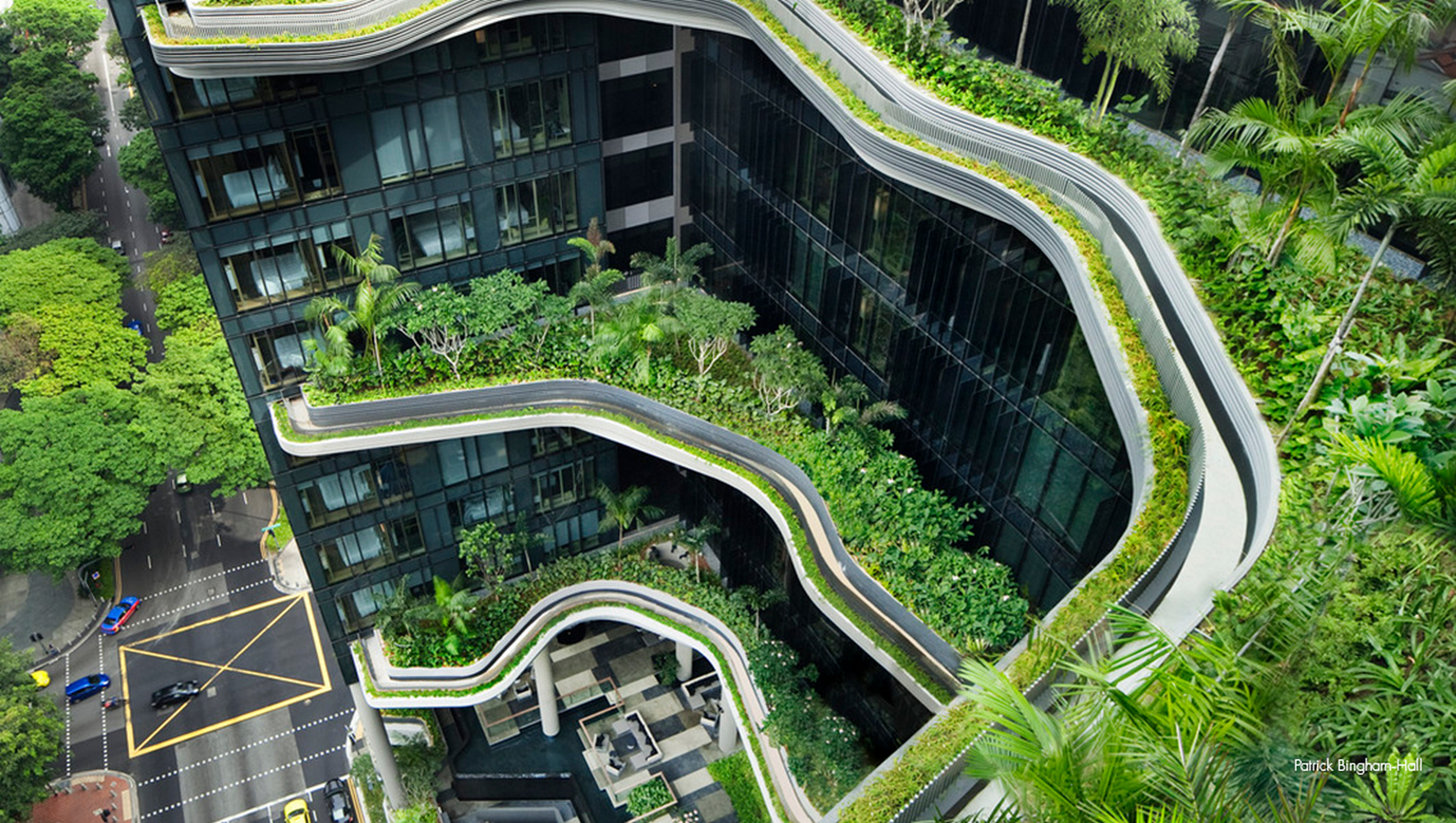
Unlike mass-produced goods, luxury items are usually made to last across generations. Inherently, this will encourage slower consumption patterns and help reduce waste- a shift that has led to the rise of sustainable luxury, which combines environmentally and ethically minded design, production, and consumption. Luxury brands are changing their practices by using responsible sourcing, ethical labor standards, and eco-friendly production methods. Such steps also respond to changing consumer expectations, especially among younger generations who care more about ethical and sustainable brand behavior. In this way, luxury is gradually being redefined. It is becoming more than just a symbol of wealth- it is becoming a mix of craftsmanship, durability, cultural value and responsible production that connects prestige with sustainability.
Strategies for Integrating Sustainable Design with Luxury
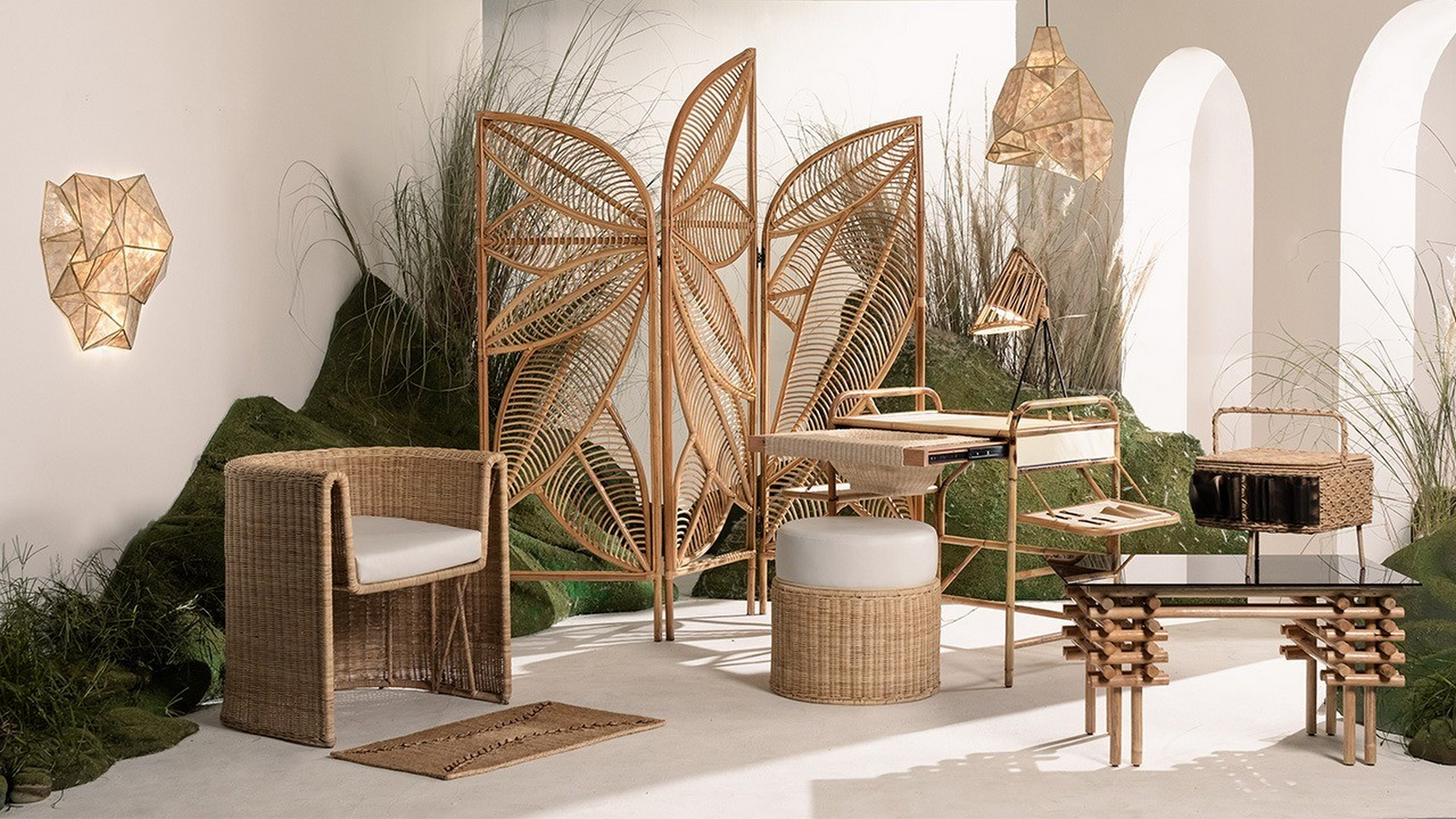
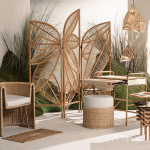
Integrating sustainable design with luxury is increasingly achieved through thoughtful material choices, innovative technologies, and nature-oriented design strategies. One key approach is using sustainable materials like bamboo, reclaimed wood, recycled metals, and natural stone. These materials reduce environmental impact and add unique texture, authenticity, and timeless elegance to luxury interiors. Designers also focus on passive design and energy efficiency. They use natural ventilation, insulation, large windows, and daylight to lessen dependence on artificial lighting and mechanical cooling systems. In addition, smart technologies such as automated lighting, climate control systems, and smart energy management help luxury buildings cut energy consumption while maintaining comfort and sophistication.
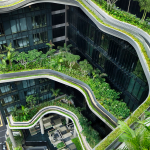
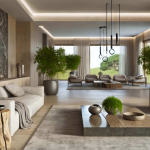
Another important strategy is biophilic design, which brings in natural elements like indoor plants, green walls, water features, and natural textures. This strengthens the connection between people and nature. These features improve well-being and enhance the aesthetic quality of spaces. At the same time, sustainable luxury emphasizes durability, craftsmanship, and timeless design so that spaces remain relevant for years. This reduces the need for constant renovation and waste. Together, these strategies show that sustainability does not limit luxury. Instead, it improves design by creating elegant, responsible spaces built to last.
Case studies
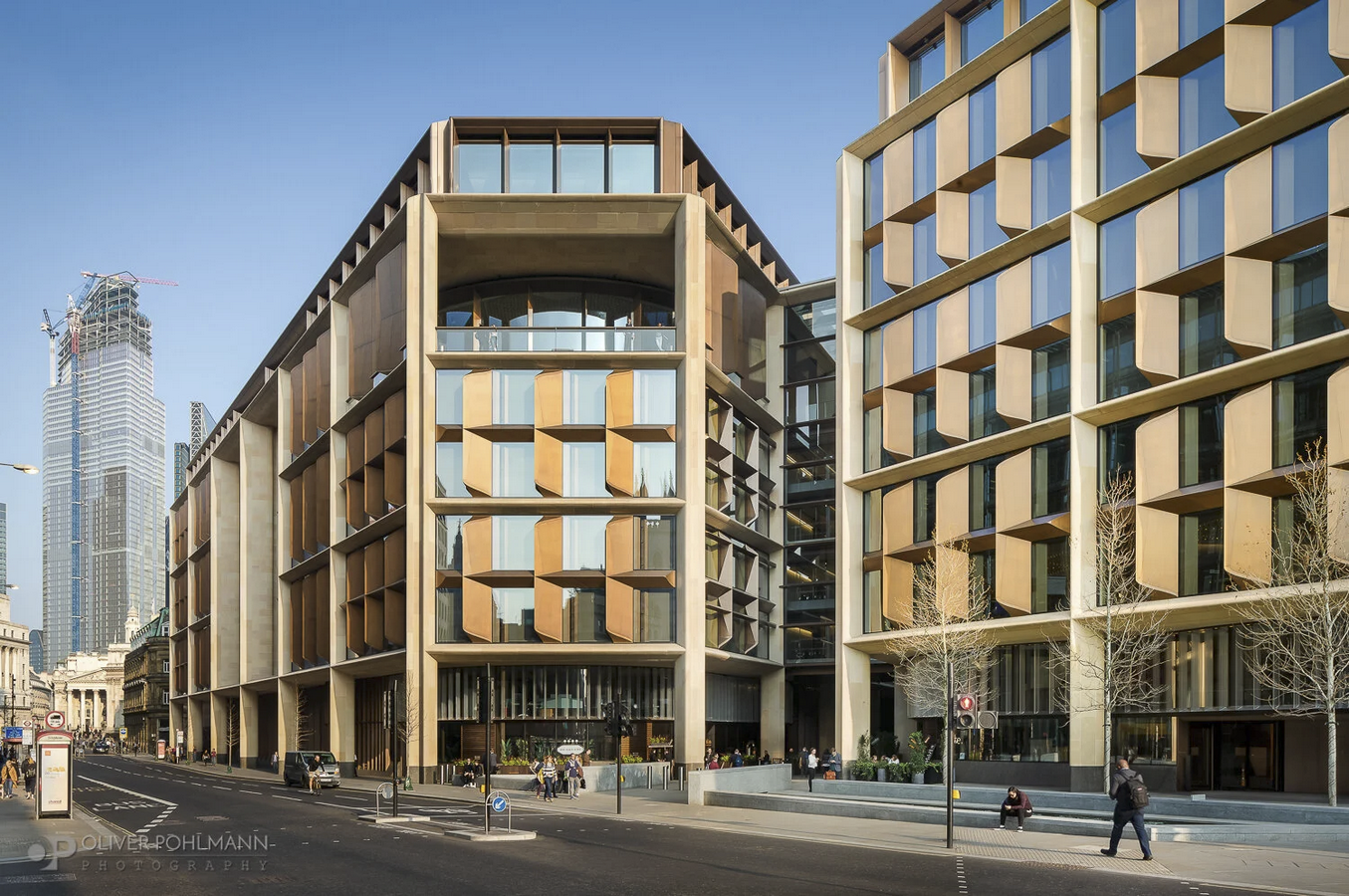
Bloomberg European Headquarters, London
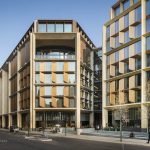
Bloomberg’s European Headquarters is a powerful example of how sustainable design and luxury can coexist. It is often described as one of the most sustainable offices in the world, in how it achieves a BREEAM “Outstanding” rating all the while maintaining its refined and high-end expression. It integrated passive design strategies, adding ideas like a breathing facade with bronze fins that enable ventilation naturally and reduce reliance on mechanical systems. At the same time, smart tech like CO2 sensors also optimize airflow based on occupancy and enhance both efficiency and comfort. Innovations like lighting, cooling and acoustics are combined with the ceiling panels into a single elegant system that uses significantly less energy while maintaining a luxurious feel. Water recyclers, and the materials themselves finish up circular design. At large, this project emphasizes sustainability, innovation and aesthetics- how they come together in redefining luxury not just as elegance and shine but as intelligent and responsible design.
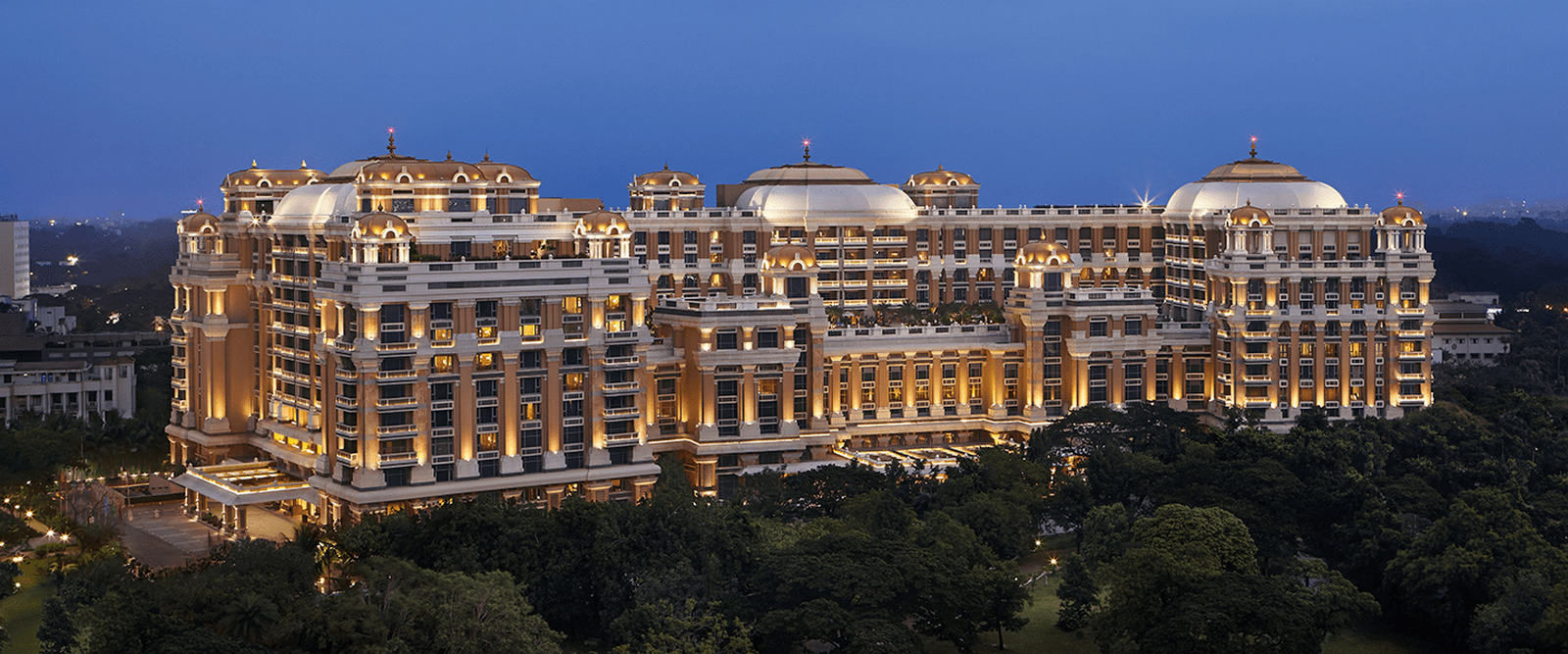
ITC Grand Chola, Chennai
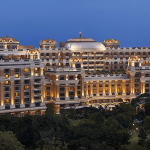
No introduction is needed for this strong example of how sustainability can seamlessly blend with luxury hospitality. As one of the world’s largest LEED platinum and LEED Zero Carbon certified hotels, it combines grandeur with environmental responsibility. It uses renewable energy sources to meet its demands, alongside water recycling and harvesting. What makes it relevant to sustainable luxury is the focus it shows on materials and their longevity- how over 40% of them were locally sourced, recycled content usage, completing the circle. The hotel manages to maintain its opulence through intricate interiors, culture references and high-end spaces. It clearly reflects the shift from excess to responsible luxury, where comfort, technology and environmental awareness coexist. It definitely demonstrates sustainability- how it is not a compromise but an enhancement of luxury through efficiency, craftsmanship and long-term value.
Challenges and Criticisms
Nevertheless, despite the increasing popularity of sustainable luxury design, there are a number of issues and challenges that the field continues to encounter. One of the most notable issues is the cost of sustainable design. Most luxury brands require a new supply chain, new technology, and environmentally responsible practices, which can be very costly for the business.
Another notable issue in the field of sustainable luxury design is the concept of greenwashing. Greenwashing occurs when a business promotes sustainability but makes little to no effort to protect the environment. Some luxury brands tend to exaggerate their commitment to sustainability to attract the attention of consumers who are concerned about the environment. Greenwashing can be very damaging to a business, especially when consumers find out the reality.
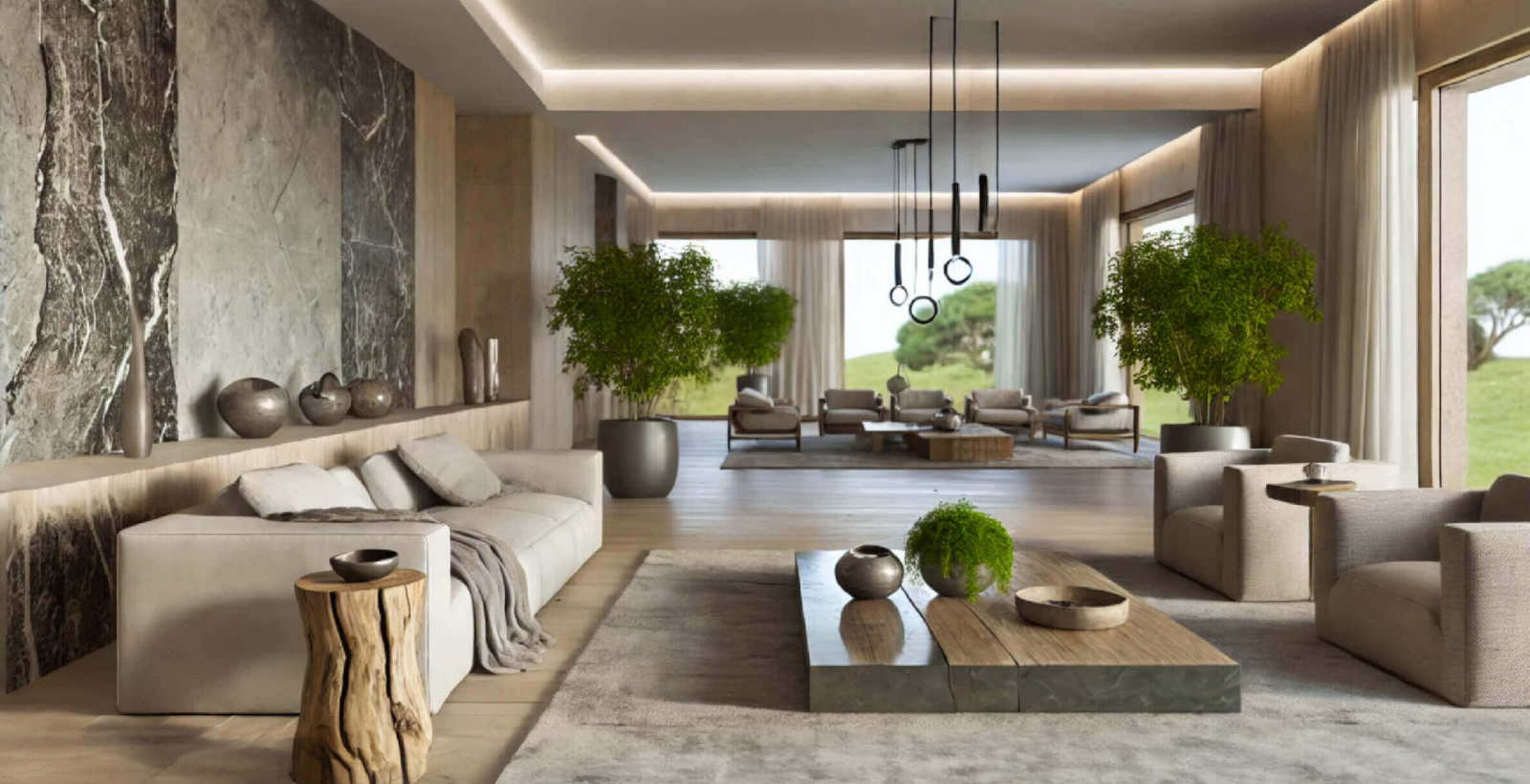
Lastly, the field of sustainable luxury design encounters the challenge of the unavailability of sustainable materials. Most luxury products require rare resources, but the environment is increasingly under threat due to issues such as climate change and biodiversity loss. As a result, the business needs to look for alternatives to the resources it uses to maintain the quality of the products.
It can be seen that while sustainable luxury is promising, it definitely comes with its own challenges and therefore requires top notch commitment, transparency and innovation. Without those, sustainability takes risk in becoming a marketing trend rather than true transformation in luxury design and production.
The Road Ahead
The relationship between luxury and sustainability is no longer contradictory, but rather complementary, indicating a future where these two ideas could potentially merge. As design thinking continues to develop, ideas such as the circular economy are redefining architecture and interior design, emphasizing reuse, recycling, and extending the lifespan of materials to minimize waste. However, regenerative design takes this one step further, not only minimizing damage to natural environments, but actually enhancing them.
In this evolving world, sustainability is slowly but surely becoming the new definition of luxury, one that values responsibility, craftsmanship, and impact, as opposed to excess. Consumers today are seeking experiences that are not only beautiful, exclusive, and desirable, but also ones that are grounded in responsibility, sustainability, and environmental consciousness. While there are still challenges in terms of implementation, communication, and scalability, the direction is clear: Sustainable luxury is not just a trend, it’s a transformation, one in which design excellence is now defined not just by its beauty, uniqueness, and exclusivity, but by its contribution to a more sustainable future.
Citations:
- Hosey, L. (2012). The Shape of Green: Aesthetics, Ecology, and Design. Washington, DC: Island Press.
- Ofori, D., and Appiah, K. (2024). Sustainable luxury in the built environment: Bridging the gap between aesthetics and ethics. Cogent Business & Management, 11 (1).
- Athwal, N., Wells, V. K., and Carrigan, M. (2019). Sustainable Luxury Marketing: A Synthesis and Research Agenda. International Journal of Management Reviews, 21 (4), 405-426.
- Peng, L., and Chen, J. (2022). Matching Luxury and Sustainability: An Analysis of Consumer Perception in High-End Real Estate. Sustainability, 14 (9), 5209.
- Commercial Design India (2024). Can luxury and sustainability coexist? The future of commercial interiors says yes. [online]. (Last updated: 15 May 2024). Available at: https://www.commercialdesignindia.com/insights/can-luxury-and-sustainability-coexist-the-future-of-commercial-interiors-says-yes [Accessed date: 12/03/2026]
- Alma de Luce (2023). Sustainable Design with Refined Aesthetics: How to combine luxury, consciousness, and timelessness. [online]. Available at: https://www.almadeluce.com/blog/sustainable-design-with-refined-aesthetics-how-to-combine-luxury-consciousness-and-timelessness/ [Accessed date: 12/03/2026]
- Wikipedia contributors. (2026). ITC Grand Chola Hotel. [online]. (Last updated: 10 February 2026). Available at: https://en.wikipedia.org/wiki/ITC_Grand_Chola_Hotel [Accessed date: 12/03/2026]
- ArchDaily (2017). Bloomberg’s European HQ / Foster + Partners. [online]. (Last updated: 25 October 2017). Available at: https://www.archdaily.com/882263/bloombergs-european-hq-foster-plus-partners [Accessed date: 12/03/2026]