Banjara Virasat represents the rich cultural heritage, history, and identity of the Banjara community, one of India’s most vibrant nomadic groups. Spread across regions such as Maharashtra, Telangana, Karnataka, and Andhra Pradesh, the Banjaras have historically been known for their mobility, resilience, and distinctive cultural traditions. Their legacy is deeply rooted in storytelling, music, textiles, and community rituals that have been passed down through generations. Today, this heritage is preserved and celebrated through the Banjara Virasat Museum located at Poharadevi in Maharashtra, which serves as a dedicated cultural space for documenting and sharing the history of this remarkable community.
The Banjaras trace their origins to ancient times when they were known primarily as traders and transporters of goods. The word “Banjara” is believed to derive from the words ban (forest) and jara (to move), reflecting their nomadic lifestyle. For centuries, they travelled in large caravans known as tandas, transporting commodities such as salt, grains, and spices across the Indian subcontinent. Their movement across different regions allowed them to develop a diverse cultural identity while still maintaining a strong sense of community and tradition. Although they are known by different names in various parts of India such as Lambada, Lamani, Sugali, and Gor Banjara their cultural roots remain unified.
A defining aspect of Banjara culture is its strong oral tradition. Unlike many communities that rely heavily on written documentation, the Banjaras have historically preserved their knowledge, beliefs, and history through songs, ballads, and storytelling. These oral narratives recount tales of heroism, migration, rituals, and everyday life, forming an important part of the community’s collective memory. Folk music and traditional performances play a vital role in transmitting these stories, allowing each generation to remain connected with its cultural past.
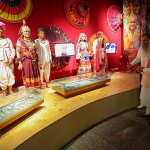
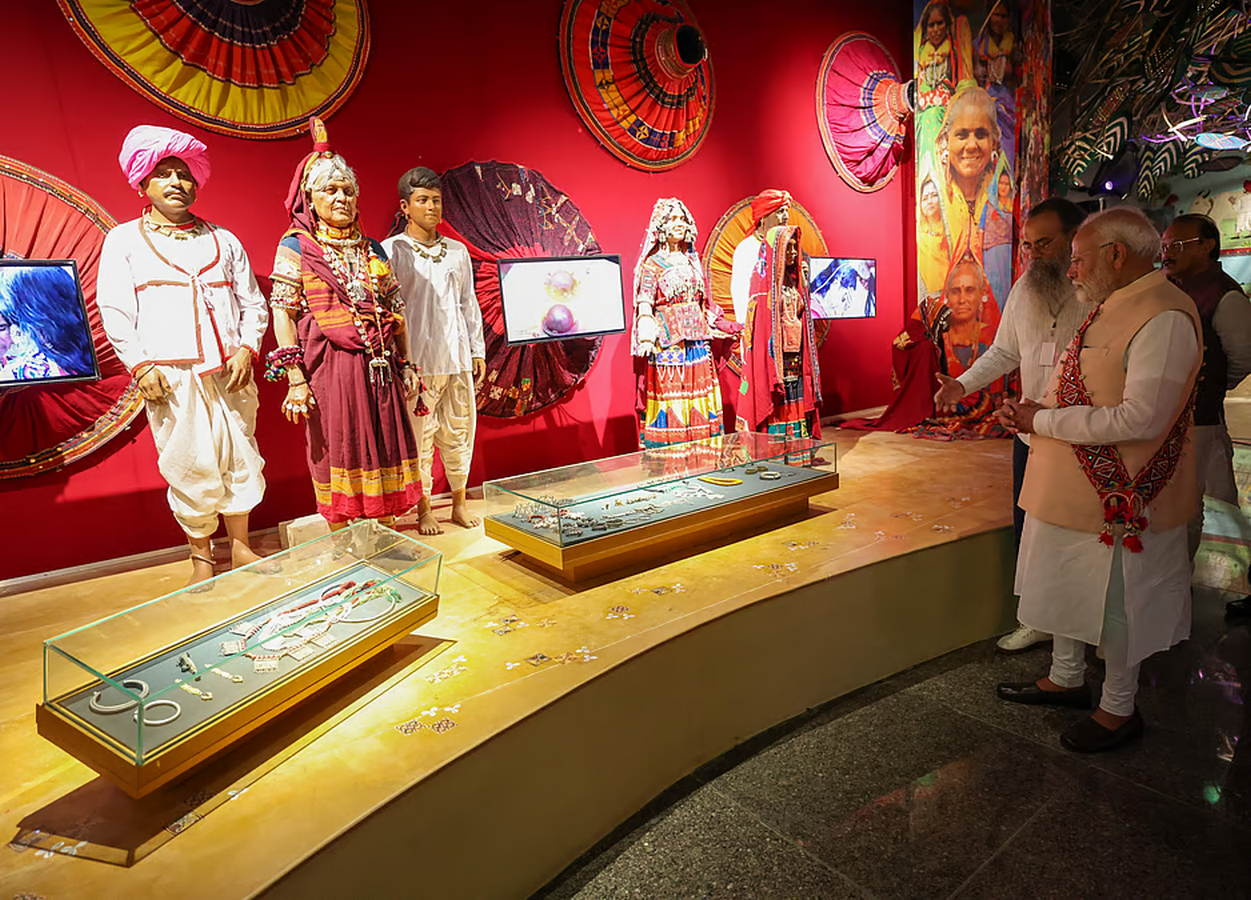
The artistic traditions of the Banjaras are equally distinctive. Their textiles, embroidery, and beadwork are renowned for their vibrant colours, geometric patterns, and intricate craftsmanship. Traditional Banjara clothing often features mirror work, shells, and metal ornaments, reflecting both aesthetic expression and cultural symbolism. These crafts are not merely decorative; they embody stories of identity, regional adaptation, and the creative spirit of the community. Even today, Banjara art continues to influence contemporary design and fashion while remaining a powerful representation of tribal heritage.
Despite their rich cultural traditions, the Banjaras faced severe hardships during the colonial period. In 1871, the British government enacted the Criminal Tribes Act, unjustly labeling Banjaras and several other nomadic communities as “hereditary criminals.” This discriminatory policy severely restricted their freedom of movement and forced them to report regularly to police authorities. The act not only disrupted their traditional livelihoods but also stigmatized an entire community for generations.
Yet, the Banjaras demonstrated remarkable resilience during these challenging times. Many individuals from the community played important roles in social reform and resistance movements. Leaders such as Champla Nayak worked to educate Banjara youth and improve social conditions, while figures like Govind Guru led movements against colonial oppression. Members of the community also supported India’s freedom struggle by contributing funds, jewelry, and moral support to the movement led by Mahatma Gandhi. These contributions reflect the Banjaras’ commitment to justice, dignity, and national unity.
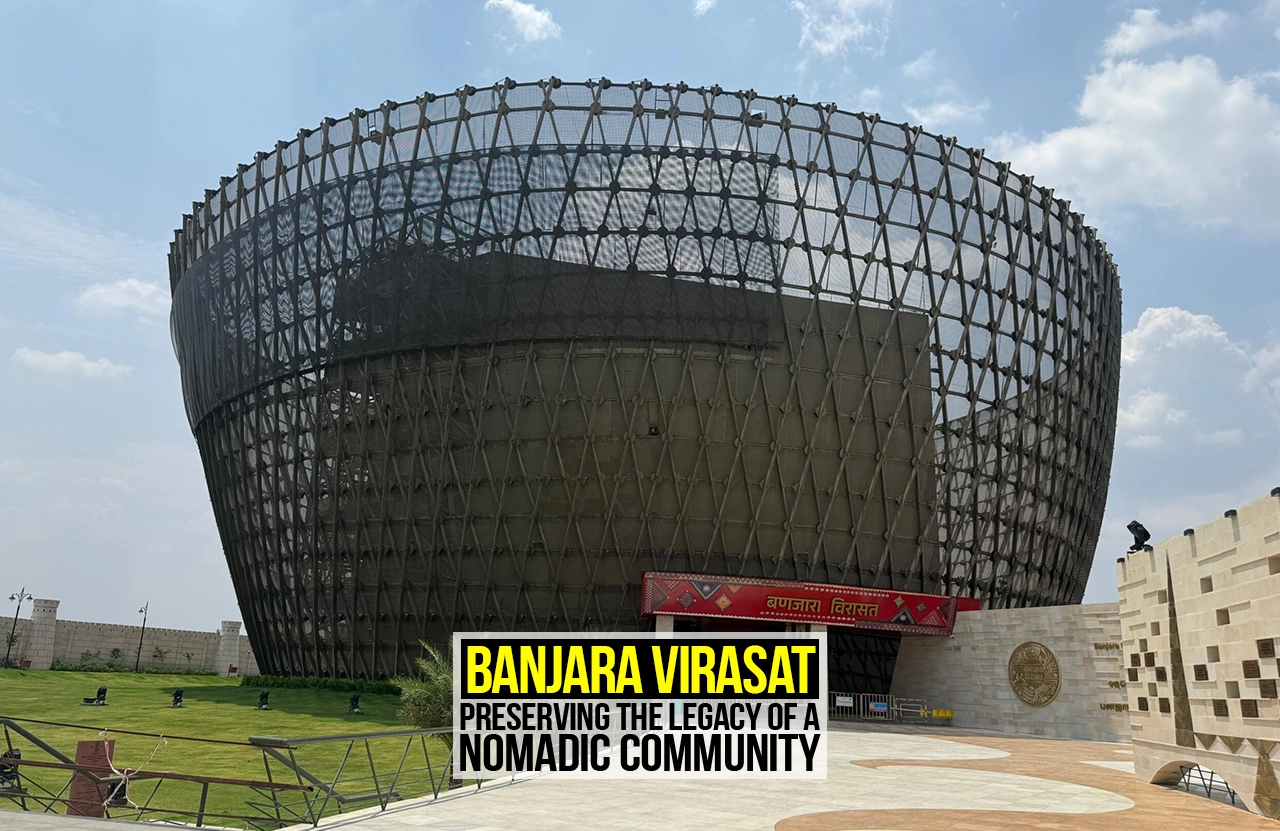
In recognition of this rich heritage, the Banjara Virasat Museum was established to document and celebrate the history of the community. Located at Poharadevi in Washim district, the museum is considered India’s first museum dedicated exclusively to the Banjara people. The project began in 2018 with the laying of its foundation stone, and after several years of development, it was inaugurated in October 2024.
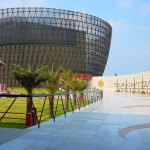
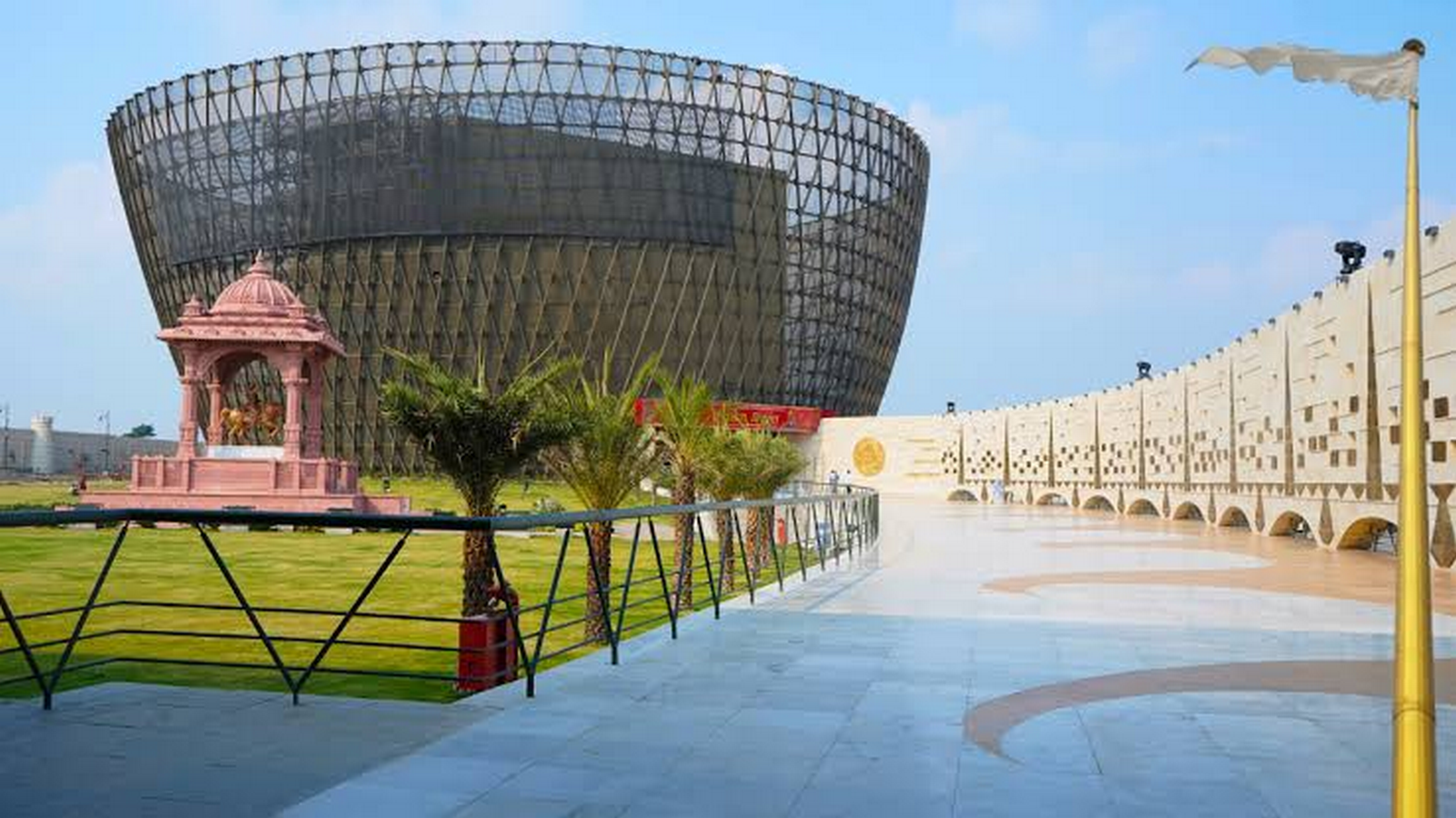
Architecturally, the museum is unique. The five-storeyed structure is designed in the form of a nagara, a traditional percussion instrument used in Banjara music. This symbolic form reflects the community’s strong musical heritage while creating a landmark that visually represents Banjara identity. Inside the museum, thirteen immersive galleries guide visitors through different aspects of Banjara life, from their nomadic origins and trading routes to their cultural practices and historical struggles.
What distinguishes the museum is its use of advanced technology to create an engaging visitor experience. Exhibits incorporate media such as virtual reality, 3D dome theaters, holographic projections, and animatronic displays. These elements allow visitors to experience Banjara history in an interactive and emotional manner rather than simply reading about it. Physical recreations of Banjara settlements, along with displays of traditional clothing and jewelry, further enhance the sense of immersion.
The museum complex also honours important spiritual and cultural figures of the Banjara community. A prominent equestrian statue of Sant Sevalal Maharaj, an 18th-century socio-religious reformer revered by the Banjaras, stands within the site. His teachings emphasized social reform, education, and the upliftment of tribal communities. Nearby, the towering Seva Dhwaj, a ceremonial flag rising 150 feet symbolizes unity, pride, and the enduring legacy of the Banjara people.
Beyond its exhibits, the Banjara Virasat Museum functions as a cultural gathering space where visitors can engage with Banjara music, folklore, and traditions. Evening sound-and-light shows projected on the nagara-shaped façade narrate stories of the community’s journey, creating a powerful blend of architecture, performance, and storytelling.
In conclusion, Banjara Virasat represents more than a museum—it is a tribute to a resilient community whose traditions have survived centuries of migration, cultural exchange, and historical challenges. By preserving their stories, art, and heritage, the museum ensures that the legacy of the Banjaras continues to inspire future generations. It stands as a symbol of cultural pride and recognition, reminding society of the importance of honoring diverse histories within the broader narrative of India.