
In an age when conservation is often presented through data, statistics and policy jargon, the YouTube case study titled “Sundarbans Is Sundarbans Because of Tigers” offers a far more intimate perspective — a community-centred view of ecology. It examines the complex interplay between conservation, livelihoods and faith in the Sundarbans — the world’s only mangrove habitat where the Royal Bengal Tiger prospers.
Without dramatisation or spectacle, the video invites viewers — especially researchers, designers and planners — to reconsider what coexistence really means. It is not simply about protecting biodiversity; it is about acknowledging the cultural systems that have sustained it for centuries.

Decolonising Coexistence through Community Wisdom
The Sundarbans — the world’s largest mangrove delta — are frequently portrayed in global media as a battleground of “man versus wild.” Declared a UNESCO World Heritage Site in 1987, a Tiger Reserve in 1973 and a National Park in 1984, and later designated a Critical Tiger Habitat in 2007, these overlapping statuses underline its ecological significance.
Yet this landscape is also home to 4.5 million people who live alongside one of the most dangerous predators on Earth. The video moves away from the “fortress conservation” model towards a more nuanced understanding of coexistence.
By contrast, Sundarbans communities embody what might be called relational ecology — a worldview in which humans are not separate from nature but part of it. The tiger is not merely a protected species; it is a co‑inhabitant that shapes the identity of the landscape. Decolonising coexistence, therefore, means recognising indigenous knowledge systems as legitimate models of ecological governance rather than as informal or secondary frameworks.
The Fortress Paradox: Conservation vs. Community
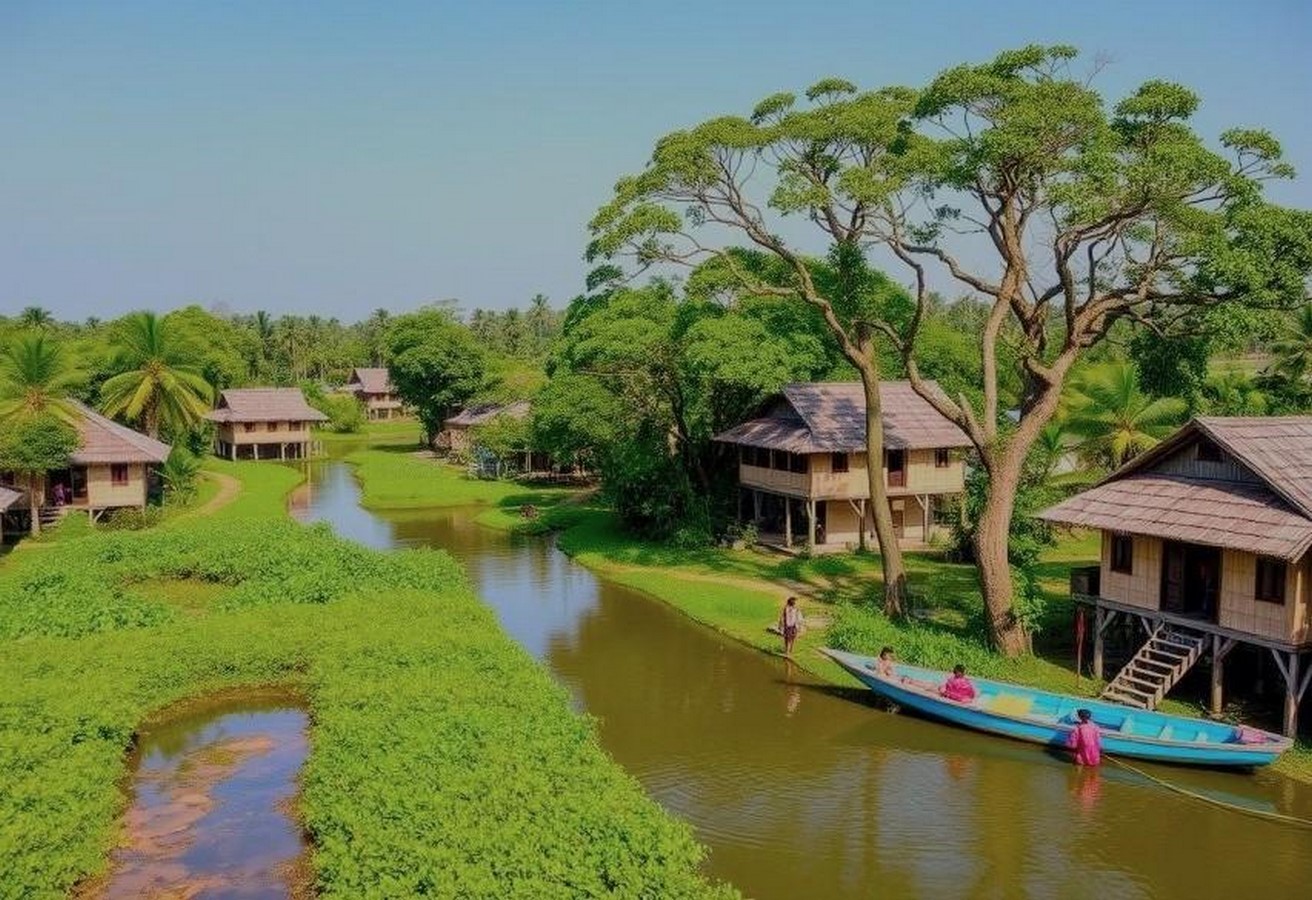
The Sundarbans is a landscape defined by legal rights. On paper, these are monumental achievements in biodiversity protection. Yet the video highlights a deep paradox created by these top‑down, exclusionary measures — often called Fortress Conservation. Nearly 4.5 million people live in this delta. Half of them are landless or live below the poverty line. Their survival depends on the forest’s intertidal zones, where they gather honey, fish and crabs. Because the core zones are strictly protected under India’s Wildlife Protection Act, these communities are officially banned from entering the areas their ancestors have navigated for centuries.
This creates both a legal and a physical trap. Out of necessity, locals venture into the mangroves, risking tiger attacks as well as legal repercussions. When tragedy occurs, it often goes unreported. Families fear punishment for “illegal” entry, which can lead to denial of compensation. This has given rise to the reality of “blood honey” and the social category of “tiger widows” — women who lose their husbands to the forest and are left to cope with the stigma and poverty that follow.
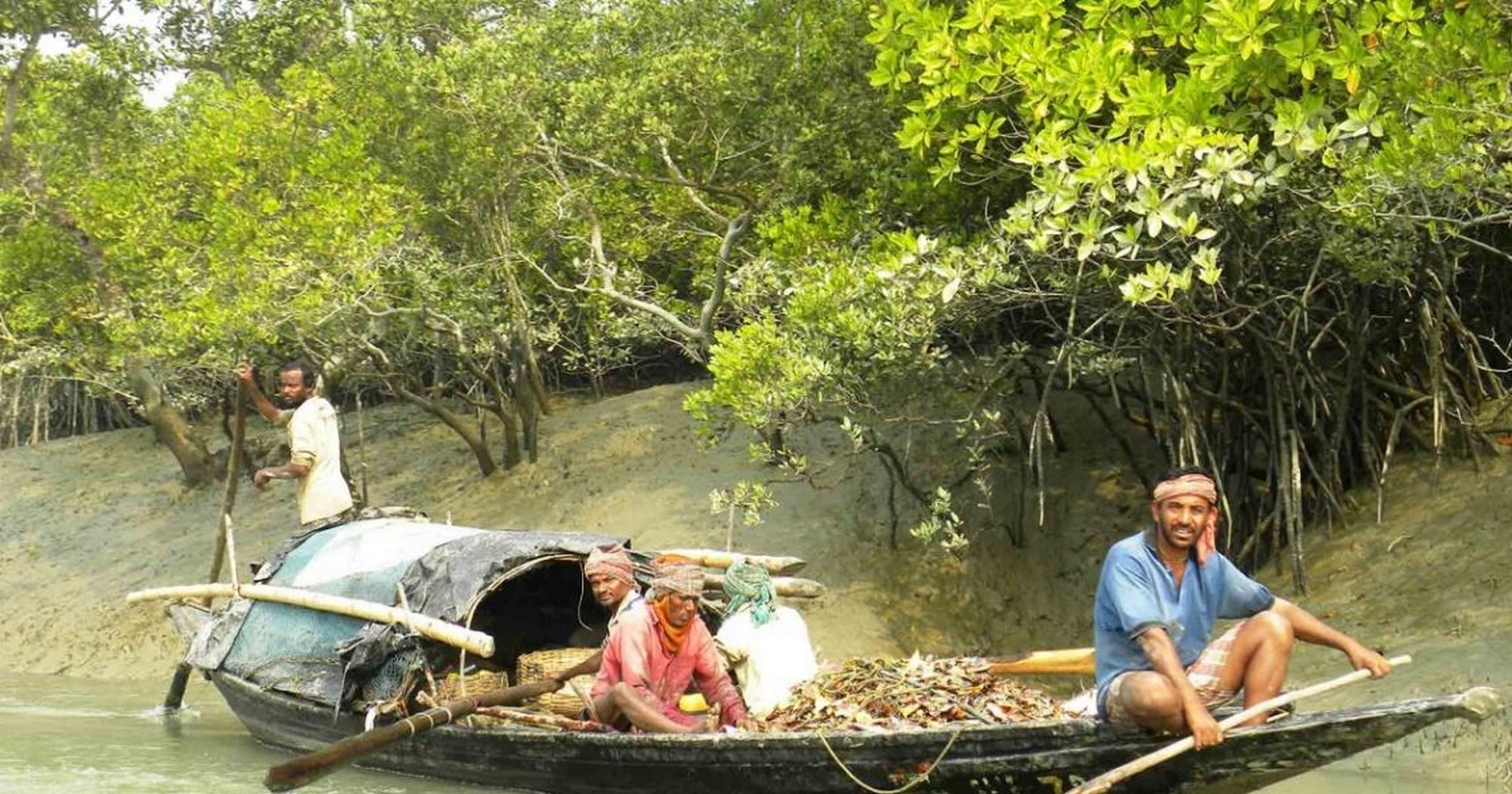
Yet despite these risks and losses, community members express a profound attachment to the tiger. When asked whether they would prefer a Sundarbans without tigers, their response was unanimous:
“Sundarbans is Sundarbans because of tigers.”
This statement reframes the whole conservation debate.
The Moral Law of Bonbibi: A Syncretic Shield
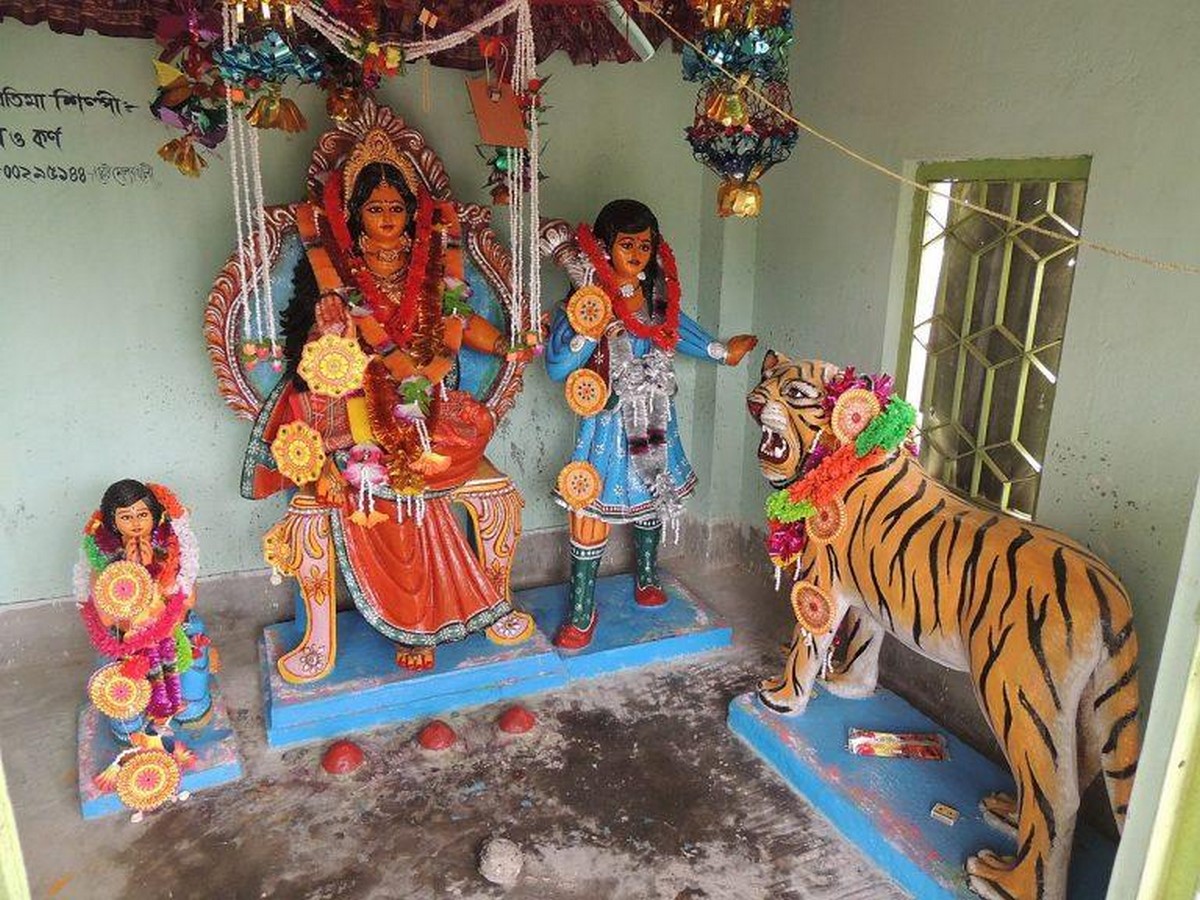
A central theme of the video is the role of Bonbibi, the forest goddess revered by both Hindus and Muslims in the region. This syncretic faith is not mere religious symbolism; it functions as an ecological ethic. The “law” of Bonbibi is not written in penal codes but in people’s hearts. It teaches three core principles:
Enter the forest with a clean heart, take only what you need, and respect all beings.
This moral framework governs resource extraction more effectively than many legal systems. It transforms the forest into a shared moral space rather than a contested territory. In a country where Hindu–Muslim tensions often make the headlines, the Sundarbans offer a rare example of religious coexistence rooted in environmental stewardship.
What Designers Can Take from the Sundarbans
For architects, urban designers, and planners, this case study offers several takeaways:
- Design with Cultural Memory
Ecological design must engage with local belief systems. Whether designing eco‑tourism centres, community infrastructure or conservation facilities in the Sundarbans, understanding Bonbibi’s narrative could shape spatial rituals, arrival sequences and symbolic thresholds.
2. Participatory Planning Over Fortress Models
The exclusionary logic of “protected cores” can create unintended social crises. Designers should advocate participatory conservation strategies that incorporate livelihood‑sensitive zoning.
3. Resilience Is Social Before It Is Structural
Mangrove restoration is not just about planting saplings; it is about sustaining the communities who protect them. Social cohesion — particularly the Hindu–Muslim syncretic practices — becomes an invisible infrastructure underpinning ecological survival.
4. Landscape Identity Matters
The community’s assertion reminds us that biodiversity is bound up with identity. Removing a keystone species can erase cultural meaning, not merely ecological balance.
A Personal Reflection
After reflecting on the insights from this workshop and the community’s perspective, it is clear that the Sundarbans challenge Western-style conservation models. We often imagine nature as something pristine and separate from humans, but in the Sundarbans nature is at once a workplace, a temple and a predator’s den.
In my opinion, the most striking part of this case study is not the danger posed by the tiger, but the resilience of the human spirit. We often talk about “saving” the Sundarbans, but we rarely talk about listening to the people who actually live there. If the locals—who pay the highest price for the tiger’s existence—still want the tiger to remain, that reveals a level of ecological wisdom no university degree can provide. It challenges us to move beyond technical sustainability towards ethical sustainability, where culture, faith and ecology are interwoven.
And perhaps that is why—as the community so simply puts it—Sundarbans is Sundarbans because of tigers.
Reference List-
- Sunderban National Park. (2026). Sunderban National Park. [online] Available at: https://sunderbannationalpark.com/
- World, U. (2018). Sundarbans National Park. [online] Unesco.org. Available at: https://whc.unesco.org/en/list/452/bestpractice%26452?utm
- Kharas, K.L. and Pandey, photos R. (2024). Tigers, Crocodiles, Fishermen, and Bandits Are at War in the Sundarbans. [online] VICE. Available at: https://www.vice.com/en/article/tigers-crocodiles-fishermen-and-bandits-are-at-war-in-the-sundarbans/.
- Revkin, A.C. (2015). A Haunting Film Explores the Perilous Interface Between Tigers and People in the Sundarbans. [online] Dot Earth Blog. Available at: https://archive.nytimes.com/dotearth.blogs.nytimes.com/2015/11/17/a-haunting-film-explores-the-perilous-interface-between-tigers-and-people-in-the-sundarbans/?searchResultPosition=6
- Environment & Society Portal. (2020). Bonbibi: A Religion of the Forest in the Sundarbans. [online] Available at: https://www.environmentandsociety.org/arcadia/bonbibi-religion-forest-sundarbans.