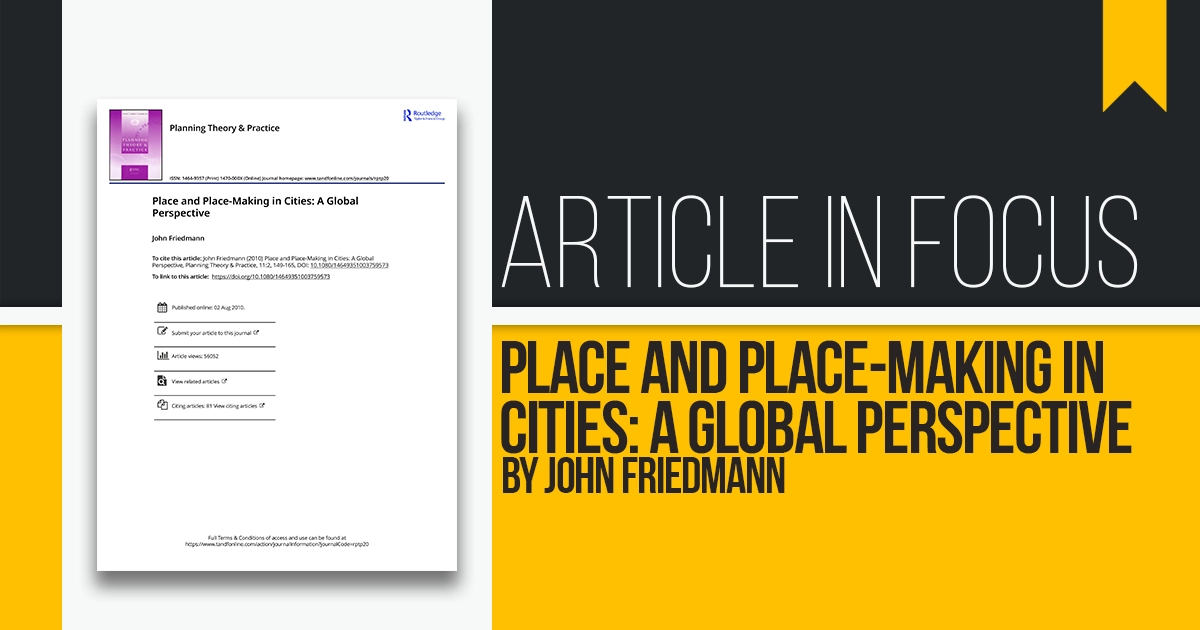
Often in the field of architecture and urban theory, ground reality is overlooked while creating lofty theories. There are very few texts that offer a bridge between spatial design and reality, and even fewer that are as comprehensive as John Friedmann’s 2010 article, “Place and Place-Making in Cities: A Global Perspective”. A cornerstone for understanding the transition of the physical environment from a mere space to a living place, it was published in the journal Planning Theory and Practice.
Friedmann is commonly considered the father of modern planning theory. In this article, he challenges the tendency of the architectural profession to consider architecture as a collection of objects holding aesthetic appeal. Instead, he situates it as the backdrop to human drama. Reviewing Friedmann for an architecture journalist thus goes beyond summarising the text to explore the methodology of the critique of urban theories.
Structure and Priority
John Friedmann restricts the use of academic jargon and prioritises clarity. His writing reflects a rigorous progression of logic with a structured argument divided into clear thematic blocks. He begins with the definition of a place, and then delves into the historical evolution of place-making, eventually covering the threats due to globalisation and the necessity of inclusive governance. The highlight of Friedmann’s writing for a journalist is social agency. Instead of beginning with blueprints or materials, he begins with the human body and its relationship with the surroundings. His focus is not on the buildings but rather on the life between them. He believes that space-making is not a sterile act conducted in isolation, but rather a continuous process involving residents, government bodies and capitalist entities (Friedmann, 2010).
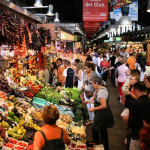
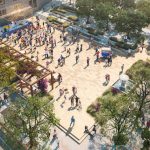
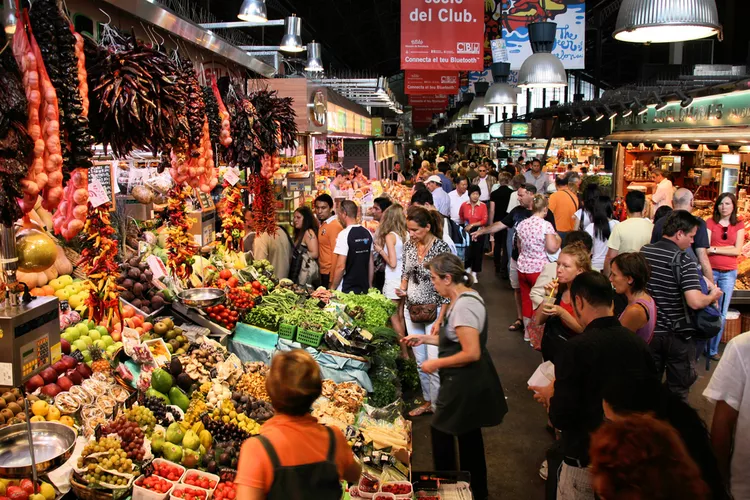
Friedmann rarely uses poetic words like skin or form to describe architecture; he describes it through its utility and meaning. He uses terms like neighbourhood, threshold, and commons to describe the architecture of the city. To him, architecture is a container for society, with the built environment being a repository of collective memory. In his view, the role of an architect is to facilitate and not to create the life within a building. A building to him is incomplete without being modified, inhabited and given meaning by its users. This is an important perspective for an architectural journalist to remember: to write about a building is to write about its inhabitants. When the inhabitants are missing from the narrative, the architecture remains an empty shell.
The Journalist’s Takeaway
John Friedmann does not describe the world as it is, but rather as it should be, making his writing style normative. His writing reflects a sense of moral urgency. It jumps from global theories of Martin Heidegger to the local realities of cities in China and Latin America, seamlessly. Very early on in the article, he provides clear definitions of the terms space vs place, creating an anchor for the upcoming discourse. He uses global case studies as examples to illustrate his arguments, such as the impact of neoliberalism on creating placelessness; standardised developments or non-places that look the same everywhere. He concludes with an actionable framework, which makes the theory more accessible for planners (Friedmann, 2010).
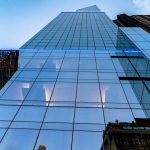
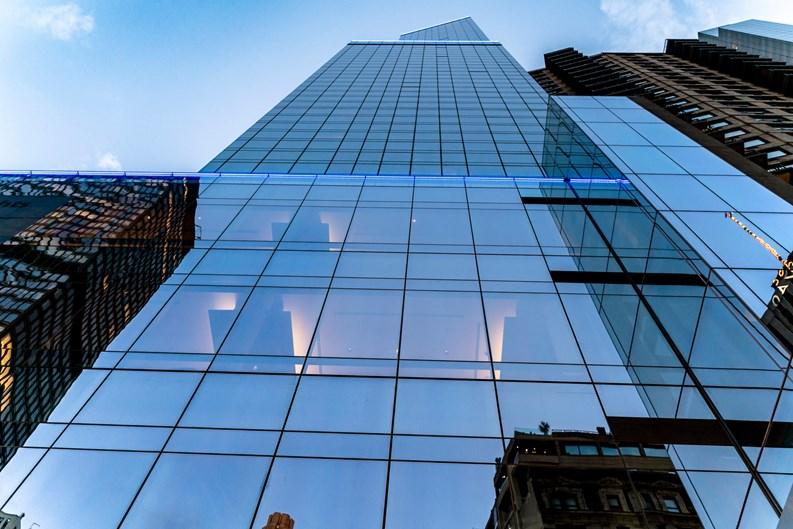
Friedmann highlights the danger of spectacle architecture. He warns that when cities compete for global investment, they often build iconic landmarks that have no connection to the local culture or history. These are non-places, spaces of transit and consumption that do not foster social belonging. Thus, criticising placelessness. The article explains the power dynamics of a design, emphasising the politics of place-making. From dictating what a place looks like to excluding certain communities. He pushes the journalist to look beyond the architect’s vision and investigate the invisible might of entities that shape the urban fabric. He argues for the durability of memory, explaining how the value of a place is tied to its historical depth. Architecture serves as a physical record of a community’s past. When old neighbourhoods are demolished for new glass boxes, it is not just changing the skyline; it is erasing a community’s identity.
A Reflection
Sixteen years after the article was published, its relevance has only increased. Place-making has emerged as a vital factor in fostering resilience and survival amid massive migrations and climate change. John Friedmann’s insights prompt journalists to explore whether a project benefits the community or the individual, to examine whose history is honoured and whose is overlooked, and to assess whether the design is open and accessible to the local culture.
This article is the essential antidote to the ostentation of architecture today. With people getting caught up in the novelty of technology, Friedmann manages to remind us that technology is secondary to the human spirit. The most profound takeaway from Friedmann is that place-making is never finished. A building is not a static object; it is an evolving social entity. The article entrusts architectural journalists with a responsibility to adopt Friedmann’s unbiased, human-centric tone. We should celebrate spaces that enable the public to take ownership and transform them into meaningful places. Ultimately, Friedmann’s work is a plea for sensitivity and empathy. It suggests that the city is not a machine for living but a place for growing (Friedmann, 2010).
Reference list
Friedmann, J. (2010). Place and Place-Making in Cities: A Global Perspective. Planning Theory & Practice, 11(2), pp.149–165. doi:https://doi.org/10.1080/14649351003759573.