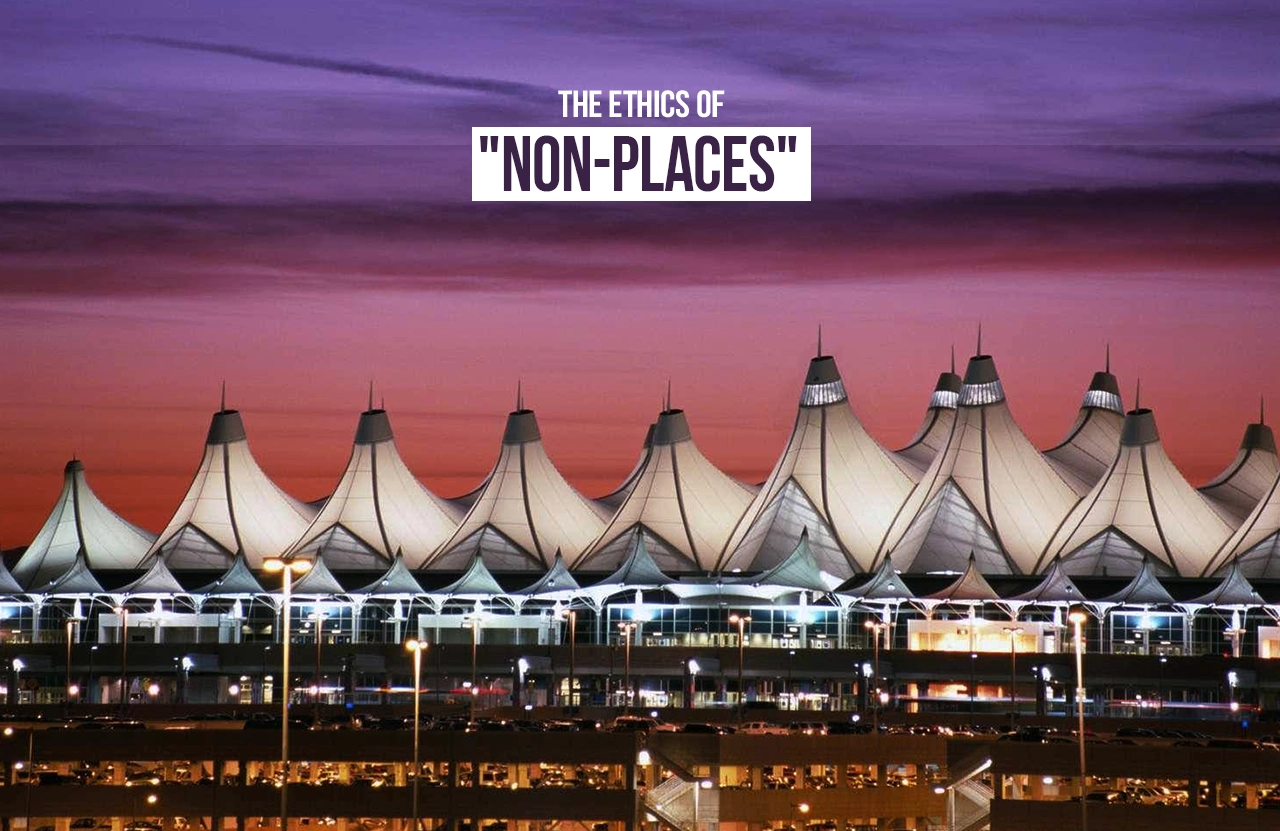
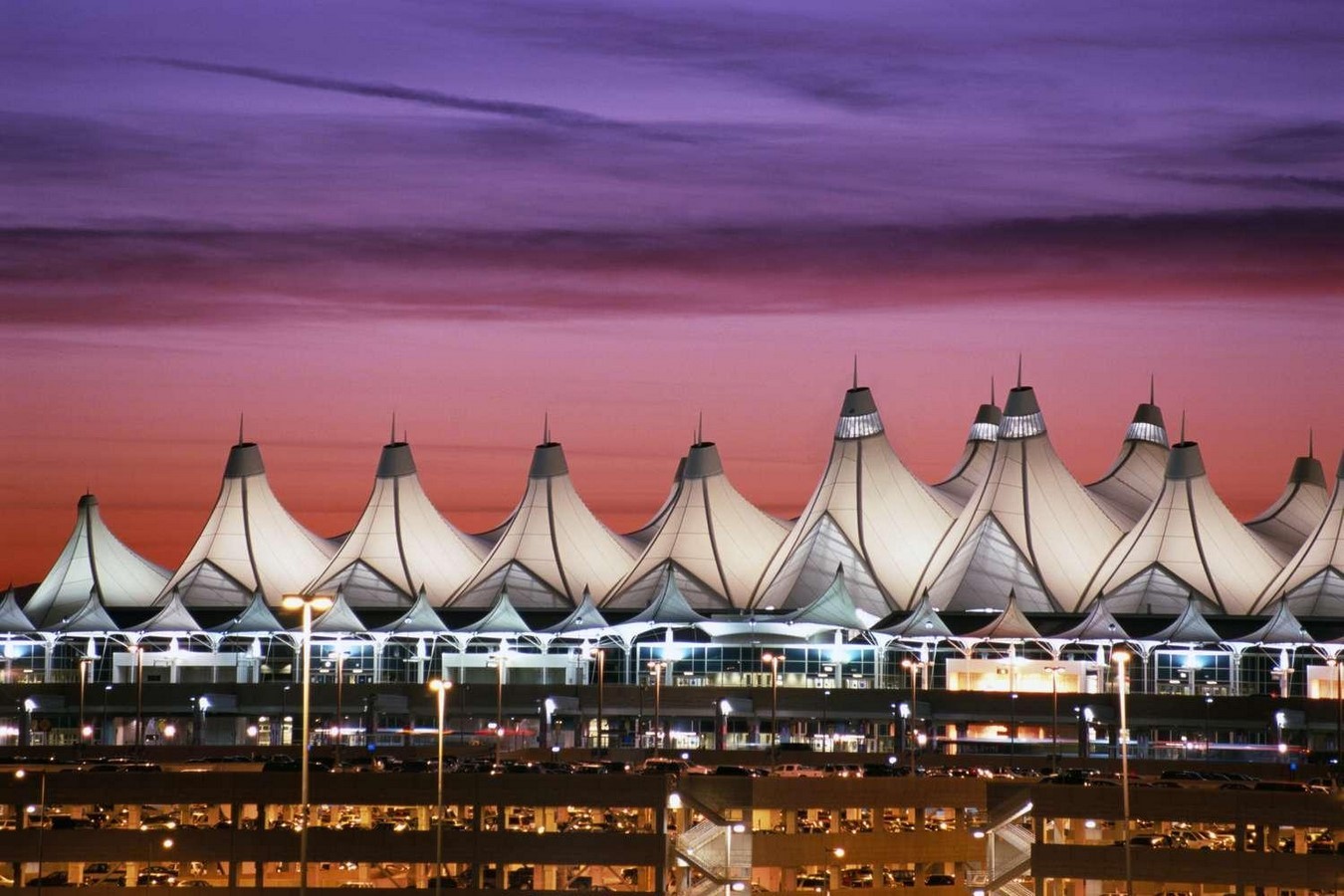
Architecture is both the art and science of creating and shaping places. Spaces serve as vital anchors that shape human experiences. For such a profession, the term non-lieux or “non-places” is particularly striking. Coined by French ethnologist Marc Augé, it refers to places of transience in a supermodern world. Places like airports, motorway service stations, and hotel chains are designed for transit or leisure, where human beings can disconnect and experience anonymity, and are thus termed non-places” As the number of these places continues to rise, the architect faces an ethical dilemma that goes beyond the mere construction of these spaces; rather, it asks whether their construction would create a world that strips humans of their identity, history and social construct (Augé, 1995).
The Absence of Anthropological Value
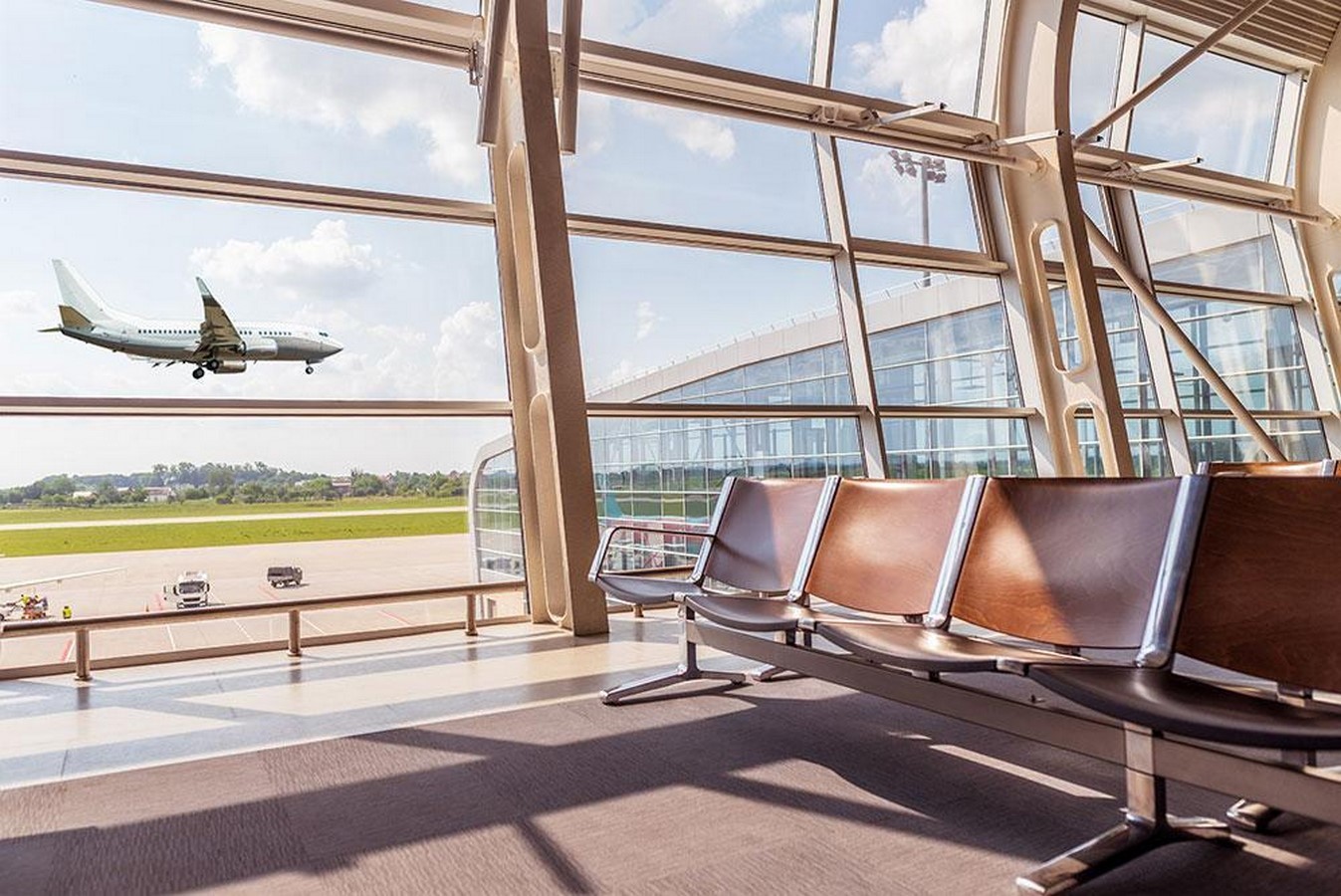
To understand the notion of a non-place, one must first recognise its binary opposite, a term Marc Augé refers to as the Anthropological Place. A true place has history; it is a space where people have a shared identity and where social connections drive architectural decisions. By contrast, a non-place is interchangeable. An airport lounge in Singapore, for example, could feel identical to one in Berlin. It provides solitude to the user of that space so that even in a crowd of thousands, one is not a citizen but rather a passenger or a customer. One’s right to exist in the space depends solely on the procurement of a ticket, a passport or a credit card (Bar-Eli, 2025)
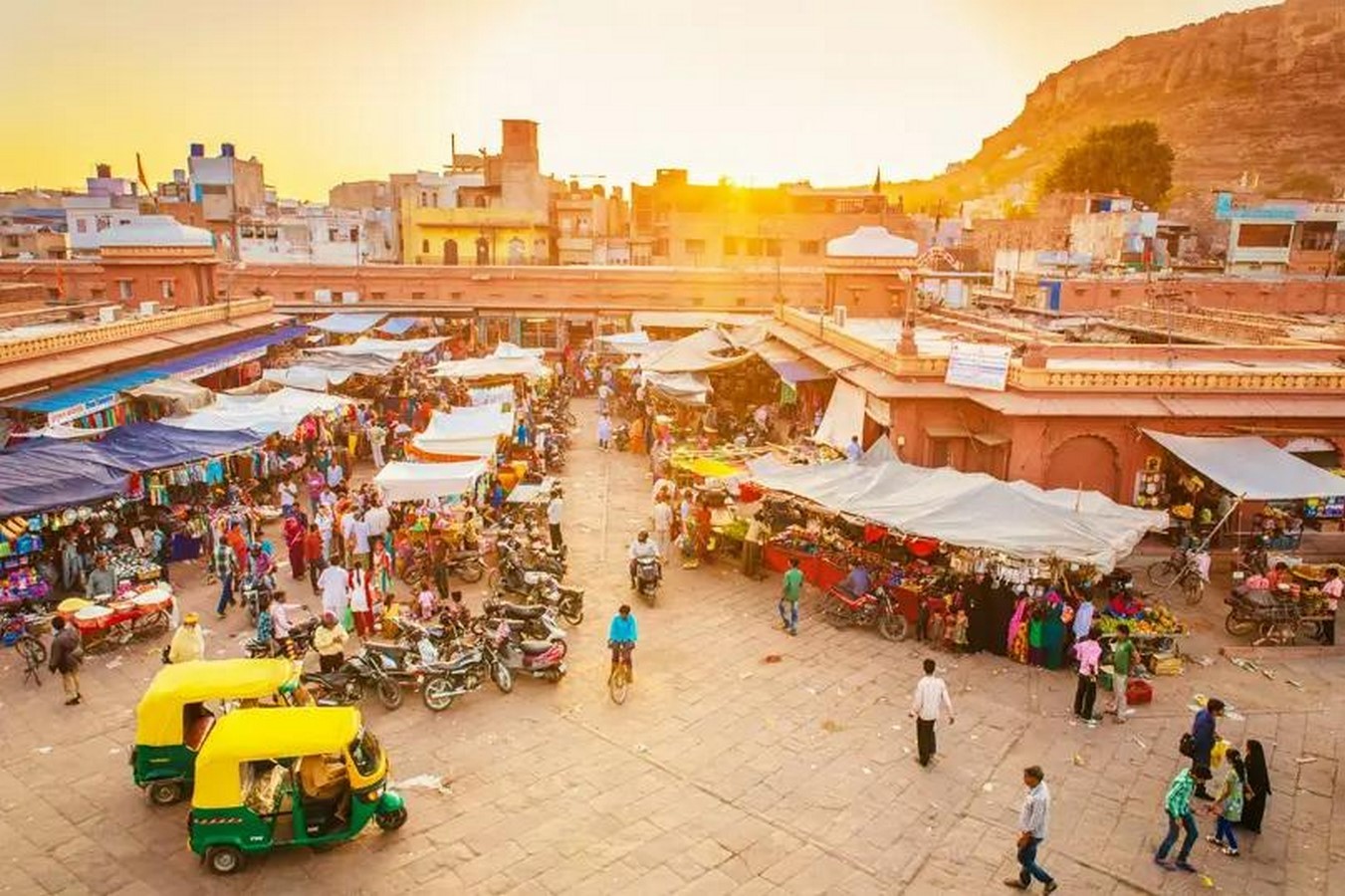
In a town square, you are recognised by the town’s people. In a mall, on the other hand, you are only known by your bill. The primary ethical concern of a non-place, thus, is the erasure of the individual. It creates an architecture of standardised patterns. When one designs for anyone, one ends up designing for no one. In a place like this, the user has no responsibility towards the space or the people. The anonymity in this case leads to urban loneliness (Rafizadeh, 2024). In a hyper-modern megalopolis, when everyone is constantly in transit, nobody pauses to create real connections.
Designing for Friction
The ethics of Marc Augé’s theory come face-to-face with the reality of the politics of an urban setting when a non-place becomes defined by a contract in the form of a ticket or a purchase. A place like this becomes exclusionary by definition. An airport, for example, is a place of convenience for a business person; however, for an undocumented migrant, it is a place of legal ambiguity, a place of being physically present but legally absent. These sanitised transit hubs were designed to overlook these frictions of real life. The ethics of the non-place demand that we ask: Who are we designing to keep out?
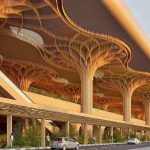
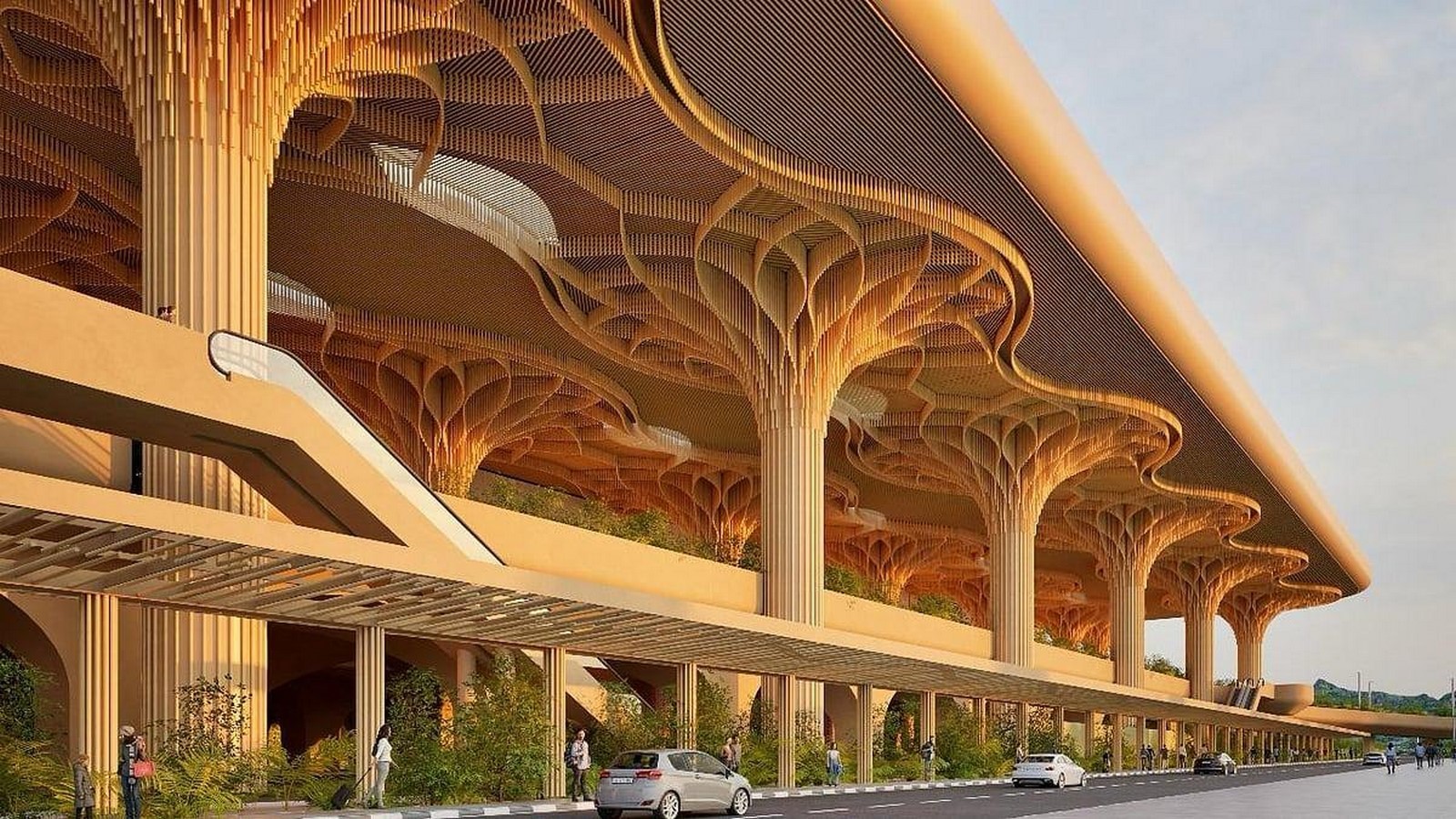
With a new movement in architecture, attempting to reclaim the non-space, architects have started to realise the design failure of an excessively smooth mall or a highway stop. An ethical space allows for friction; it enables acceptance of chaotic human interactions. The usage of local materials, which celebrate the geographical context of a region, has started breaking the interchangeability of global chains. With the hybridisation of civic amenities into non-spaces, such as Jewel Changi Airport’s effort to become a public park, these spaces have begun to be claimed by the general public.
Digital non-places
We must also consider that in the 21st century, the “non-place” has migrated online. Our digital interfaces, social media feeds, Zoom rooms, and virtual metaverses are the ultimate Marc Augé environments. They are spaces of total transience and data-driven anonymity. The ethical responsibility of the architect is now to bridge the gap between the digital non-place and the physical place. If we spend our transit time staring at a screen, the architecture of the station or the airport becomes even more invisible. Architects must design “anchors”, physical interruptions that force the user to look up, engage with their surroundings, and remember that they are more than just a data point in a terminal.
From Transit to Dwelling
Marc Augé famously stated that “the non-place is the opposite of a home.” As architects, it is our duty to reconcile this opposition. We cannot stop building airports or motorways, but we can stop building them as vacuums of identity. The ethics of architecture in today’s time period require us to treat every square meter of a non-place as an opportunity for place-making. We must move away from the efficiency of the flow and toward the quality of the pause. By injecting history, local context, and social permeability into our transit hubs and malls, we can transform the non-place from a site of alienation into a stage for urban life. Architecture is not just about the destination; it is about ensuring that even in the “between” spaces, we remain human.
References:
Augé, M. (1995). Non-places: An Introduction to Supermodernity. London: Verso.
Bar-Eli, A. (2025). Reciprocal Architecture – Non-Places That Are Not Fully Such. Athens Journal of Architecture, 11(2), pp.157–180. doi:https://doi.org/10.30958/aja.11-2-3.
Rafizadeh, H.A. (2024). Decoding Urban Loneliness: Exploring an Emerging Concept. Scholarly Journal of Psychology and Behavioral Sciences, [online] 8(2), pp.1004–1016. doi:https://doi.org/10.32474/SJPBS.2021.06.000284.