Beyond Designing Physical Spaces

Architecture, for me, has slowly shifted from being a discipline of designing spaces to understanding how spaces begin to hold people, emotions, and time within them. In the early years of studying architecture, design often appears as an exploration of creativity, abstraction, and visual expression. Studios encourage imagination and experimentation, allowing ideas to exist freely without the limitations of reality. However, as my understanding of architecture has evolved, I have started noticing that the most meaningful spaces are rarely remembered for their visual or technical brilliance. They are remembered for the experiences they quietly host and the memories they allow to grow.
There are certain places that I cannot revisit physically anymore, yet they remain present in fragments of memory. These fragments are rarely tied to plans, elevations, or materials. Instead, they exist through sensations and routines. A corridor that carried the smell of chalk dust and damp monsoon air, a staircase that received evening sunlight at the same hour every day, or a courtyard that unintentionally became a gathering space during festivals. These memories are not architectural drawings, yet they represent architecture in its most lived and human form.
Emotional Relationship Between Users and Spaces
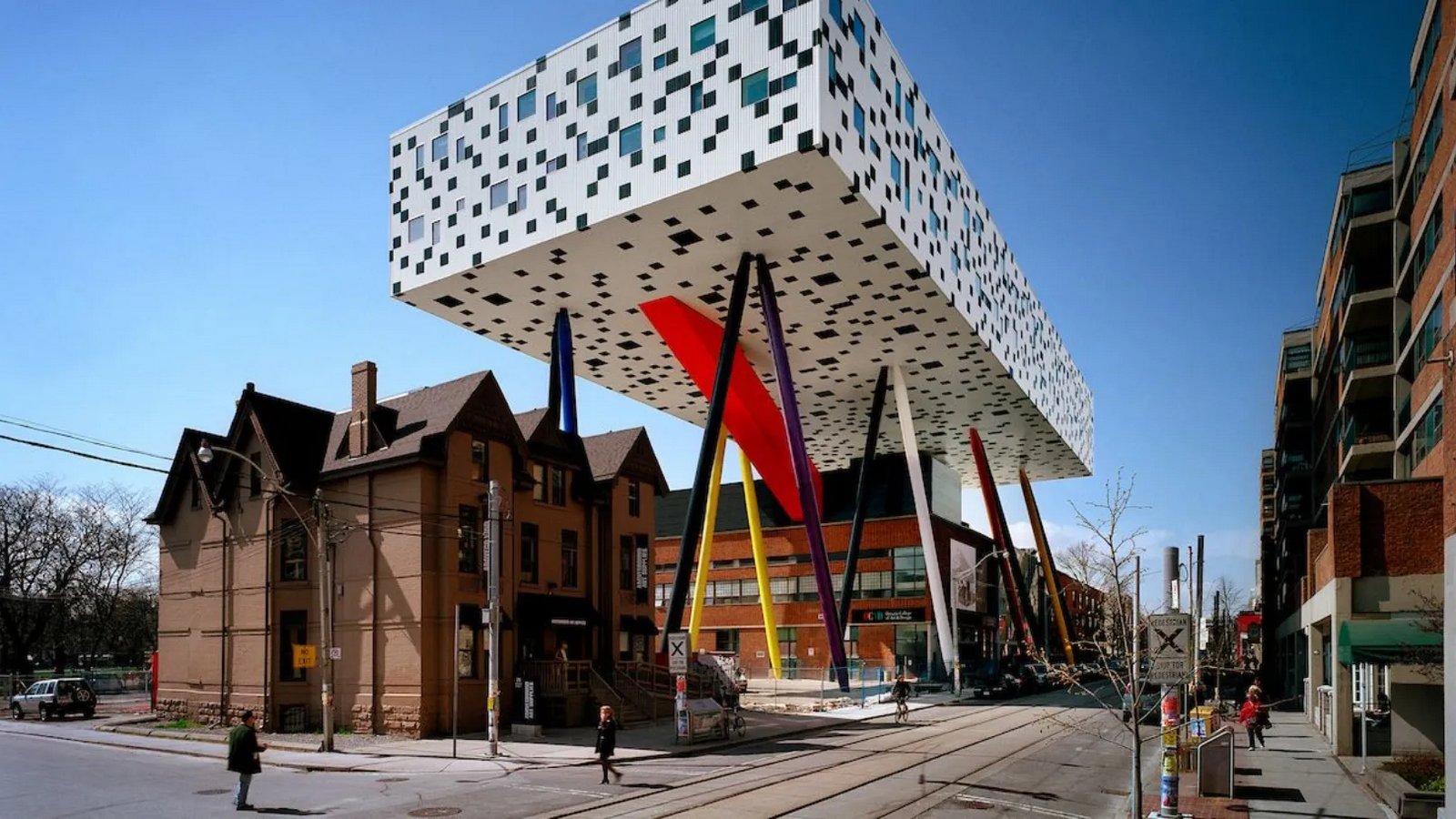
Architecture is often taught as the language of structure, functionality, sustainability, and spatial efficiency. These aspects remain essential in shaping responsible and practical design. Yet, the emotional relationship between users and spaces is rarely addressed with equal emphasis. Buildings are usually evaluated through performance, durability, and aesthetics, but their ability to hold human experiences is less frequently acknowledged.
Over time, I have begun to realise that architecture quietly becomes the background against which everyday life unfolds. Walls listen to conversations that are never repeated. Floors witness celebrations and grief with equal stillness. Transitional spaces such as corridors and staircases carry hesitation, excitement, and personal decisions that define individual journeys. These experiences accumulate gradually, allowing architecture to transform into an emotional archive that records human interaction without visibly altering its physical form.
Permanence of Architecture and Temporality of Human Experience
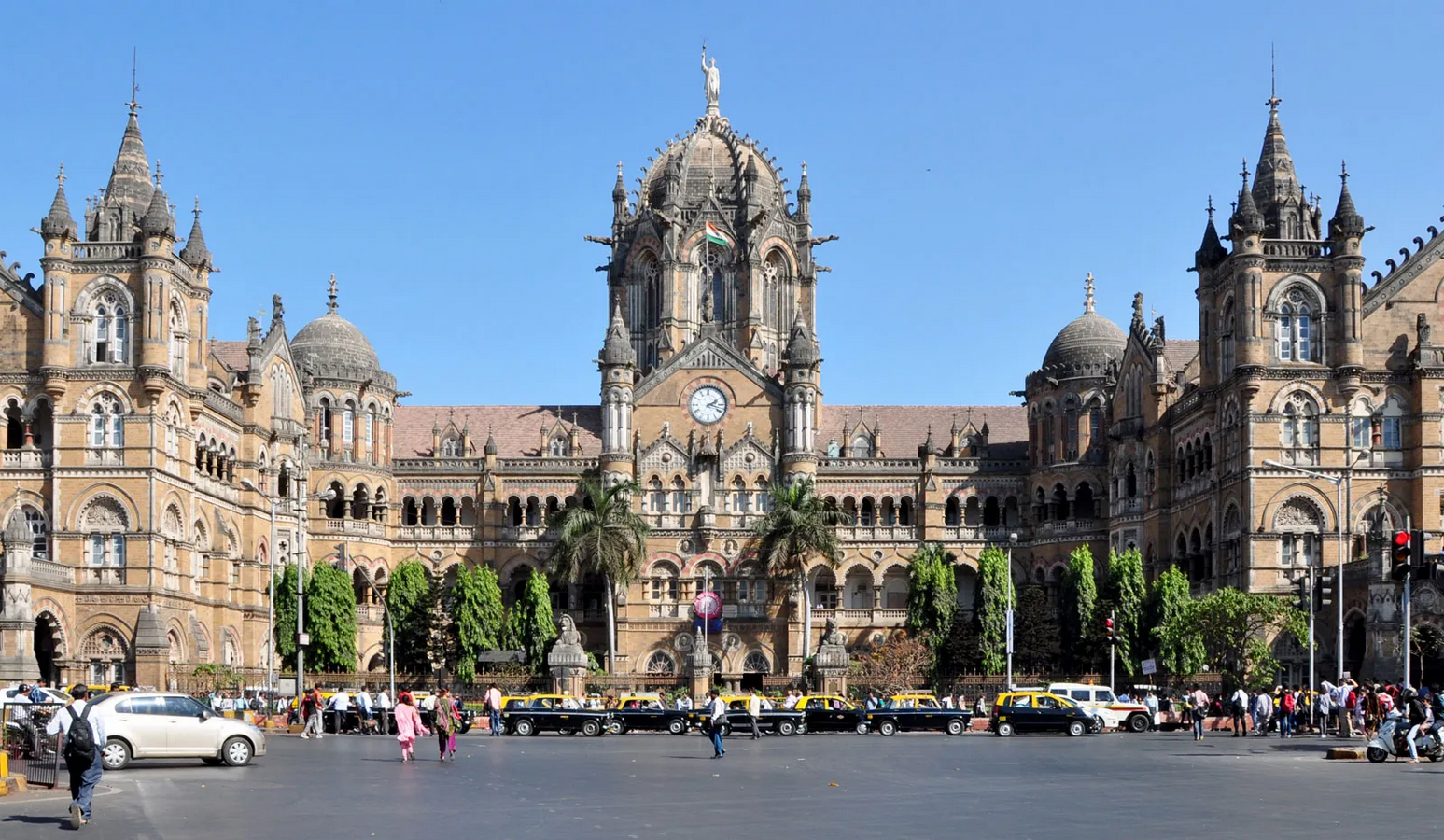
One of the most fascinating aspects of architecture is the contrast between its permanence and the temporary nature of human experience. Buildings are often designed to last decades or even centuries, while the activities and emotions within them constantly change. A public space such as a railway station may remain structurally unchanged for years, yet thousands of personal narratives pass through it daily.
These spaces gradually transform into collective emotional landscapes. Reunions, departures, celebrations, and moments of uncertainty all coexist within the same environment over time. This contrast highlights that the success of architecture may not always lie in visual or structural longevity, but in its ability to remain emotionally relevant across generations. A building that people associate with life experiences often holds deeper cultural significance than one remembered only for its appearance.
Designing Spaces that Allow Memory to Form
Another observation that has shaped my understanding of architecture is the difference between designing nostalgic spaces and designing spaces that allow memories to form naturally. Nostalgic architecture often attempts to recreate past aesthetics or cultural symbols. While such spaces may evoke familiarity, they sometimes restrict the possibility of new experiences.
In contrast, spaces that allow natural light to change throughout the day, encourage informal gatherings, and provide flexible spatial transitions tend to create stronger emotional associations. These spaces do not dictate behaviour but allow users to shape them through everyday interaction. The most memorable environments are often simple and honest, where people gradually develop a sense of belonging through repeated use and personal adaptation.
Designing for memory therefore requires subtle sensitivity rather than visual dominance. It involves creating spatial conditions that encourage participation, comfort, and continuity.
Rethinking Architectural Responsibility
As a student, there has been a constant emphasis on innovation, experimentation, and creating visually striking designs. While these ambitions are necessary for creative growth, they sometimes overshadow questions regarding emotional longevity. It becomes important to ask whether a space will remain meaningful after years of occupation. Will users be able to personalise it according to changing needs? Will the building age gracefully both physically and emotionally?
These questions rarely dominate academic discussions, yet they play a crucial role in determining whether architecture becomes timeless or simply temporary. Architecture does not completely control human experience. Instead, it provides a framework within which experiences unfold. Recognising this limitation encourages a more human-centred approach to design.
Observing how people interact with spaces has also been a humbling experience. Informal seating arrangements appear where none were designed. Corridors transform into discussion zones. Open spaces gradually evolve into cultural or social nodes based on collective behaviour. These transformations reveal that architecture is never entirely controlled by designers. Architects initiate spatial frameworks, but users complete them through occupation and adaptation.
Learning Architecture Through Observation
Reflecting on my journey of studying architecture, I realise that the projects that influenced me the most were not necessarily the ones that achieved academic recognition. They were the projects that encouraged observation, questioning, and understanding human behaviour within spaces. Architecture has gradually shaped the way I observe the world, teaching me to recognise emotions embedded within physical environments.
It has shown me that meaningful design is not always visible or celebrated. Sometimes, it exists quietly within everyday routines and shared experiences. This understanding has made architecture feel less like a profession of constructing buildings and more like a discipline that studies how people live, interact, and remember.
Conclusion: Architecture as a Silent Witness

Perhaps the most significant architecture is not the one widely recognised for its form or scale. It may be the one someone remembers years later without fully understanding why, only recalling that it once felt comforting, safe, or important. Architecture gains its true permanence when it becomes a part of human memory rather than remaining a physical object alone.
In this way, buildings do not simply stand within cities or landscapes. They stand within people, becoming silent witnesses to human life, memory, and time.