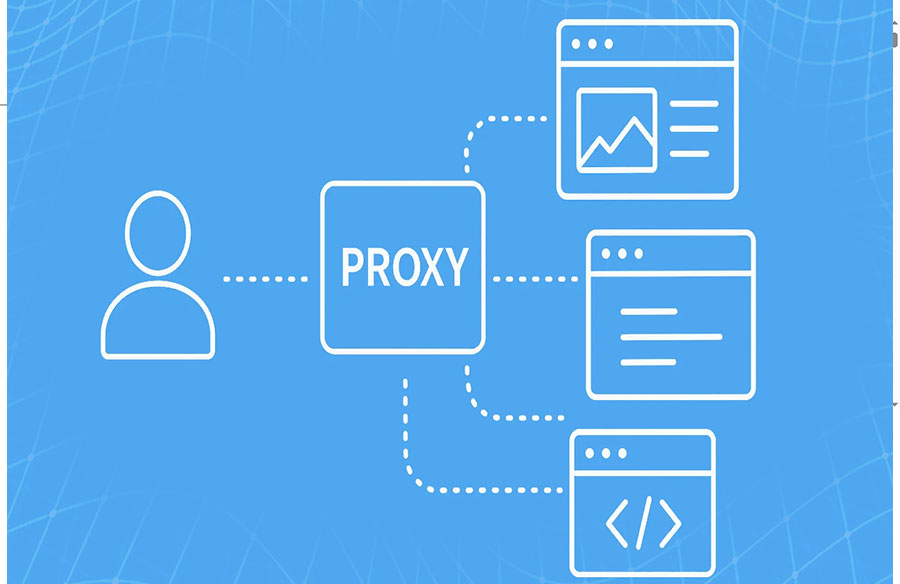
Proxies are the backbone of modern digital operations from ad verification and account management to e-commerce automation, web scraping, and data collection.
Yet, while most users focus on IP quality, the pricing model often plays a bigger role in determining whether your setup is truly cost-efficient or silently wasting budget.
Two models dominate today: IP-based (Pay per IP) and GB-based (Pay per GB). Each serves a different type of workload, and understanding how they work helps you align your costs with performance, not against it.
1. Two Models, Two Mindsets
Most proxy providers, especially those offering residential proxy services, structure their services around one of two logics.
- IP-based pricing lets you subscribe to a fixed number of IPs or ports for a defined period (e.g., monthly or yearly).
- GB-based pricing charges by the amount of bandwidth you consume while accessing a shared IP pool.
The key question isn’t “Which model is better?” but “Which model fits your usage pattern, traffic volume, and stability requirements?”
2. When IP-Based Pricing Makes Sense
An IP-based plan is the better fit when you need reliable, reusable endpoints rather than a constantly changing pool. With 9Proxy, you pay per residential proxy IP and get unlimited bandwidth, which makes it ideal for repeatable workflows where you hit similar targets or routes at scale. Such as ad verification, market research, tracking campaigns, QA, or managing selected high-value profiles.
The main advantage is cost and behavior predictability: you know exactly how many IPs you control, how they behave, and how they map to your tools or tasks. That makes it easier to structure your setup, segment projects, and monitor performance without worrying about surprise bandwidth charges.
The limitation of the IP-based model doesn’t come from quality but from its fixed structure. It performs best when your workload is stable and consistent. However, if your needs are mostly short-term or your traffic fluctuates frequently, you might end up purchasing more IPs than you actually use. In such cases, from a cost perspective, IP-based plans can be less flexible and sometimes less efficient than GB-based ones, which allow you to pay only for the bandwidth you consume.
Best for: teams that value consistent performance, clear mapping between IPs and workloads, and transparent, predictable costs while still leveraging residential quality.
3. When GB-Based Pricing Fits Better
GB-based pricing connects cost directly to activity. Instead of paying for static IPs, you pay for the bandwidth you actually use, ideal for high-volume or unpredictable workloads.
This model thrives in data-heavy environments like scraping, crawling, SEO monitoring, or automation where you rotate IPs frequently and access multiple GEOs. It adapts naturally to campaigns that expand and contract over time.
The trade-off is that flexibility requires attention. Without monitoring, bandwidth costs can rise quickly. For smaller, long-term setups, GB-based may not be as cost-effective as IP-based.
Best for: teams focused on large-scale data collection, frequent IP rotation, and variable or campaign-based traffic.
4. Choosing the Right Fit
| Factor | Pay per IP | Pay per GB |
| IP Stability | Consistent for long-term use | Rotating for flexible workloads |
| Scalability | Fixed by IP count | Scales with data usage |
| Control | Clear IP-to-account mapping | Managed via bandwidth policies |
| Cost Predictability | Stable, easy to plan | Dynamic, needs monitoring |
| Best for | AdOps, e-commerce, social accounts | Scraping, automation, geo research |
Each model solves a different problem. The challenge is that many providers only offer one, forcing users into rigid structures or making it hard to compare performance and cost under the same quality level.
The smarter route is choosing a provider that supports both, so you can test, balance, and adjust based on your real-world performance. That’s where 9Proxy stands out.
5. How 9Proxy Supports Both Models
9Proxy gives you the flexibility to run IP-based and GB-based plans side by side on the same platform, making it easier for users who want to buy residential proxies. No switching accounts, no sacrificing quality.
- IP-based plans start from $0.018/IP, designed for long-term infrastructures and account stability.
- GB-based plans start from $0.68/GB, optimized for scraping, automation, and data-driven workloads.
Both share the same high-quality network: over 20 million residential IPs across 90+ countries, with consistent performance across all plans.
9Proxy applies a 60-second protection policy for IP-based plans. If an IP doesn’t work within the first 60 seconds, users simply check its status in the Today List. Once the system confirms that the IP is dead, 1 IP is refunded to the user’s balance.
And unlike most competitors, 9Proxy provides real 24/7 human support, not bots. So you get help instantly when it matters.
With one ecosystem supporting both pricing models, you can combine IP-based reliability with GB-based scalability, building a cost structure that truly fits how your team operates.
6. Conclusion
IP-based and GB-based pricing aren’t competitors; they’re complementary tools for different needs. Once you understand your usage patterns, steady vs dynamic, identity-focused vs data-driven. You can mix both to optimize performance and spending.
9Proxy lets you do exactly that: one provider, two models, full flexibility. Choose the structure that fits your workflow, not the other way around.
Explore 9Proxy’s IP and GB plans today, and scale smarter with a setup that truly fits your business.