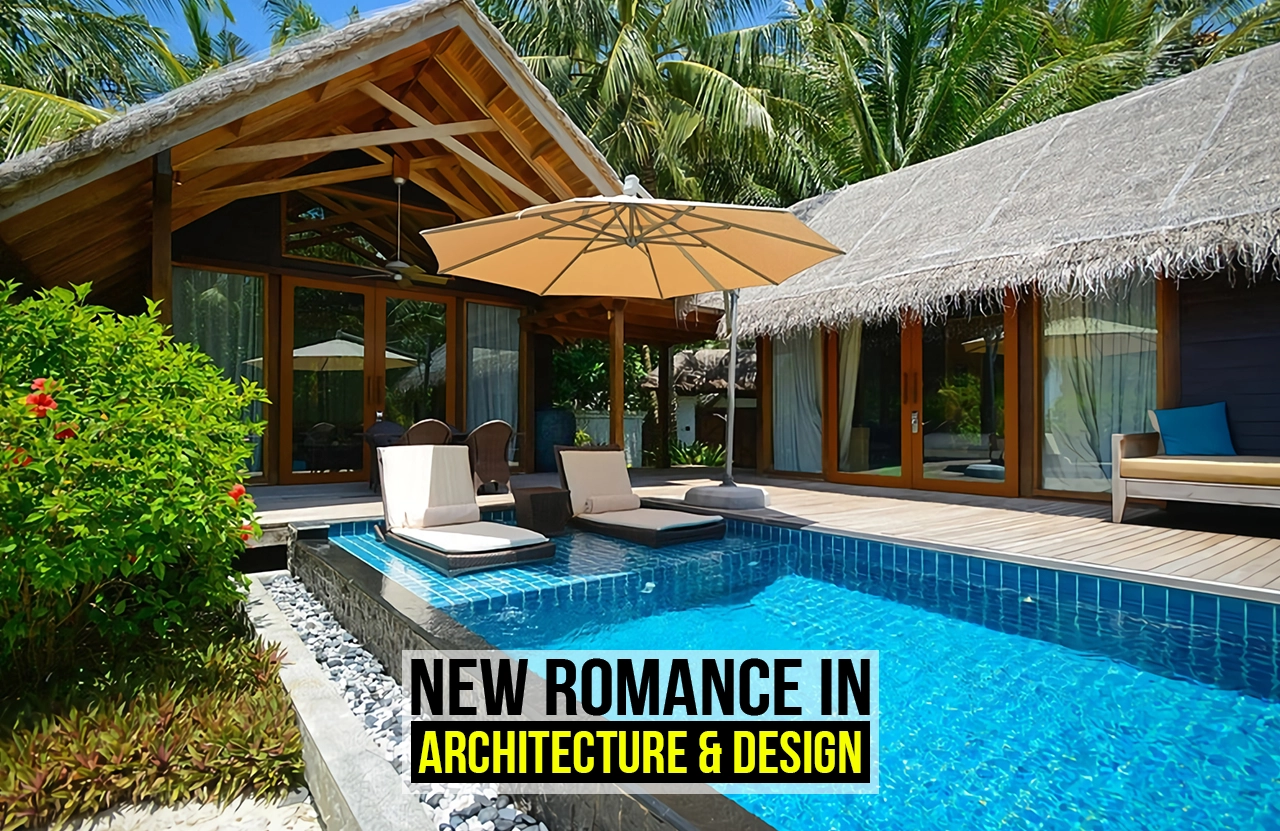
White bedsheets, soft ambient lighting, scattered rose petals, a bubbling Jacuzzi, and flickering candles. The time for this overly Pinterest-like romance is definitively over. Not because romance itself is outdated or irrelevant, but because the hospitality industry keeps recycling the same tired visual shorthand like a broken record, and that’s what’s truly over for experienced, discerning clients (there are far more experienced clients than design studios and hotel hosts actually imagine). The alternative to this champagne-style bullshit in contemporary architecture & design is called the new romance. Here are examples of how it is anticipated to work.
What the Client Wants?
Traditional romantic design operates on complete autopilot. Hotels routinely offer identical romance packages, restaurants simply dim the lights and call it atmosphere, and residential developers sell couples’ retreats with virtually identical floor plans. It looks like they genuinely believe that intimacy can be standardized and sold like mass-produced furniture. This reductive approach presumes that human connection requires nothing more than a simple checklist of predictable, predetermined elements.
But it doesn’t work like that.
Let’s think carefully about who seeks romantic spaces and why. The hetero-normative couple checking into a boutique hotel? Probably still exists – but not as the only target audience anymore. Partners in non-traditional relationships or solo-travelers seeking meaningful self-intimacy – they also actively seek intimacy and demand thoughtfully designed spaces that exist beyond the tired rose-petal playbook.
They do not want generic templates. They notice absolutely everything – the deliberate scent protocol, the sophisticated acoustic treatment, the tactile quality of every single surface. They’ve experienced attentive Airbnb hosts who truly understand ambiance. They’ve dined at restaurants where the designer clearly considered how bodies move through space, how conversations naturally unfold, and how anticipation gradually builds.
Technology Support
Smart hotel rooms ambitiously promise romantic experiences through app-controlled lighting, temperature adjustments, music selection, and scent diffusion systems. But here’s the uncomfortable, necessary question – does technology genuinely facilitate intimacy or simply become another frustrating barrier between humans and their authentic, genuine connection?
When guests spend their first ten precious minutes in a suite wrestling with a complicated tablet interface just to dim the lights, romance dies immediately on arrival. The paradox of tech-enabled rooms is that they often require detailed instruction manuals. That’s precisely what the new romance movement changes, imposing strict requirements to implement technologies that are invisible, seamless, and intuitive.
A room that automatically remembers your preferred wake-up lighting without you touching a screen? Yes, that’s a meaningful part of intimacy and tangible proof for a love-yourself being. A room that requires you to manually programme seventeen different settings before you can actually relax? No more, thanks.
What New Romance Is Not?
A hotel offering an intimacy kit with massage oil is not new romance – it’s old romance with straightforward, unimaginative product placement. Exclusivity without genuine emotional intelligence, where price attracts significantly more attention than the actual design concept, is not new romance – it’s just expensive luxury. Spaces that deliberately perform intimacy for social media rather than authentically facilitating it for real people are not the new romance – they’re just empty, superficial backdrops. Residential spaces with predictable amenity checklists, such as a soaking tub or a wine refrigerator, are not new romance – they’re just a reduction to the basic infrastructure checklist.
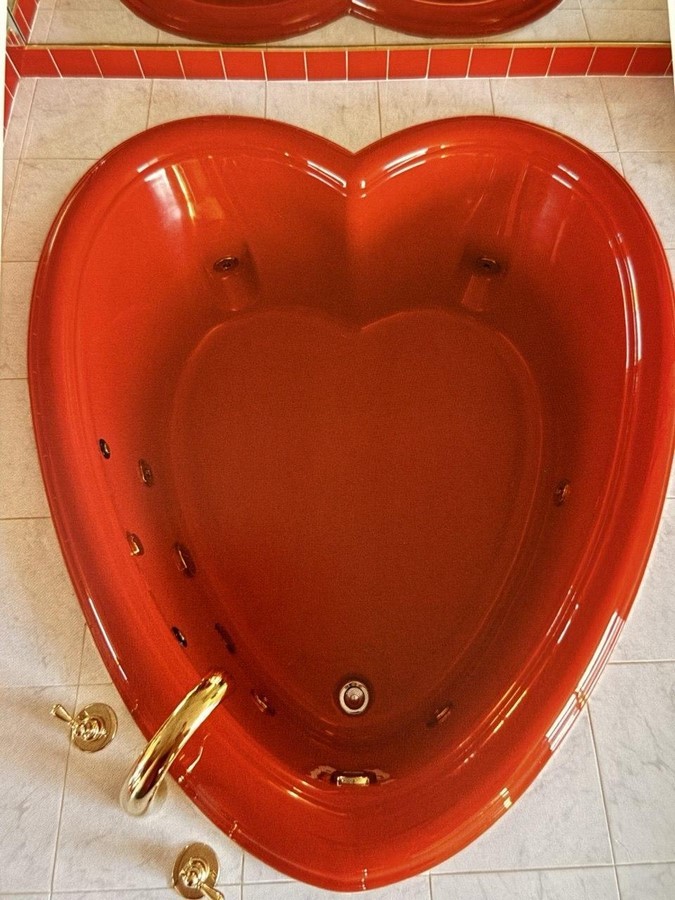
Another weird contemporary trend is a nostalgic longing for a period before the sexual revolution. A period historically marked by so-called fantasy suites, mass hysteria about visiting the iconic Cove Haven Resort in the Poconos, and a must-visit attraction in the form of the infamous heart-shaped tub there. But it looks a little like artificial respiration, not the new romance at all.
New Romance in architecture & design should intentionally create a transformative environment for people’s meaningful connection and actively deepen feelings of love. Not less than that.
Case Studies?
The trick with the new romance is that there are no clear, definitive examples of projects that originally fit it perfectly. The reason is that this emerging concept assumes not only good taste and advanced architecture & design techniques but also a deep, nuanced understanding of psychological and sexological issues. And that’s not what most architecture & design studios currently treat as their primary job or responsibility.
New romance requires fundamental rethinking, not just superficial surface updates. It demands that we question whether intimacy even requires the specific elements we’ve long assumed to be essential. Does romantic dining need low lighting, or does it need thoughtful acoustic design that allows intimate conversation without eavesdropping? Does a romantic hotel room need a specific well-recognized aesthetic or not? These critical issues are still actively under research.
The good news is that it means the niche for the new romance in architecture & design is still completely open and unexplored.