Step into almost any modern office or condominium and you see the same thing repeated: modular furniture, mass-produced surfaces, a design that feels efficient but lifeless. These spaces serve function, but rarely identity. In an era where personalization drives consumer choices, architecture and design cannot ignore the growing demand for interiors that feel distinctly human. This is where custom furniture has moved from a niche option to a central design strategy.
The Return of Human-Centered Design
Architects and designers have always spoken about “human-centered design.” In practice, the concept often collapses into ergonomic chairs and standardized fixtures. True human-centered design requires more than comfort; it requires an emotional response. Spaces should reflect the people who live, work, or gather in them. Custom furniture provides a path toward that reflection by translating individuality into tangible form.
When a dining table is built to accommodate a family’s daily rituals, or a work desk is crafted to mirror the flow of a creative process, the result is more than aesthetics. It becomes a living infrastructure of memory, routine, and identity.
Why Standardization Stopped Working
Standardized furniture is a byproduct of industrialization. It made interiors affordable and widely accessible, but it also flattened cultural nuance and personal expression. A chair designed for every user ends up fitting no one in particular. Spaces filled with mass-produced pieces are efficient but unmoored from the people inside them.
This is increasingly misaligned with contemporary design values. Global clients are not asking for a replica of someone else’s office, or the same apartment finish as the one down the hall. They want specificity. They want spaces that carry their imprint. And furniture, being the most immediate point of contact in any space, is the logical starting point.
The Role of Craft in Modern Architecture
Architecture has always been about permanence, but interiors evolve. People change the way they live, cities change the way they grow, and design has to move with them. Custom furniture adds a layer of adaptability to architecture that traditional fixtures cannot.
A custom-built bookshelf can respond to an awkward alcove in a heritage home. A modular but bespoke seating system can anchor a flexible co-working space without relying on disposable solutions. These interventions are not simply decorative. They are extensions of architecture itself, responding to the dimensions, rhythms, and textures of a particular environment.
Craftsmanship also introduces accountability. A maker who produces a one-of-a-kind piece stands behind it in a way mass production rarely can. This accountability translates into durability, sustainability, and ultimately long-term value.
Emotional Durability and the End of Disposable Interiors
The sustainability conversation often focuses on materials, energy, and carbon. What it leaves out is the role of attachment. People discard objects they feel no connection to. They keep and care for the ones that carry meaning.
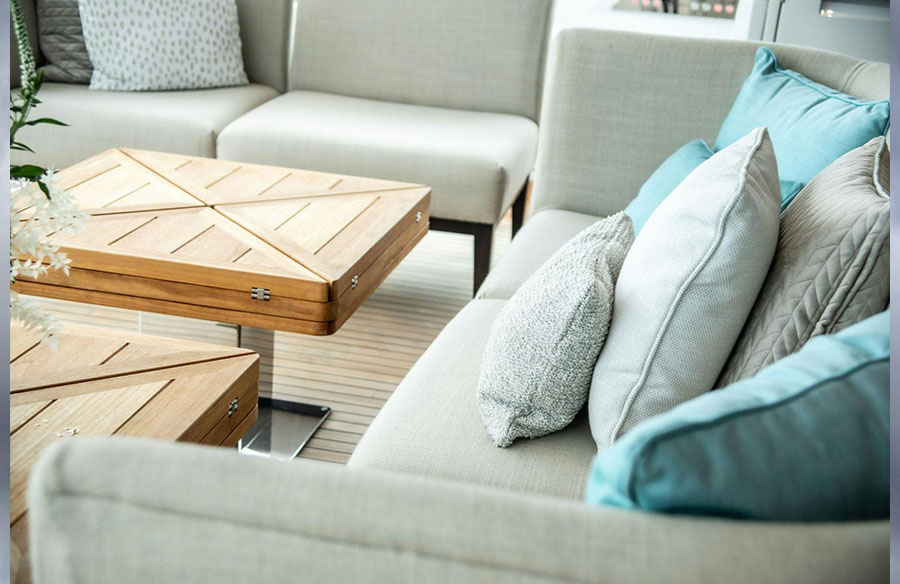
Custom furniture is inherently more resilient because it creates emotional durability. A coffee table designed for a specific home is not easily replaced by a cheaper option from a catalog. It carries the weight of intent, story, and often collaboration between designer and client. This attachment helps reduce turnover and waste in interiors, aligning human preference with environmental responsibility.
Spaces Made Human Through Custom Furniture
Residential Context
In urban residential towers, space is often constrained. Off-the-shelf furniture cannot resolve irregular layouts or maximize limited square footage. Custom solutions, such as built-in dining nooks or convertible shelving systems, allow homes to feel larger, more efficient, and more personal. The apartment becomes less of a compromise and more of an intentional living space.
Workplace Context
Corporate offices have been slow to embrace individuality, but the post-pandemic landscape has accelerated change. Employees expect environments that reflect culture, not bureaucracy. Custom-built communal tables, flexible workstations, and branded lounge areas are becoming markers of identity in workplace design. Instead of spaces that all look alike, companies are turning to interiors that reinforce their distinct values.
Hospitality Context
Hotels and restaurants understand atmosphere as a competitive advantage. Custom furniture defines that atmosphere more effectively than lighting or paint. A lobby bench designed specifically for the circulation patterns of a space is more than seating; it is part of the choreography of arrival. A restaurant table designed to optimize both intimacy and service flow enhances not just the aesthetic, but the entire experience.
Technology and the New Age of Customization
One of the reasons custom furniture is gaining traction today is the integration of technology into design and manufacturing. Digital fabrication tools such as CNC routing and 3D modeling allow for precision and scalability that earlier bespoke furniture could not provide. What was once prohibitively expensive or labor-intensive can now be produced with accuracy and efficiency.
This technological shift also empowers collaboration. Clients, designers, and fabricators can now share visualizations early in the process. Adjustments can be made in real time, ensuring the final product is both practical and visionary. This democratizes custom furniture, making it accessible beyond luxury markets.
Cultural Value: Spaces That Carry Identity
Architecture is a language, and furniture is one of its most expressive dialects. Cultural identity, heritage, and storytelling can all be embedded into a chair, a table, or a screen. Custom furniture allows designers to bring narratives into built environments in ways standardized objects cannot.
For communities, this means more than aesthetics. It means cultural preservation. A custom piece that references local craft traditions, materials, or symbolism ensures that even contemporary interiors remain connected to place. In a world of globalized design, this local specificity is becoming invaluable.
The Future of Human-Centered Interiors
As design shifts toward wellness, personalization, and sustainability, the role of custom furniture will only expand. Architects are beginning to see it not as a supplement to space, but as a co-author of space. By embedding furniture into the design process from the beginning, they create interiors that move beyond efficiency into belonging.
The challenge will be scale. While technology reduces barriers, custom furniture still requires collaboration and investment. The reward, however, is substantial: spaces that feel authentic, resilient, and profoundly human.
Redefining Belonging Through Design
The move toward custom furniture is more than a trend. It reflects a broader cultural desire for spaces that are not just functional, but meaningful. In homes, workplaces, and public environments, furniture defines how we sit, gather, and interact. When those objects are designed specifically for us, the result is not only better design but better living.
Spaces built around mass production feel replaceable. Spaces built around custom furniture feel lived in, cared for, and connected. And that is what makes them human.