Architecture is often discussed in terms of space, material and form. We analyse plans, elevations and sections; we debate aesthetics and sustainability; we critique programmes and circulation. Yet one dimension quietly shapes every project, often without explicit acknowledgement: time. Buildings do not exist only in the present moment of completion. They age, adapt, deteriorate and acquire meaning. In this sense, temporal architecture is not a stylistic movement but a way of thinking, one that recognises time as a fundamental design material.

To design with time requires a shift in perspective. Instead of asking how a building will appear upon inauguration, architects must consider how it will perform across decades. Materials, weather, technologies become obsolete, and social needs evolve. What appears cutting-edge today may feel inadequate tomorrow. Temporal architecture therefore resists the obsession with immediate visual impact and instead privileges durability, adaptability and long-term relevance.
Buildings as Evolving Frameworks
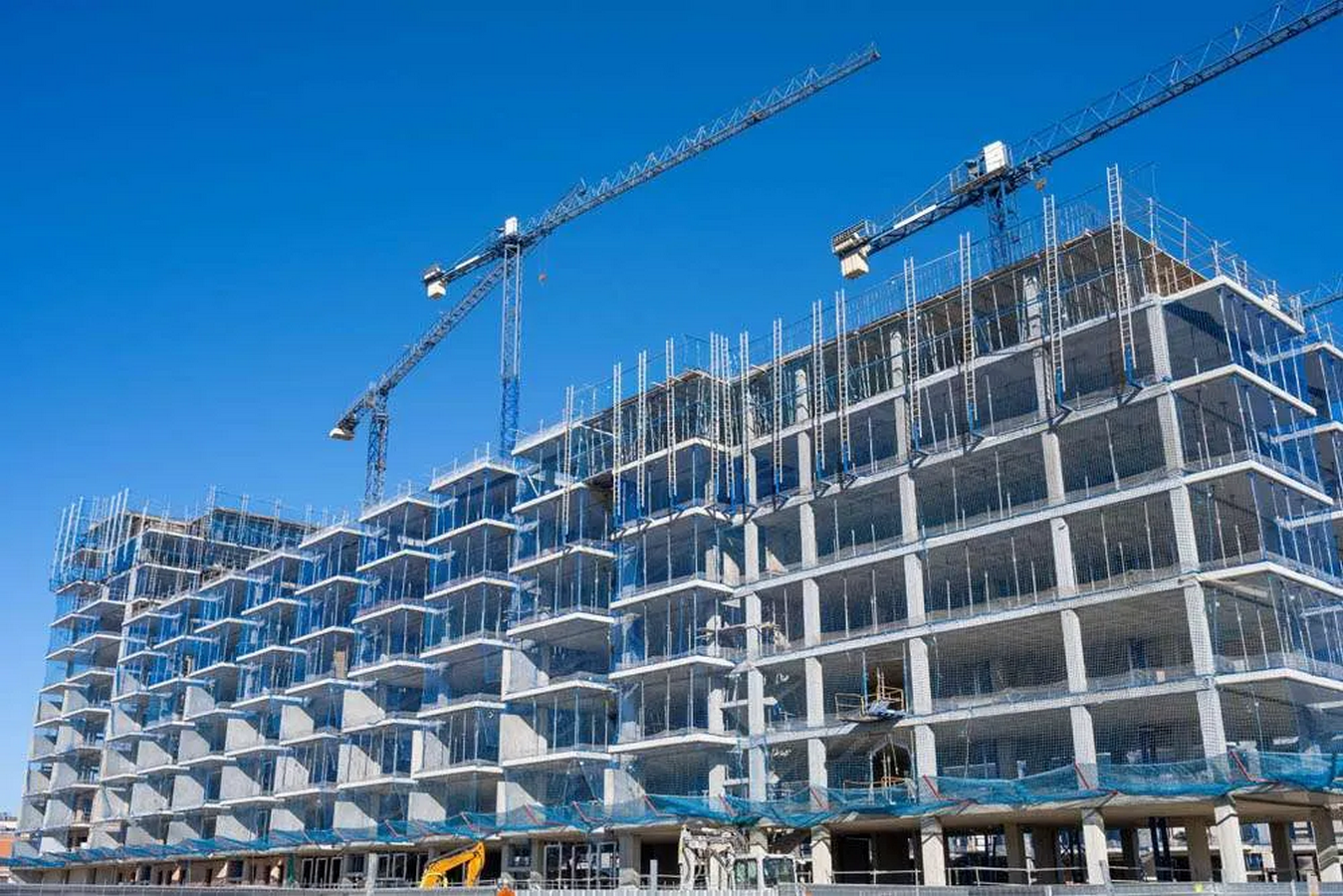
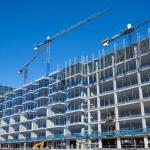
Modern construction has often prioritised efficiency and speed. Fast-track development cycles and commercial pressures encourage rapid delivery. However, such urgency can undermine longevity. When buildings are designed solely around present demands, they struggle to accommodate change. Offices become outdated, retail formats collapse, and rigid floor plates resist reinterpretation.
Temporal architecture proposes an alternative approach: to conceive buildings as frameworks rather than fixed compositions. Flexible structural grids, generous floor-to-ceiling heights and adaptable service systems allow spaces to evolve without complete demolition. This does not mean abandoning formal ambition. Rather, it requires embedding adaptability within the architectural logic itself.
Historic cities provide compelling evidence of this principle. Many older buildings have survived precisely because they were spatially generous and structurally robust. Warehouses transform into galleries, industrial lofts become housing, and civic halls accommodate new programmes. Their endurance is not accidental; it is the result of inherent flexibility. Designing with time means learning from such precedents, acknowledging that permanence is not rigidity but capacity for transformation.
Material Ageing as Design Strategy
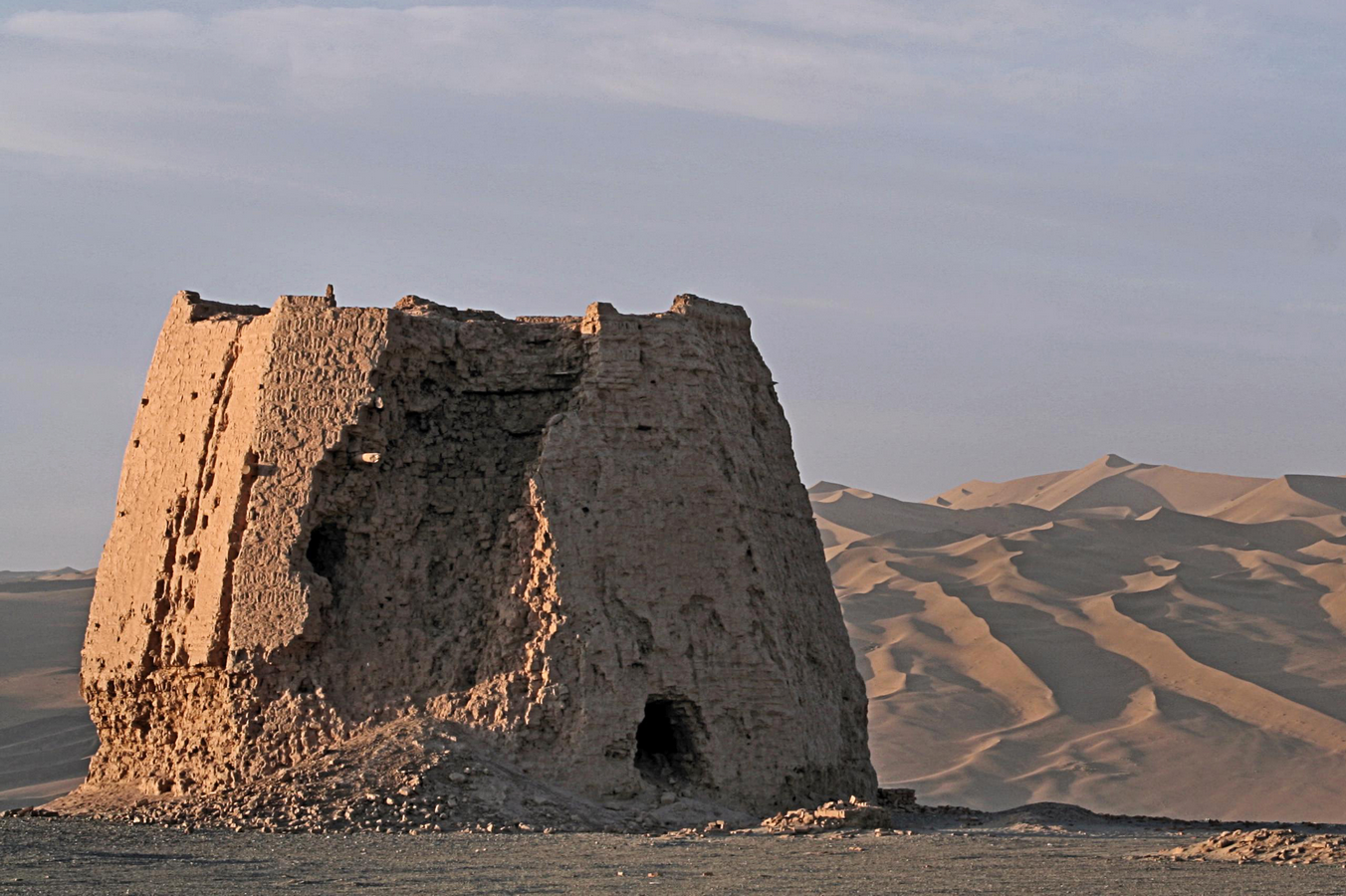
Another dimension of temporal architecture lies in material selection. Contemporary design often emphasises pristine finishes and flawless surfaces. Yet buildings inevitably age. Surfaces fade, metals oxidise and timber darkens. Rather than resisting these processes, architects can anticipate and incorporate them into the design strategy.
Materials such as brick, stone and untreated timber develop patina over time, enriching the building’s character. Even concrete, when detailed thoughtfully, can reveal subtle changes that contribute to a sense of authenticity. By contrast, materials that rely heavily on coatings or synthetic finishes may deteriorate unevenly, creating visual discord.
Designing for aging requires accepting that architecture is not static. It evolves in dialogue with climate, occupation and maintenance. Temporal architecture does not attempt to freeze a building at the moment of completion. Instead, it embraces change as part of the aesthetic narrative. In doing so, it acknowledges that beauty can emerge gradually, shaped by use and environment.
Adaptation in an Uncertain Future
The urgency of climate change further strengthens the case for temporal architecture. Demolition and reconstruction generate significant environmental costs. Extending the lifespan of buildings is therefore not merely economical but ecological. Designing structures capable of adaptation reduces the need for replacement and conserves embodied energy.
Urban populations are also shifting in unpredictable ways. Remote working patterns, demographic changes and technological advances continually reshape spatial demands. Buildings conceived with temporal awareness are better equipped to respond to such shifts. Movable partitions, reconfigurable façades and modular components allow environments to evolve without excessive intervention.
This approach challenges architects to think beyond immediate briefs. It requires imagining future users whose needs cannot be fully anticipated. Such speculation demands humility. The architect becomes less an author of final forms and more a facilitator of long-term possibility. Temporal architecture therefore carries an ethical dimension: it prioritises resilience over novelty.
The Cultural Dimension of Time
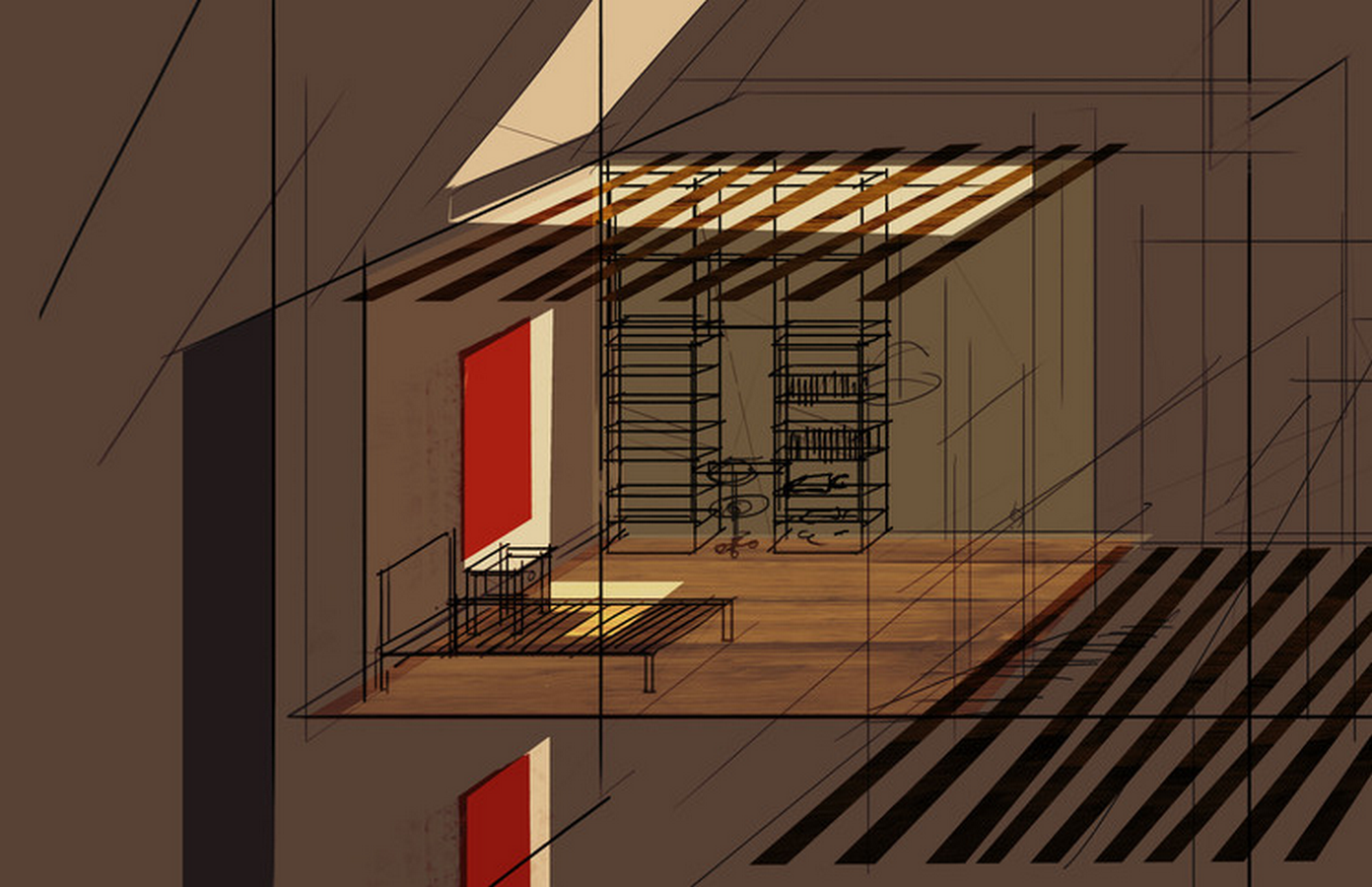
Time also shapes how buildings acquire meaning. Architecture often gains significance through memory and association. A public square becomes cherished not solely because of its design, but because of events that occur within it. A university building accumulates generations of academic life. These layers of experience cannot be designed directly, yet they can be accommodated through thoughtful spatial planning.
Temporal architecture recognises that cultural value emerges gradually. Rather than seeking instant iconography, it creates conditions for continuity. Proportion, material integrity and spatial clarity contribute to this endurance. Buildings that are overly dependent on trend risk rapid obsolescence. Those grounded in considered principles are more likely to remain relevant.
To consider time as a design material is to rethink the priorities of architectural practice. Temporal architecture asks not only how a building looks today, but how it will adapt, age and endure. It shifts focus from spectacle to stewardship, from immediate impression to sustained performance. In an era defined by rapid change and environmental uncertainty, such an approach feels less optional and more necessary. Architecture that acknowledges time does not diminish ambition; rather, it deepens it, ensuring that what we build today can remain meaningful tomorrow.