
Dendrochronology is a study of tree rings that helps in dating and calculating the ages and dates of historical and archeological objects. Dating is the most essential part of history that determines the value and significance of archeologically found objects. Trees are excellent indicators of environmental conditions that they grew in, which magnanimously helps researchers in analysing various details of the artifacts or structures. There have been several studies that have highlighted dendrochronology’s broad applications in archaeology, art history, and architectural history, fields closely tied to cultural heritage.
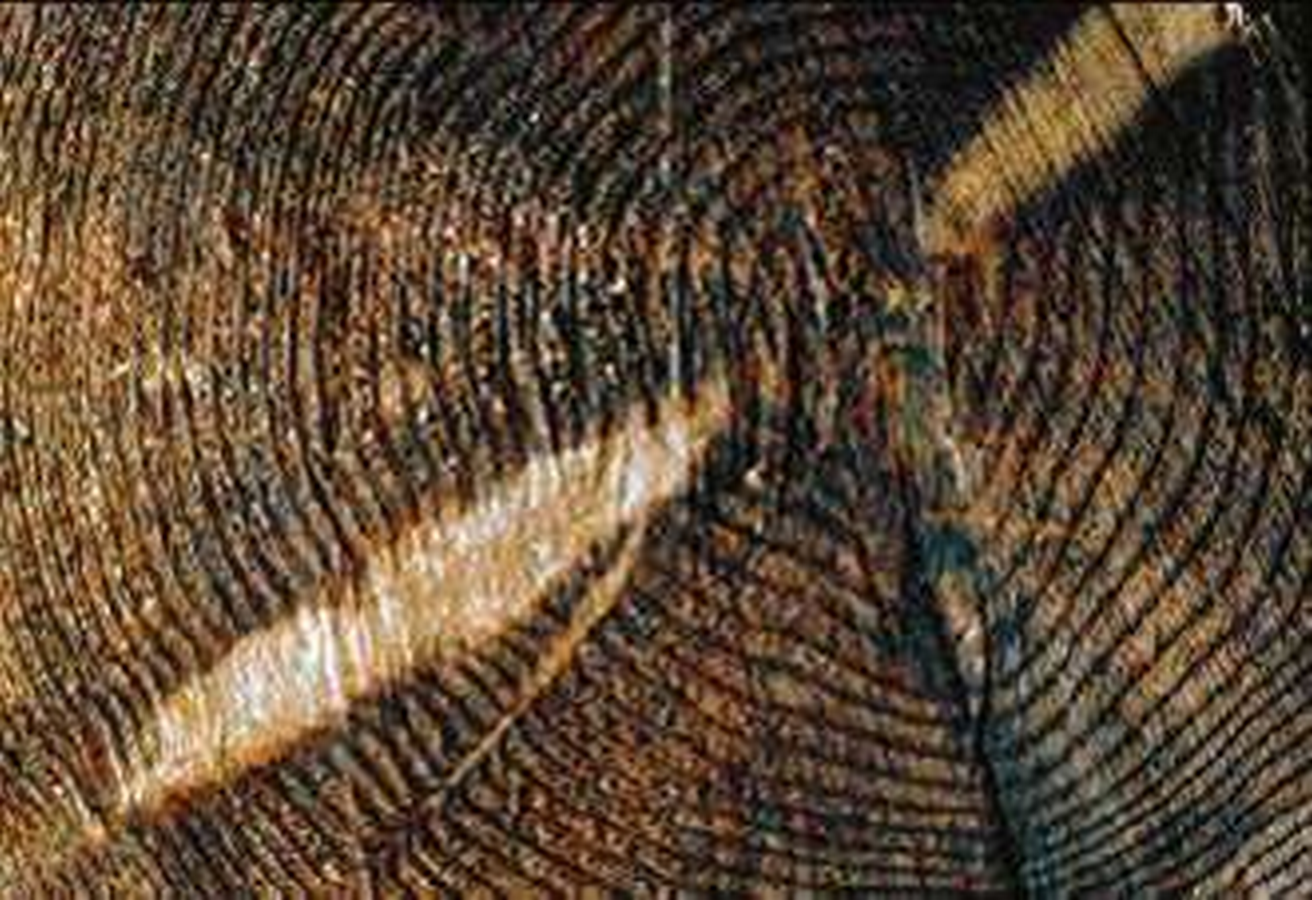
Archeology involves two big questions- What is the age? And what of the origins? Dendrochronology answers both these questions. The term is derived from Ancient Greek words dendron and khronos which mean “tree” and “time” respectively. Which essentially means that it involves telling time with trees. In very broad terms, the process is generally about counting tree rings and comparing the patterns of these rings across various trees in order to obtain dates scientifically. Trees therefore provide annual ecological reports across decades and centuries. The intersection of dendrochronology and archaeology, termed dendroarchaeology, is about integrating precise tree-ring chronologies with archaeological evidence. This integration not only dates artifacts, buildings, and sites with remarkable accuracy but also paints a picture of past environmental conditions, helping in deepening our understanding of human–environment interactions across time.
The Principle behind Tree Rings
Tree rings form because every year a new layer of wood is added on top as they grow. Each ring consists of a light-coloured earlywood that grows very fast and forms in the spring and later there is a darker latewood that forms toward the end of the growing process. Counting either the early or latewood gives the tree’s true age. This is because trees that grow in the same region experience similar growing conditions and hence, develop comparable ring-width patterns over years.
Dendrochronology uses these patterns to relate and build regional timelines, also called chronologies, across species. Ring sequences are matched across living, dead and historic timber in a process called cross-dating, which was developed by Andrew E.Douglass in the early 20th century. If the outermost ring and the bark are intact, it becomes possible to determine the year in which the tree was cut down, since the last ring would represent the last year of growth. These patterns are then studied from extracted core samples that preserve a full sequence of rings. Besides dating, tree rings can also record past environmental conditions- wider rings mean warm, wet years; narrow rings reflect cool and dry periods; additional influences reflecting fires, insects and soil nutrients. A growth signature is then determined.
Scientific Methods of Tree Ring Dating
The scientific process of dendrochronology requires a structured and sequential process of sampling, preparation, measurement, and cross-matching. In architectural applications, sampling is done either by taking increment cores from structural timbers or by taking full cross-sections when timbers are replaced. While cores are taken with minimal damage to the timbers, cross-sections are more destructive but yield complete ring patterns and better visibility of growth patterns. Sampling should ideally include sapwood and bark, as the presence of the outermost ring enables the accurate dating of the time of felling. Sampling standards require sufficient sample size and replication, including a sufficient number of rings in each sample and multiple timbers per building phase to enhance statistical robustness and avoid potential misinterpretations. In some instances, analysis can also be done directly on the beam ends exposed in structural timbers if ring boundaries are visible.
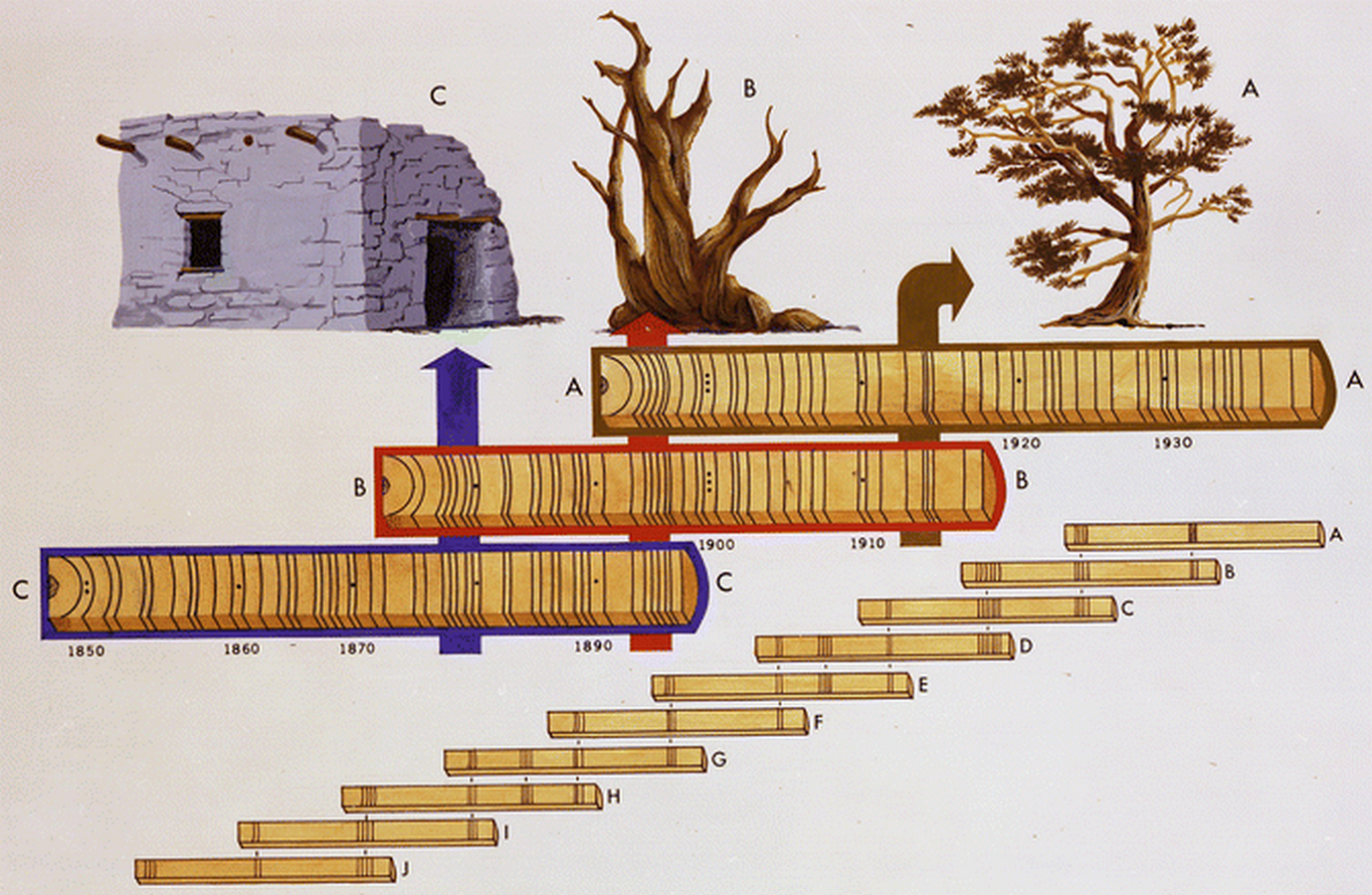
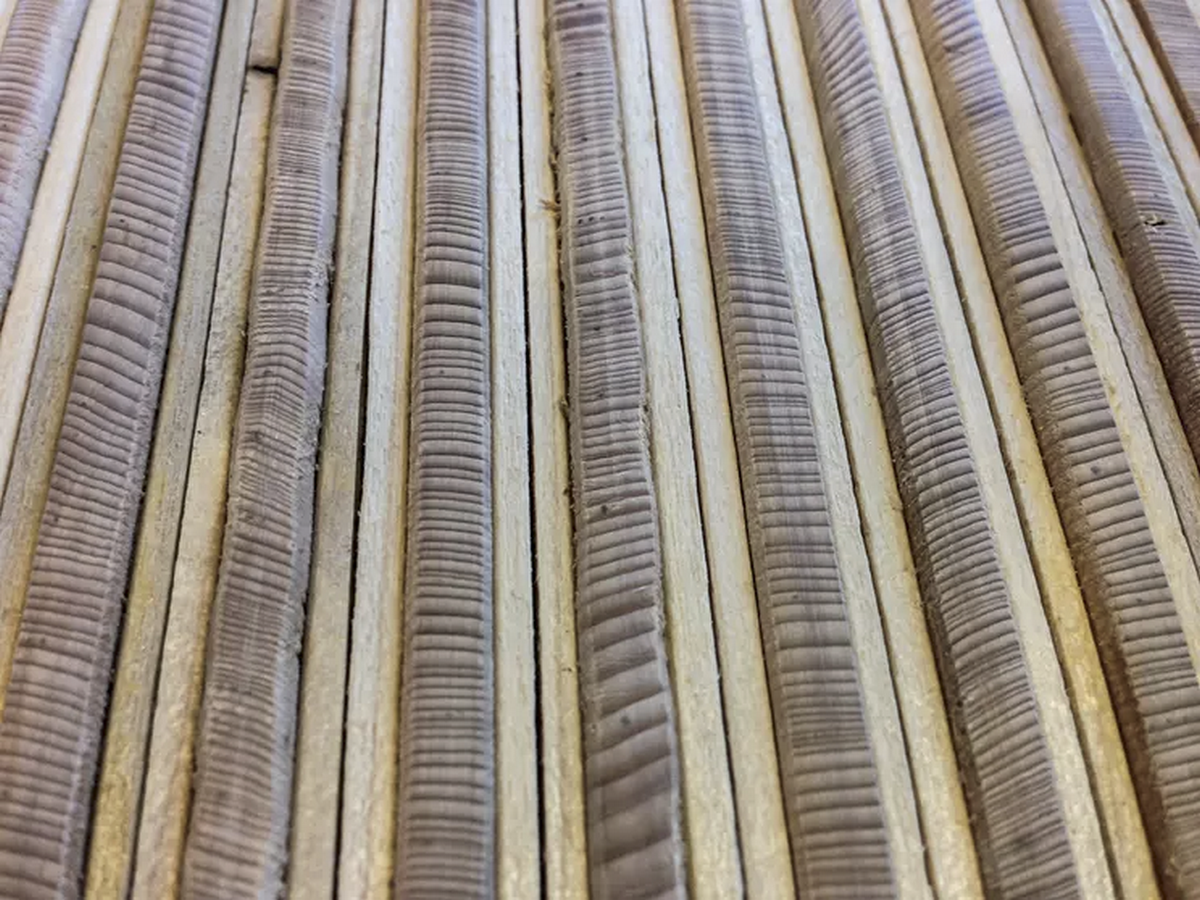
Next, the samples are subjected to laboratory preparation and analysis according to standardized dendrochronological methods. The wood surface is successively sanded or polished with increasingly finer abrasives to enable the clear identification of annual rings, which is particularly stressed in teaching laboratories, such as the Tree-Ring Expeditions (TREX) lab. The widths of the rings are then measured one after another under magnification or with digital measuring devices, and the results are recorded as numerical time series. These are plotted and statistically evaluated, and the samples are mutually compared to detect gaps in the rings, false rings, or measurement errors. The individual series are then averaged to produce a site chronology, which is subsequently compared with pre-existing regional master chronologies derived from overlapping data sets of the same tree species. By statistical cross-matching and visual validation, the dendrochronologists attach specific or approximate calendar dates to each ring series, which makes it possible to date historic timber with a high degree of accuracy if suitable material is available.
Aside from cross-dating, there are a few other methods of analysis that involve dating. A very analytical method includes the dendrochronological equation which expresses ring width as a function of tree mass growth and wood density at the time. This mathematical method is used to support a more accurate pattern comparison across samples. Reference sequences is a method that matches patterns of rings from unknown samples to a master sequence, through which scientists can assign exact calendar years to each ring, thus providing precise dates and chronologies. Miyake events and Frost rings are two other methods that provide exact signatures to date timber.
Discovery of Dendrochronology
As it is, the history of tree-ring research dates back thousands of years, and scientific dendrochronology did not develop until the end of the 19th and the beginning of the 20th centuries. Some of the early thinkers who recognized the existence of tree rings in wood include Theophrastus, while others such as Leonardo da Vinci in the Renaissance period recognized that tree rings are a sign of seasonal growth. It was not until the 1700s and 1800s that scientists such as Duhamel du Monceau, Buffon, and Charles Babbage attempted to link tree rings to environmental factors and proposed a regional synchronization of tree-ring records. However, the field of dendrochronology was developed in the early 20th century by Andrew Ellicott Douglass, who was an American astronomer and the founder of the Laboratory of Tree-Ring Research at the University of Arizona.
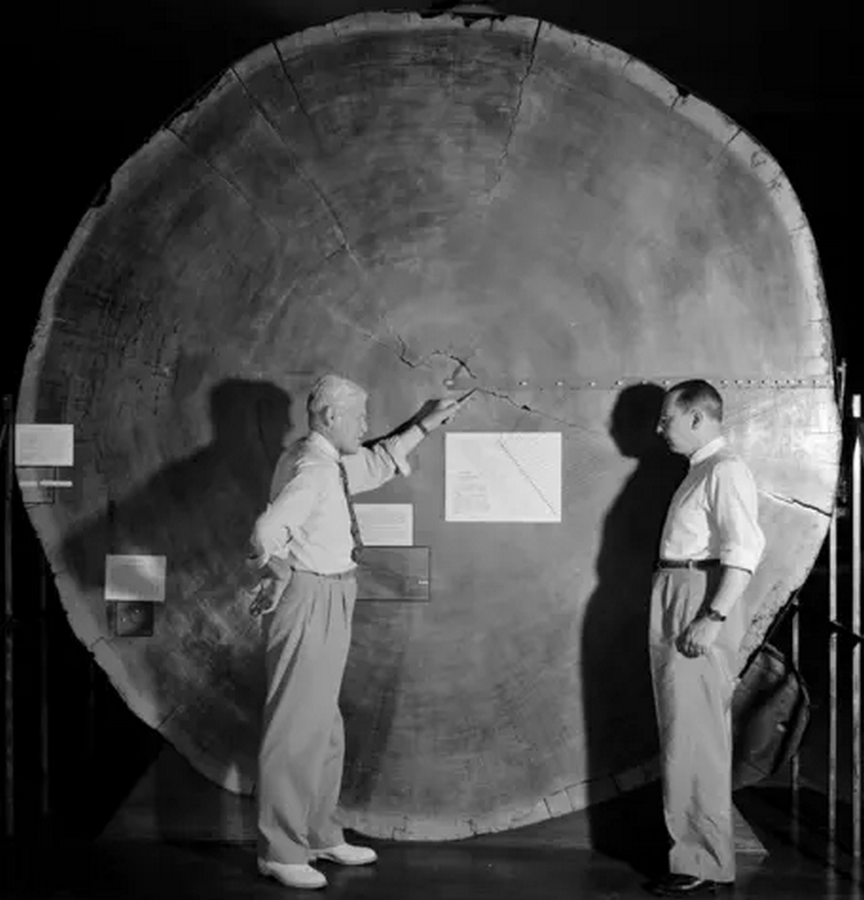
Douglass was a young astronomer who worked at the Lowell Observatory in Arizona. He had a special interest in the sun, particularly the cycles of sun spots and the effect the sun has on the weather. He turned his attention to the annual growth rings of trees and observed that there was a correlation between the size of the growth rings and climate conditions such as moisture and altitude. He graphed the size of the growth rings and created the first chronologies to demonstrate how trees record climate data over time. Recognizing that the pattern of tree response was similar throughout the region, he developed a method that would become a cornerstone of tree-ring research: cross-dating, or matching the pattern of tree rings from one tree to another. This enabled researchers to assign specific calendar dates to each ring.
Architectural History Implementation
Dendrochronology has proven to be an important tool in architectural history and heritage research because it allows for the identification of the exact date of felling and origin of the timber used in historic buildings, which helps to establish not only the date of construction but also the timber economy of the past. In a research project on wooden foundation piles supporting historic buildings in the Netherlands– six different cities with buildings in Amsterdam, Dordrecht, Rotterdam (Joubertstraat), Koog aan de Zaan (Irisstraat), Haarlem (Jan Nieuwenhuizenstraat), and Leeuwarden- dendrochronological analysis was conducted on tree-ring series from over forty piles to establish not only the date of felling of the trees but also, on the basis of regional master chronologies, the probable place of origin of the timber. By matching the tree-ring series with known series from local and European pine master chronologies, the date of the timber could be established, and in many cases, the timber could be traced to its place of origin, whether local or imported from other regions.
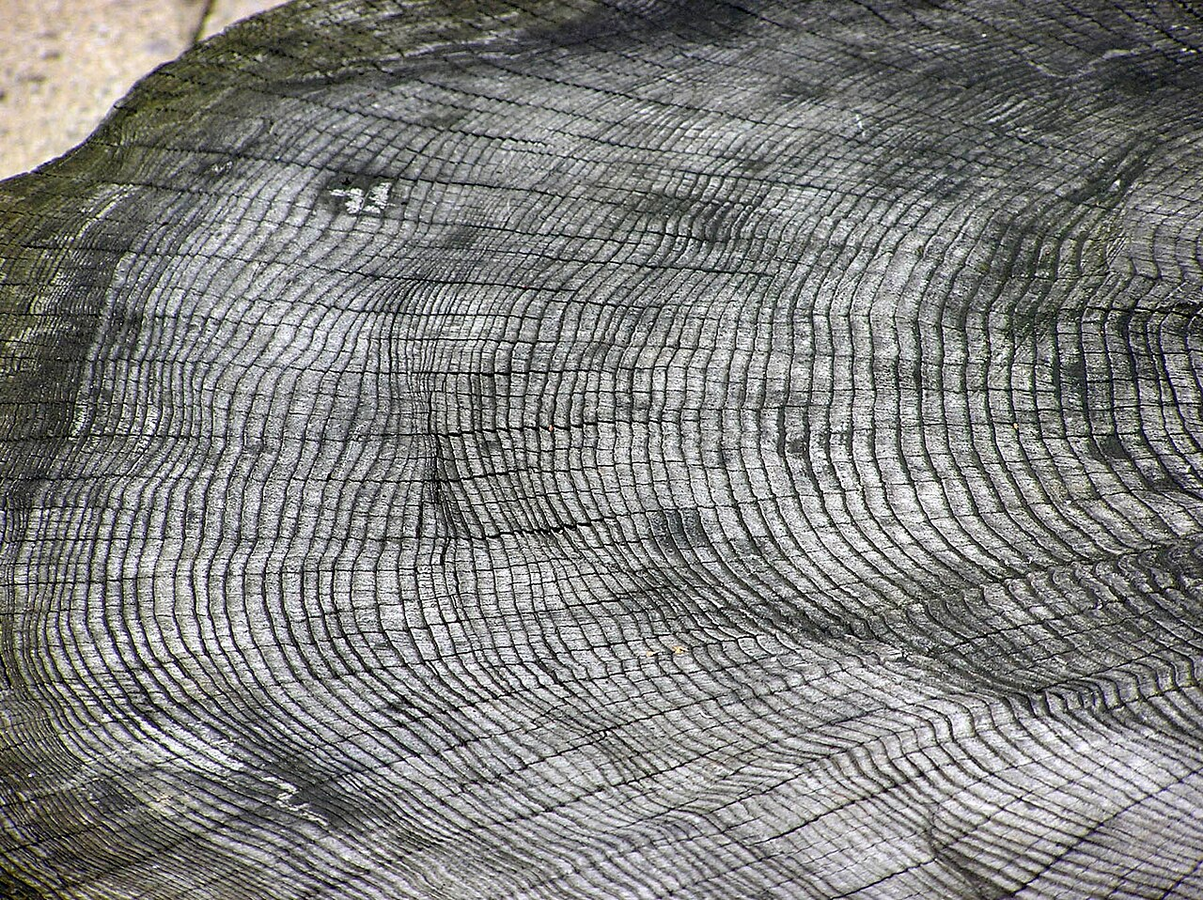
The general application of dendrochronology to architectural research is adequately summarized in recent reviews that emphasize its application within cultural heritage and environmental archaeology. The application of tree-ring analysis to architectural research is significant in that it allows for the absolute dating of structural timbers, as opposed to dating by style or documentary record alone. It is also central to dendroprovenancing, the attempt to identify the geographical origin of timber. In the case of historic buildings, information about the local or imported origin of structural timber can provide insight into past forest use, trade links, and socioeconomic patterns. For instance, the combination of dendrochronology with chemical tracers such as strontium isotopes has improved the provenance of timber in 16th-17th-century Danish buildings, tracing the importation of timber that would otherwise remain unknown.
In addition to dating and provenancing, architectural dendrochronology can be used to support conservation planning and interpretation of heritage. The ability to date the felling of trees is useful in reconstructing construction phases where documentary evidence is not available. When combined with archaeological and environmental information, tree-ring chronologies can be used to interpret historical human-environment interactions, demonstrating the role of timber supply and forest environments in shaping construction activities through time. Dendrochronological evidence can also be used to interpret timber trade and supply systems, as demonstrated in research where reference chronologies identified non-local timber in structures, providing direct evidence of long-distance timber transport in pre-industrial economies.
Case Studies
Forbidden City
In the Forbidden City in Beijing, dendrochronology has been used to date and trace the origin of roof timbers from the Dagaoxuan Hall complex through oxygen isotope analysis of the cellulose in the tree rings. This approach allowed the team to date the final growth of the timbers to particular phases of Qing dynasty renovation between 1749 and 1892 and to trace the timbers’ geographical origin to the northeast forests of China. This example illustrates how dendrochronology can be used to move from relative dating to tracing material supply systems and state-controlled timber procurement.
Aztec Ruins
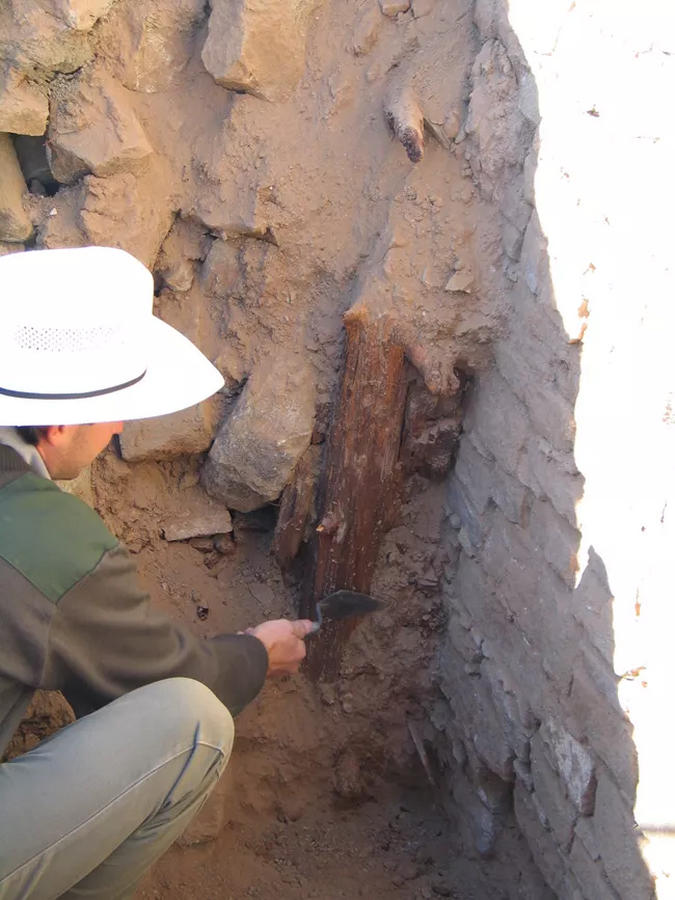
Dendrochronology has played a pivotal role in determining the dates of construction of ancestral Pueblo architecture at Aztec Ruins National Monument in New Mexico, USA. The process of dendrochronology involved the analysis of wood samples taken from the Aztec West complex and other major structures, and these samples were dated to specific calendar dates in the 12th and 13th centuries. This enabled researchers to differentiate between various construction phases, occupation, and subsequent use, making dendrochronology an essential method of understanding prehistoric architectural development in the American Southwest.
Wiltshire Project
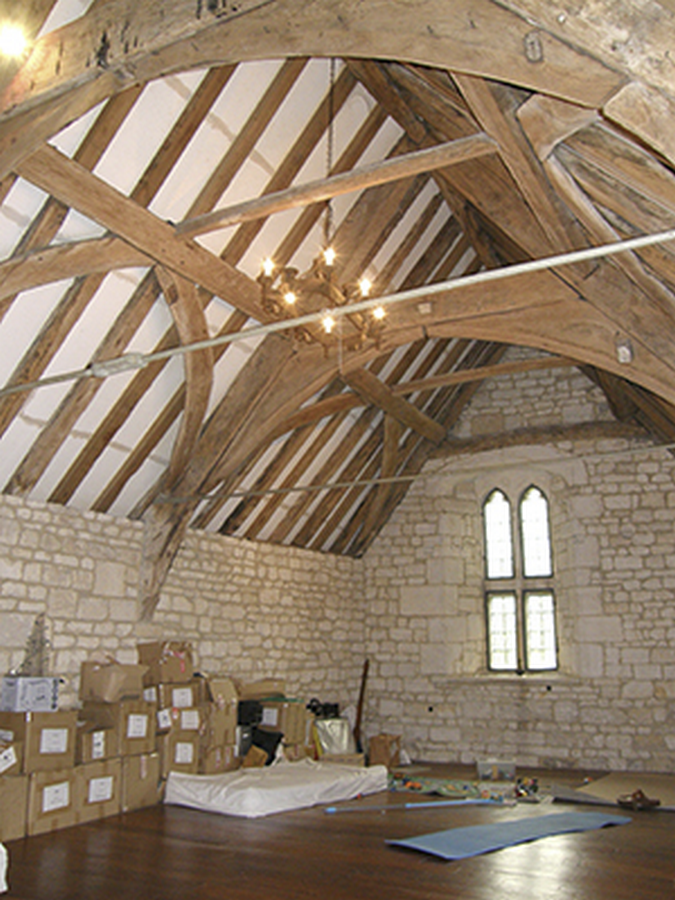
The Wiltshire Dendrochronology Project in the UK has seen the application of tree-ring dating to oak timbers in medieval and early modern buildings, allowing for a better understanding of the evolution of vernacular architecture. The exact dates of felling, determined by roof timbers in buildings such as the Great Barn at Lacock and Great Chalfield Manor, have provided a more precise dating of construction phases than stylistic analysis. Through the application of dendrochronology to a series of buildings, the project has identified regional trends in timber use and building technology.
Future Trends and Challenges
Dendrochronology has shown considerable potential for future architectural and archaeological studies, especially with regard to the dating and provenancing of structural timber, such as foundation piles. As the amount of data increases, so too will the potential for research into the relationships between timber provenance, transportation and storage time, and wood quality variables such as age, ring width, density, and sapwood proportion. The future trend is towards greater association with wood anatomy, paleoecology, isotopic analysis, and genetic tracing, allowing for more subtle interpretations of material performance, vulnerability to decay, and past environmental conditions. The creation of non-invasive or minimally invasive sampling methods and the extension of regional master chronologies are also high priorities.
However, there are a few limitations that might impede wider use. Dendrochronology requires strong reference curves; in the absence of such or in regions where species-specific reference curves, such as oak, are prevalent, dating other types of timber, such as elm, becomes problematic. Young trees with limited growth rings may lack the information required for reliable cross-dating, and the loss of sapwood tissue due to either natural decay processes or conservation treatments might preclude the determination of the exact date of felling. Moreover, felling dates do not necessarily represent construction dates, as timbers from previous structures might have been reused. Imported timber or unusual growing conditions might also impair successful cross-dating.
Towards Sustainability
Dendrochronology is significant not only in terms of accurate dating and historical analysis of wood in buildings but also in the promotion of sustainable wood use as a building material. In this regard, dendrochronology assists architects and conservators in identifying the accurate cutting dates and origin of wood, which is essential in sustainable wood sourcing and management. On the other hand, tree-ring records are also used in the reconstruction of past forest conditions, which is essential in sustainable forestry and resource management.
Significantly, wood is a renewable and low-carbon building material that contains sequestered carbon throughout the life span of a building and promotes energy-efficient design when sustainably sourced and managed. The use of sustainable wood as a building material is significant in that it eliminates the need to use high-energy materials such as steel and concrete.
Living Archives of Information
Dendrochronology is a significant interdisciplinary tool that can derive precise dating and deep insights into past and present human-environment interventions. In sum, it enriches research by providing objective, scientifically derived dates and provenance. Through tree ring analysis, it enhances understanding of historical construction practices, material provenance, networks, climatic circumstances and strengthens research across archeology, architecture, environmental science and history. The body of research sheds light on advancements in methodologies and increased collaborations inter-disciplines. Dendrochronology has thoroughly enhanced accuracy of architectural histories and offers views into resource use and trade.
Of course challenges remain that cover regional chronologies, sampling restrictions, and uneven representation globally. However, addressing these limitations through expanded datasets, non-destructive testing and techniques, integration with radiocarbon, isotopic and geochemical analyses will improve accuracy and applicability. As living archives, trees have provided long term environmental and cultural records, making dendrochronology preliminary for both heritage studies and futuristic research on sustainability and climate change.
Citations:
- Zhao, Q., Xu, C., Zhang, Q., Wu, W., Zhao, P., and Guo, Z. (2025). Dating and provenance tracing of historical timbers in the Forbidden City using oxygen isotope dendrochronology.
- Sass-Klaassen, U., Vernimmen, T., and Baittinger, C. (2008). Dendrochronological dating and provenancing of timber used as foundation piles under historic buildings in The Netherlands.
- Dinca, L., Constandache, C., Murariu, G., Antofie, M. M., Draghici, T., and Bratu, I. (2025). Environmental Archaeology Through Tree Rings: Dendrochronology as a Tool for Reconstructing Ancient Human–Environment Interactions.
- Slocombe, P. / Wiltshire Buildings Record (2025). Dendrochronology Project. [online]. (Last updated: 2025). Available at: https://www.wiltshirebuildingsrecord.org.uk/dendrochronology/ [Accessed date: 30/01/2026]
- National Park Service (2024). Dendrochronology. [online]. (Last updated: 6 April 2024). Available at: https://www.nps.gov/azru/learn/nature/dendrochronology.htm [Accessed date: 31/01/2026]
- The TREX Team (2024). Part 1 – What is Dendrochronology? [online]. (Last updated: 15 May 2024). Available at: https://serc.carleton.edu/trex/students/labs/lab1_1.html [Accessed date: 30/01/2026]
- Taylor, J. (2000). Dendrochronology in Dating Timber Framed Buildings and Structures. [online]. Available at: https://www.buildingconservation.com/articles/dendrochron/dendrochronology_timberframe.htm [Accessed date: 30/01/2026]
- Wikipedia contributors. (2026). Dendrochronology. [online]. Available at: https://en.wikipedia.org/wiki/Dendrochronology. [Accessed date: 31/01/2026].

Jonathan Taylor 
Stephan E Nash 
Trex 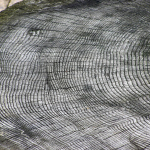
Arpingstone 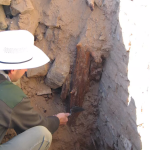
Bettymaya Foott 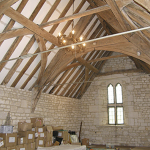
Wiltshire Buildings Record 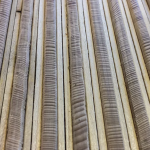
Trex