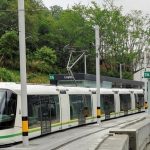
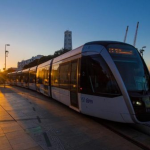
In many South American cities, rapid urbanization during the 20th century has led to urban segregation, unstructured development, and overloaded infrastructure. Instead of mimicking car-focused models seen elsewhere, cities such as Rio de Janeiro, Medellin, Bogotá, Curitiba, and Santiago have embraced public transport-led development. Light rail, in particular, has shown it can offer flexibility, better integration, and less environmental impact than heavy rail or road systems. When combined with public plazas, light-rail corridors do more than just ease travel. They create active urban spaces, enhance walkability, and reclaim areas once dominated by traffic. This combination has played a vital role in revitalizing historic centers, transforming them into core parts of renewal strategies across South America, especially in historic and post-industrial zones.
Why is light rail better than heavy rail or roads?
Light rail provides more spatial flexibility and a smaller physical footprint compared to heavy rail and roads. It operates at street level, which allows it to blend seamlessly with pedestrian areas and public plazas. In contrast, heavy rail often needs elevated or underground systems that disrupt urban space. Unlike roadways, light rail prioritizes public transportation over private cars, which cuts down on noise, emissions, and spatial dominance. These features create a more human-scaled form of transport that encourages social interaction and walkability.
Plazas as Dynamic Urban Juncture
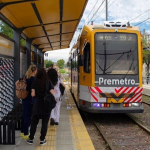
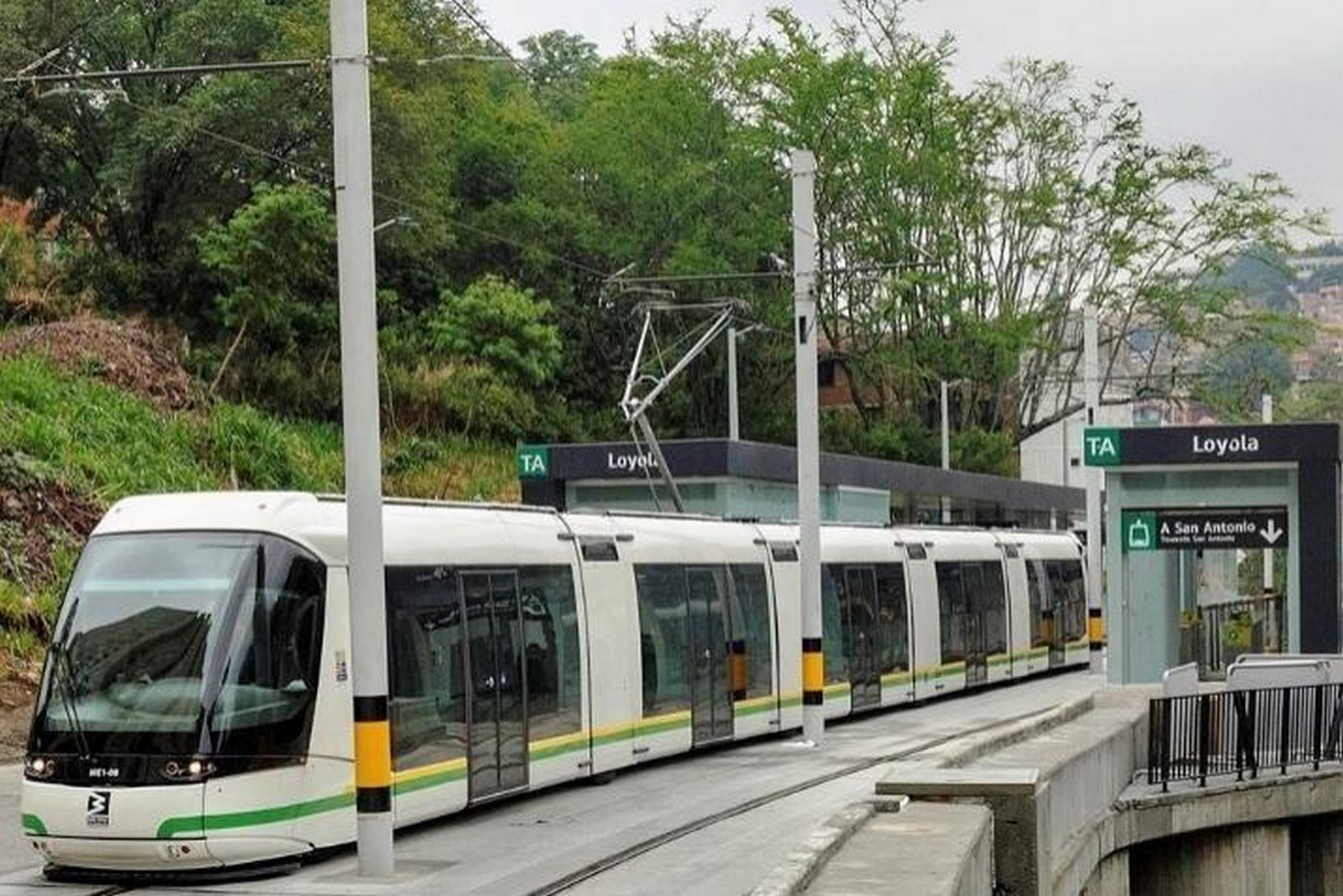
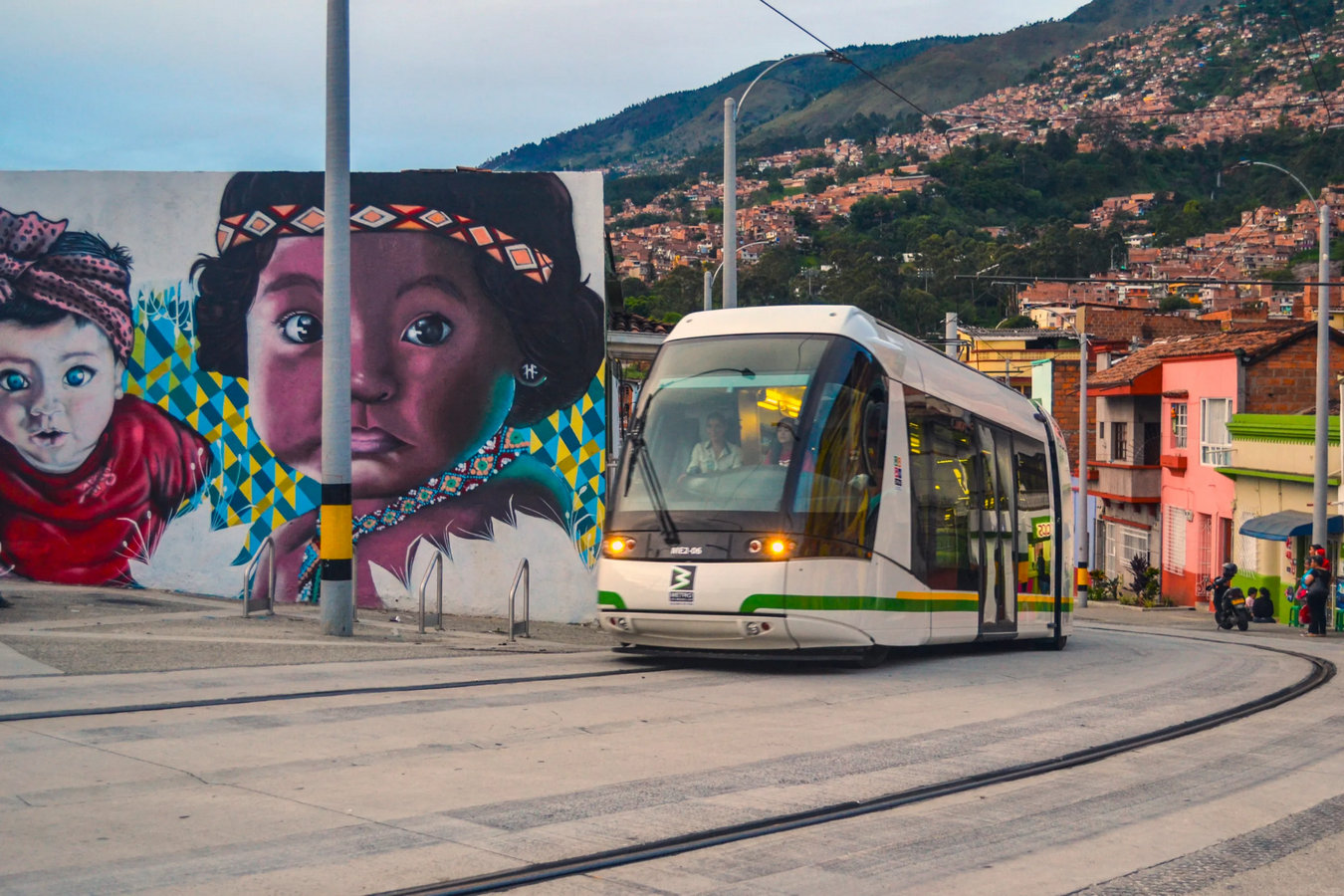
Plazas in South American cities have traditionally been the heart of daily life. They are places where people gather, protest, celebrate, and relax. From colonial squares to modern civic spaces, they hold strong memories and shared significance. Integrating light rail into these areas requires an approach that respects their character while allowing for change over time. When designed well, light rail plazas feel less like just transit facilities and more like spaces for everyday life. Platforms and tracks smoothly blend into the plaza’s ground level, without barriers or disruptive changes in elevation. Thoughtful design elements such as shade, seating, water features, and greenery help the rail system fit into its surroundings, making the plaza a place to pause, meet, and linger, rather than just a stop along the way. These principles are evident in various case studies from South America, where light-rail systems function not as isolated corridors but as extensions of public space. One notable example is the Ayacucho Tramway in Medellin, Colombia, which runs through pedestrian-oriented plazas designed to foster community engagement, accessibility, and a strong sense of place.
Medellin: Participatory Urbanism
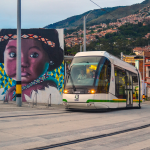
Medellin’s transformation stands out as one of the most compelling examples of integrating light rail with public space. The Ayacucho Tramway corridor shows how light rail can connect neighbourhoods that were previously marginalised. In this environment, stations open directly into plazas that act as community living rooms. With public art, tiered seating, and shaded areas, these spaces become welcoming spots for people to gather, socialize, and enjoy the plaza rather than just pass through. Most importantly, these plazas fit into a broader strategy of social urbanism, where transport investments are linked with public libraries, schools, and cultural centres. In South America, Medellin’s approach demonstrates how light rail plazas can address equity in urban life, not just efficient spatial organisation.
Rio de Janeiro: Reclaiming the Waterfront
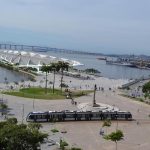
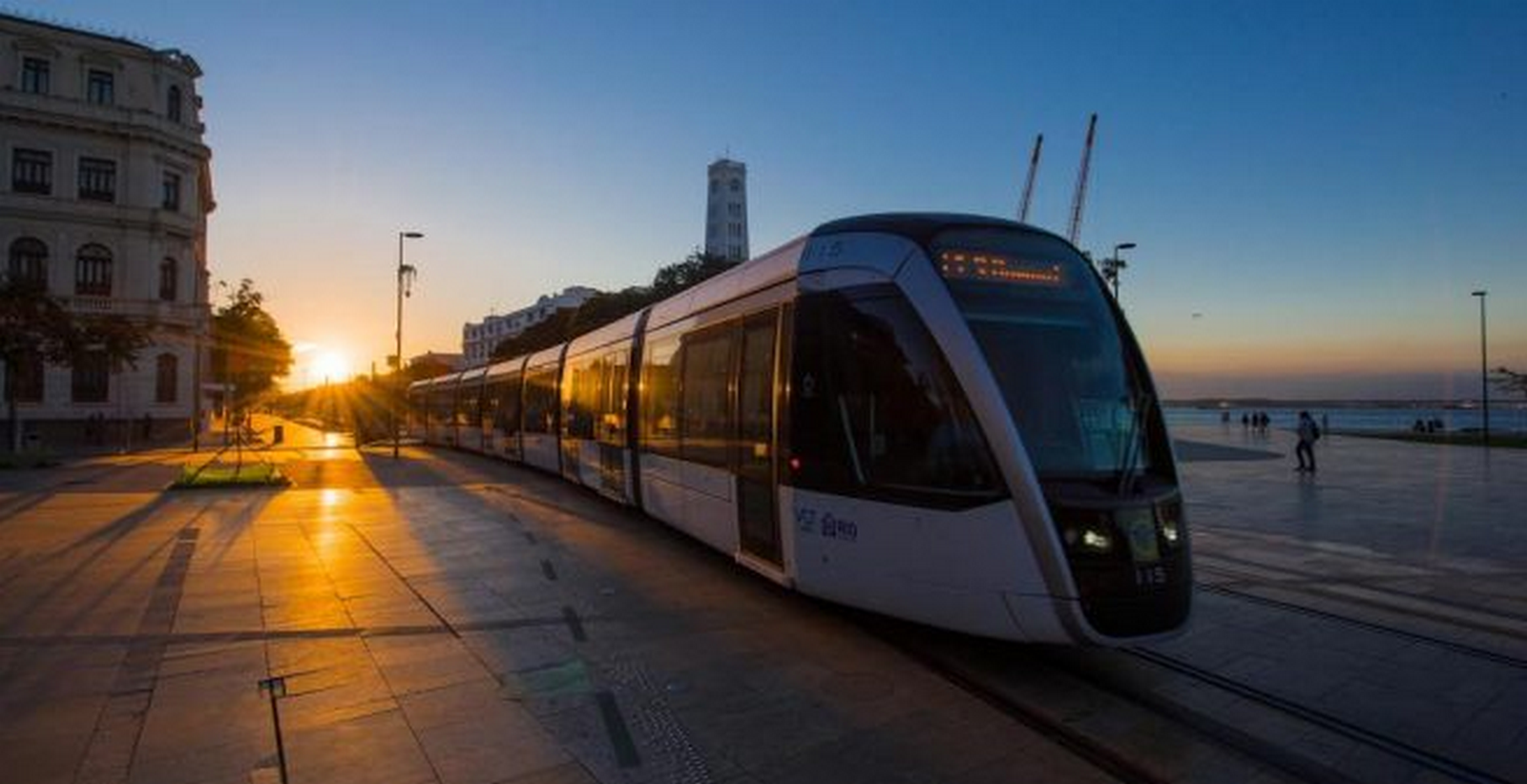
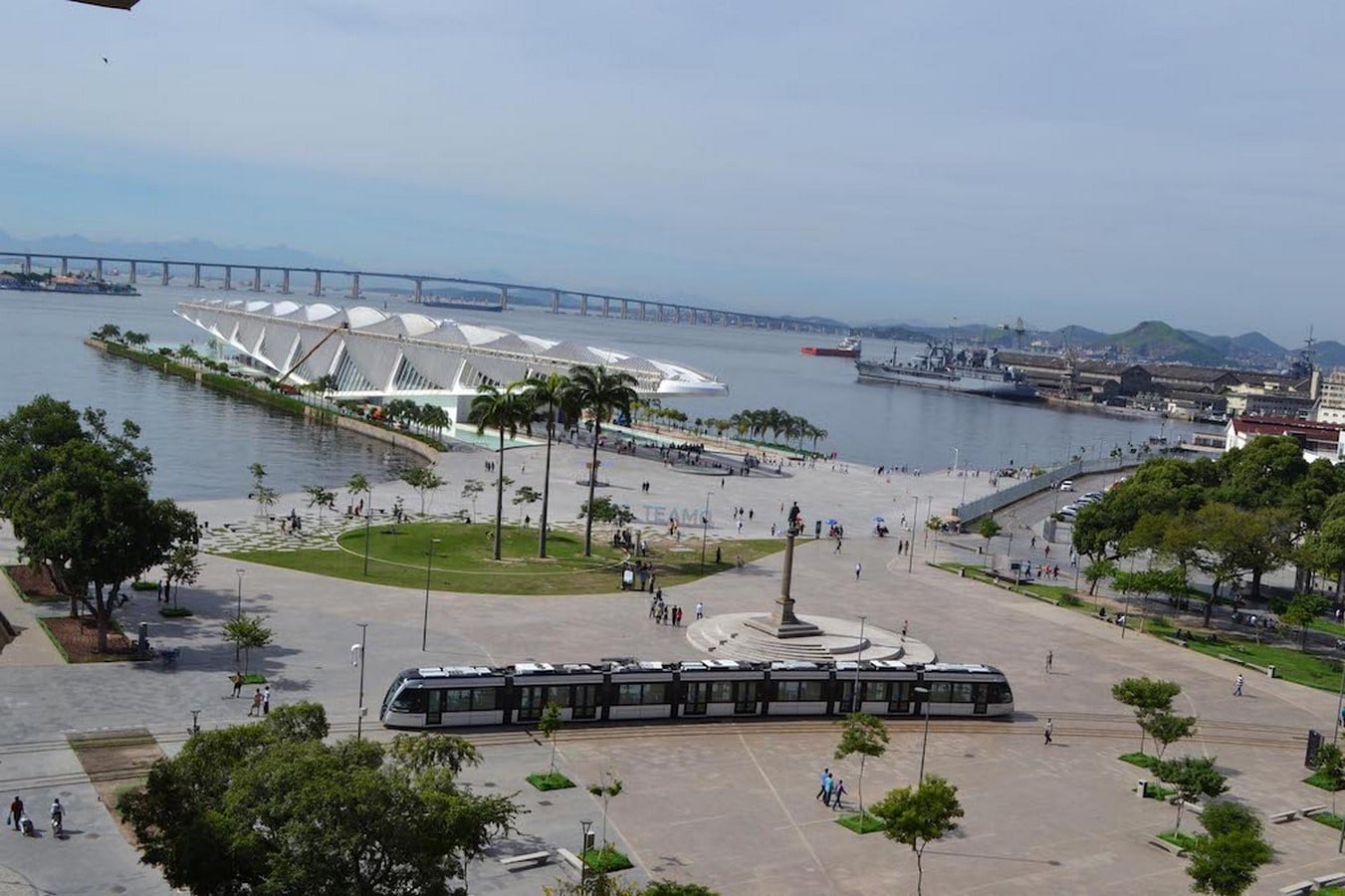
The VLT Carioca in Rio de Janeiro’s port area showcases how light rail can enable large-scale urban renewal. The project aims to reconnect the historic city center with the waterfront, long cut off by elevated highways and industrial structures. Psychologically, plazas near the VLT route serve as transitional spaces bridging historic buildings, museums, waterfront promenades, and civic institutions. With reduced vehicle traffic, these plazas offer ample pedestrian areas, public seating, and open spaces for social gatherings. They host festivals, markets, and daily activities, showing that transport infrastructure can enrich urban life instead of detracting from it. The slow movement of trams through pedestrian-friendly spaces creates a sense of calm and regularity, lowering mental strain. These plazas align with Attention Restoration Theory, developed by Rachel and Stephen Kaplan in the 1980s. This theory explains how specific environments can restore cognitive resources. In urban settings, people constantly focus on tasks, navigation, traffic, and social interactions. Over time, this focused attention can lead to fatigue, stress, irritability, and reduced performance.
Santiago and Buenos Aires: Balancing Heritage and Modernity
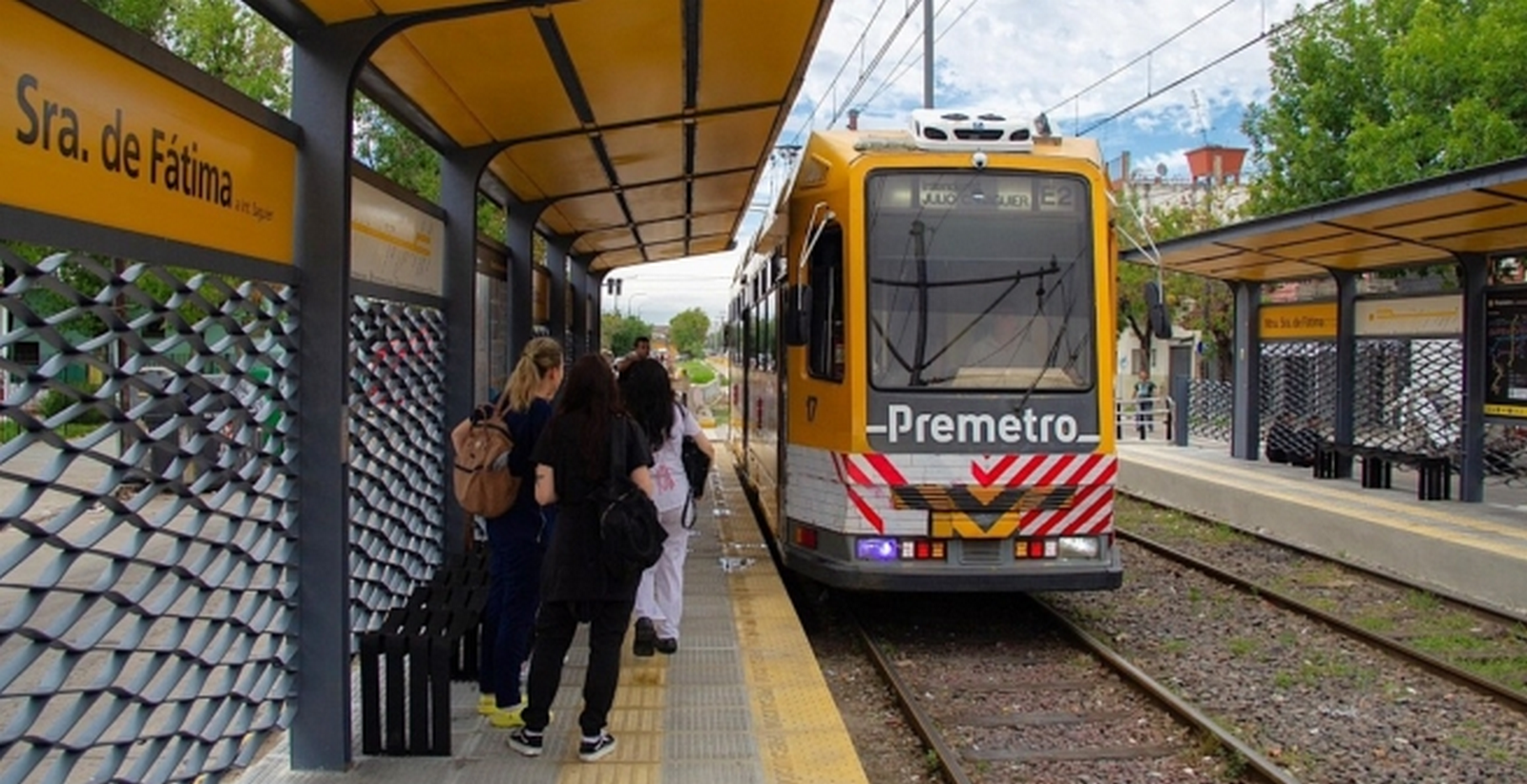
In cities like Santiago and Buenos Aires, light rail and tram proposals have concentrated on historic districts where it is crucial to understand and respond to the context. Plazas alongside light-rail stops use minimal materials, incorporating stone paving, trees, and street furniture that reflect the existing urban character. These projects highlight an essential lesson for South America: revitalisation does not mean erasing the past. Light rail plazas can bridge heritage and contemporary urban needs, providing modern transport while honoring cultural continuity.
Design Insights Emerging from South America
Several key principles emerge from South American examples of light-rail–integrated plazas:
- Human-centred and scaled design – The infrastructure is easy to access, both visually and physically, with no elevated platforms or fenced-off corridors.
- Climate-sensitive design– Shading, water features, and vegetation respond to local climates, making plazas usable year-round.
- Multi-functional spaces – Ground-floor retail, informal commerce, and cultural programming ensure constant activity.
- Social inclusion and community integration – Plazas are designed as democratic spaces, accessible to all ages and socio-economic groups.
- Seamless mobility networks – Light rail integrates seamlessly with buses, cycling infrastructure, and pedestrian networks.
Challenges and Next Steps
Despite their success, light-rail plazas in South America face challenges. Ongoing maintenance issues, informal encroachments, and shifting political priorities can affect their long-term functionality. Additionally, rising land values around revitalized corridors may displace existing communities if not carefully managed. Future projects are focusing more on participatory design, allowing local communities to influence the functionality of plazas. Increasing attention to green infrastructure, including rain gardens and permeable paving, positions light-rail plazas as tools for climate resilience.
Light-rail-integrated plazas in South America go beyond transportation improvements. They serve as elements that repair and invigorate urban spaces. By blending movement and daily life, these areas change how cities operate and how people come together. As South American cities evolve, these plazas prove that, when thoughtfully designed, infrastructure can be the heart of social and civic activity, rather than sitting on the edges. To counter land value increases, cities can implement policies like value capture mechanisms, rent stabilization near transit corridors, and mandatory affordable housing quotas within redevelopment areas, ensuring that existing communities benefit directly from transit-led renewal.