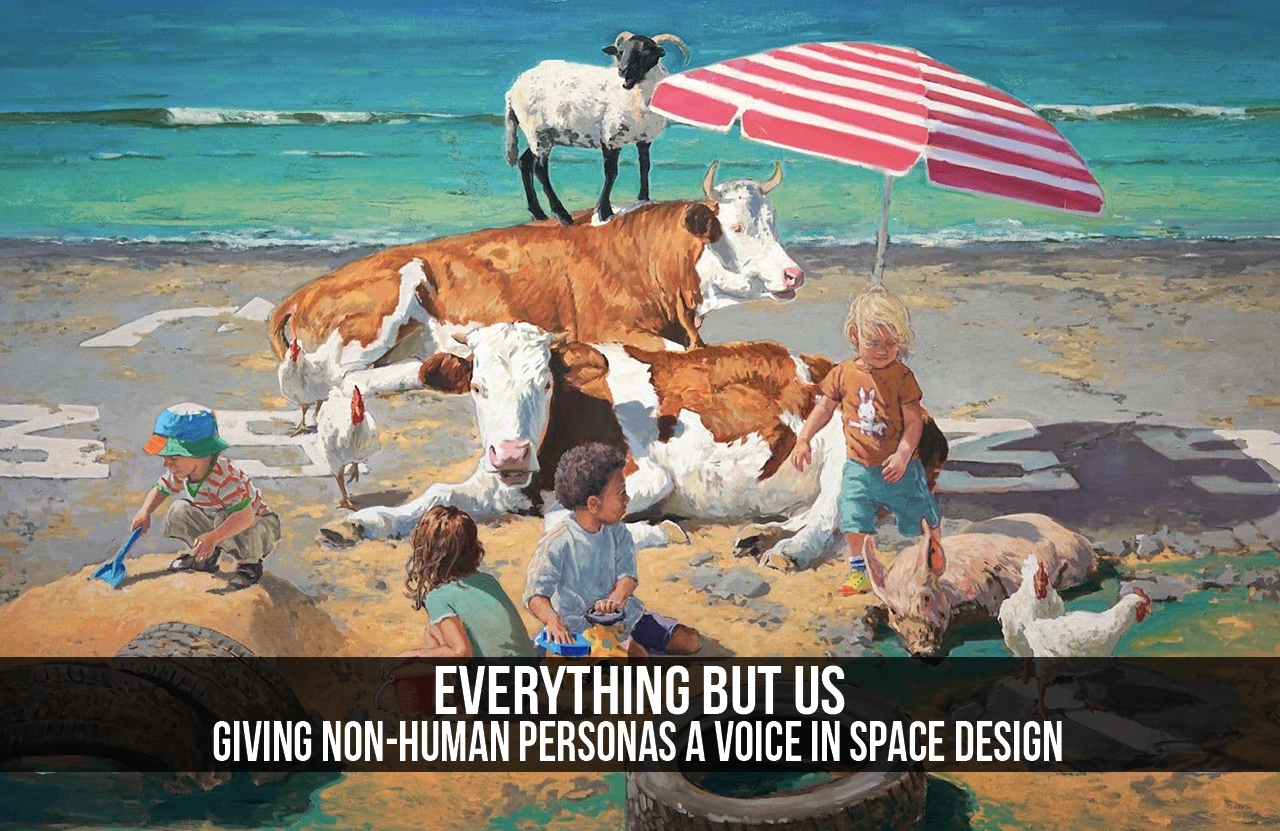
Around a decade ago, prominent science and technology scholar Donna Haraway introduced the concept of shifting from the Anthropocene era to a ‘Chthulucene’ era. It narrates a process of reworlding where humans are not masters or lords of the land underneath but just mere co-habitants with equal importance as the non-human sentient lives that exponentially outnumber us (Haraway, 2016).
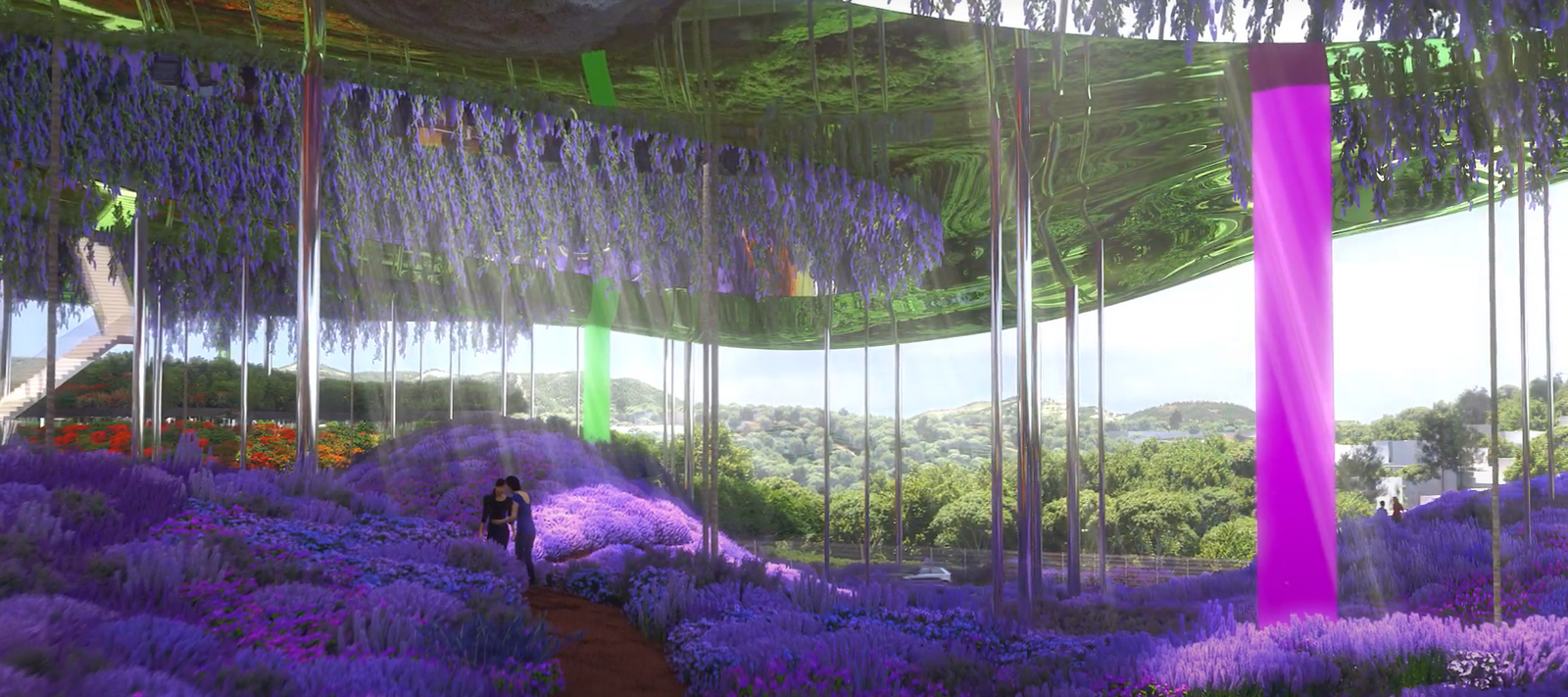
Be it in design and architecture syllabi, or among client-requested spaces, principles like the human-scale and ergonomics hold prime importance. Service ducts that act as pedestrian networks for large rodents are wiped clean, pigeons building homes in balconies are shooed away, and green shoots cracking through stone pavements are plucked regularly. Among the large scale of humans, small scale spaces inevitably form that are often ignored by human developers.
Need for Change in Space Designing Principles
Establishing design and spaces that are inclusive of the environment that surrounds us makes it intuitive for humans to start empathising with it. Inculcating empathy for non-human sentient life encourages humans to be aware of their status as co-habitants and take actions against urbanisation, the loss of biodiversity, and the climate crisis that affects life on earth.
The future may hold for us scenarios where we may have a closer relationship to non-humans than we have to each other, as well as considering the opinions of ecologists who profess that everything is interconnected. As the world collectively progresses, humans may not be able to think of themselves as disconnected from the rest of life on Earth or dominant over it.
Everyday design strategies can play a major role in inculcating empathy among humans for these non-human personas and assist in a more sustainable transition into the proposed next era of the world beyond just humanity.
Collaboration Between Human and Non-Human Species
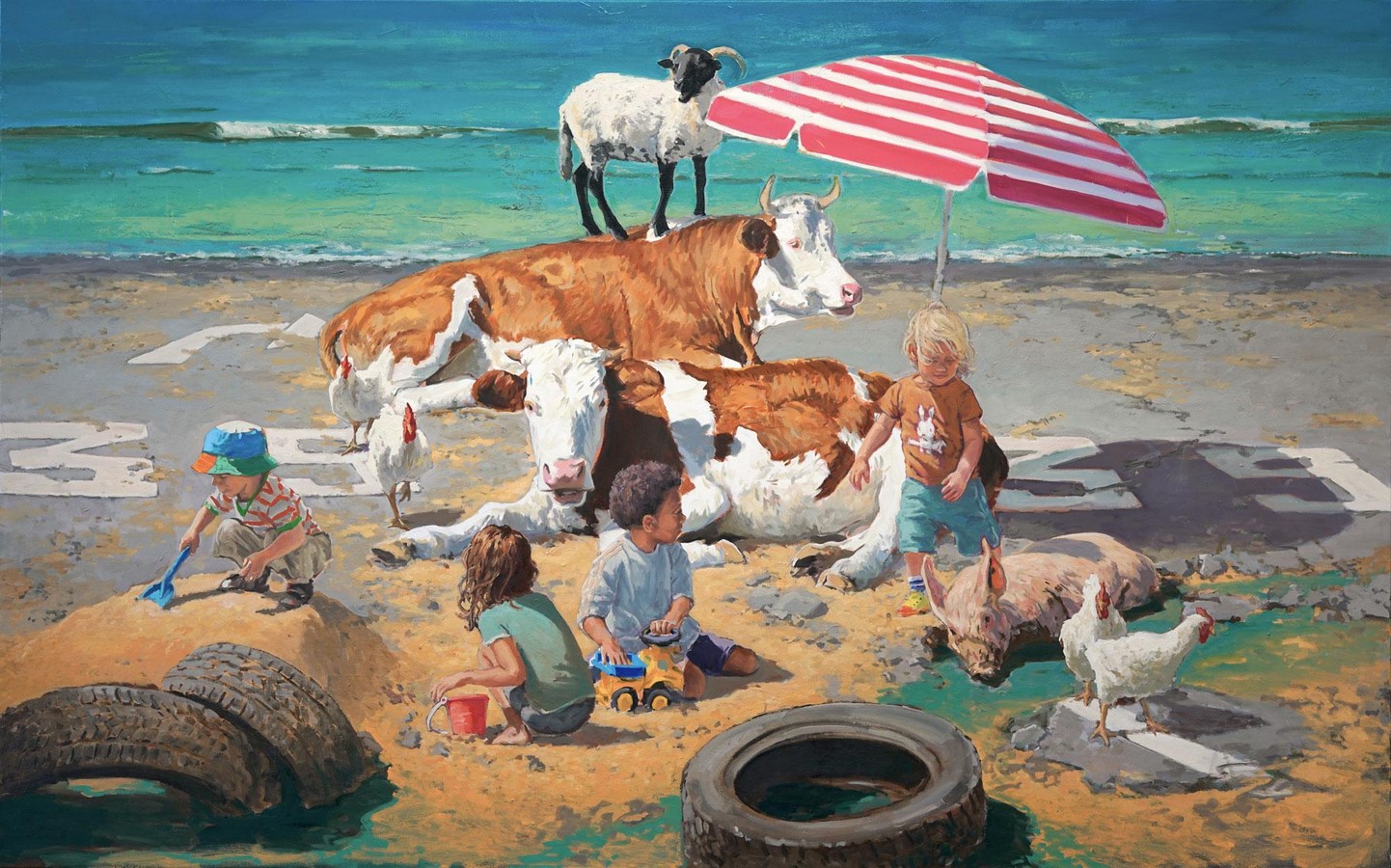
Positive progress has always been synonymous with how effectively humans and other beings can be turned into resources in order to benefit a targeted purpose. This is essentially what makes up the capitalocene aspect of humanity; everything functions in accordance with the global capitalist system of production, power, and profit, segregating beings that once existed together into distinct categories for efficiency purposes.
This treatment transforms the idea of nature being life-giving and ephemeral into a cheap commodity that can be exploited, and non-humans, such as plants and animals, are included in this evolved geohistorical classification.
Developers are open to rethinking the value of building in an existing environment rather than replacing an area already in possession of its own unique ecosystem, with a ‘green’ and ‘sustainable’ solution that is focused on providing a higher economic ROI in the future, rather than also valuing or enhancing the lives previously existing on site. In the current technological landscape, a collaborative effort between non-humans and humans can happen simultaneously; what matters is the consideration and design process followed while shaping the project.
Biocentric ideas, biomimetics, allow a degree of freedom for animals that are the natural architects of their space (beavers, bees, birds, polyps, pufferfish, and more), studying animal patterns and working out the human system around their needs. These practices can vividly alter how cities and spaces in the future will look and evolve into being truly sustainable.
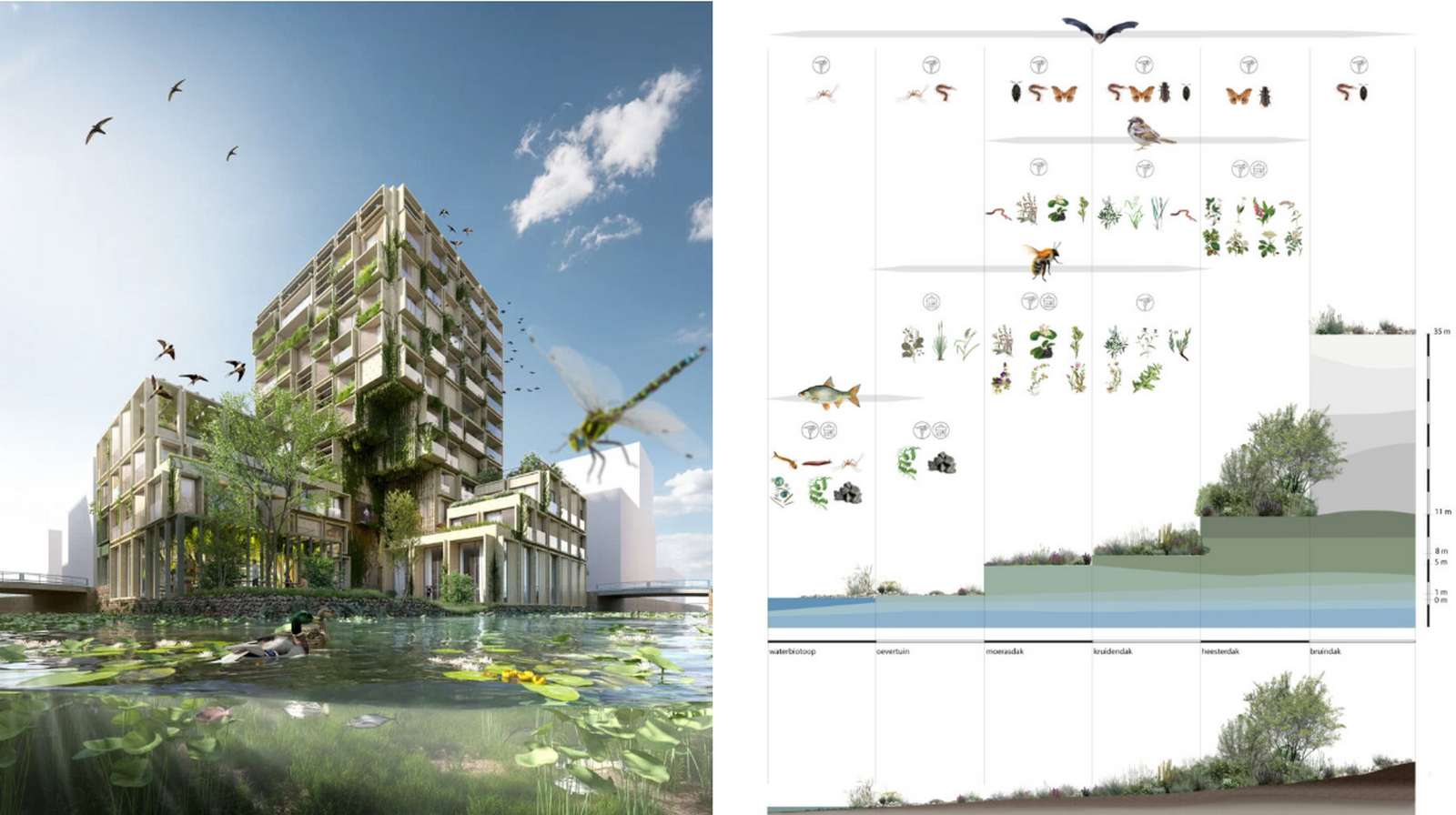
Space Designing for Non-Humans To Build Empathy in Humans and Mitigate The Climate Crisis
Designing for a hybrid community of humans and non-humans means being able to observe non-human daily life while humans live their own. This day-to-day interaction, however subtle, would cause an impact in human lives and shift their routines to be more ecologically sensitive and less harmful to the large-scale environment. Accommodating non-humans into their own spaces inculcates a sense of empathy and respect, an awareness that all inhabitants of Earth are equal and they do deserve their own space too. This builds a mindset to make better decisions in their lifestyle and subsequently builds into stricter public policies that tackle the major issues of urbanisation, loss of biodiversity, and ecological imbalance.
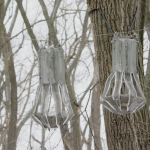
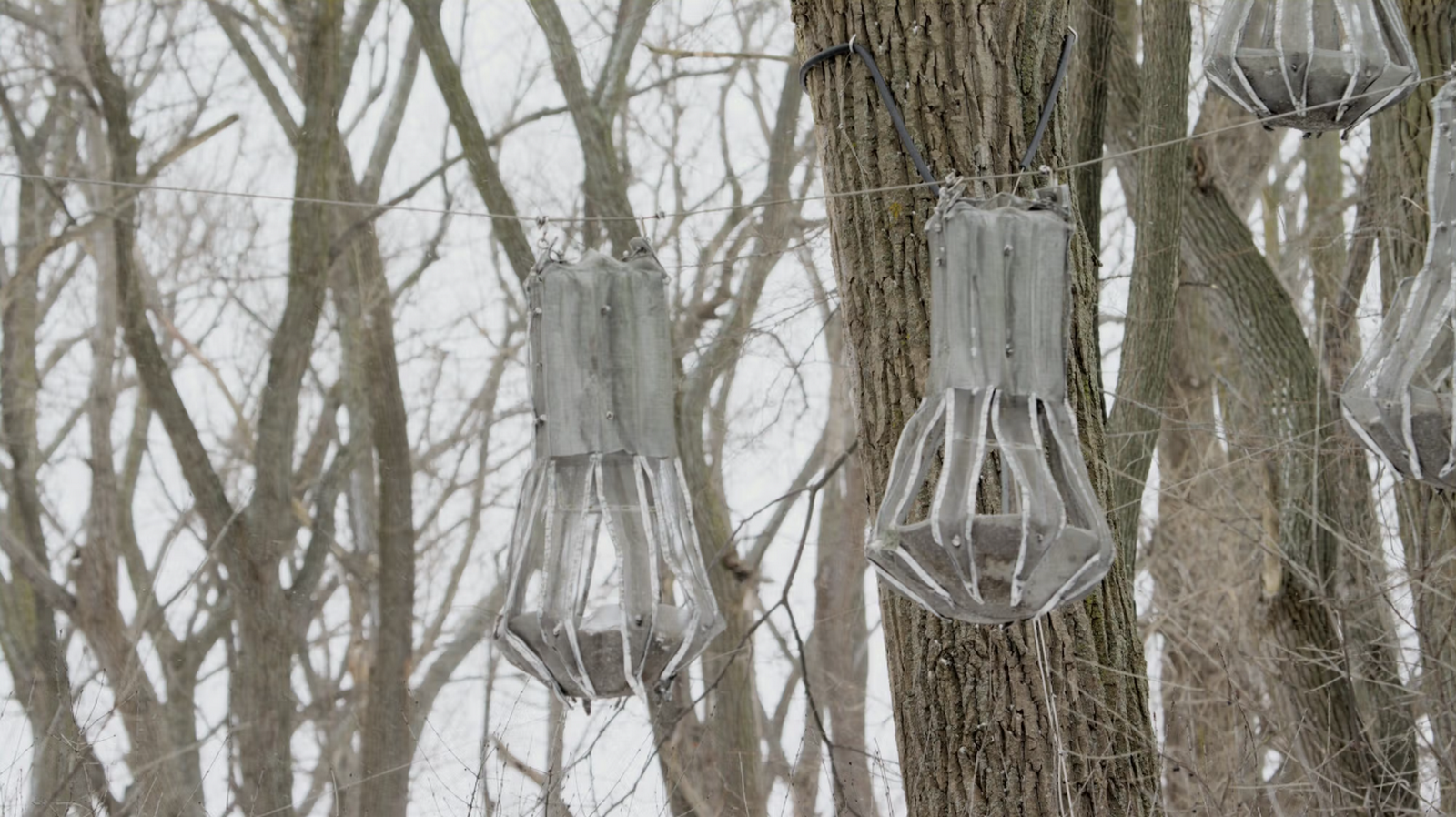
“[…] We’re surrounded by species, and that is a default condition of the world, [so] we have to include them in the way we are designing the world.” – Joyce Hwang, University at Buffalo and founder of Ants of the Prairie. With this idea in mind, she has also designed several innovative strategies, like the Habitat Wall and the Bat Cloud, to provide habitats for displaced living beings.
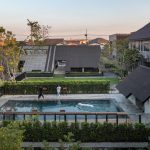
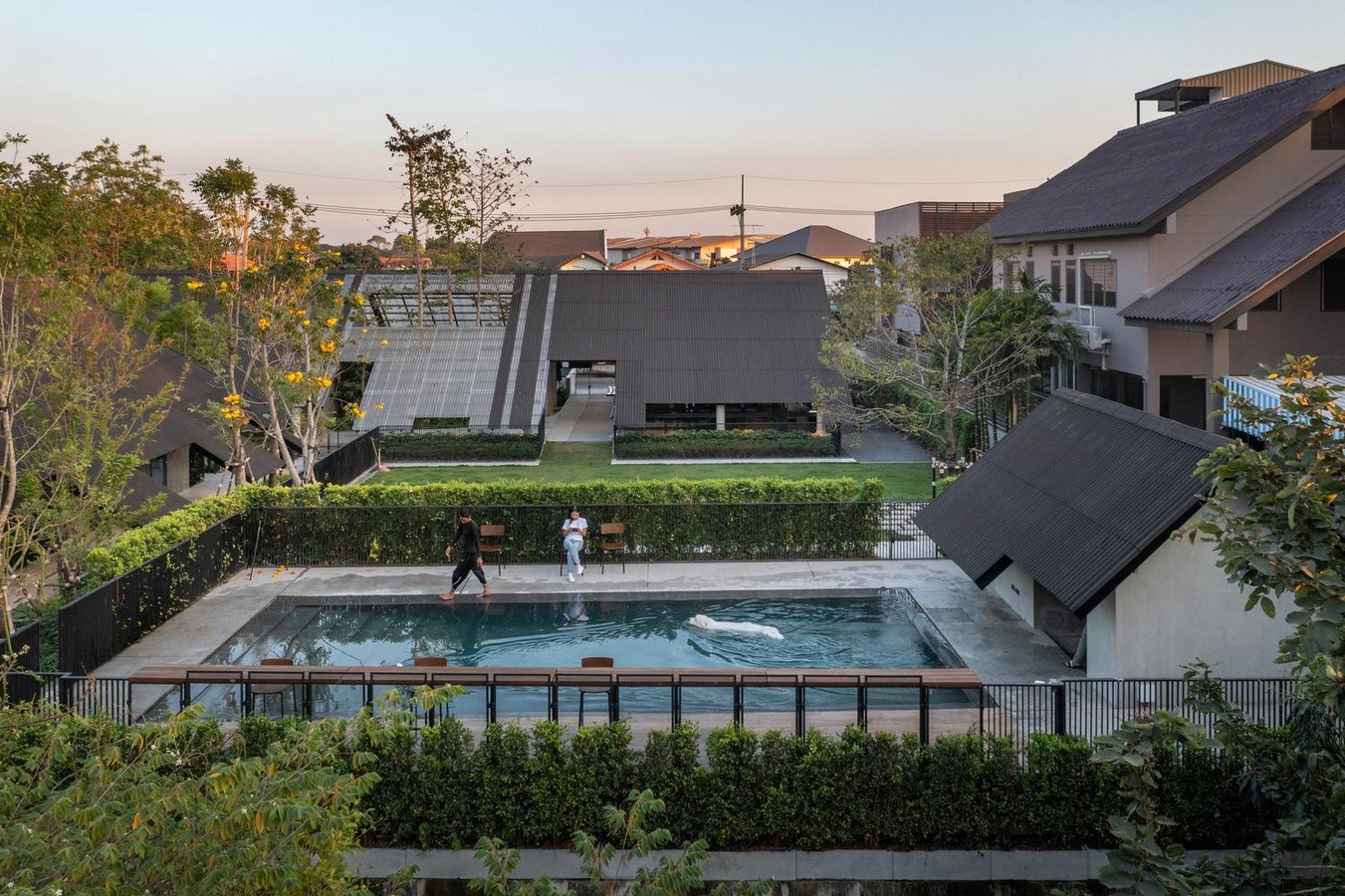
The Dog/Human House by EKAR is a notable project that has taken this empathetic approach towards making the large scale of a human space feel usable to dogs, too. The roof overhangs almost until it touches the ground, creating smaller-scale spaces for the animals to interact under. The swimming pool steps are designed so that they’re functional for both humans and animals, and abundant biodiversity mimicking a natural habitat is integrated into the design.
Another example to mention would be the Rural Geometries Barn by Paradigma Ariadné, which experiments with non-human space designing on a larger scale. The project aimed to immigrate buffalos to the place through the design of a buffalo barn and educational trail built to observe the natural protected land. While the trail would invite visitors to interact with the natural environment, the buffalo would recultivate the area and restore the area’s natural lake and swamp ecosystem, which would include welcoming back hundreds of other species that were staying away due to a lack of water surface.
Including non-human user groups in preliminary demographic studies requires a subtle merge of the conventionally separated educational fields of ecology, landscape design, and traditional structural architecture to result in designing an experience that resembles a world where all forms of life have the right to live and co-exist comfortably. This also widens the architecture field’s jurisdiction of thought, and the introduction of these new potentials would prevent academic stagnation over the years.
REFERENCES LIST:
Haraway, D.J. (2016) Staying with the trouble: Making Kin in the Chthulucene. Durham: Duke University Press.
Non Human Architecture | Architectural Design Company | RSP international studio (no date) RSP Design. Available at: https://rsp.design/architecture-for-non-humans/ (Accessed: 28 January 2026).
Schueman, L.J. (2021) Five amazing animal architects, One Earth. Available at: https://www.oneearth.org/five-amazing-animal-architects/#:~:text=Beavers,to%20a%20hundred%20feet%20long (Accessed: 28 January 2026).
Tan, D. (2022) Designing for other species | magazine | moma, MoMA. Available at: https://www.moma.org/magazine/articles/748 (Accessed: 28 January 2026).
Pintos, P. (2021) Rural Geometries Barn / paradigma ariadné, ArchDaily. Available at: https://www.archdaily.com/970389/rural-geometries-barn-paradigma-ariadne?ad_source=search&ad_medium=projects_tab (Accessed: 28 January 2026).
Abdel, H. (2022) Dog / human house / ekar, ArchDaily. Available at: https://www.archdaily.com/986066/dog-human-house-ekar?ad_source=search&ad_medium=projects_tab (Accessed: 28 January 2026).
Poston, O. (2024) Architecture beyond humanity: Designing for non-human species, ArchDaily. Available at: https://www.archdaily.com/1020079/architecture-beyond-humanity-designing-for-non-human-species (Accessed: 28 January 2026).
Ghisleni, C. (2023) Architecture as collaboration between human and non-human species, ArchDaily. Available at: https://www.archdaily.com/994659/architecture-as-collaboration-between-human-and-non-human-species?ad_source=search&ad_medium=search_result_articles%3Fad_medium&ad_name=related-article&ad_content=1020079 (Accessed: 28 January 2026).