Cultural organizations are undergoing a major shift as digital technologies change how audiences connect with knowledge, art, and performances. Museums, libraries, and theaters, once defined by their physical presence and space, now exist in a hybrid state where physical and digital experiences meet. This change has accelerated because of streaming culture, online exhibitions, and remote engagement. As a result, there is a need to rethink architectural space. Hybrid cultural spaces are not just extra features on digital platforms. They are becoming vital connections between physical experiences and virtual interactions.
The hybrid condition and architectural theory
From a critical theoretical viewpoint, hybrid cultural spaces challenge the modernist view that architecture is a finished and separate entity. Instead, they align more closely with theories of space that are relational and network-based, where meaning comes from interaction rather than just form. The physical structure no longer holds exclusive cultural power; it exists alongside digital platforms that widen its influence and diversify its audience. Architecture must therefore balance presence and absence, creating for users who engage with space physically and those who connect remotely. This situation disrupts established hierarchies of internal and external, public and private. Cultural structures turn into open networks that support different forms of engagement, raising questions about authorship, governance, and the future of shared experiences.
Museums
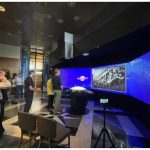
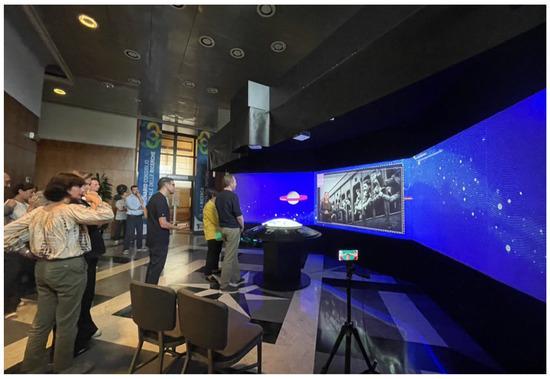
Museums were among the first to adopt hybrid cultural models. Digital collections, virtual reality applications, and interactive exhibits have expanded the museum experience beyond traditional galleries. Physical exhibitions now act as curated spaces within a larger digital world. They offer depth, authenticity, and spatial experiences rather than complete narratives. From an architectural perspective, this shift requires galleries that can accommodate both classic artifacts and digital media. Surfaces become screens, pathways turn into interpretive experiences, and lighting must balance preservation with engaging displays. The museum changes from a place of passive observation to one of active participation. Visitors can move between physical items and digital representations. In this process, architecture supports a multi-dimensional experience that evolves for both in-person and online audiences.
Libraries
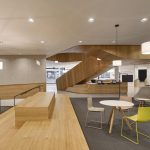
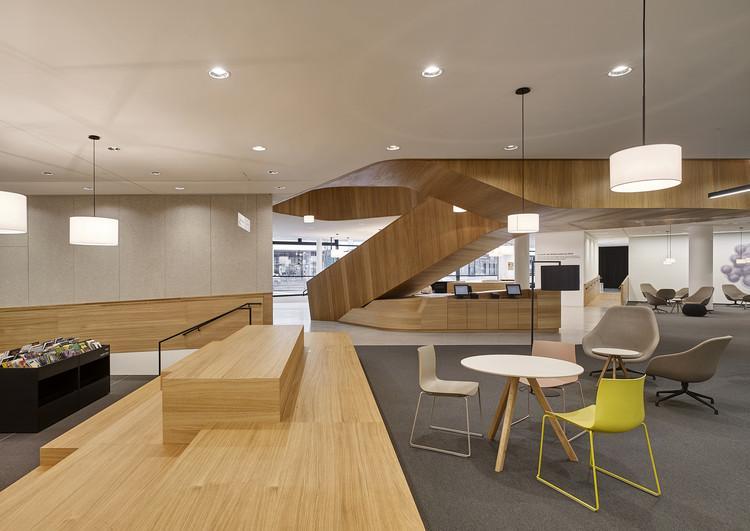
Libraries show the shift from exclusive to mixed cultural roles. As information becomes more available online, the library’s traditional role as a storage place for books has decreased. Now, the library serves as a community and social resource that promotes education, cooperation, and digital skills. Hybrid libraries blend traditional reading rooms with digital labs, maker spaces, and community areas. This requires flexible designs that cater to varying levels of noise, interaction, and technology use. Furniture arrangements, space organization, and services need to change with new usage patterns. Rather than competing with digital platforms, the library provides what the online world lacks: a welcoming space for collaborative learning and intellectual exchange.
Theatres
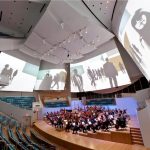
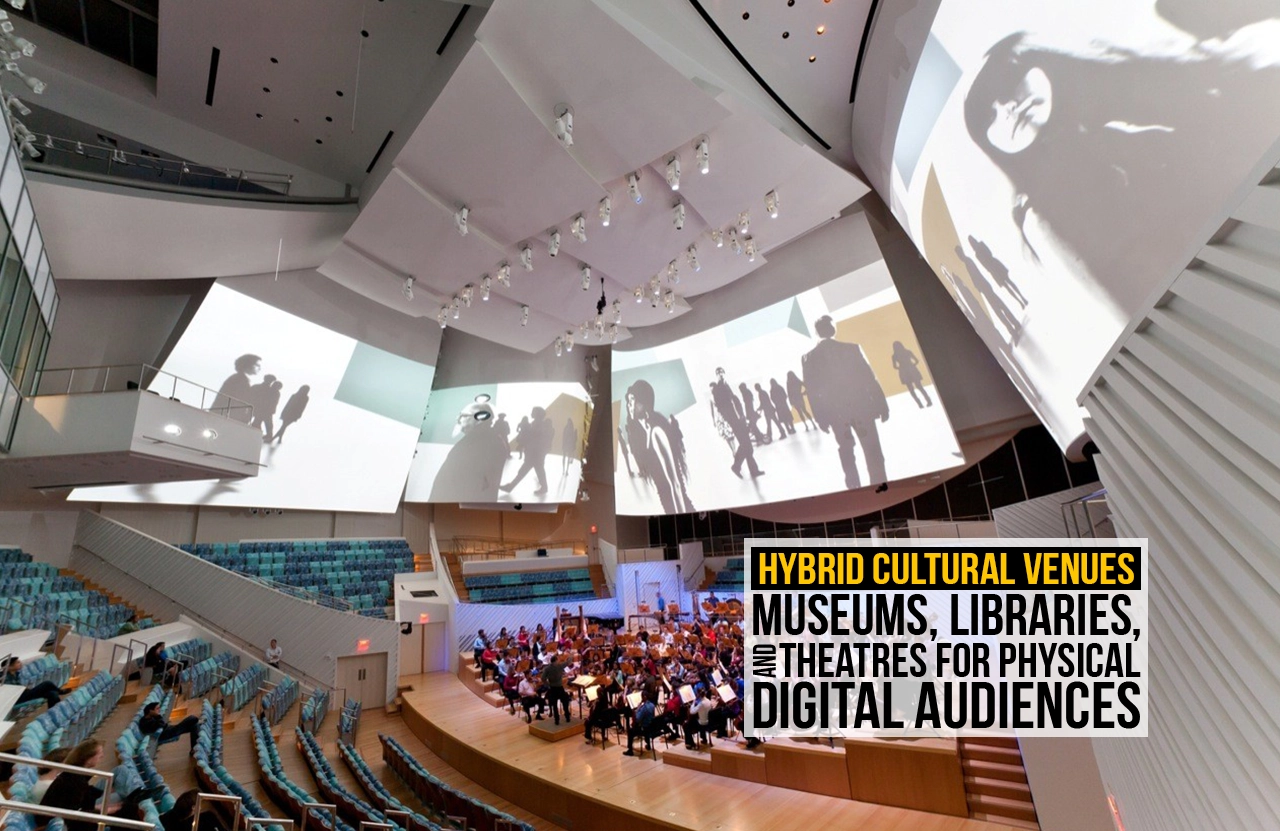
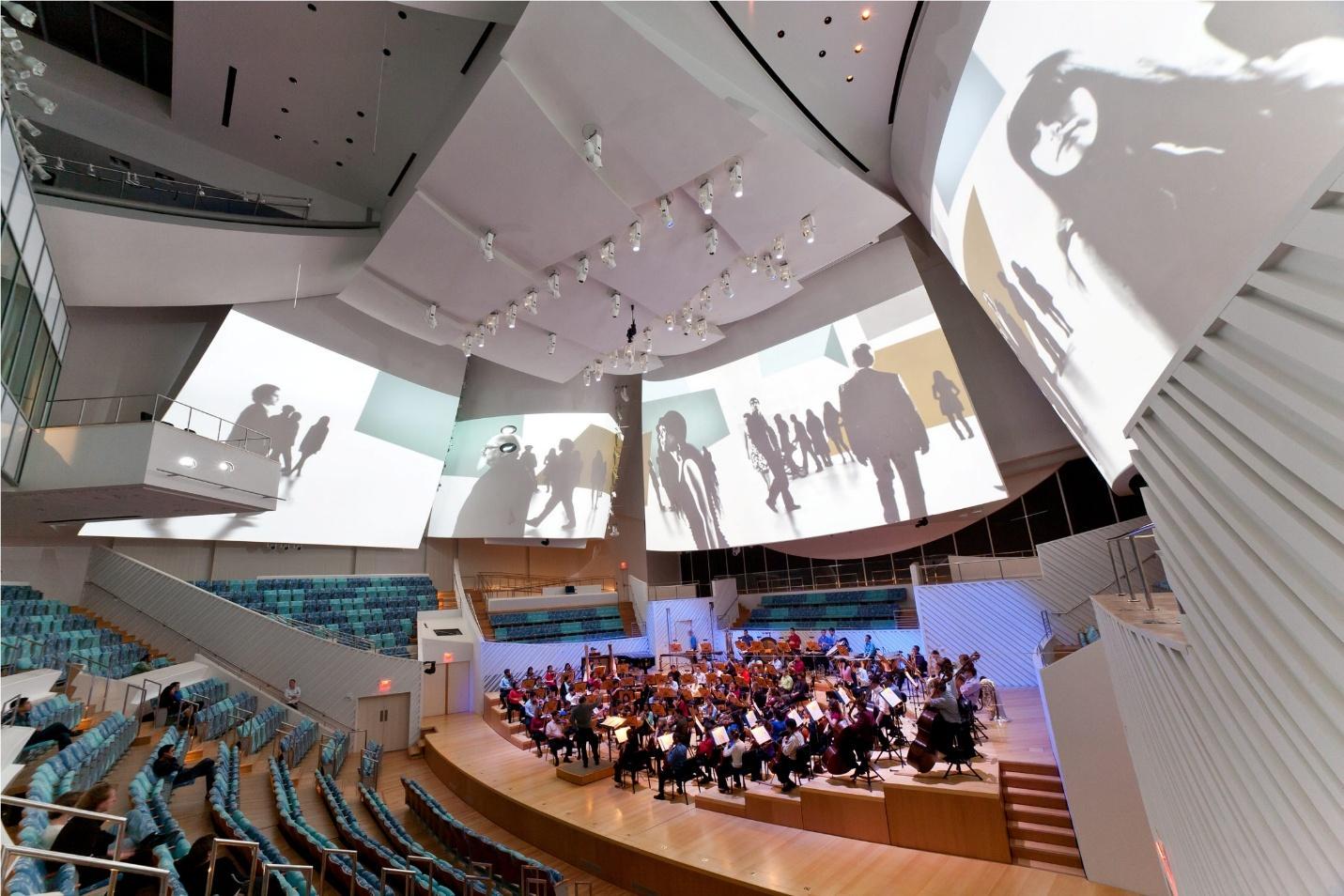
Theatres face a unique challenge in today’s mixed cultural landscape. Live performances are increasingly impacted by streamed and recorded content. While digital distribution makes shows more accessible, it can also diminish the immediacy and shared excitement of the live experience. Hybrid theatres respond by integrating technology while still prioritizing live performances. Design concepts include flexible stages, improved sound quality, unified recording systems, and seating arrangements that cater to both in-person audiences and digital events. The theatre evolves into a space that hosts live shows while also broadcasting them elsewhere. In this blended environment, design plays a crucial role in preserving the feeling of shared presence, even as performances become more mediated.
Spatial Flexibility and Technological Integration
A key feature of hybrid cultural spaces is the easy integration of technology into their architectural design. Digital infrastructure, including data networks, visualization systems, audio technologies, and interactive interfaces, should fit in without sacrificing spatial clarity. This requires a careful balance between technological openness and architectural simplicity. Flexibility becomes an important design principle. Movable panels, modular seating, adjustable lighting, and flexible platforms allow spaces to transition between physical and digital formats. Instead of designing buildings for specific functions, architects create frameworks that are ready for change, ensuring lasting relevance in a rapidly evolving technological landscape
Socio- cultural Implications
Apart from practical aspects, hybrid cultural spaces are essential for social interactions. In a time of growing digital separation, these places provide opportunities for in-person meetings, conversations, and shared experiences. Although audiences participate from afar, the physical location still offers authenticity, memory, and a sense of space. Hybrid spaces also make cultural access fairer. Digital extensions allow institutions to reach wider audiences, while physical spaces anchor cultural activities within their local communities. Architecture acts as a link between global influence and local presence, highlighting the importance of public cultural infrastructure in an increasingly privatized digital world.
Hybrid cultural spaces represent an important shift in how architecture connects to culture during the digital age. Museums, libraries, and theatres are now defined not only by their physical boundaries but also by their ability to provide diverse experiences in both physical and virtual realms. As people move effortlessly between different screens and spaces, architects face the challenge of using technology to improve the physical experience, rather than replacing it. The key question remains: as culture becomes more accessible online, can hybrid architectural spaces preserve the depth, rituals, and shared meaning that physical institutions have historically provided?