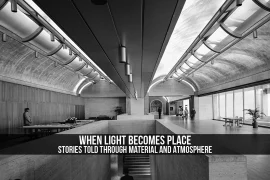
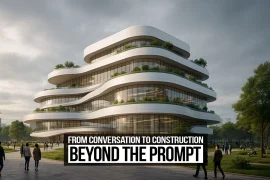
Traditional media have always provided humans with a way to record society through its architecture and urban fabric. Buildings, streets, and settlements often provided hidden narratives and quiet physical records that are so often missed in written history. Together, they create an informed backdrop to how society has evolved, how its people have adapted to the architecture and in turn, how architecture has impacted social behaviour.
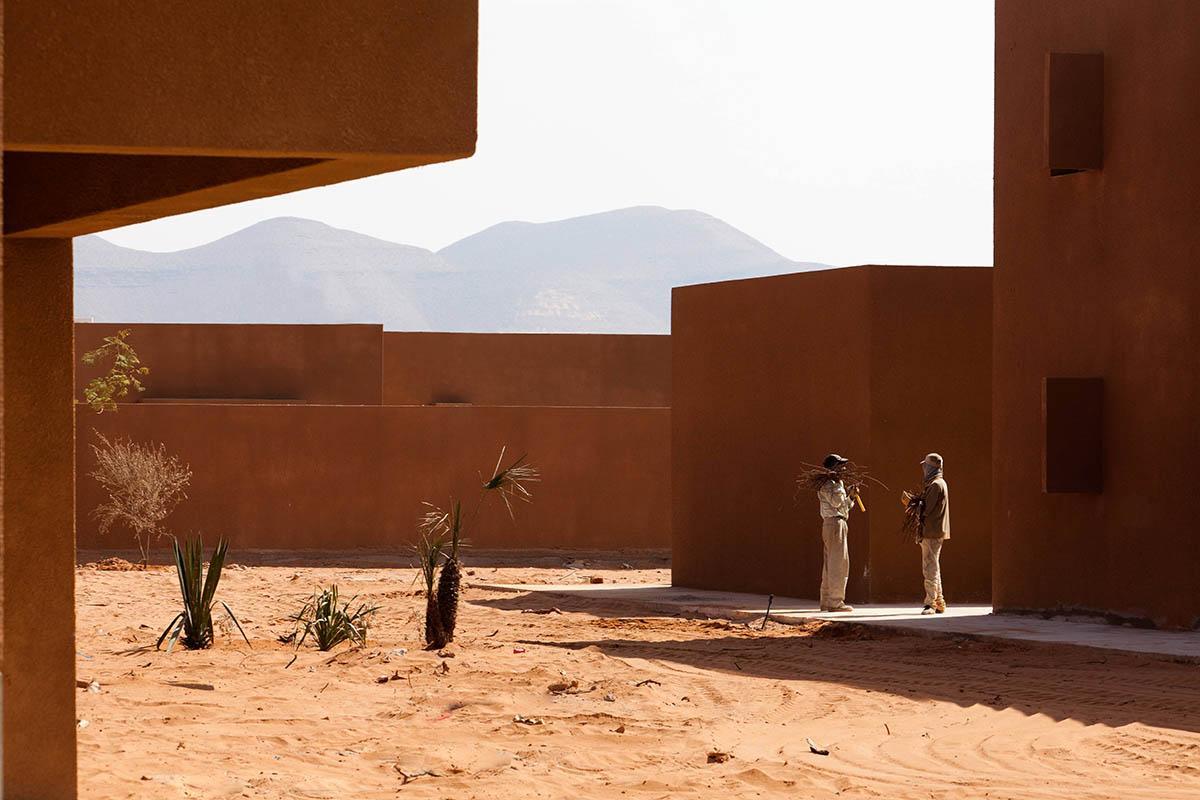
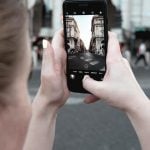
Portuguese photographer, Fernando Guerra, commented that “Architectural photography has always been a response to a problem, which is how to promote a work, and help preserve its memory. What paintings were able to portray during earlier historical periods, photography now carries forward the responsibility of representation. With the ubiquity of smartphones and personal cameras, photography is no longer primarily a profession dominated by experts, but rather widely accessible. Each individual carries the tools for documentation and storytelling, creating a collective visual archive.
Impact of the Pandemic on Architectural Photography
Not only did the pandemic have a lasting effect on the profession of architectural photography, but it also rewrote how architectural photography was used to portray its subjects. The sudden lockdown and its continued effect, sometimes still visible today, rewired narratives that were used to frame still and motion photography. A New York Times piece, anointed ‘The Great Empty’, showed urban metropolises as uninhabited civic spaces. Several photographs captured the cities without their people and infrastructure without its users. This served as an integral turning point in urban photography; photos prioritised authentic user presence and movement, with lived experience driving storytelling.
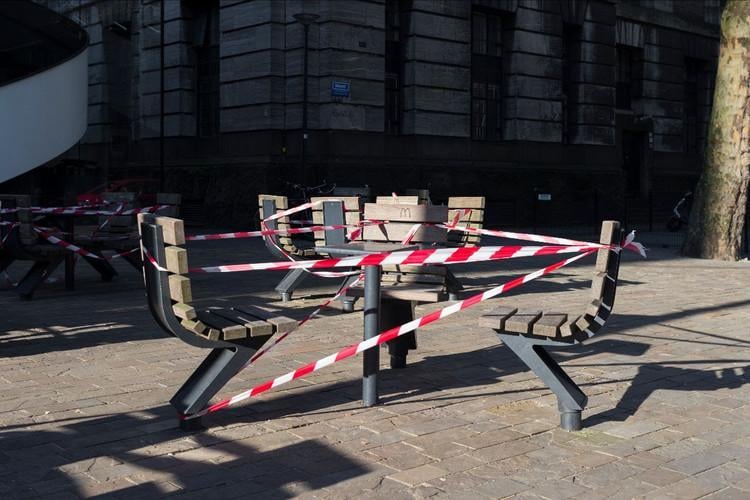
Hyper-detailed modernist shots and heavily edited photos gradually morphed into authentic, natural shots, retaining their true essence. Photographers rarely sought clean and empty frames anymore; architecture and the urban fabric served as a medium for storytelling and documentation.
Shift from Documentation to Storytelling
With the current shift to a more empathetic and authentic style of shooting, architectural and urban photography has also noticed a discernible shift in its style from documentation to storytelling. It provides a recognisable and growing trend of humanising built form around us. Human presence and movement are captured and utilised to demonstrate how structures are utilised, not just how they appear. Preference is also given to showing projects in honest frames, with minimal editing and use of editing software.
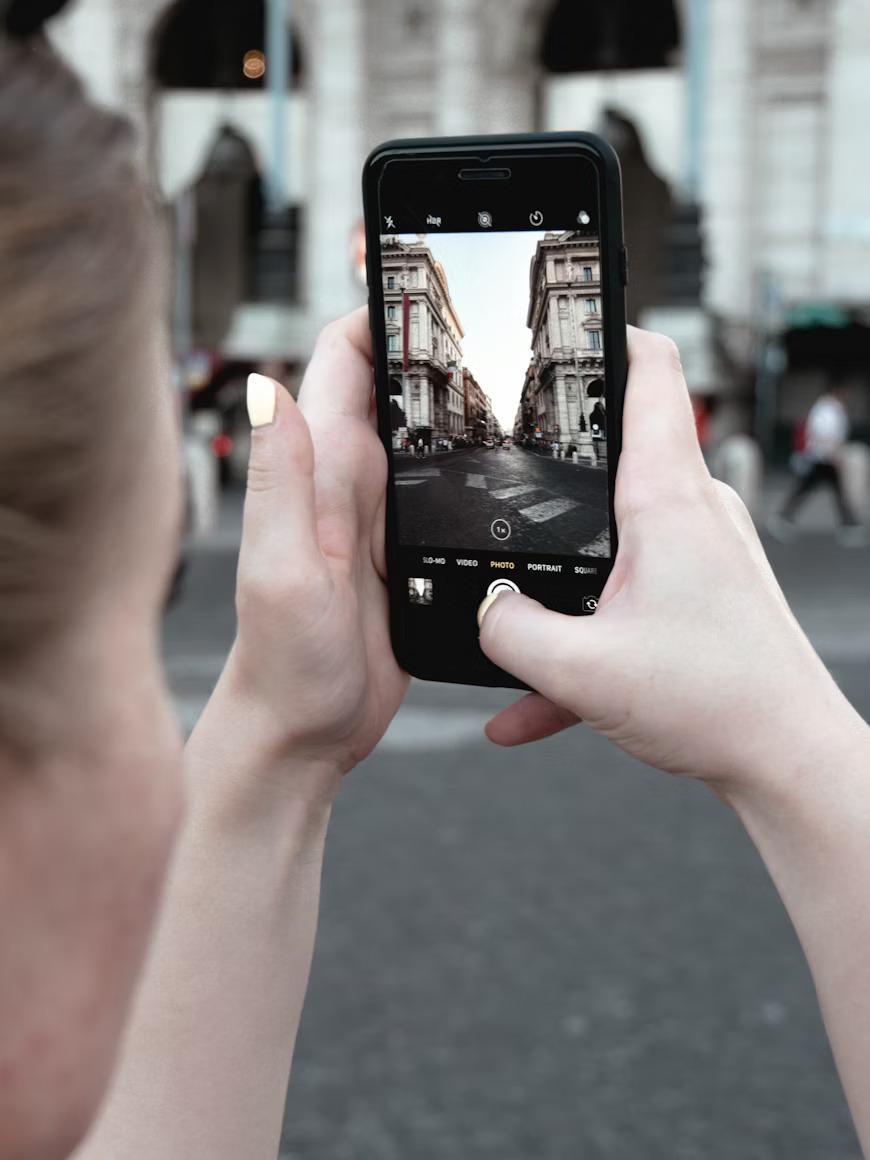
Fernando Guerra also noted that often his quest for the image is one that cannot be replicated. His “ambition is to capture the narrative of a space, to tell the story of its day-to-day life, and to evoke the feeling of being there.” His aim has primarily been to combine his passion for storytelling with the ‘art of capturing human elements within urban landscapes’.
Social Media and Its Influence
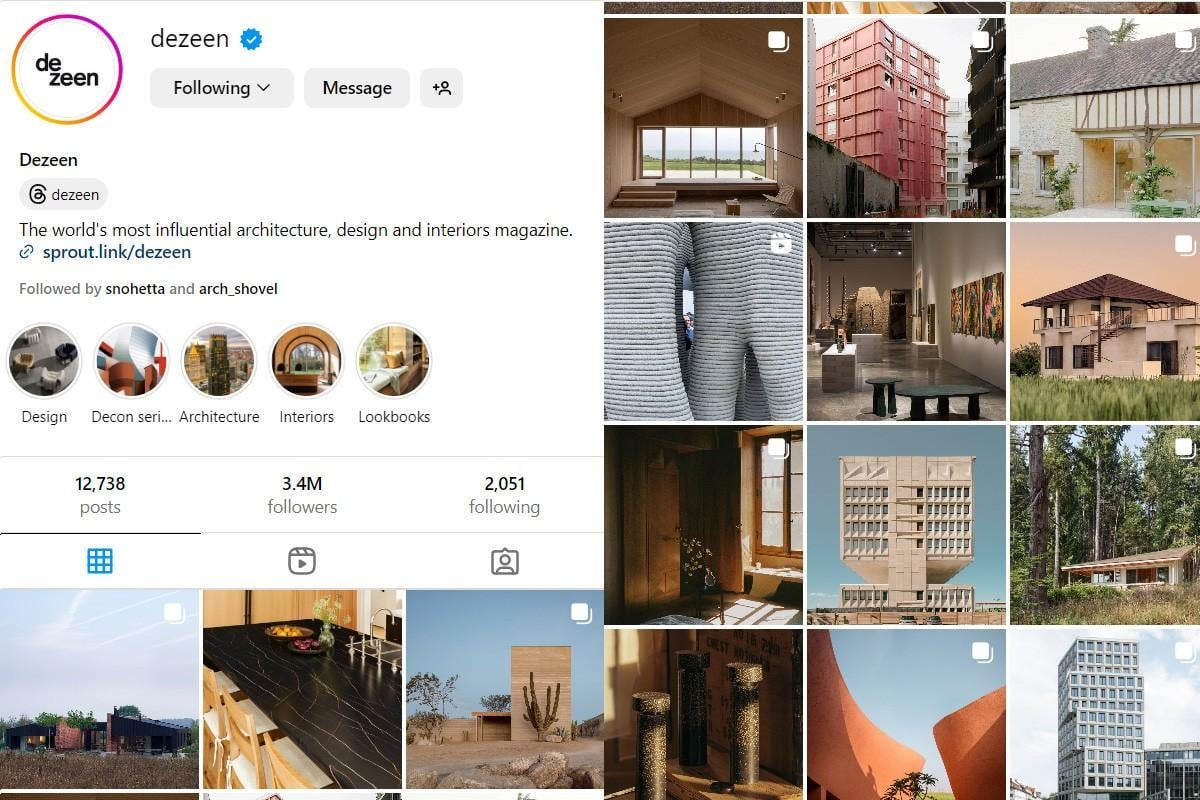
With social media such as Instagram, X (formerly Twitter), and Facebook having increased popularity and reach, images have progressively become vertical and symmetrical for maximum shareability. In a way, social media has democratised photography, providing unprecedented access and reach all over the world. With mobile phone cameras capitalising on the increasing popularity of platforms such as Instagram and Pinterest, they now provide incredibly high-quality images that can be directly uploaded to these platforms.
The wide user base thus enables easier sharing of work across not only cities, but countries as well. As witnessed with the emerging prominence of technology, authentic and human-influenced technology, with an attention to detail and craft, has also increased in demand and price. In addition to that, the recent refocus on nostalgia has also brought back old trends of lighting and framing.
Technological Advancement in Photography
Technological advances such as high definition cameras, AI-assisted corrections, 360-degree cameras, virtual / augmented reality walkthroughs and photogrammetry have opened up a space within architectural photography that previously did not exist. Architecture that can be experienced by the user even before the structure is built or long after it has been demolished serves as the ideal intersection of technology and photography.
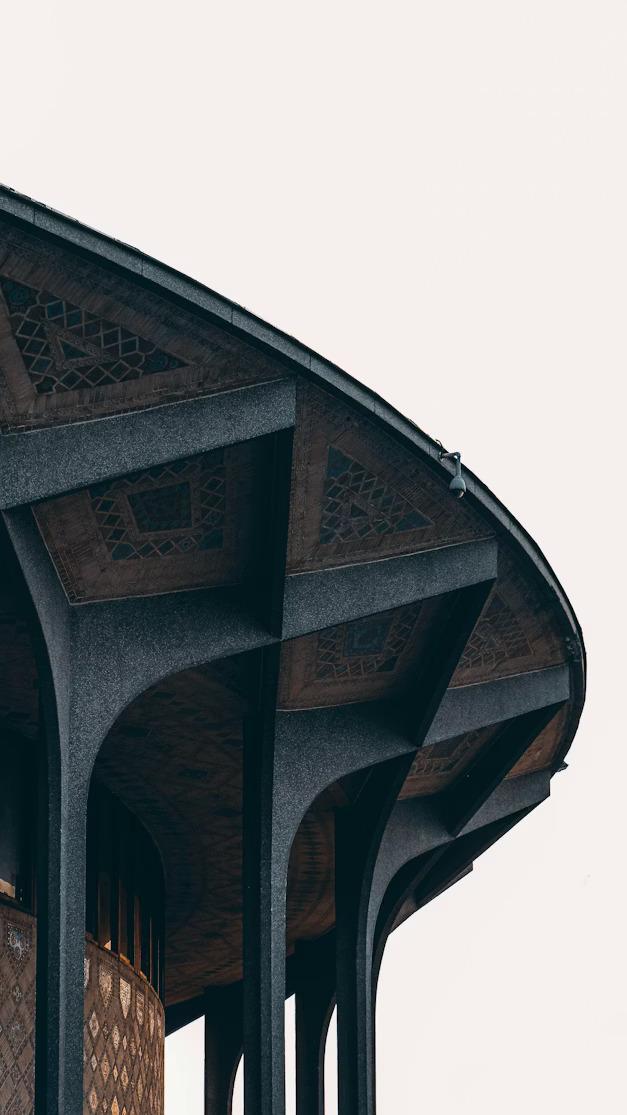
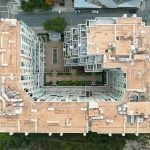
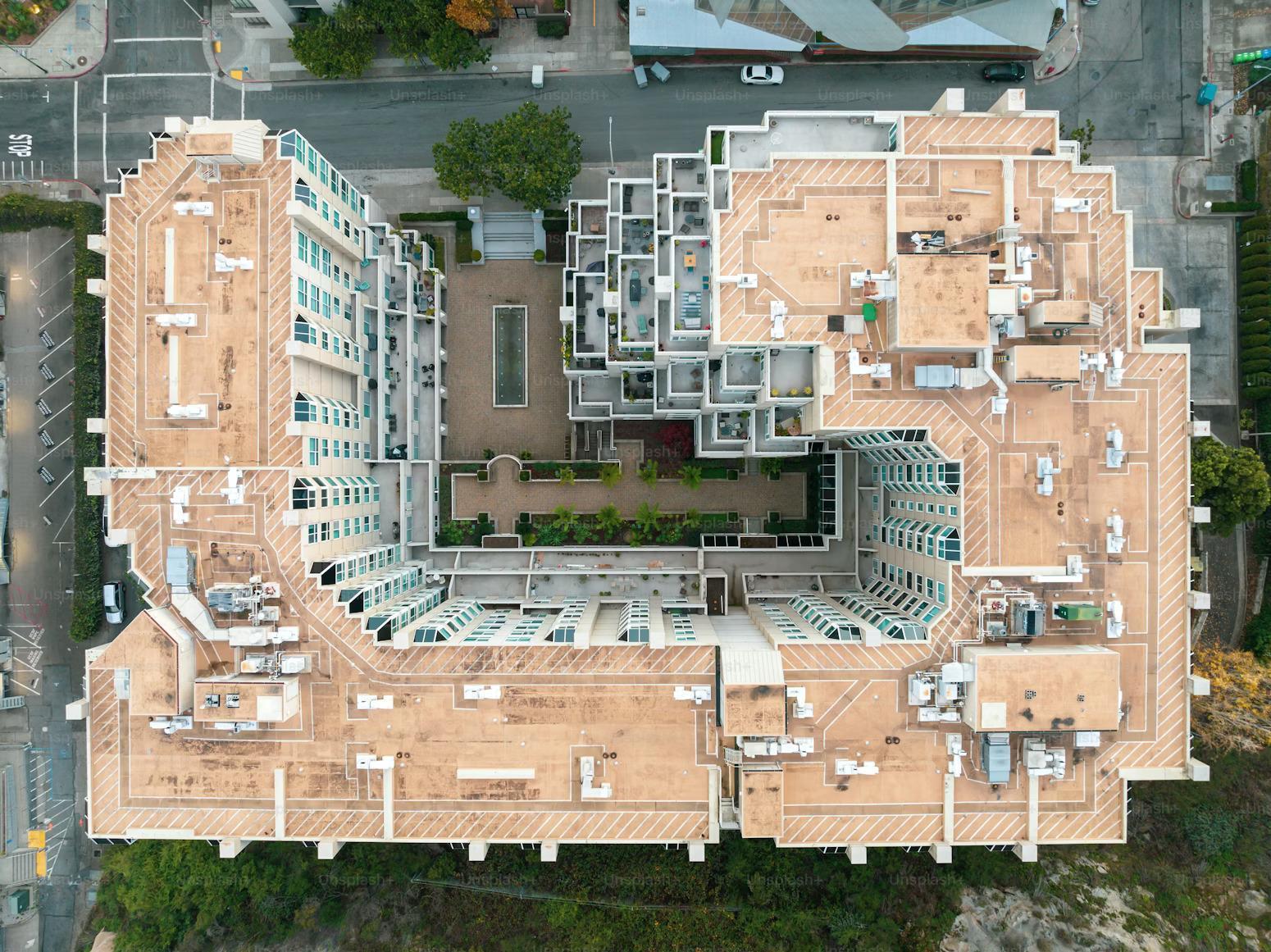
Tools such as drones and photogrammetry allow the documentation of structures far beyond the imagination of humans. Conversion of this photographic data into 3-dimensional models and detailed renderings allows both architects and clients to explore this data virtually, through multiple angles.
In addition to just software, portable lighting kits, along with weather prediction, allow photographers to create favourable settings for outdoor shoots. Post that, several applications allow fine-tuning, in addition to several presets, to adjust and enhance images as visualised.
What does Architectural Photography look like in the Future?
Today, architectural photography stands at the intersection of technology and art. Recent trends and inventions have not only allowed a wider group of people to contribute to this field, but in tandem have also increased several costs associated with this field. Several software and equipment become inaccessible to the wider audience, creating an internal disconnect. With further advancement, there is a certainty of more affordable options, seeing how drones have several inexpensive options available in the market today.

But what does architectural photography look like in the future? Balancing art and technology will prove to be a crucial challenge in the coming years. Over-reliance could lead to the loss of individuality, while under-utilisation could lead to the loss of opportunities. Adaptation and intentional integration will further redefine architectural photography.
References:
Ozen, S. (2025) Future trends in Architectural Photography: Innovations Shaping the industry: Learn Architecture Online, Learn Architecture Blog. Available at: https://learnarchitecture.net/architectural-photography/25778-future-trends-in-architectural-photography-innovations-shaping-the-industry.html (Accessed: 20 January 2026).
Chousein, B.C. (2024) ‘architectural photography has always been a response to a problem’ say photographers, World Architecture Community. Available at: https://worldarchitecture.org/architecture-news/fzmnm/-architectural-photography-has-always-been-a-response-to-a-problem-say-photographers.html (Accessed: 20 January 2026).
Baldwin, E. (2020) Empty cities: Photographers capture covid-19’s urban impact around the world, ArchDaily. Available at: https://www.archdaily.com/936231/empty-cities-photographers-capture-covid-19-s-urban-impact-around-the-world (Accessed: 20 January 2026).