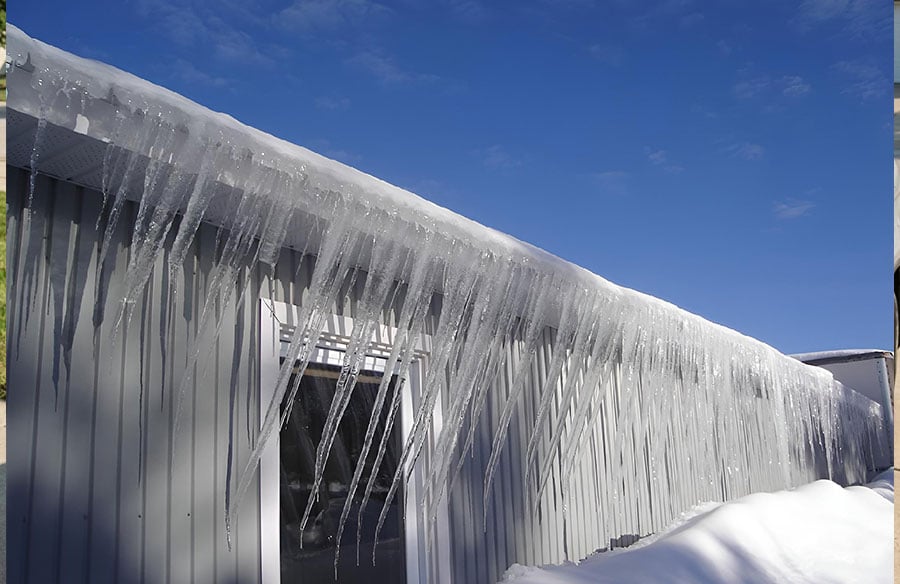
Minnesota’s winters don’t just test your patience; they put your roof through a relentless cycle of freezing, melting, and refreezing. You might not notice the effects right away; however, these shifts quietly weaken materials, invite moisture, and shorten your roof’s lifespan. Understanding how freeze-thaw cycles work helps you spot early warning signs and act before small issues grow into expensive repairs. With the right awareness, you can protect your home and keep your roof performing reliably year-round.
What Freeze-Thaw Cycles Actually Do to Roofing Materials
Water has a sneaky way of finding even the smallest entry points on a roof. Once it slips into tiny cracks and temperatures drop, it freezes and expands, forcing those openings wider than before. When this keeps happening throughout a Minnesota winter, the material simply can’t keep up, and the damage compounds faster than most homeowners expect.
A renowned roofing contractor in Minnesota claims that repeated expansion doesn’t just look bad from the outside; it slowly eats away at the strength of your shingles and underlayment. Over time, layers that should protect your home start losing their grip and flexibility. You might not notice anything immediately; however, each freeze makes the structure a bit weaker, setting the stage for larger problems.
Flashing tends to suffer more than people realize. As surrounding materials shift, the metal pieces meant to guide water safely away begin to loosen. Even a slight separation can invite moisture into places it shouldn’t reach. Once that process starts, repairs become more urgent because water rarely stays confined to one area.
Protective granules are another quiet casualty of these temperature swings. They help shield shingles from weathering, yet constant freezing and thawing gradually loosen them. You may spot them collecting in gutters without giving it much thought. Still, their absence leaves shingles exposed, and that exposure often shortens the roof’s lifespan considerably.
Ice Dams and Why They Form So Easily
Ice dams usually begin with uneven snowmelt, which often stems from heat escaping from the attic. Warm air rises, meets the underside of the roof, and melts the snow sitting above it. The water flows downward until it reaches colder edges, where temperatures drop enough for it to freeze again.
Once that refreezing starts, a ridge of ice forms along the roofline. It might look harmless at first glance, yet it acts like a barrier that stops additional meltwater from draining properly. Instead of running off, the water pools behind the ice, lingering longer than your roofing materials were designed to handle.
As more snow melts during the day and refreezes overnight, the blockage grows thicker. That trapped water has nowhere to go except sideways and upward, searching for gaps. Shingles aren’t designed to be watertight, so when pressure builds, moisture can seep in faster than most people anticipate.
When water slips beneath those shingles, it often travels farther than expected before showing visible signs. Stains on ceilings may appear weeks later, making the source harder to trace. Addressing ice dams early saves far more effort than dealing with interior repairs once the thaw finally arrives.
Hidden Moisture Damage Beneath the Surface
Not every roofing issue announces itself with a drip from the ceiling. Many leaks begin quietly between layers, spreading moisture where you can’t easily see it. That slow intrusion matters because materials remain damp for extended periods, and damp spaces rarely improve without intervention.
Insulation takes a significant hit when moisture settles in. Instead of efficiently trapping heat, it becomes heavy and far less effective, which drives heating costs higher. You might crank the thermostat without realizing the real culprit sits just above your head, gradually undermining comfort throughout the home.
Wooden decking reacts poorly to prolonged exposure to moisture. It can warp, soften, and eventually rot, weakening the very structure that supports your roof. Repairs at this stage tend to involve more than surface fixes, so catching the issue early often means the difference between a manageable project and a major expense.
Mold thrives anywhere moisture lingers, especially in spaces with limited airflow. Once established, it spreads quickly and can affect indoor air quality. That’s why regular inspections matter; they help uncover hidden dampness before it evolves into a health concern.
How Temperature Swings Stress Structural Components
Minnesota winters rarely stay consistent, and those daytime warmups create subtle movement across your roof. Materials expand as temperatures rise, which may seem harmless in itself. Trouble begins when that warmth disappears overnight and everything contracts again, repeating a cycle that steadily strains each component.
Rapid contraction challenges materials that were already stretched earlier in the day. Even durable roofing products have limits, and frequent shifts test their resilience. Small separations can form where layers once fit tightly together, allowing cold air and moisture to creep into vulnerable areas.
Sealants deserve special attention in these conditions. They start flexible, yet harsh cold can turn them brittle, leading to cracks that compromise their purpose. Once gaps appear, water doesn’t need much encouragement to move in, and those entry points tend to widen with each passing freeze.
Fasteners hold everything in place, but they aren’t immune to constant movement. Nails and screws can loosen gradually as surrounding materials shift back and forth. That slight instability may not stand out immediately; still, it reduces the roof’s overall integrity and increases the chance of sections lifting during strong winter winds.
Gutters and Drainage Under Seasonal Pressure
Gutters work hardest when snow begins to melt, yet frozen debris often blocks the path before water can escape. Leaves, twigs, and accumulated buildup harden in cold weather, creating stubborn clogs. Instead of flowing away from the house, meltwater lingers along the roofline longer than it should.
Ice adds surprising weight to the equation. As it thickens inside gutters, the extra load pulls at brackets and fasteners that weren’t designed for that kind of strain. You might notice sagging sections forming, which signals that the system is struggling to do its job.
When drainage falters, water starts looking for alternatives. It may back up beneath shingles or gather near edges where it can seep into fascia boards. That kind of exposure accelerates wear, and what began as a gutter issue quickly becomes a roofing concern.
Standing water rarely stays harmless. Given enough time, it encourages deterioration across multiple materials, from wood trim to metal components. Keeping gutters clear doesn’t just improve appearance; it directly protects the roof from damage that tends to escalate once freezing temperatures settle in.
Wrap Up
Freeze-thaw cycles may feel like just another part of Minnesota living, yet their impact on your roof is anything but minor. Staying attentive to warning signs, investing in preventive maintenance, and choosing durable materials all make a measurable difference. You see, a well-cared-for roof handles seasonal extremes far better and saves you from unexpected costs. Treat these cycles as a call to stay proactive, and your home will remain safer, drier, and better prepared year after year.