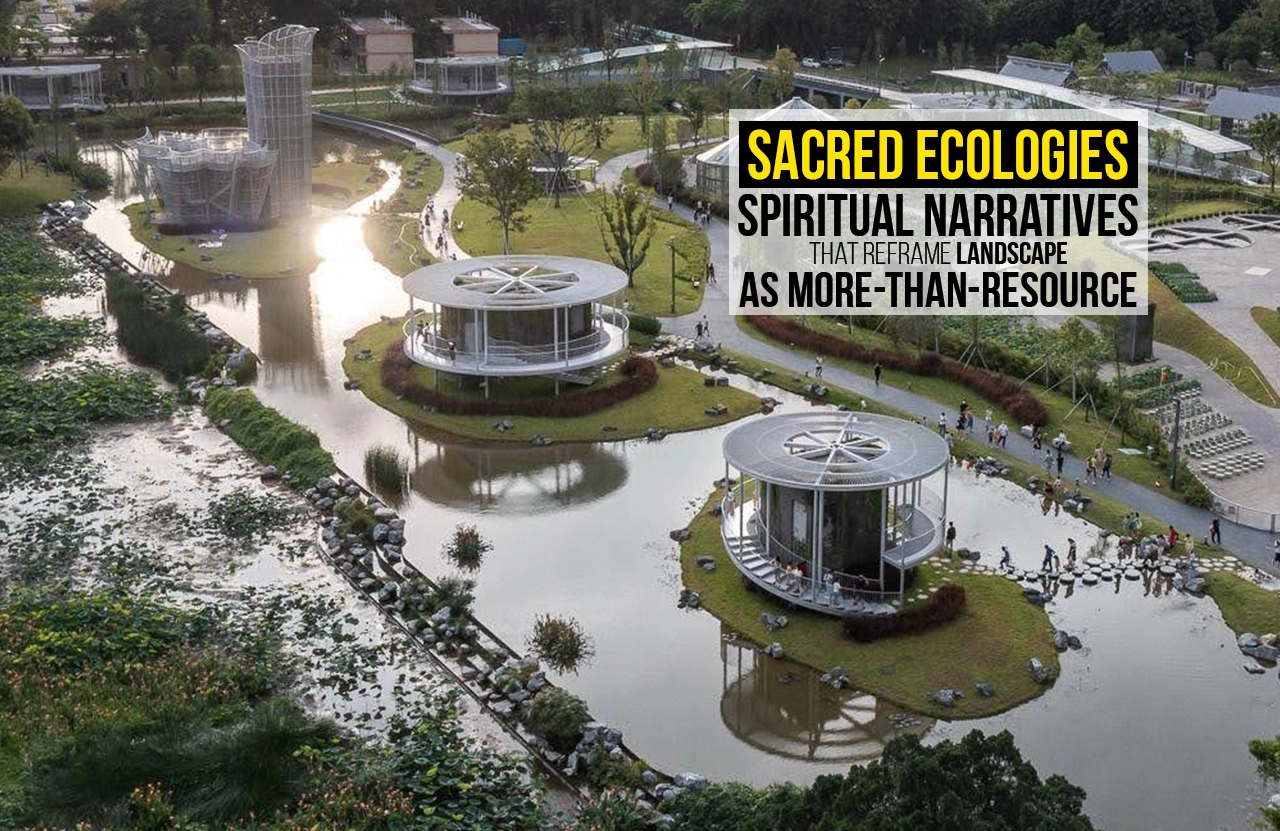
For a long time, landscapes were not always seen as resources to be extracted or managed. They were lived with, feared, respected, and often worshipped. Rivers were not just water channels, forests were not timber reserves, and land was never neutral ground. Across cultures, landscapes carried stories, rituals, and spiritual meanings that shaped how people interacted with nature. These belief systems quietly guided human behaviour, placing limits on use and access, long before formal environmental laws or planning systems existed.
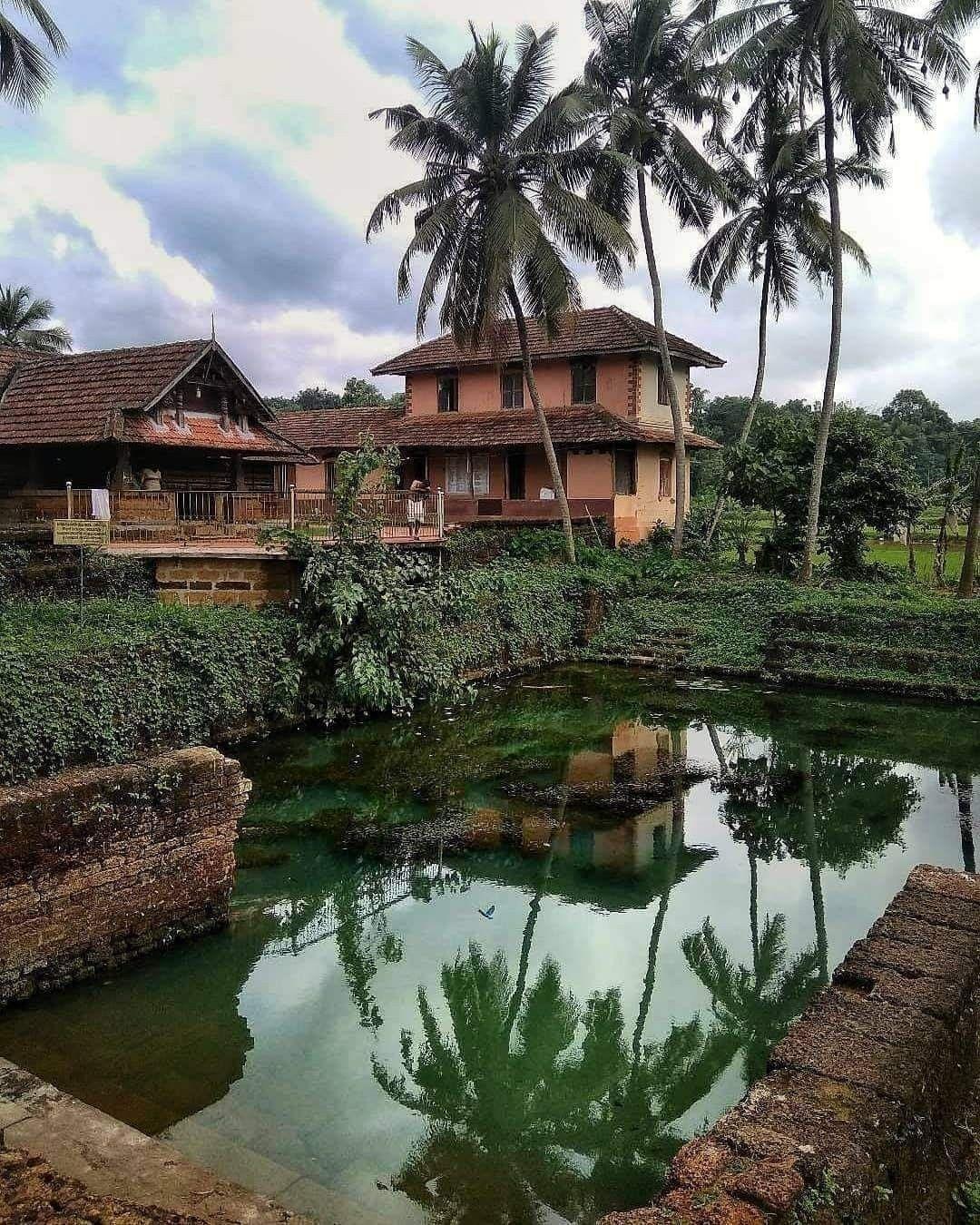
What we now call sustainability was once embedded in faith, tradition, and everyday practice. Sacred groves protected forests, temple tanks preserved water systems, and ritual boundaries ensured land was not endlessly consumed. Recent studies describe these spaces as sacred ecologies, where spiritual belief and ecological function are deeply intertwined (SciELO, 2023; MDPI, 2025). In such landscapes, nature was not treated as an object to control, but as a living presence that demanded care, restraint, and respect. These narratives continue to offer lessons for how landscapes can be protected through meaning, not just regulation.
Landscapes That Were Never Silent
Sacred landscapes were never empty spaces waiting to be used. They were active participants in daily life. In many cultures, hills, rivers, trees and water bodies were believed to hold spirits, ancestors, or divine presence. Because of this belief, people approached these places with caution and care. A river was crossed respectfully, a tree was not cut without reason, and land was shared rather than owned. These practices were not written as environmental rules, but they worked as powerful systems of protection. Fear, faith and belonging shaped how much could be taken and how much had to be left behind.
Studies on sacred landscapes show that spiritual attachment often resulted in long-term ecological balance (ResearchGate, 2024; SciELO, 2023). Sacred groves, for example, remained untouched for generations, preserving biodiversity in ways modern conservation struggles to achieve. What is important here is not whether people believed in gods or spirits, but how those beliefs created limits. The landscape was more than a resource, it had identity and memory. When land is treated as sacred, exploitation feels like violation. This emotional bond turned everyday practices into quiet acts of conservation, reminding us that protection does not always begin with policy, sometimes it begins with belief.
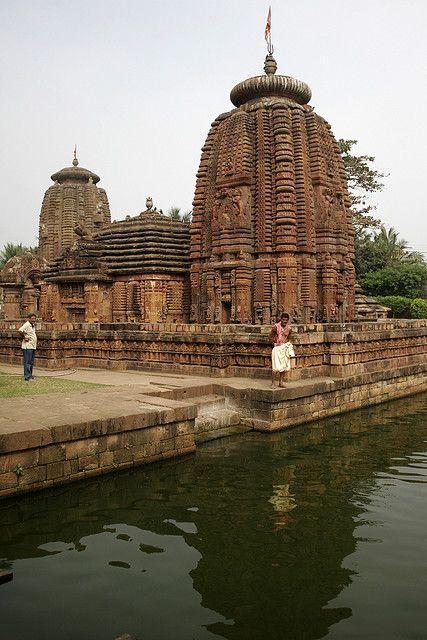
When Belief Became a Boundary
In sacred ecologies, belief acted as an invisible boundary. It decided where people could build, farm, or walk, and where they had to stop. Ritual paths, sacred water edges, and forbidden zones were not accidental. They were spatial systems shaped by respect. These boundaries slowed down human intervention and allowed natural cycles to continue. A forest protected by belief regenerated itself. A water body guarded by ritual stayed clean and functional. People did not see this as conservation, they saw it as living correctly within the landscape.
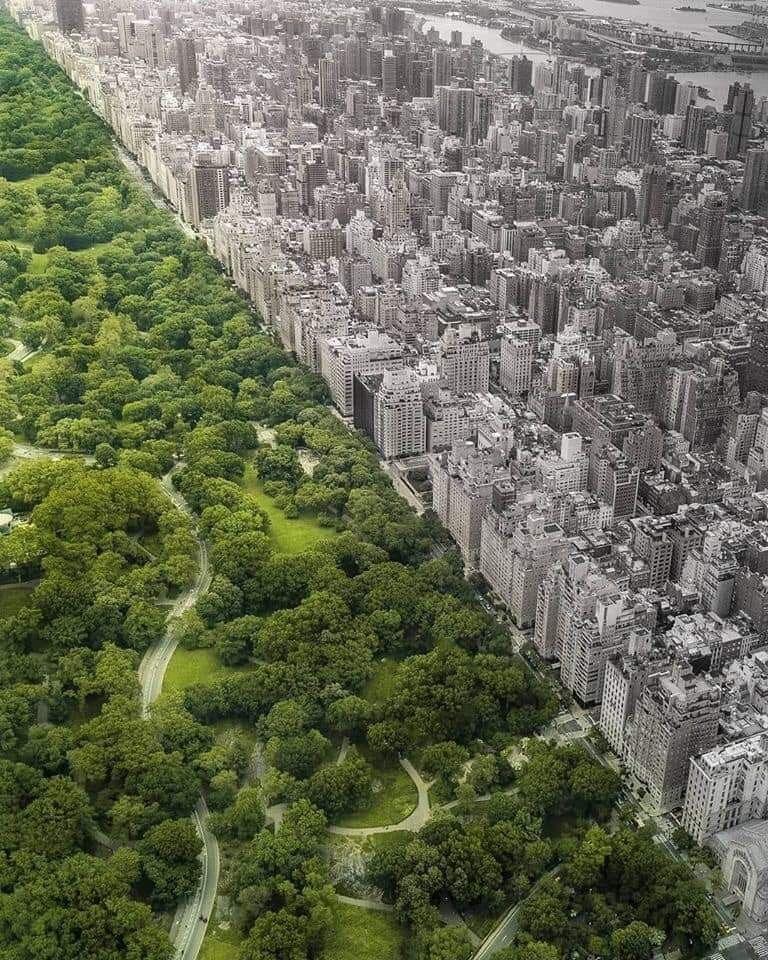
Contemporary research explains that these belief-based systems often resulted in healthier ecosystems and long-term resilience (MDPI, 2025; ResearchGate, 2024). Sacred ponds managed seasonal water, temple lands prevented erosion, and ritual calendars controlled overuse. Today, many of these spaces are disappearing as spiritual meaning is replaced by land value and ownership. When belief fades, boundaries collapse. What remains is unchecked extraction. Sacred ecologies remind us that environmental balance once came from restraint, not optimisation. They show that landscapes survive not only through design and technology, but through limits rooted in culture, memory and collective responsibility.
Relearning Respect in a Resource-Driven World
In today’s world, landscapes are mostly measured by what they can provide. Land is plotted, rivers are channelled, and forests are calculated in numbers. The spiritual distance between people and nature has grown wider. What was once protected through belief is now managed through policies and reports. While sustainability frameworks try to repair this gap, they often miss the emotional and cultural connection that once kept landscapes alive. Sacred ecologies remind us that protection did not begin with climate data, it began with respect.
Recent studies argue that reviving sacred ecological thinking does not mean returning to religion, but reintroducing values that recognise nature as more than a resource (SciELO, 2023; MDPI, 2025). When landscapes are seen as living systems with memory and meaning, design decisions change. Extraction slows, intervention becomes careful, and responsibility feels personal. Sacred ecologies offer a different narrative for contemporary landscape and urban design, one where restraint is strength and care is not optional. In a time of climate crisis, these ancient systems quietly suggest that survival may depend not on doing more, but on learning where to stop.
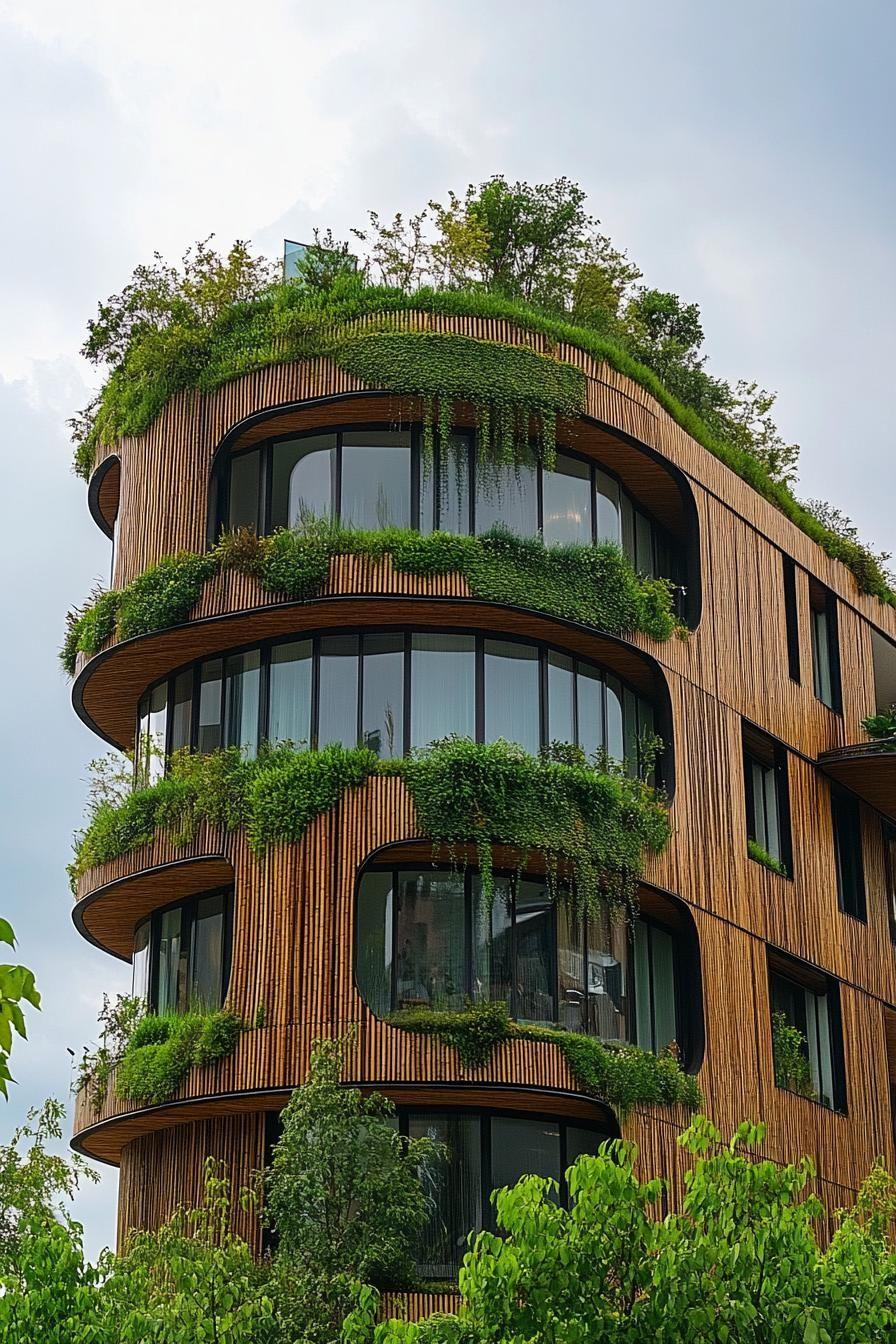
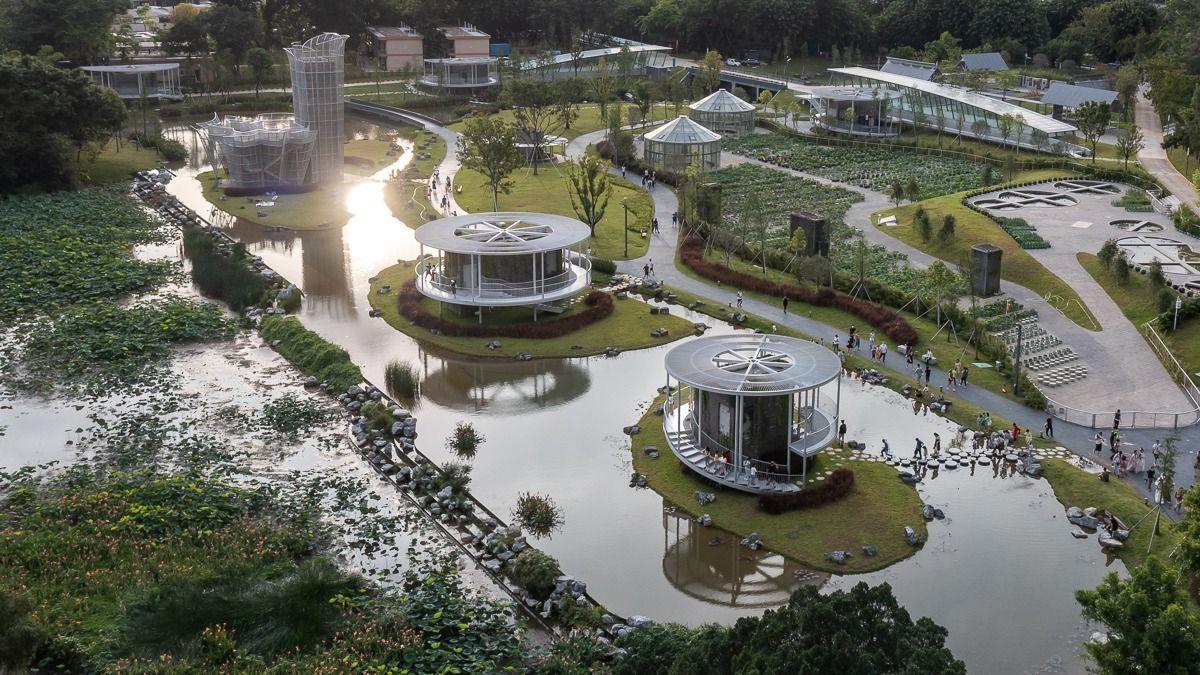
Sacred ecologies show us that care for the environment did not begin as a technical solution, but as a shared belief. Long before sustainability became a discipline, landscapes were protected through stories, rituals, and moral boundaries. These systems worked not because they were enforced, but because people felt emotionally responsible for the land they lived with. Nature was not distant or abstract, it was part of everyday life.
In today’s climate-driven world, revisiting these narratives becomes important. Sacred ecologies do not offer ready-made solutions, but they reshape how we think. They remind designers, planners, and communities that landscapes are not empty spaces waiting to be used. They are layered with meaning, memory, and life. When spiritual values and ecological understanding come together, design becomes slower, more respectful, and more rooted. Perhaps the future of sustainable landscapes lies not only in new technologies, but in remembering how deeply humans once knew when not to disturb what sustained them.
Bibliography:
SciELO (2023) Sacred landscapes and cultural practices in environmental conservation. https://www.scielo.br/j/geop/a/7kqwqhnGG7pFKTkXr7QtRWp/?format=html&lang=en (Accessed: 15 January 2026).
MDPI (2025) Sacred ecologies and landscape governance, Land, 14(5), p.1011. https://www.mdpi.com/2073-445X/14/5/1011 (Accessed: 15 January 2026).
ResearchGate (2024) Regenerating and reclaiming contested spaces in sacred landscapes. https://www.researchgate.net/publication/382888194_Regenerating_and_Reclaiming_the_Contested_Spaces_in_Sacred_Landscapes (Accessed: 15 January 2026).
ResearchGate (2024) Sacred landscapes in The River Between: ecological significance and conservation. https://www.researchgate.net/publication/397216703_Sacred_landscapes_in_The_River_Between_Ecological_significance_and_conservation (Accessed: 15 January 2026).