The idea of restorative spaces originates from the discovery that buildings and architecture not only affect the physical health of humans but also greatly affect their mental and emotional well-being. It is quite important to know that how we shape and design spaces and the elements included in the space have the power to make one feel calm, at peace, and content, or angry, agitated, and frustrated.

This ability of spaces to affect human mental health & well-being is not limited to indoor spaces, but expertly and intentionally curated outdoor spaces can become places of comfort and happiness. These spaces can become spots for recharging emotional fuel and can become safe spaces for humans experiencing a wide range of emotions.
Restorative spaces are, therefore, spaces that have been intentionally and carefully designed to promote the good mental health of their users and/or occupants. These spaces are designed by professionals who are adequately informed about all the elements and features that work best to evoke feelings of calmness, connection, peace, and so on. Most importantly, these spaces are also carefully designed to be inclusive and properly serve the needs of their different users.
Why are Restorative Spaces Important?
During the COVID-19 lockdown, it was revealed that little or no effort was put into designing indoor spaces that could cater to the emotional and mental needs of humans who had to be locked at home for months and who had restricted access to outdoor recreation. People were restricted to live in homes that had been built for functionality and not comfort, homes that sometimes felt like cages.

The rise in the movement around increasing awareness on the importance of mental health has also led to the reinforcement of the fact that spaces play a major role in improving or worsening the mental health of their users. Humans always interact, move through, and live within design spaces, whether in homes, offices, or the outdoors. All these spaces(including negative spaces) exist the way they do because of design. It is therefore crucial to design with information and intention.
From the seemingly tiny details such as colours, materials, lighting, to the form, site, and many other aspects of buildings and spaces, every tiny and large part communicates warmth or coldness, softness or hardness, peace or chaos. The goal of restorative design is to communicate life and energy!
Restorative Spaces: Green, Blue, and the Six Senses
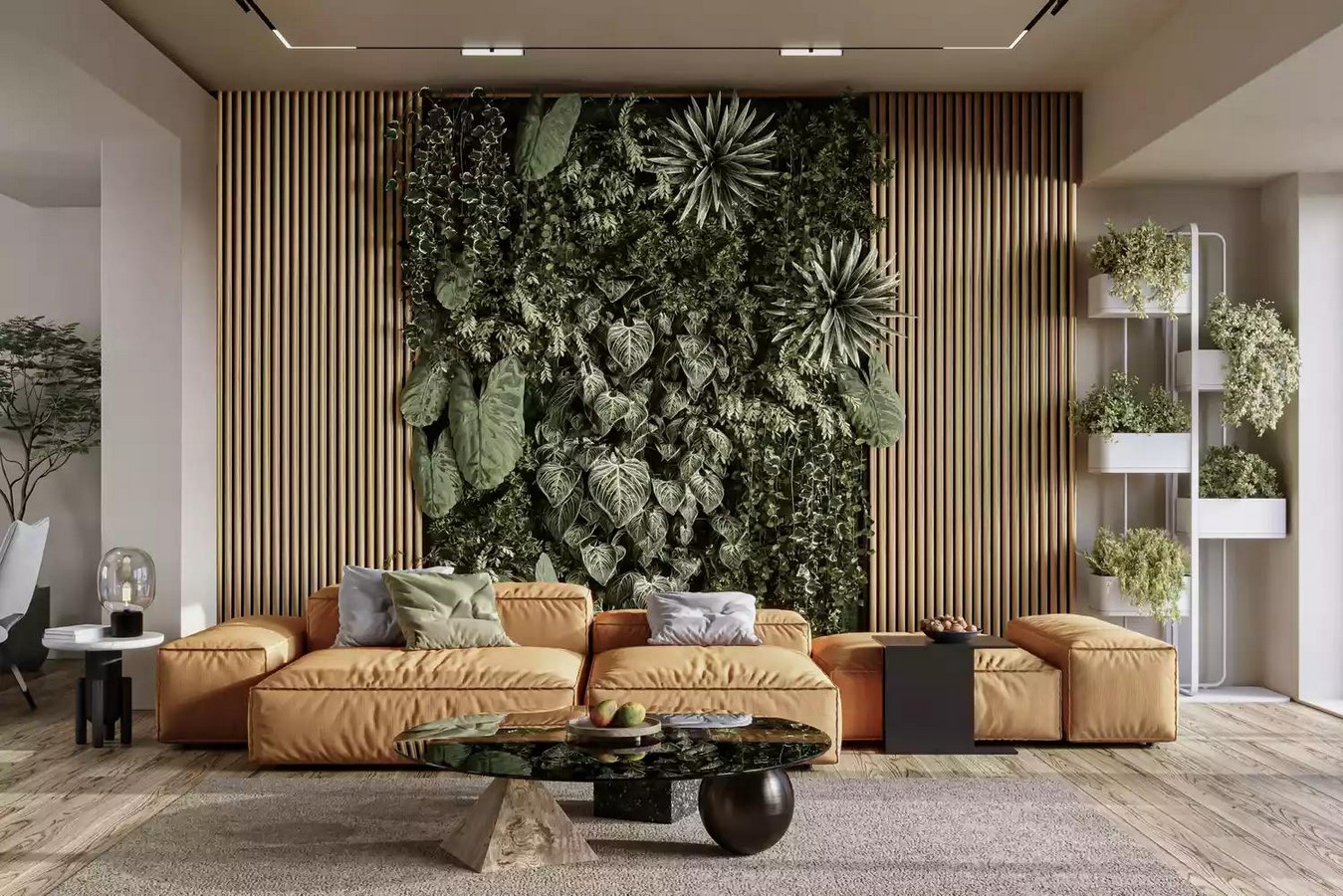
Creating a space that is capable of communicating warmth and peace is no small feat. The process is not one you stumble into, but it is a process that takes a lot of intentionality and is one with many parts. These parts are vital elements that set the tone for what the space will do.
It is important to note that these different elements, if properly applied, form the whole of the design. All of them should be considered carefully and incorporated into the design of spaces, whether indoor or outdoor.
The Green Element
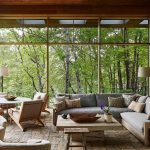
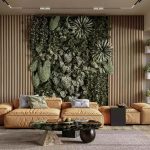
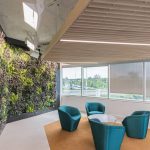
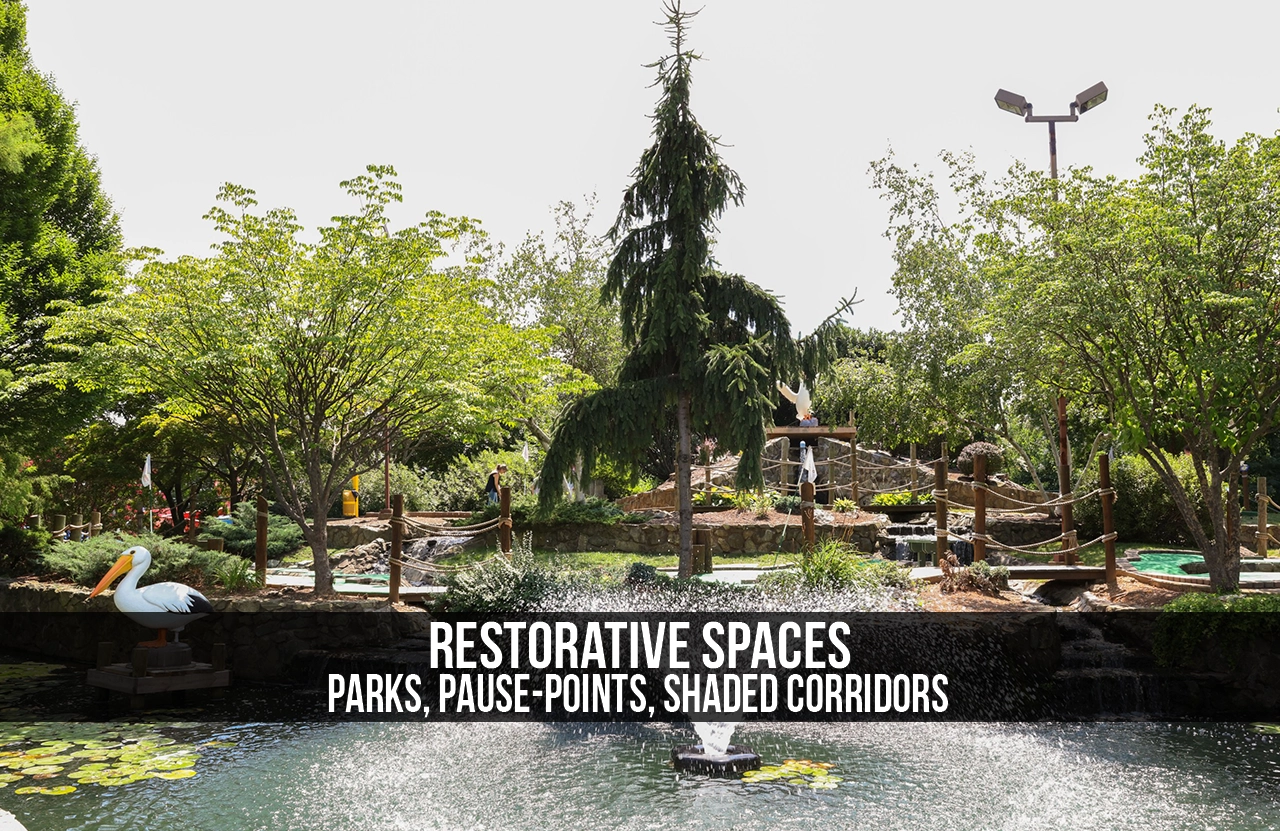
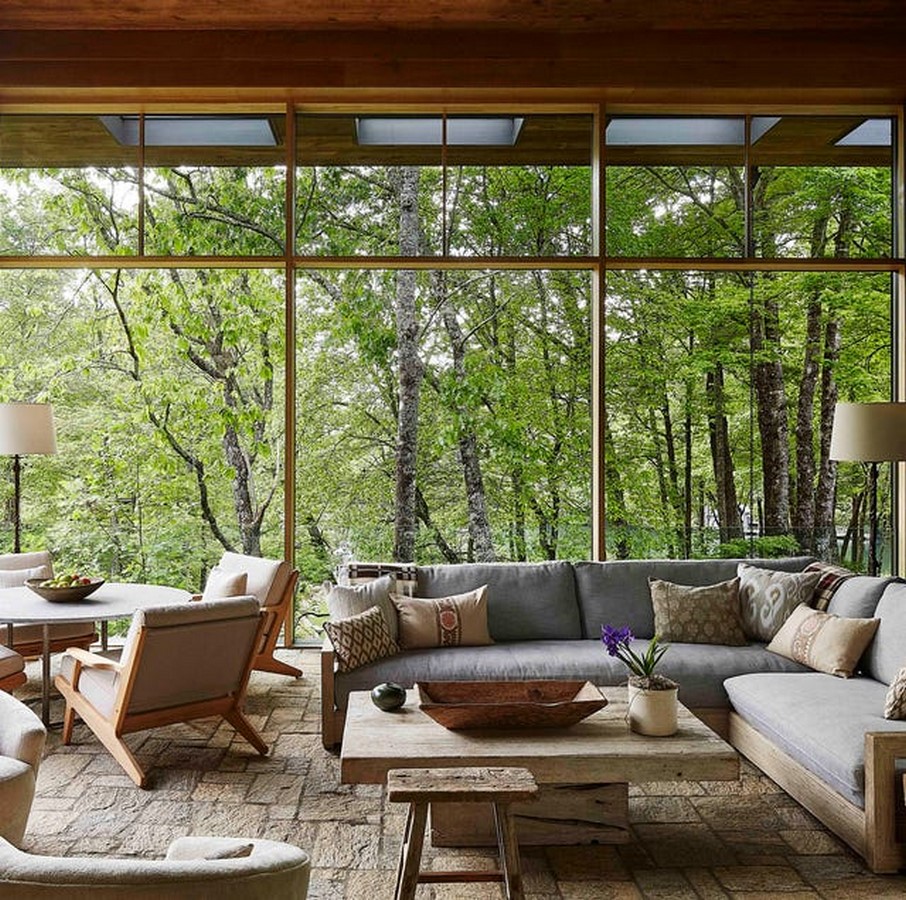
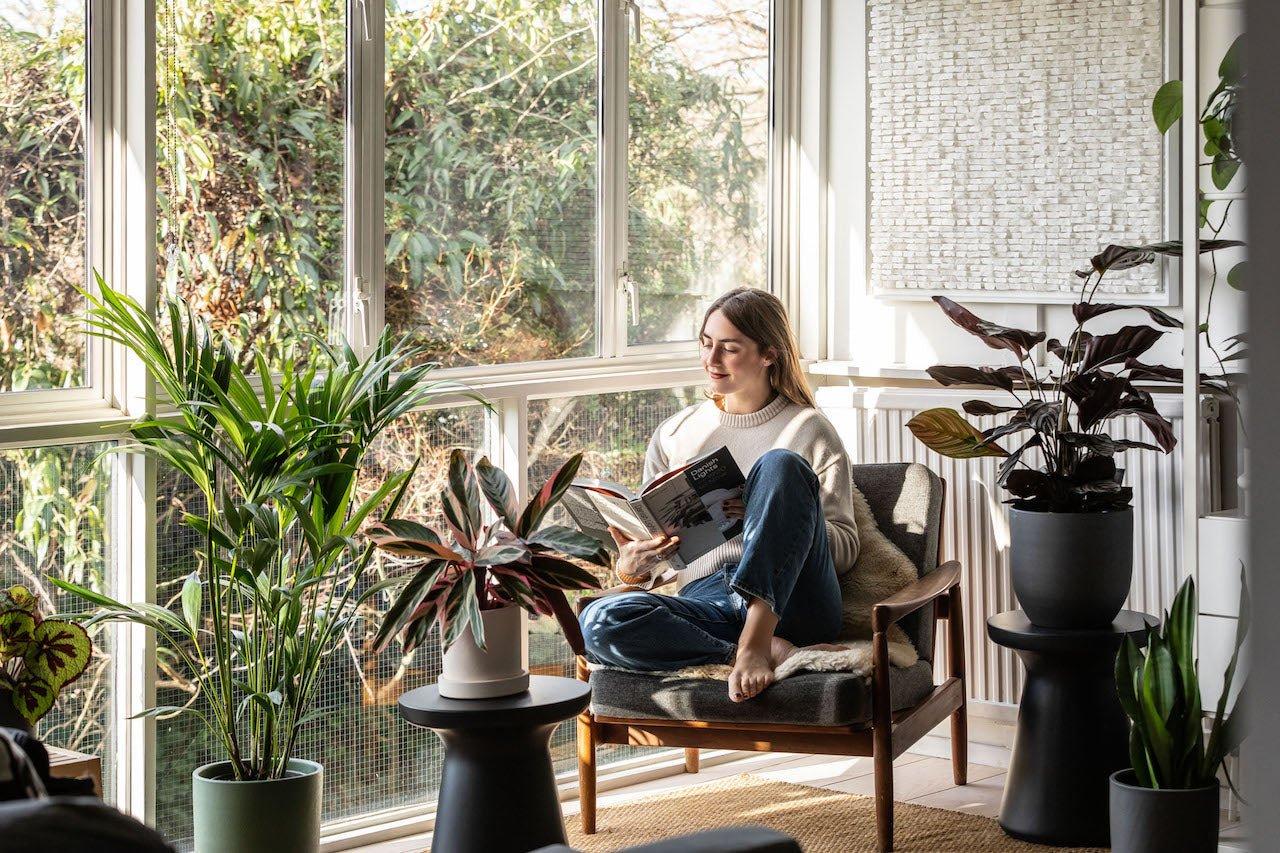
Fundamental to every space that assists with healing is the presence of nature and natural elements. Several studies have shown that humans are more comfortable in spaces where nature and natural elements are incorporated. This is why parks are the go-to for a lot of people. These studies have shown that natural light, natural materials, and plants can significantly boost human mental health. Some studies even show that incorporating these elements into office spaces can boost and improve creativity and productivity.
The Blue Element
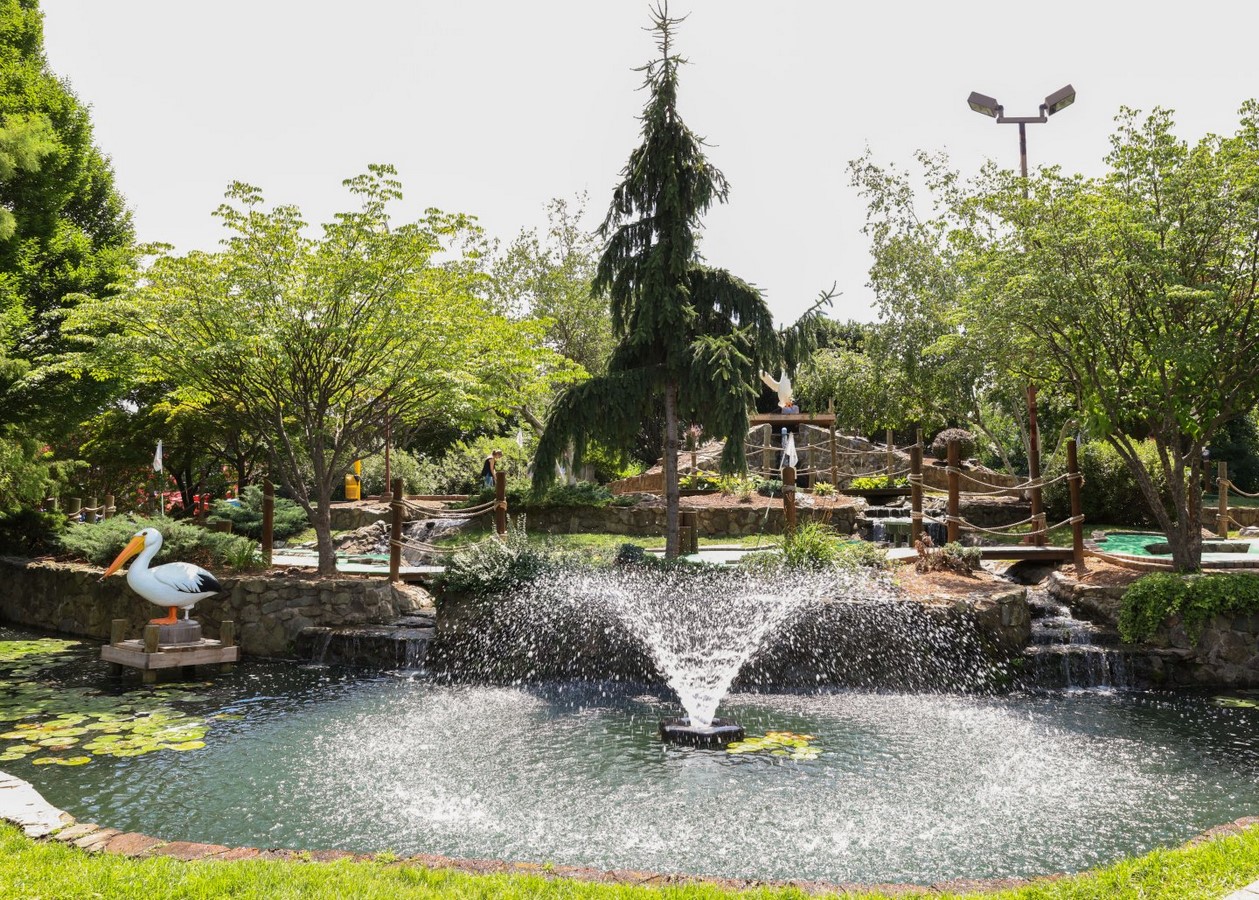
Water is known to evoke a sense of calm and steadiness. You could sit at a stream all day, watching the water flow, watching the little fish, enjoying the sound and coolness. The sight and sound of water have very powerful benefits, both physically and mentally. The rhythmic sound is harmless and steady, leading to feelings of ease.
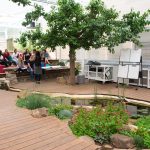
Incorporating water features such as fountains, water walls, and water sounds goes a long way in improving the overall feel of a space.
Stimulating The Five Senses
All of the elements already mentioned, nature and water, have one thing in common. They are perceived through the human senses of touch, sight, smell, and sound. These elements are experienced when humans see them, for example, the feeling of calm that is gotten when you see a waterfall, a very pretty flower, or even a large tree with good shade. This experience is improved by smell, in the case of a pretty flower or the smell of leaves, trees, and wood. Even further improved by the sound of birds chirping, rain dropping, and the cool feeling of sitting under a shaded tree.
By carefully designing spaces, these senses can be stimulated to create a therapeutic environment or maybe improve an existing space.
The Sixth Sense: The Cherry on Top
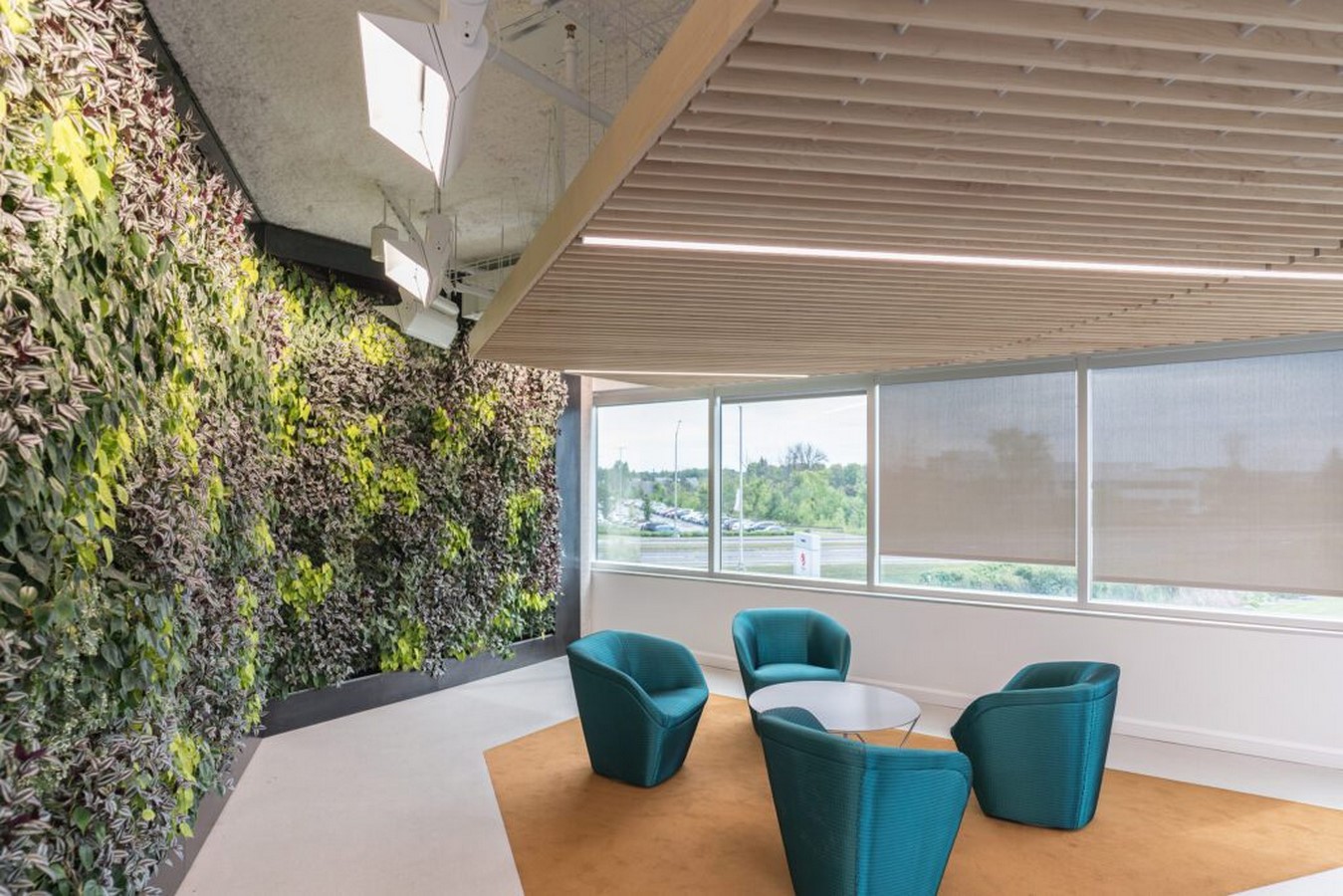
Humans desire a connection with nature, but more than that, humans also need to connect with humans. This is the sixth sense that humans have. Loneliness can increase or worsen the effects in people suffering from mental health illnesses, and as wonderful as nature is, it can not replace the space of human connection.
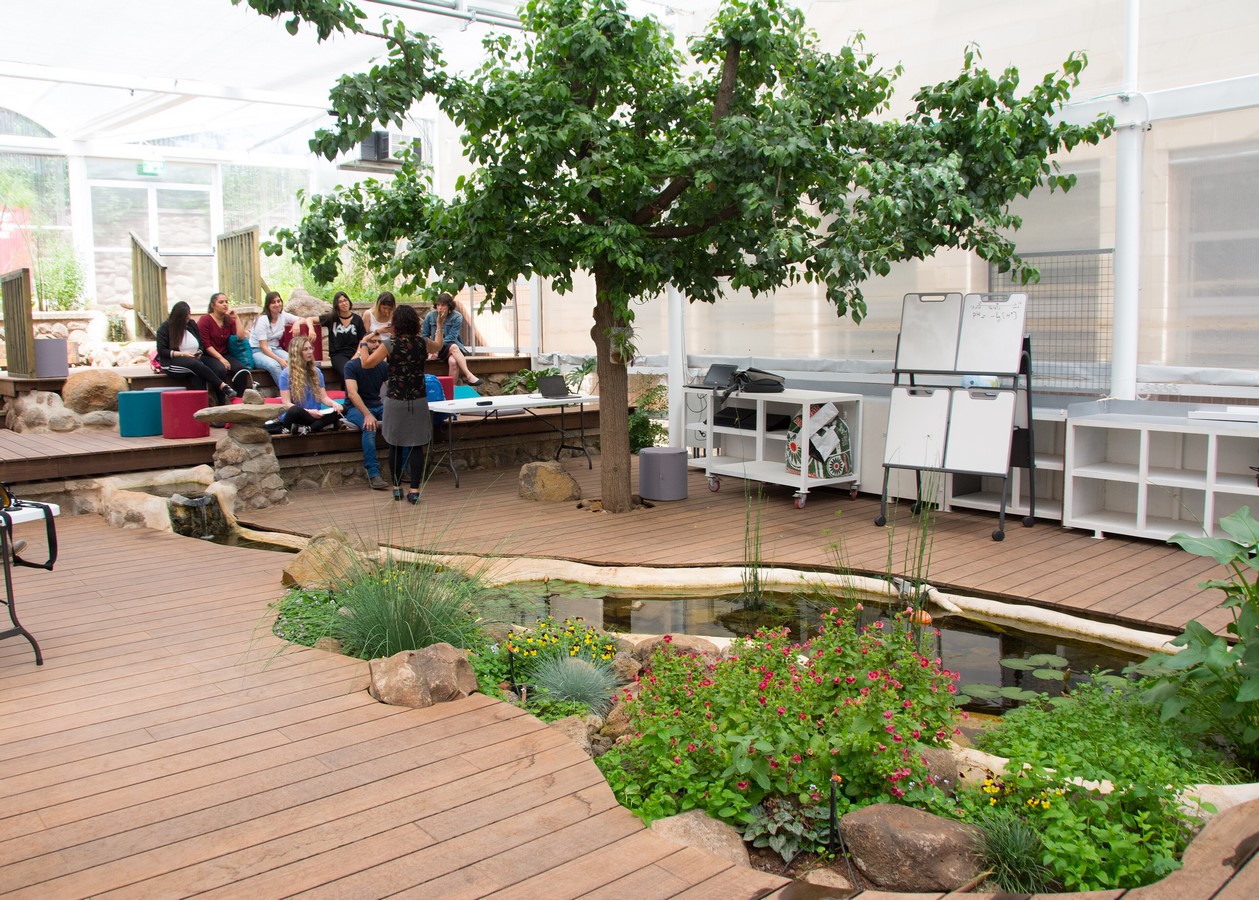
It is therefore important that spaces do not just incorporate natural elements or stimulate the senses, but that spaces also serve as points where human connection can be fostered. Residential, commercial, or even industrial designs must ensure the designs are intentionally planned to not seclude or restrict human interactions completely. Break rooms where people can relax and enjoy nature and also interact with others, communal spaces within multi-apartment blocks that allow neighbors to interact, and sections in parks that promote connections.
For One And For All
The goal of restorative design is to communicate life and energy! The goal of restorative spaces is to provide a holistic experience of peace, calm, connection, and health. This experience is one that every human needs, regardless of race, age, income, and so on. So, restorative spaces should be designed with all the different people of society in mind, with everyone’s needs in consideration, and with their satisfaction regarded as a priority.
CITATIONS
Collier, S. (2025) Designing with nature: How biophilic infrastructure can improve our wellbeing and the planet. Frontier Group. Available at: https://frontiergroup.org/articles/designing-with-nature-how-biophilic-infrastructure-can-improve-our-wellbeing-and-the-planet/ (Accessed: 9 January 2026).
Unidrain. (2025) Water: The element of healing and restoration. Available at: https://www.unidrain.com/stories/water-the-element-of-healing-and-restoration/ (Accessed: 9 January 2026).
Rulon International. (2025) Designing for the 5 senses in sustainable commercial spaces. Available at: https://rulonco.com/designing-for-the-5-senses-in-sustainable-commercial-spaces/ (Accessed: 9 January 2026).
Naava. (2025) The science behind biophilic design: Why nature improves human connection. Available at: https://www.naava.io/editorial/nature-improves-human-connection (Accessed: 9 January 2026).
Wikipedia. (2025) Biophilic design. Available at: https://en.wikipedia.org/wiki/Biophilic_design (Accessed: 9 January 2026).
Sutton Anders, R. (2025) Everything you need to know about biophilic design, the aesthetic that could make your home feel happier and calmer. Veranda. Available at: https://www.veranda.com/home-decorators/design-trends/a63512197/biophilic-design/ (Accessed: 9 January 2026).
Real Simple. (2024) Biophilic design is the decorating trend you need to try if you love plants. Available at: https://www.realsimple.com/biophilic-design-8536103 (Accessed: 9 January 2026).
Patulny, R. & Bower, M. (2022) We asked the public about being lonely during lockdowns. For many, Zoom calls weren’t enough – and some still haven’t recovered. The Conversation. Available at: https://theconversation.com/we-asked-the-public-about-being-lonely-during-lockdowns-for-many-zoom-calls-werent-enough-and-some-still-havent-recovered-185586 (Accessed: 9 January 2026).