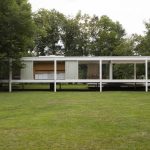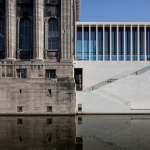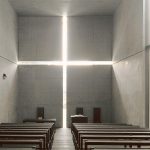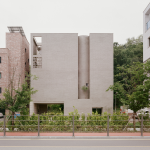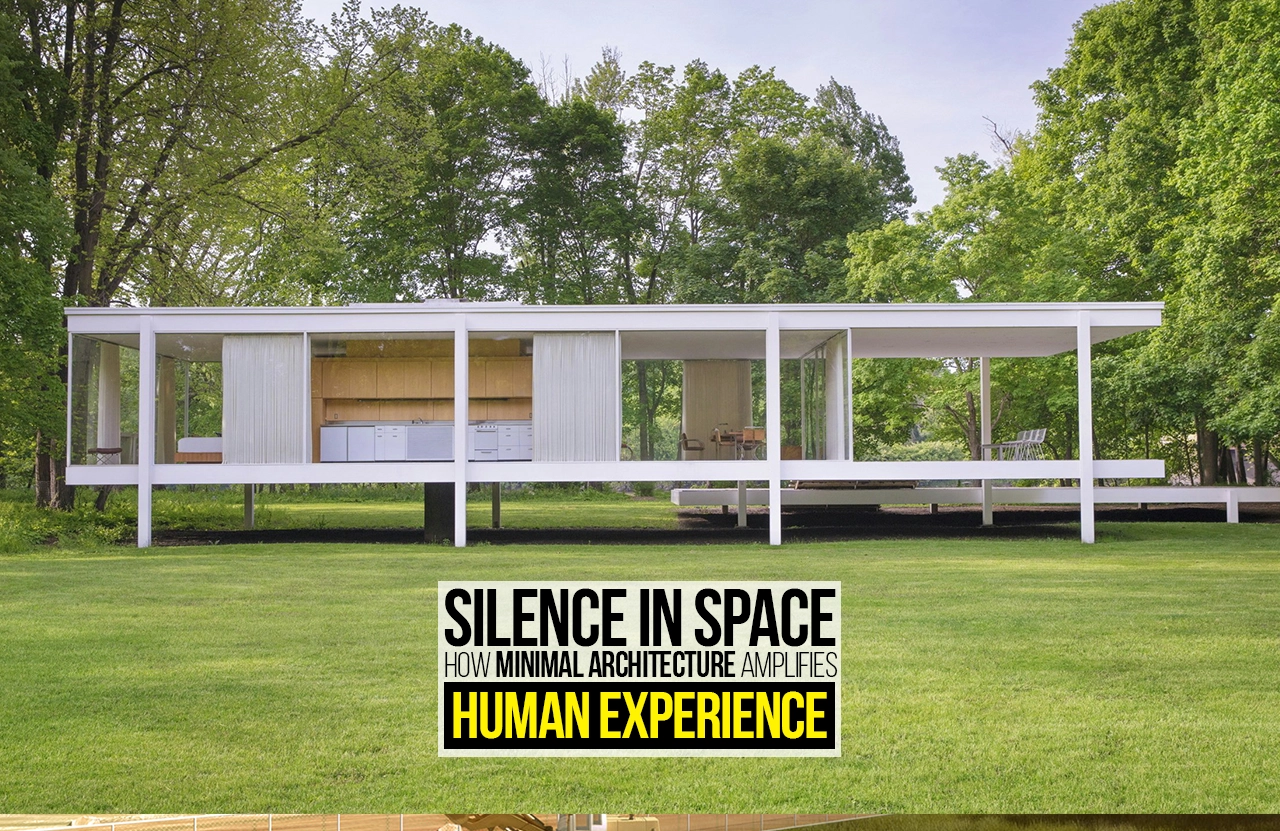
Contemporary life is shaped by constant stimulation. Visual noise, layered information, and uninterrupted activity define how people move through cities and buildings. Architecture often mirrors this condition, responding with expressive forms, dense material palettes, and spaces filled with visual signals. Within this environment, silence is rarely considered a design objective. It is more often treated as an absence, or mistaken for emptiness rather than intention.
Minimal architecture proposes a different way of engaging with space. Instead of adding layers of expression, it relies on restraint to sharpen perception. Proportion, light, material clarity, and controlled emptiness are used to reduce distraction and heighten awareness. These spaces do not withdraw from experience. They redirect attention toward movement, scale, sound, and atmosphere. Silence, in this context, becomes an architectural condition that is carefully constructed rather than passively achieved.
By limiting visual and sensory excess, such environments allow occupants to slow down and engage more consciously with their surroundings. The experience of space becomes less about consumption and more about presence. This approach positions minimal architecture not as a stylistic choice, but as a human-centric way of designing that responds thoughtfully to the conditions of contemporary life.
Silence as an Architectural Condition
Silence in architecture is often misunderstood as emptiness or lack of expression. In reality, it is the result of deliberate design decisions that control how space is perceived and experienced. Walls are placed to guide movement rather than display form. Openings are sized to frame light instead of views alone. Transitions are slowed through thresholds, pauses, and changes in scale. These moves do not remove experience. They structure it. Silence emerges when space is carefully edited rather than actively filled.
What distinguishes this condition is the precision behind it. Proportion becomes critical, as even small spatial shifts are felt more strongly in restrained environments. Sound behaves differently, footsteps become noticeable, and light gains temporal presence as it changes through the day. In such spaces, minimal architecture does not rely on visual richness to create meaning. Instead, it depends on clarity and balance, allowing occupants to register subtler spatial cues.
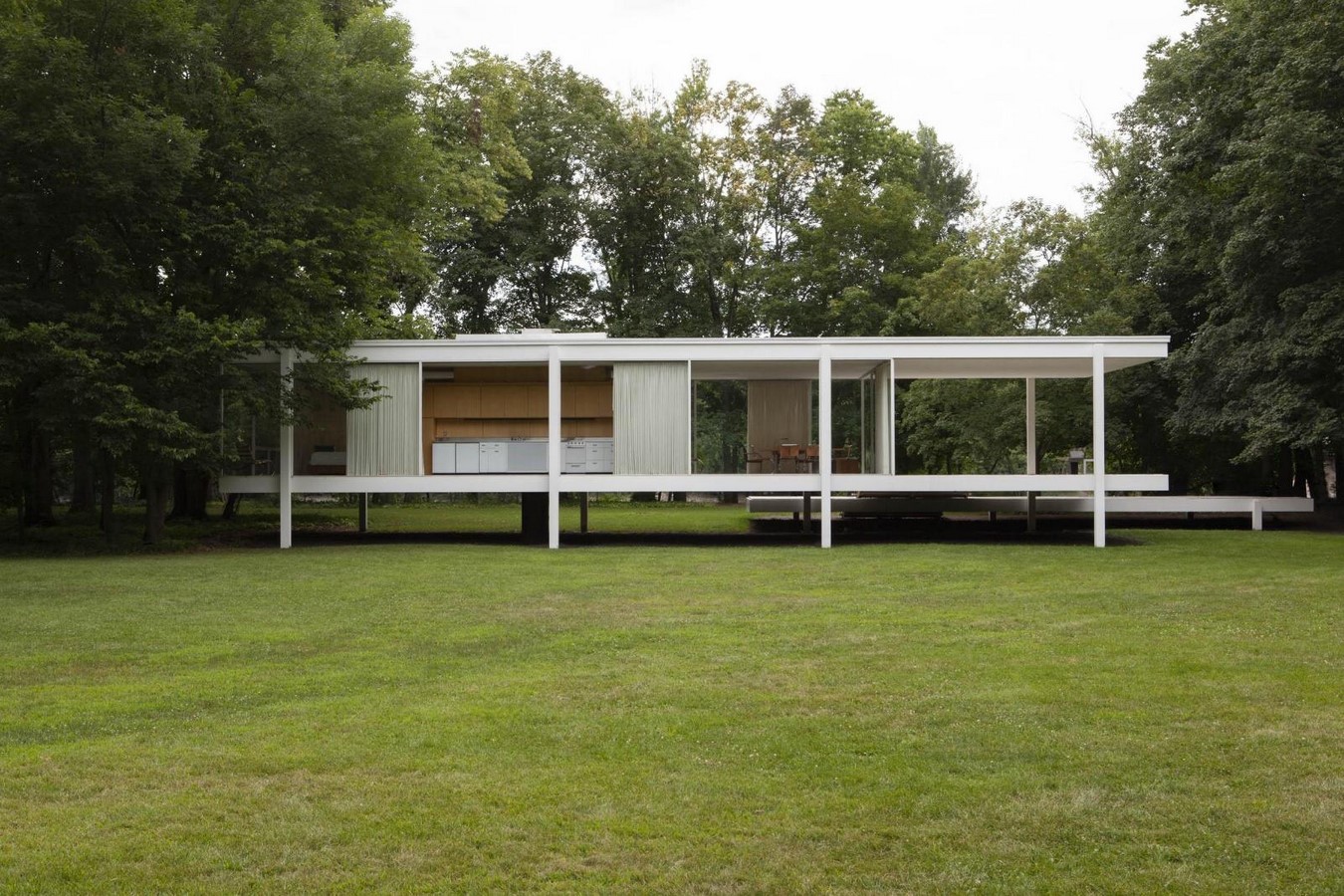
This form of silence is therefore not passive. It is constructed through control. By limiting excess, architecture sharpens attention and encourages awareness of movement, material, and atmosphere. Silence becomes an active spatial quality, shaped through intention rather than absence.
Restraint, Proportion, and Spatial Control
Restraint in architecture is often mistaken for reduction alone, yet it functions more accurately as a form of control. Decisions about height, width, depth, and alignment become more pronounced when fewer elements compete for attention. Proportion governs how the body relates to space, influencing whether a room feels compressed, expansive, or balanced. In restrained environments, even minor dimensional changes alter perception, making proportion one of the most powerful tools available to the architect.
Spatial control in such settings relies on clarity rather than complexity. Circulation paths are legible, hierarchies between spaces are carefully defined, and transitions are gradual rather than abrupt. This allows occupants to move through architecture with ease, without being directed by signage or visual cues. Minimal architecture often depends on this discipline, where the absence of excess shifts responsibility onto spatial relationships themselves.
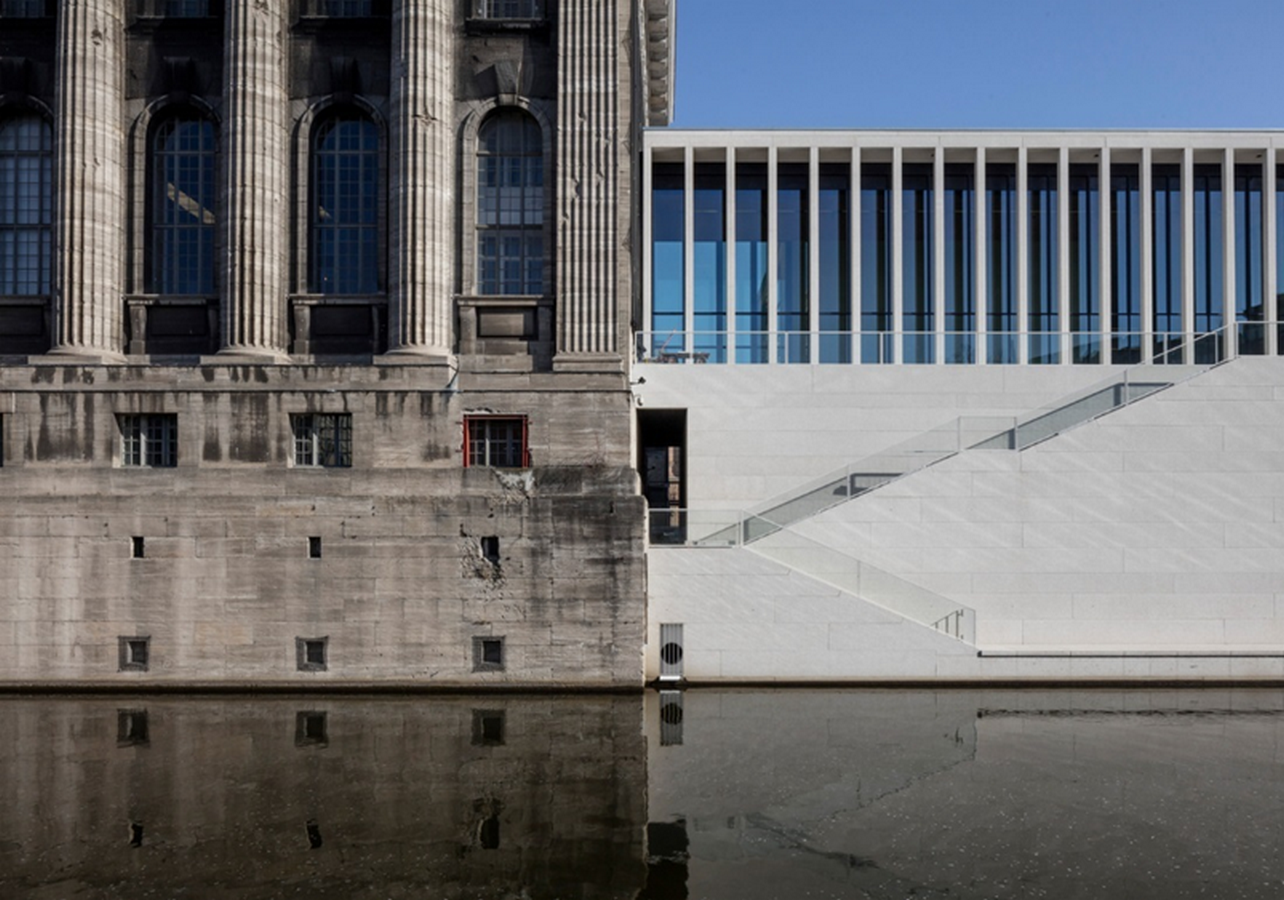
Rather than imposing expression, restraint creates generosity for the user. Space is allowed to breathe, and movement is not rushed. The experience becomes less about visual stimulation and more about bodily awareness. Through proportion and control, architecture supports calm engagement, demonstrating that careful limitation can produce richer spatial experiences than accumulation ever could.
Light as a Primary Spatial Element
Light in architecture is often discussed in terms of illumination, yet in restrained spaces it becomes a measure of time. As daylight enters, shifts, and fades, it reveals how space changes throughout the day. Walls are no longer static surfaces but planes that receive light differently with every passing hour. Floors register movement through shadow, and openings frame moments rather than views. Light does not decorate space. It activates it.
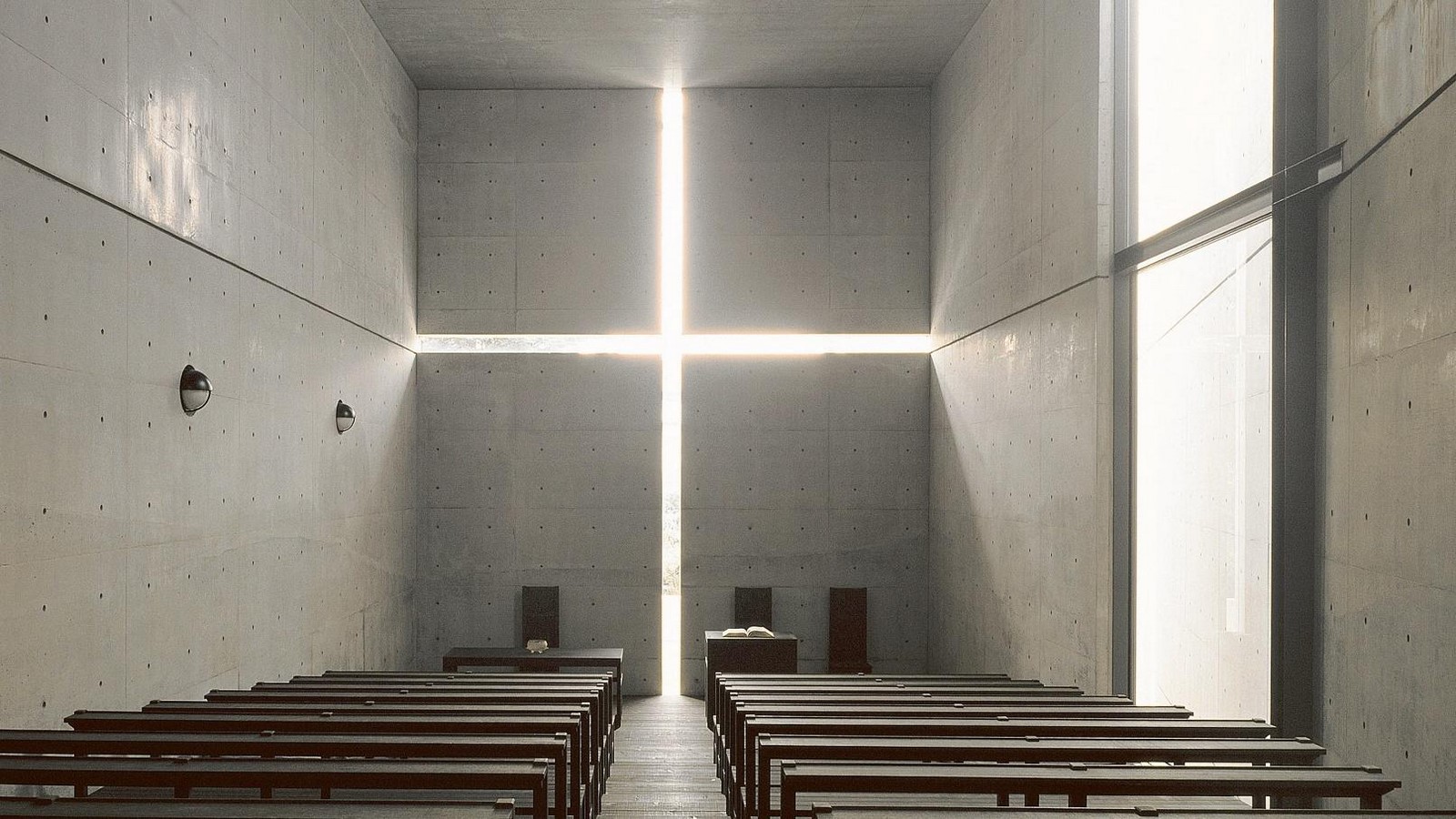
When architecture is composed with restraint, natural light gains greater influence. Without competing textures or colours, subtle changes in brightness and shadow become perceptible. Morning light may stretch gently across a surface, while afternoon light sharpens edges and defines depth. These transitions encourage occupants to slow down and become aware of duration rather than instant experience. In such conditions, minimal architecture allows light to shape the atmosphere without relying on artificial enhancement.
This temporal quality of light strengthens the sense of presence within space. Occupants are reminded not only of where they are, but of when they are. Architecture becomes a quiet register of passing time, reinforcing silence through gradual change rather than dramatic contrast.
Material Honesty and Sensory Awareness
In restrained spaces, materials are encountered more directly. Without visual clutter, surfaces invite attention through texture, weight, and temperature. The sound of footsteps, the feel of a wall, or the way light rests on a material becomes part of the spatial experience. Material choices are no longer background decisions. They actively shape how space is sensed and remembered. Silence amplifies this awareness, allowing occupants to register subtleties that might otherwise go unnoticed.
Honest materials also carry time within them. Timber darkens with use, stone gathers marks, and plaster softens at the edges. These changes are not treated as imperfections but as evidence of occupation and continuity. In minimal architecture, ageing is often anticipated rather than concealed, allowing patina to contribute to character. Space gains depth through use, reinforcing a connection between architecture and lived experience.
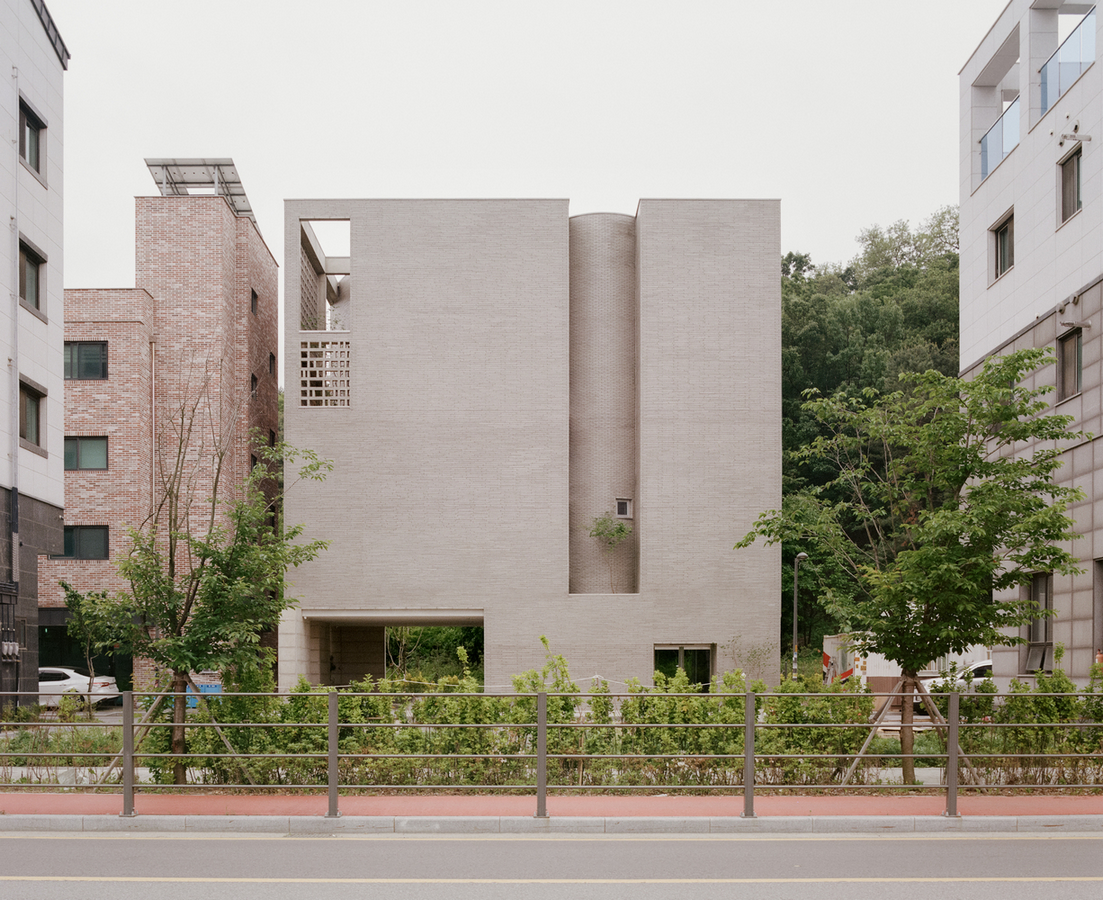
This material restraint carries an implicit environmental value. Fewer finishes, durable choices, and an acceptance of ageing reduce the need for constant replacement. Sustainability here is not performative. It emerges quietly through longevity, care, and the decision to let materials remain themselves. Through touch, sound, and visual calm, material honesty deepens sensory engagement while reinforcing the silence that defines these spaces.
Emptiness, Pause, and Human Experience
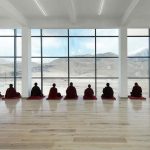
Emptiness in architecture is often misunderstood as lack, yet in carefully composed spaces it functions as pause. It creates room for emotion, memory, and awareness to surface without distraction. When space is not over-defined, occupants are free to bring their own rhythm into it. Movement slows, attention widens, and silence becomes something that can be felt rather than merely observed. This emotional shift is subtle, but it is central to how restrained environments are experienced.
Such emptiness also carries a sense of generosity. Rather than directing behaviour, space allows it to unfold naturally. Seating is not always prescribed, paths are not overly signalled, and moments of stillness are permitted rather than avoided. In minimal architecture, this openness does not feel unfinished. It feels intentional. The absence of excess creates clarity, giving people the freedom to inhabit space according to their own pace and state of mind.
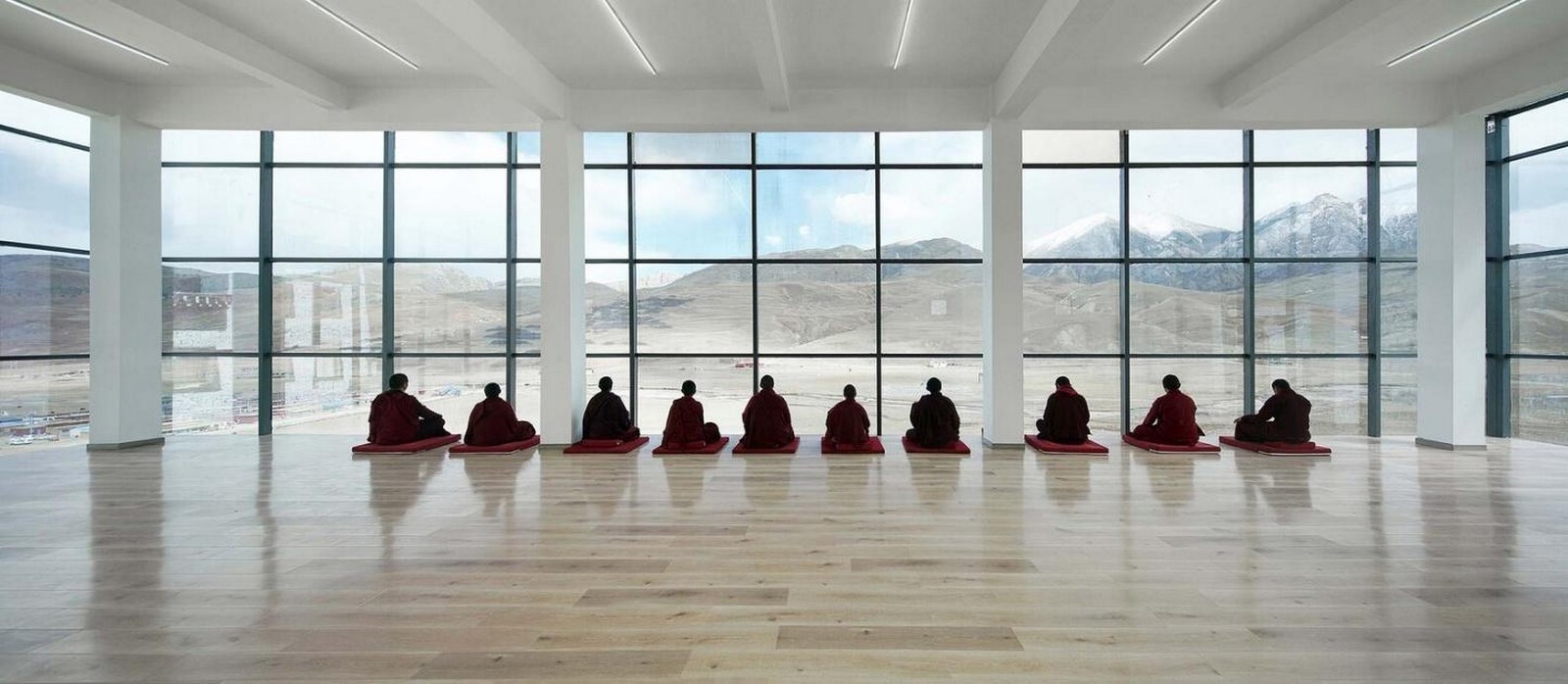
At this scale, architecture begins to support emotional well-being. Silence offers relief from constant stimulation, allowing moments of reflection to emerge within everyday environments. Space becomes a container for calm, demonstrating that architecture can influence not only how people move, but how they feel.
Minimal Architecture as a Human-Centric Practice
In a world shaped by constant stimulation and visual demand, minimal architecture offers a different way of engaging with space. Its relevance today lies not in stylistic preference, but in its ability to recalibrate attention. Through restraint, proportion, light, material honesty, and carefully composed emptiness, architecture creates environments that support awareness rather than distraction. Silence, in this sense, becomes a spatial condition that allows experience to deepen instead of accelerate.
This approach does not reject complexity or expression. Instead, it chooses clarity over excess and intention over accumulation. By reducing sensory noise, minimal architecture creates room for emotional presence, bodily comfort, and temporal awareness. These qualities are increasingly significant as buildings are asked to respond not only to functional needs, but also to mental and emotional well-being. Silence becomes an alternative mode of engagement, one that allows space to be felt rather than consumed.
Looking ahead, the value of such spaces is likely to grow. As cities become denser and environments more demanding, architecture that can slow perception and support reflection gains renewed importance. Minimal architecture, when practiced with care and discipline, remains deeply human. It demonstrates that absence can be meaningful, restraint can be generous, and silence, when designed with intention, can amplify experience rather than diminish it.