Impact of vernacular traditions, social living patterns on mass housing projects for low-income families and poor communities. This article discusses how two distinct architects – B.V.Doshi and Laurie Baker worked individually on different public housing projects focusing on families and communities, and have mostly constructed homes for lower-income families and the poor community. This also includes looking at both of these architects’ beliefs throughout their course of practice, which has had a great impact on the projects they have worked on, along with innovations in the methods of working as a result of their beliefs and inspiration. Further, the article discusses how these architects stayed committed to local design, daily routines, social patterns, and local materials, along with considering vernacular traditions and daily living habits of the residents, which had a major impact while designing projects for poor communities and low-income families.
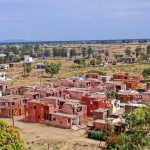
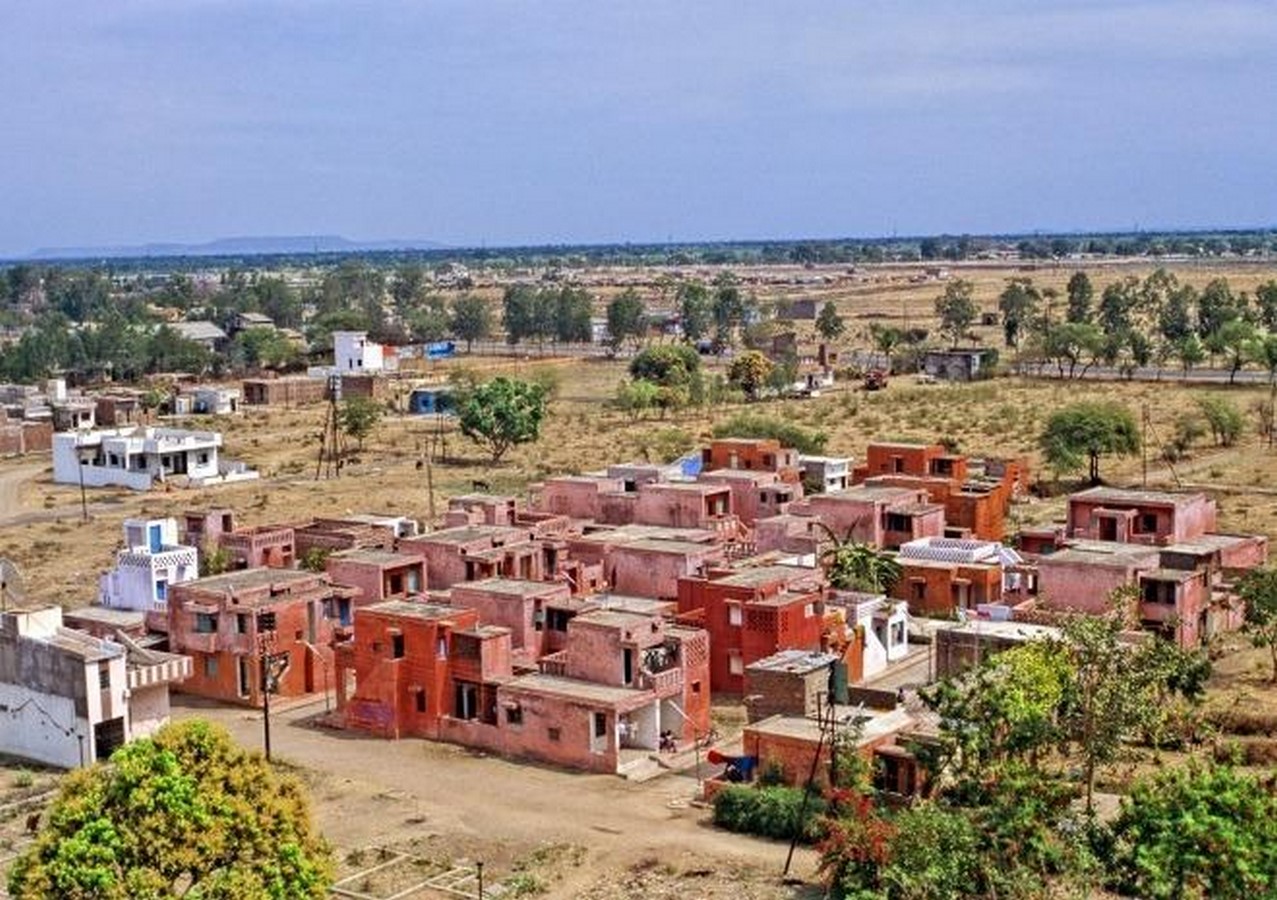
Eighty model homes in Aranya, where Doshi’s ideas for housing the impoverished were realized, giving people the freedom to experiment and a sense of empowerment. Initially, Doshi had paid more attention to mixing up different income groups; his idea of placing the “poor fellow above the rich fellow” was surprising to many. This idea was then demonstrated in the Aranya project, which disproved the people who were doubtful of his idea. Therefore, Aranya was mainly about empowering citizens, fostering interdependences, and altering perspectives. (Mollard, 2019).
Laurie Baker was an English architect who had been working in India for 41 years under the slogan “A better building at half the cost.” Baker was arguably the only architect who truly understood the requirements of the rural poor. Very likely to see how Doshi took a step towards examining social structures as well as how routines develop in different environments, instead of emphasizing materials and methods, Baker also had an absolute commitment to regional conditions, which respect the residents’ living habits. (Baker, n.d.)
B.V. Doshi: The Aranya Housing Project, Indore
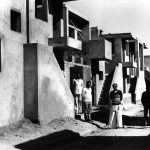
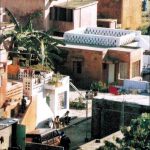
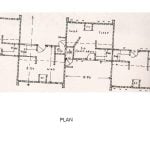
The Aranya project, which started with 80 model houses, was a given chance for the residents to shape their lives and, as Doshi said, “upgrade their lives”. (Mollard, 2019). The residents had been given space and language created, which they could further modify and enhance themselves. The initial development consisted of building load-bearing brick walls, which were plastered and painted, and placed on a concrete plinth, which was then allowed to be crafted with elements like railings, parapets, doors, and windows on site. (Mollard, 2019). This was a method of the architect to provide the residents with a set of elements and give them the freedom to decorate and add elements further accordingly in response to their living patterns, as he believed that buying a property or a house won’t make it theirs, instead giving them ownership in a way to shape their own spaces depending on their traditional ways of living and requirement will make it theirs physically, financially and intellectually. (Mollard, 2019).
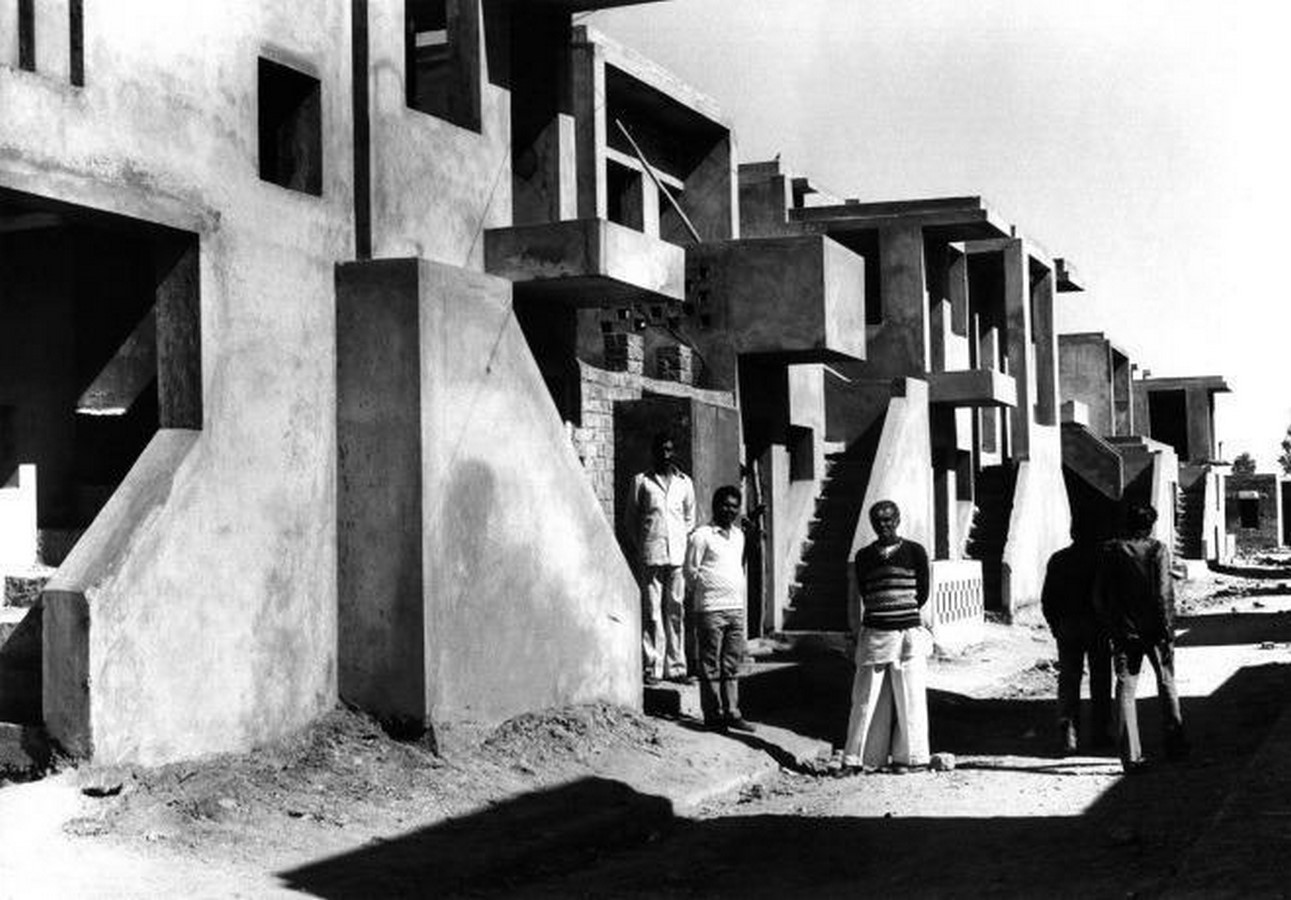
The architect here strongly considered how social activities and physical structures have to go hand in hand by converting into certain architectural components like providing a base plinth with stairs and ledges, shared landings, modest balconies, and open terraces. His idea was to draw every space into good use and expand the boundaries of the family home to the public domain. (Mollard, 2019).
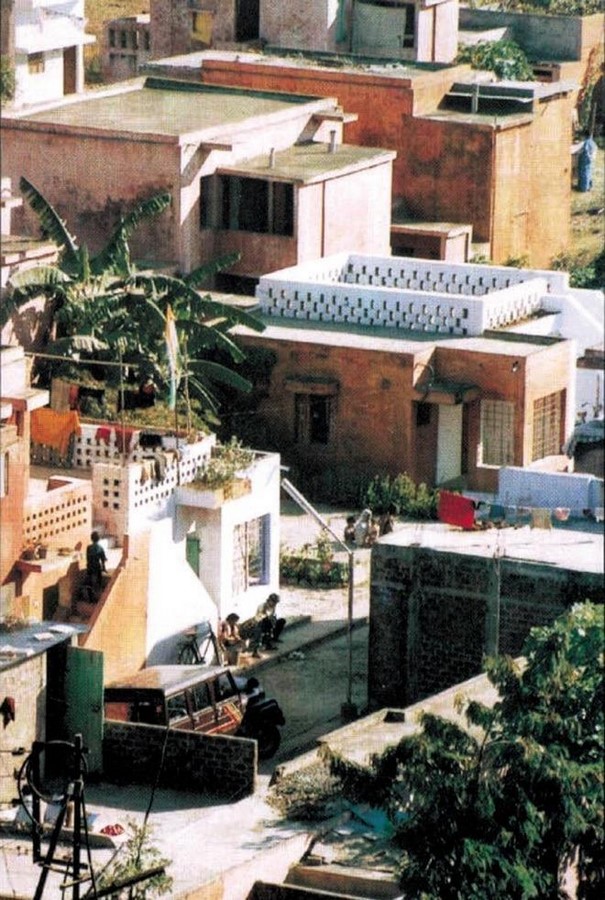
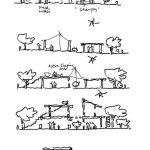
The inspiration and initial resource for housing projects for Doshi was from Lubetkin’s words to him, which included him saying that “responding to living requirements rather than architectural requirements, and connecting you to something beyond- to notions of history, mythology, the character. (Mollard, 2019). Such instances and inspirations from all over made him focus on letting the residents shape their spaces into homes rather than imposing a fully constructed, ready-to-move in-house for the families. Doshi strongly believed that providing the residents with a minimum structure framework and elements, and giving them the freedom to build and customize their homes depending upon their desires and occupancies would be the beginning of the growth of their homes. The creation of spaces and expansion along the outdoors with staircases, open plinths, and courtyards will keep them attached to their traditional living habits and make a way for life to flow into bigger, open public spaces largely planted with trees. (Mollard, 2019).
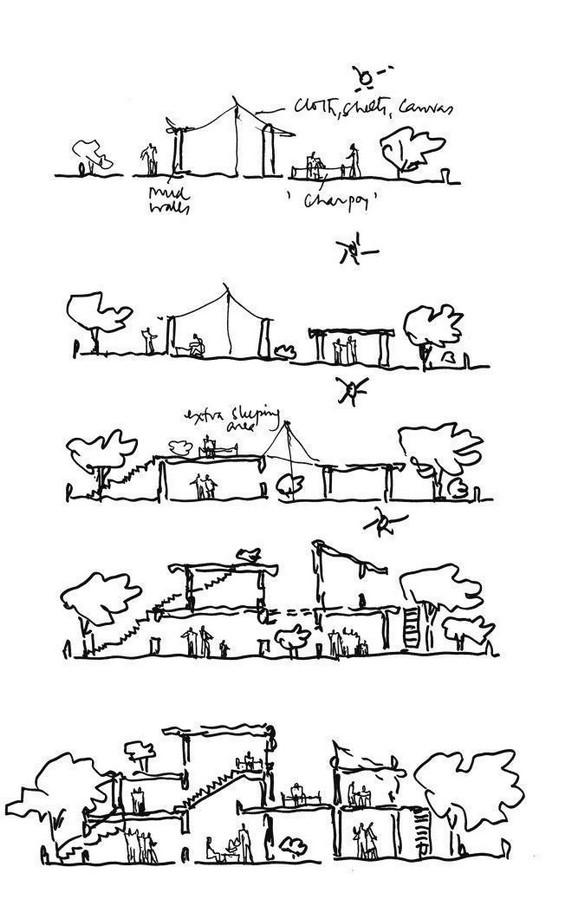
Laurie Baker: His Beliefs and Innovative Methods of Working in Favour of the Poor Communities
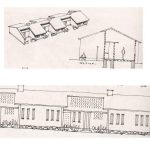
Laurie Baker mostly worked in emphasizing the local materials and traditional methods of construction, along with strict adherence to regional requirements, requirements that take into account the residents’ living habits, the characteristics of the site, and the manifestation of such aspects. He initially worked on projects with concern for the lower and lower-middle classes. In his projects, concrete is very lightly used as he considered broken and discarded tiles to be used as fillers for slabs, resulting in economical and light roofs. (Baker, n.d.). In order to reduce the cost of making affordable and stable structures, along with a reduction in material wastage, he had come up with unique bonding techniques for brick walls, which allowed him to even have half-brick-thick walls. These innovative methods also included giving stiff form to the walls through unique ways of brick bonding, which allowed jaalis, curved walls to be created. Following the traditional and vernacular style, he considered making jaalis to provide small openings instead of using glass windows and frames. (Baker, n.d.). This way, Baker also made sure that the spaces are well-lit and ventilated.
The example of a fishing village in Trivandrum has a similar ideology to Doshi’s Aranya project. Both aim to let the residents have the freedom to shape their homes according to their needs and traditions. Baker also let the resident’s plaster and paint their own homes, along with adding or modifying other elements. In this process, the villagers also felt attached to their homes. (Baker, n.d.). Since Baker was very concentrated on mud, he said that when it comes to providing houses for all by the 21st century, as the government promises, it is nearly impossible to do so with conventional methods because of the energy and material consumed in the process, but he believed that it could be possible with mud. (Baker, n.d.). He had always focused on reusing the materials to their advantage. If an old constructed site cannot be unkept by the owners and they cannot afford to reconstruct the building, Baker’s way was to destroy the old structure and use the same bricks. (Baker, n.d.). It would just result in thick brick walls, but the whole process results in no material wastage and fewer labor costs.
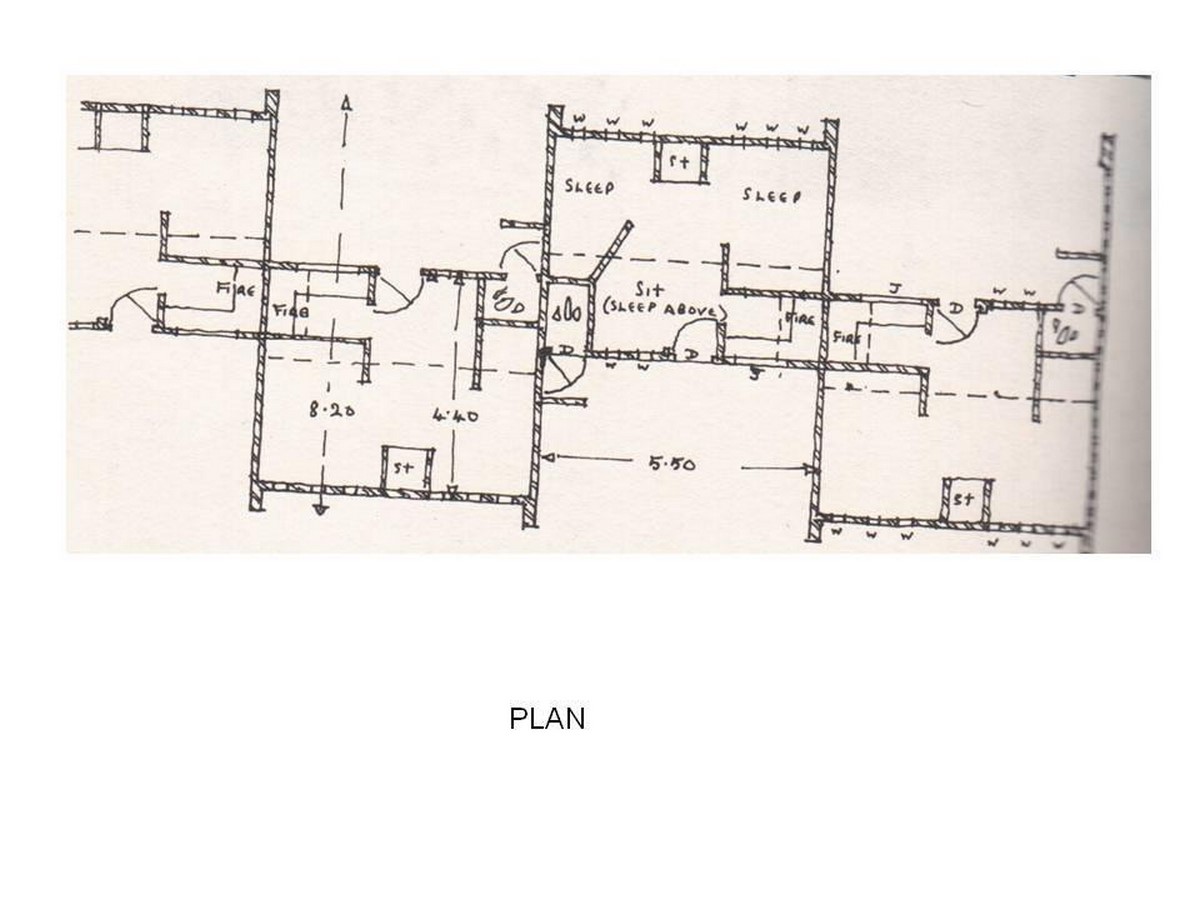
Such methods were necessary to be introduced into society, whether it be the rich or the poor. It was necessary to consider the vernacular and traditional living habits, occupancy, and income of families/ disadvantaged communities for creating more reasonable, affordable, and livable homes for them. These architects believed that the spaces would be called homes when they did not obstruct / bring any kind of difficulty to their daily life, but rather were a part of their everyday life. Baker not only made it cost-effective for the lower communities but also eased the process of bringing a project into reality through his innovative working methods, which largely included knowing his clients and the local tradition and materials very well. Similarly, Doshi pointed out that we need to understand the structure of society before building for them.
References:
Kagal, C., Bhatia, G. and Baker, L. (2019) ‘Laurie Baker: Architect for the Common Man – An interview with Gautam Bhatia,’ Aζ South Asia [Preprint]. https://architexturez.net/doc/az-cf-166224.
Mollard, M. (2025). Revisit: Aranya low-cost housing, Indore, Balkrishna Doshi – The Architectural Review. https://www.architectural-review.com/buildings/revisit-aranya-low-cost-housing-indore-balkrishna-doshi.