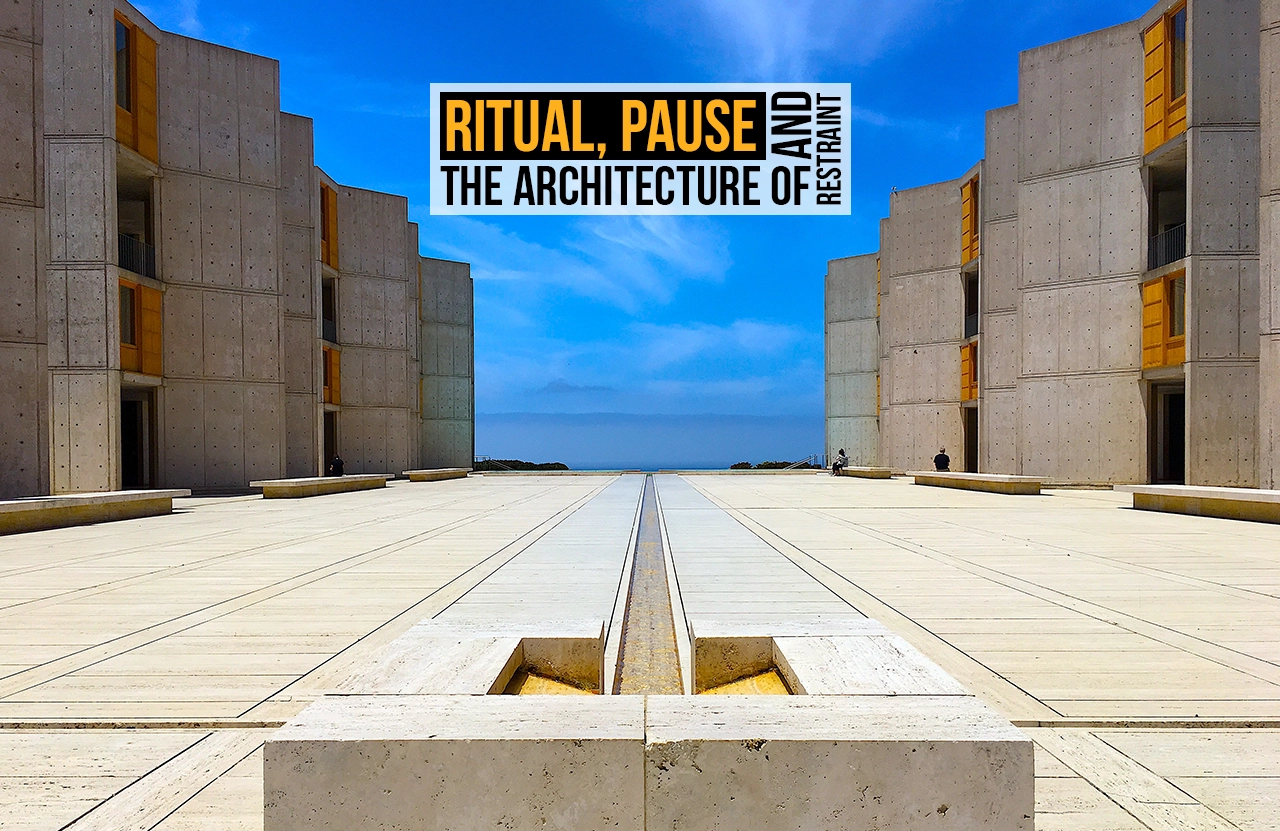
Less is more! What if pausing was the way to more and restraint is all the action needed? What if the greatest move was no move at all? Could it be possible to redefine design by redefining action?
In layman’s terms, Architecture is about building buildings. The entire concept and philosophy of architecture rests on the idea of populating the world with structures. However, the architecture of restraint rests on the principle that more can be achieved by doing less.
The Paradox of Restraint
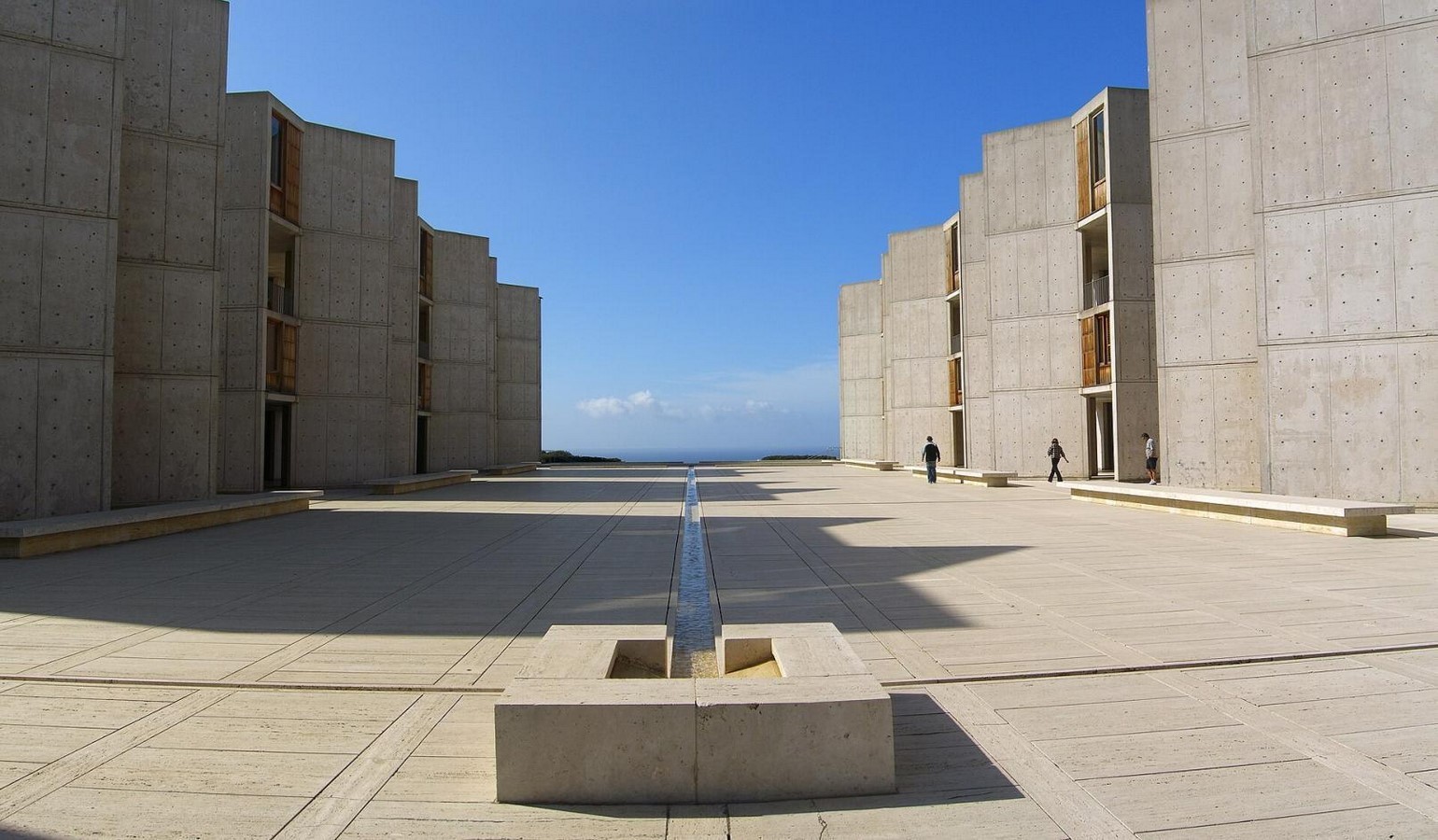
The paradox begins with a deep dive into the concept of restraint in architecture. In the Architecture of Restraint, design is not only about creating, but in conscious and intentional decision to refrain from building. This disrupts the fundamental understanding of what is understood as architecture.
Architecture is defined as the art and science of designing and constructing buildings. Implicit in this definition is the general acceptance that by ‘designing’, we mean creating from scratch. The simple understanding of what architecture means involves doing, not pausing.

However, the Architecture of restraint fights that architecture goes beyond additions but really means solutions. Solutions to a wide variety of problems. Taking on this lens for understanding architecture now shows that, indeed, solving problems doesn’t always require additional steps; all it requires is observation and deductions.
Similar to the game of puzzles, a puzzle set can not be solved by adding extra sets but by finding how all the pieces in the one set fits perfectly. The solution is not found in dumping new pieces from a different set, but using the pieces in the one to get the picture. This way, restraint means full awareness of all that currently exists, the skill to know all required for it to blossom and caution to not make additions or subtractions that will lead to ruin.

Total or Partial Restraint?
The recurring question is, “Is restraint to be practiced at every point or only when necessary?”
What is the goal of restraint? The goal is a careful and intentional decision to determine which actions are not required and which ones are required; it is choosing not to be build when careful examination shows renovation or refurbishment is best.
Total restraint would mean all architects had no business making new buildings; it would mean the future generation was stuck with what currently exists. Architecture of restraint doesn’t say no to new construction; it says no to new construction that doesn’t need to exist. Sometimes architecture of restraint says reduction rather than extravagant, neutral instead of flamboyant, necessary instead of impulsive. Sometimes it says subtle, sometimes is say no.
Architecture of Restraint in Subtlety
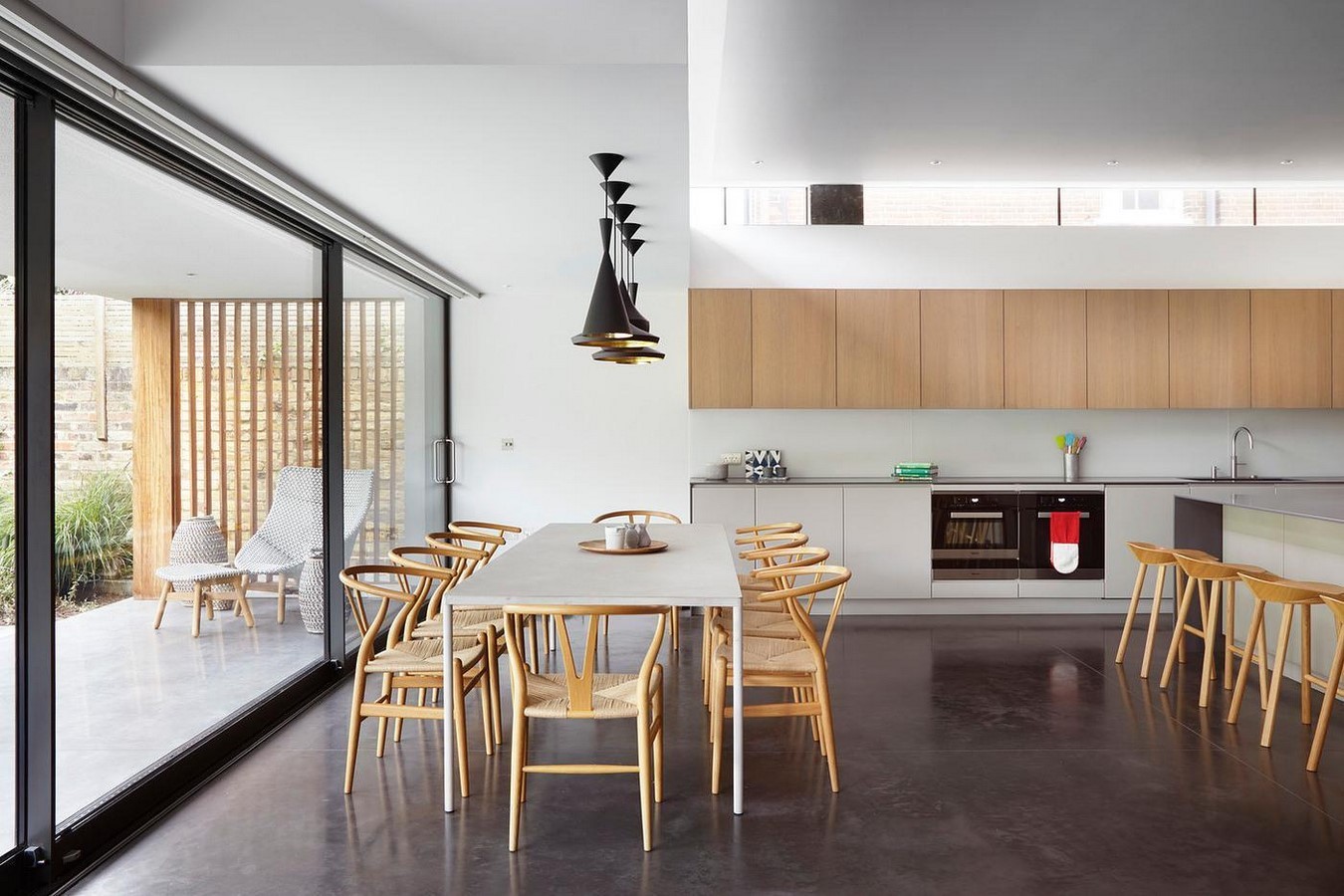
The architecture of restraint can be expressed as a desire for minimalism. Especially in interior design, where the focus is placed on palettes with limited colours creating the balance rather than a board of too many colours and textures.
By taking a pause to reexamine the desired output, so much more can be done without a lot of complexity. The goal here is to achieve harmony, evoke the desired feelings through simplicity and occasional complexity. In Interior design, a simple design and layout can speak a clearer and more refined language in comparison to a design that has too much of everything.
Architecture of Restraint and Sustainability
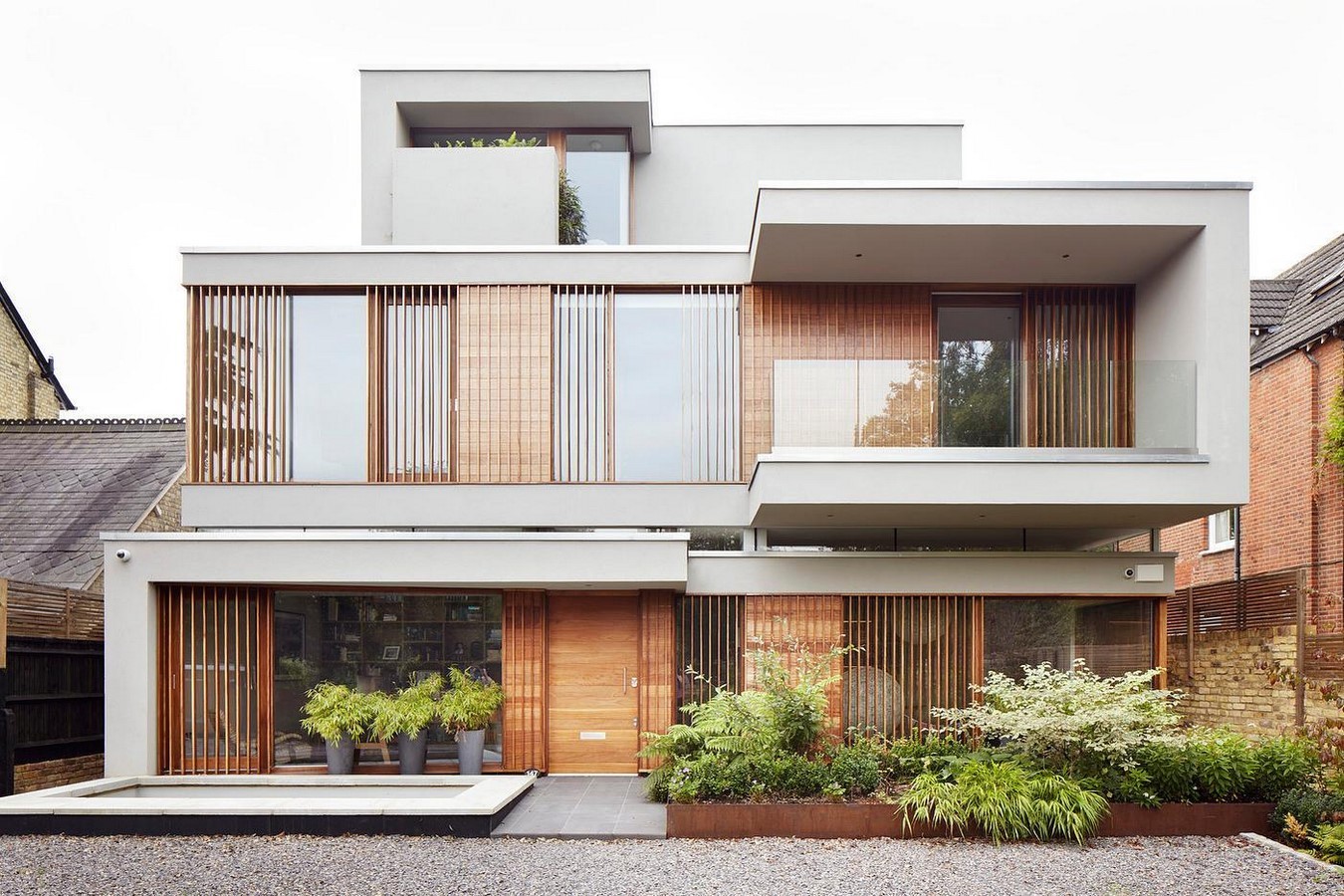
As a result of the increasing number of buildings and construction going on, more and more pressure is being placed on the environment. And while a lot of research is going into how to make our construction less harmful and our living/usage more efficient, there’s the common saying, “the most sustainable building is the one already built.” Better work can be done to relieve the stress on the environment by focusing on the buildings that exist and making them sustainable.
An example is the culture of demolishing to rebuild. In the context of the environment, demolition doesn’t equate to getting a fresh page; it means working on a canvas that’s already been worked on, where a little bit of an attempt has been made to clean off the previous painting. Every single stroke on that canvas is overwhelmed and influenced by what had been put on it before.
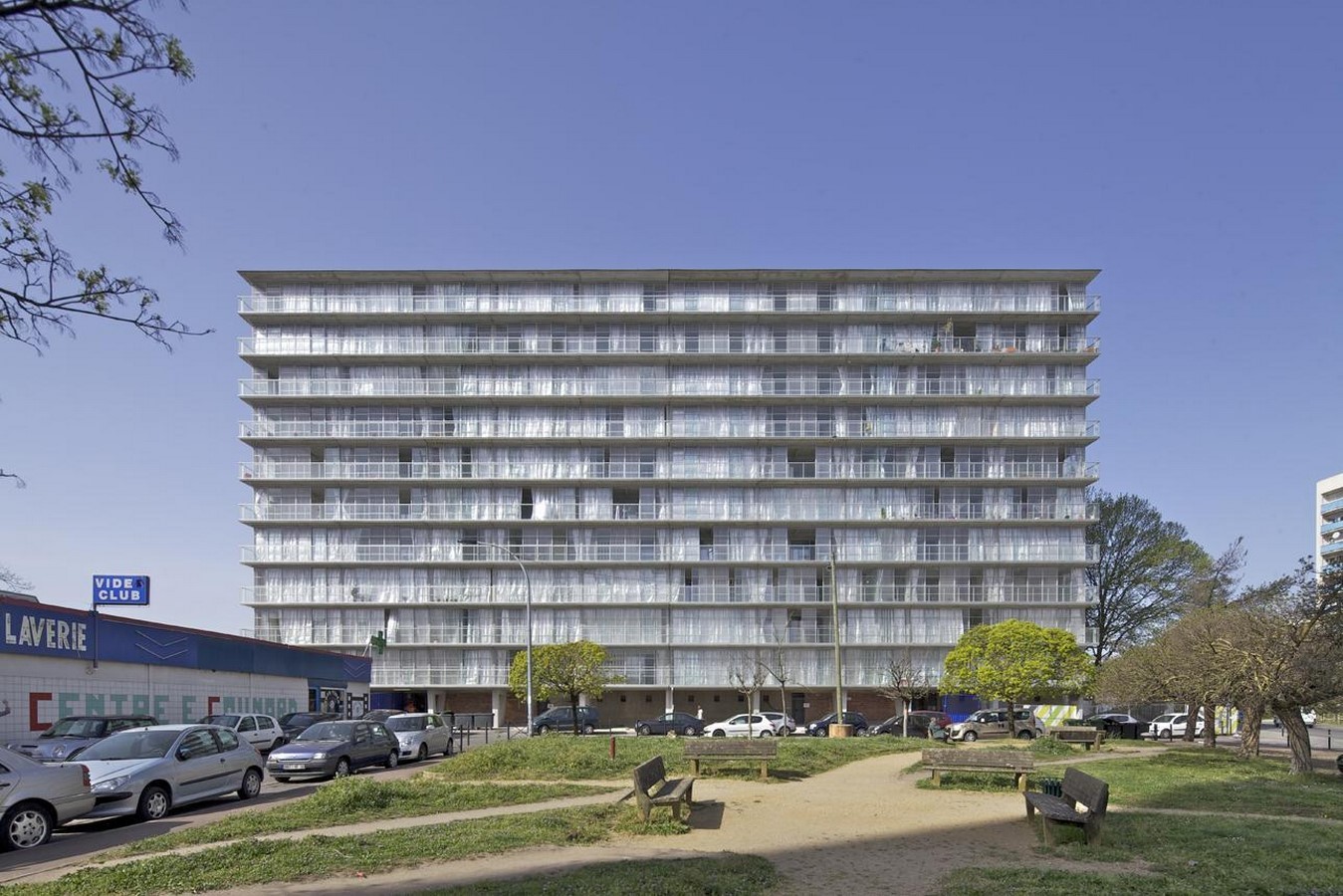
In the fight for sustainability, buildings, especially older ones, need to be looked at as a puzzle with missing or misplaced pieces. With careful study, the components and parts of these buildings can be examined to determine what is reusable, what needs and upgrade and what little is left to be added.
Architecture of Restraint, Yes or No?
The fight for Restraint is a fight against fame and respect and what is globally perceived as creativity and reputable work. The world doesn’t respect inaction or subtlety when awarding innovation and exceptionalism. The media only spotlights the dramatic and extravagant.
How do we practice restraint in a world that cheers for letting loose? A world that defines innovation and creativity by excess. A world that only appreciates the next shiny thing. The real question isn’t whether restraint is necessary and valuable, but whether this path would be treaded by enough for it to be truly impactful.
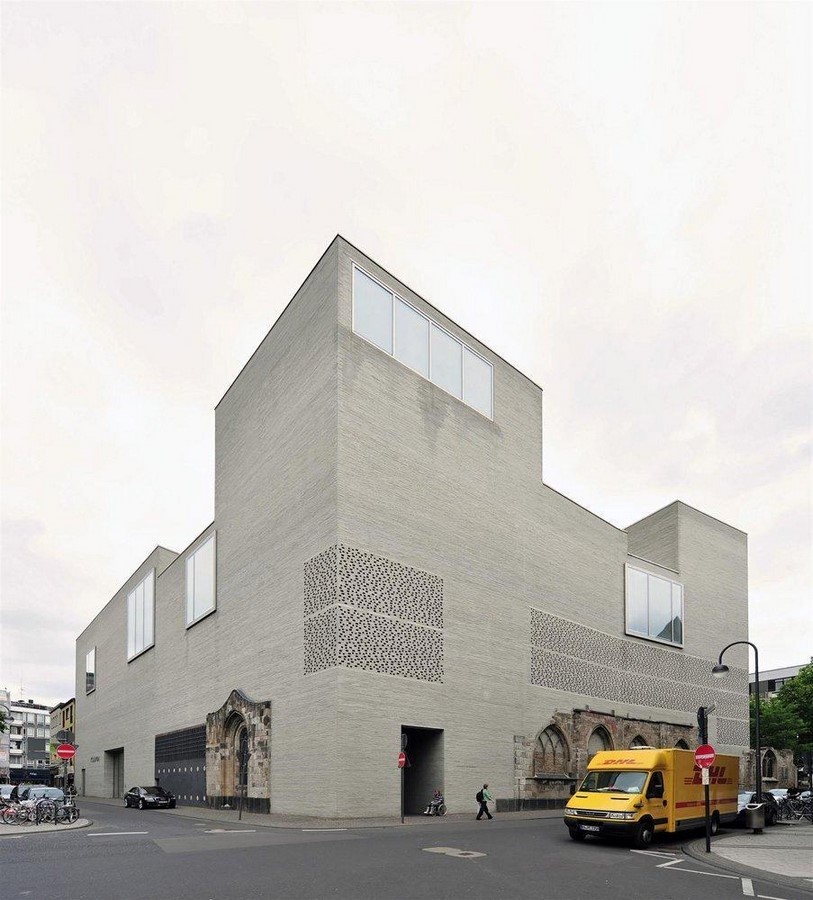
Would architects want to follow a path with no cheers? Is fulfillment enough drive to chose restraint? To establish restraint, we will first need to reshape and redefine creativity, innovation and exceptionalism in architecture.
CITATIONS:
Architecture+Design, 2025. The Architecture of Restraint: 23DC Architects Designs With Purpose, Not Excess. Architecture+Design. Available at: https://www.architectureplusdesign.in/ad-exclusives/architecture-restraint-23dc-architects-designs-purpose-not-excess/ [Accessed 15 Dec. 2025].
Cutieru, A., 2020. The Rehabilitation of Post-War Housing Blocks in 7 Projects. ArchDaily. Available at: https://www.archdaily.com/935980/the-rehabilitation-of-post-war-housing-blocks-in-7-projects/ [Accessed 15 Dec. 2025].
Ferreira, D.B., 2025. The Architecture of Restraint: When Choosing Not to Build Becomes Design. ArchDaily. Available at: https://www.archdaily.com/1035638/the-architecture-of-restraint-when-choosing-not-to-build-becomes-design/ [Accessed 15 Dec. 2025].
Kellner, L., 2024. The Architecture of Restraint. Medium. Available at: https://lisakellner.medium.com/the-architecture-of-restraint-807eb692610 [Accessed 21 Dec. 2025].
SW Oregon Architect, 2025. The Architecture of Restraint. SW Oregon Architect Blog, January. Available at: https://sworegonarchitect.blogspot.com/2025/01/the-architecture-of-restraint.html [Accessed 15 Dec. 2025].
TRACE Architects, 2024. The Power of Restraint. TRACE Architects Blog. Available at: https://tracearchitects.format.com/blog/the-power-of-restraint [Accessed 21 Dec. 2025].