American Institute of Architects (AIA) has named Japanese architect Shigeru Ban as the winner of the 2026 AIA Gold Medal, the highest award of the organization. The Gold Medal is awarded every year in remembrance of people who made a significant impact on the theory and practice of architecture. The choice of Ban is not purely about his architectural creativity but also about his humanitarian design, material exploration and socially responsive architecture. Shigeru Ban is known all over the world as redefining the role of the architect in crisis and the ways in which architecture can be permanent, luxurious, and valuable. His work has shown that a thoughtful design does not have to be made of costly materials, but rather of intelligence, empathy and responsibility.
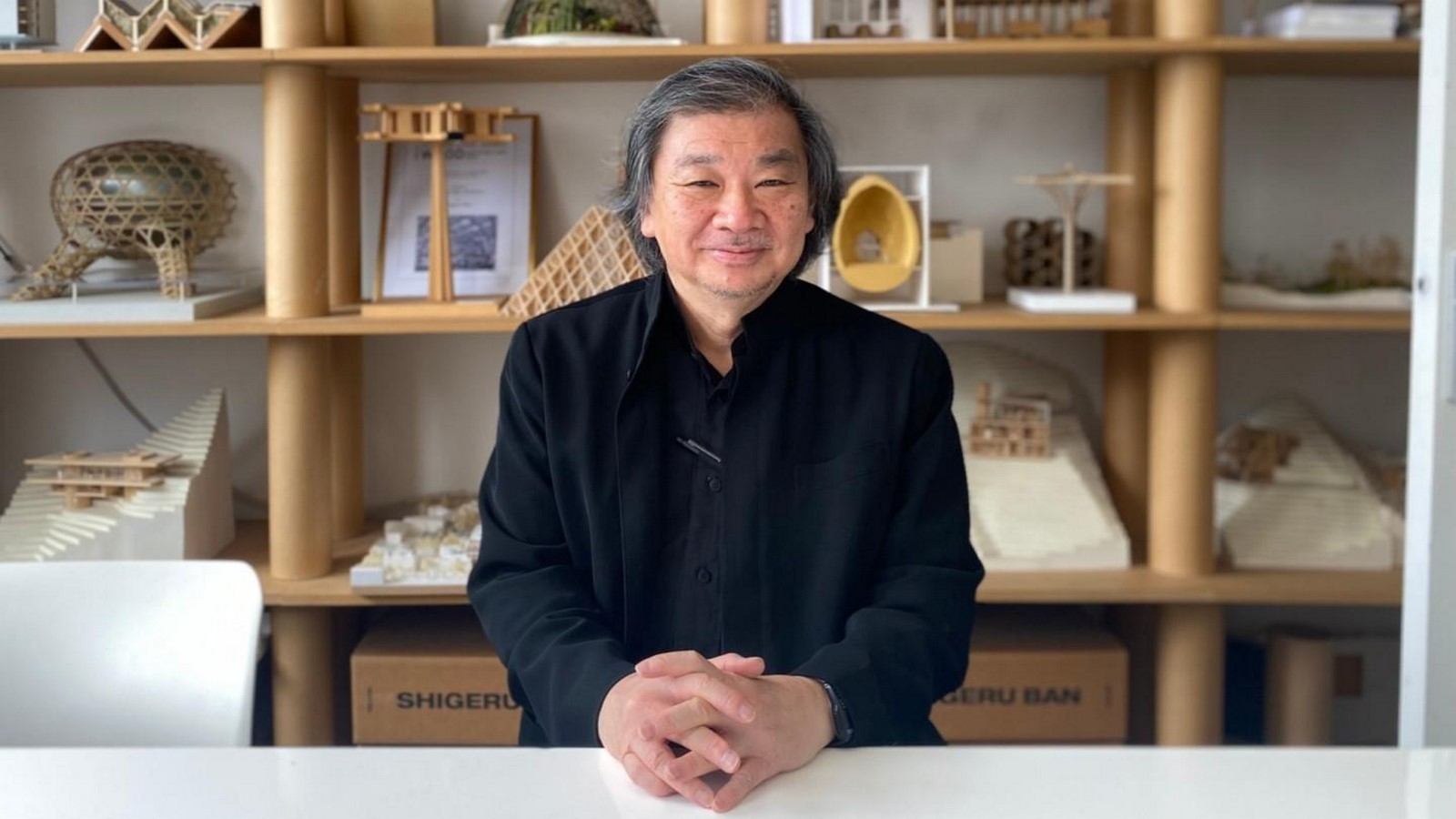
Architecture Beyond Permanence.
The peculiarity of Shigeru Ban architecture is its unusual use of the materials, primarily, the paper tubes, cardboard, timber and the recycled materials. When architecture has been obsessed with durability, which has been synonymous with the use of concrete and steel, Ban has repeatedly wondered why temporary or inexpensive substances are ignored as inferior. The impermanence in his work is reworked as something that is strong rather than a weakness.The philosophy has been illustrated in the projects like the Paper Log Houses initially designed to serve Rwandan refugees in the 1990s. These shelters were built on paper tubes and the materials that were available locally, which made them dignified, safe and quick to deploy during emergency situations. Instead of making disaster relief a distinct category of architecture, Ban incorporated it into his main practice and laid the groundwork of a socially engaged architecture. Perhaps the most characteristic feature of the career of Shigeru Ban is the continuous involvement in the disaster relief. An earthquake-prone country in Japan, to a refugee crisis in any part of the world, Ban has continuously used architecture as an instrument of healing and self-history.
Ban created the Paper Church, a makeshift, but very meaningful design in 1995, after the Kobe earthquake, in response to a displaced community. The church was later moved to Taiwan where Ban believed that architecture could be temporary, as well as emotional. His establishment of the Voluntary Architects Network (VAN) also institutionalized his humanitarian work more, as architects and students could now actively engage in the relief work all over the world. The fact that Ban received the AIA Gold Medal jury is an indication that the values in architecture are shifting, and the importance of ethics, social impact, and environmental responsibility are brought to the forefront of architectural excellence. Although Ban can be equated with emergency architecture, his work cuts across museums, concert halls, residential properties and civic buildings globally. His capability to translate the experimental research on material in large-scale and permanent architecture can be seen in projects like Centre Pompidou-Metz in France and the Swatch and Omega Campus in Switzerland.
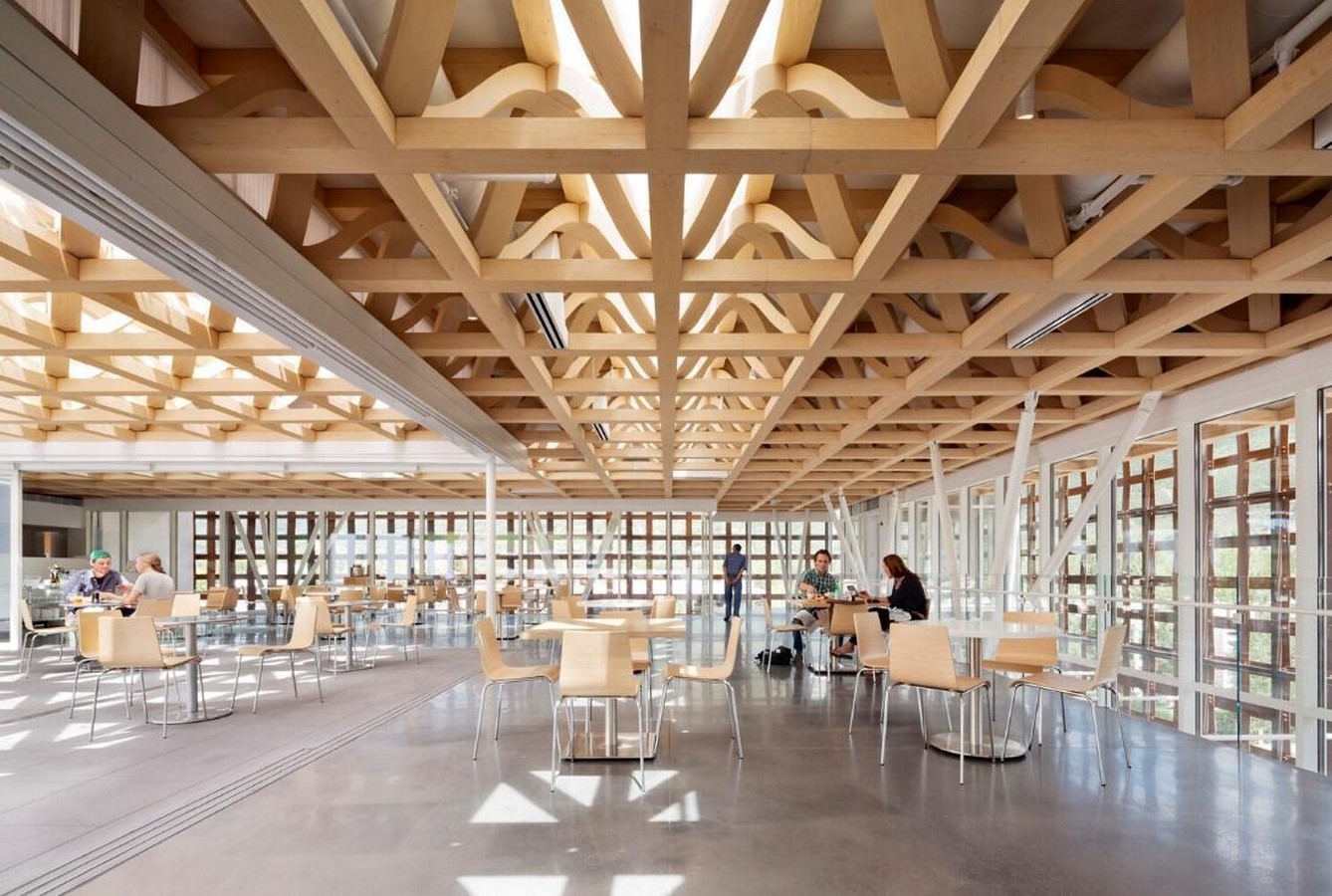
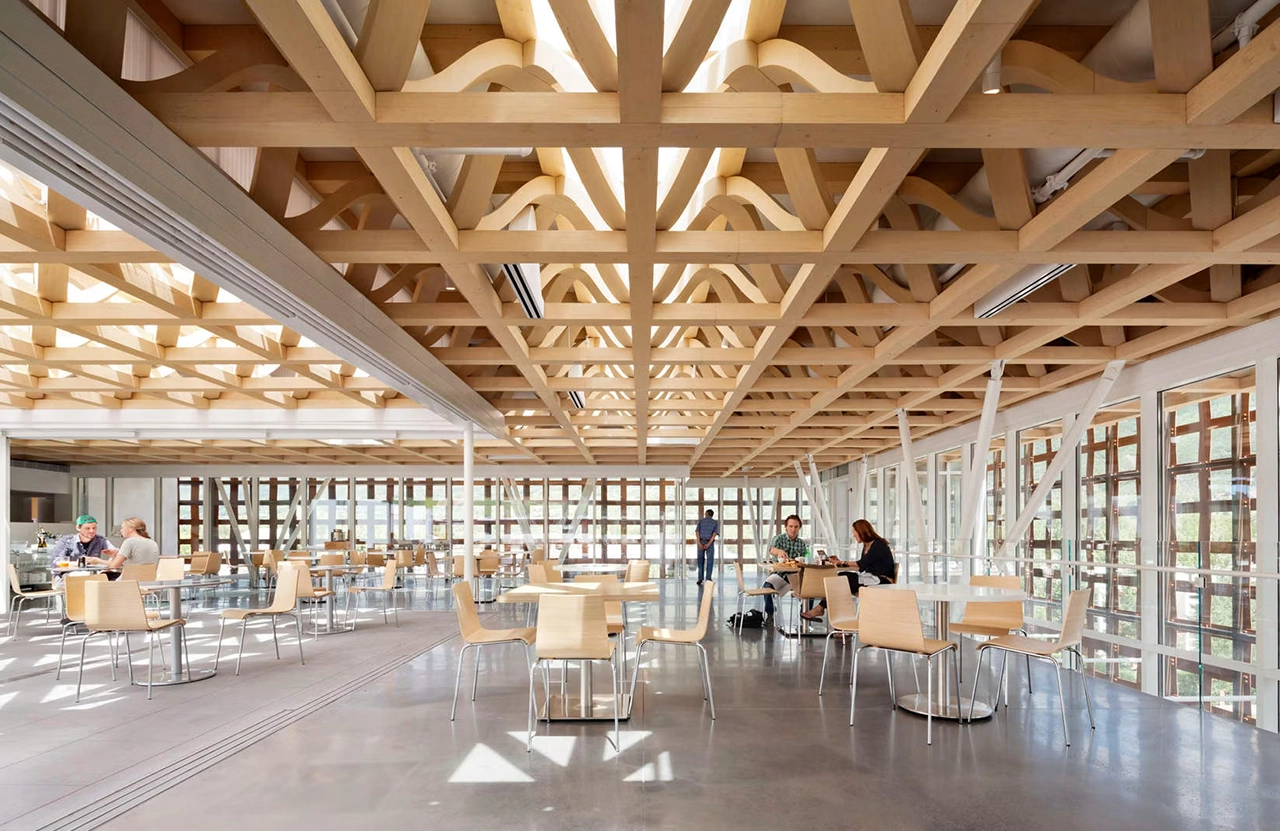
In the works, Ban still continues to push the structural conventions with the use of timber grids, lightweight systems and expressive roof forms. His solution is never focused on spectacle solely but innovation comes out of structural logic, sensitivity of environment and material efficiency. This experimentation and restraint have rendered his work technically rigorous and popular. Shigeru Ban preached sustainability long before it became a buzzword in the architecture world; he did it, in a quiet and persuasive manner. His inclination towards recyclable materials, minimum wastage constructions, and flexibility of structure is an aspect of a strongly rooted environmental ethic.
The analysis of the work by Ban does not believe in the superficial use of green technologies. Sustainability is instead realized by means of simplicity, material honesty and life cycle thinking. Ban provides greater sustainability than energy performance by ensuring that buildings can be dismantled, reused, or adapted into alternative ways of use. The AIA Gold Medal has always been given to architects who had monumental and iconic works. By awarding Shigeru Ban, the AIA recognizes another type of legacy: a legacy of service, of humility, of global responsibility. The career of Ban proves that architects can work at the same time in highbrow cultural organizations and in the fringes without losing design purity. His work blurs the line between the high architecture and the emergency shelter showing that the two should be given equal attention, ingenuity, and respect.
Redefining Architectural Legacy
The introduction of Shigeru Ban as the 2026 AIA Gold Medal winner is a strong message in regards to the changing priorities of modern architecture. His work demonstrates that it is not necessary to be overly innovative, that beauty can be born out of limitation and that the supreme goal of architecture can be its service to mankind.
Over decades of his work based in empathy, experimentation and ethical responsibility, Ban has grown his understanding of what architecture can become, and whom it can serve. The AIA Gold Medal does not just serve to pay tribute to his work, but it also makes the point that socially responsible design is not an isolated profession, but rather an essential and sustainable way of architecture.
Citations:
World Architecture Community, 2025. Shigeru Ban wins the 2026 AIA Gold Medal. Available at: https://worldarchitecture.org [Accessed 21 December 2025].
Architectural Record, 2025. Shigeru Ban awarded 2026 AIA Gold Medal. Available at: https://www.architecturalrecord.com [Accessed 21 December 2025].