In times where clothes, styles that go viral, and new ideas in design change all the time, building design faces a sharp contrast. Buildings are not clothes that can be changed every few years. They are fixed in a space, use up resources, and affect how people live, walk, and meet each other for decades, or even hundreds of years. But much of the design of buildings today is about making a splash, looking new, and making an impression for the short term rather than aging well over time. In this setting, the idea of buildings that last forever is not just about feeling nostalgic, but it has real meaning.
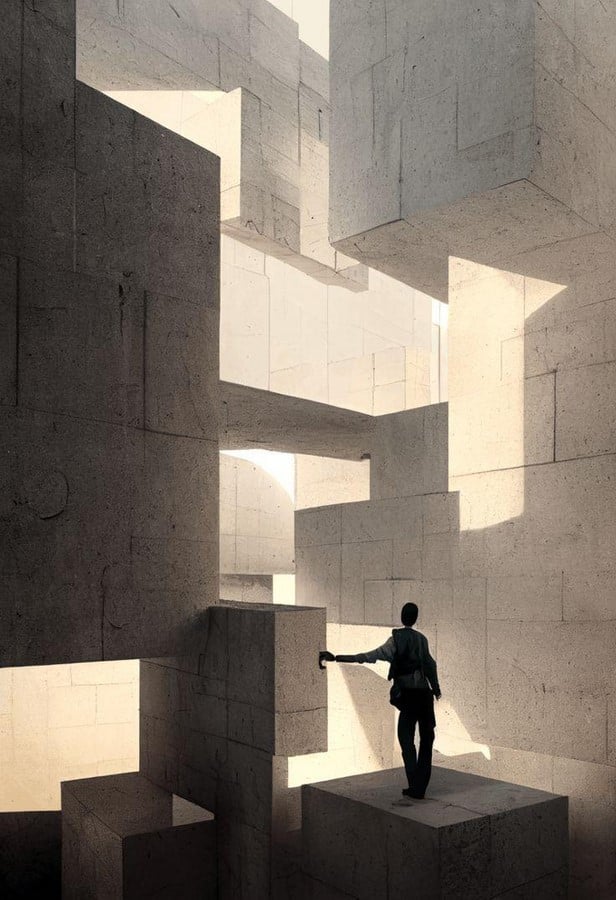
Buildings that last forever do not stand against change or new ideas. Instead, they take in change and new ideas in a careful way. What makes a building last forever is not that it shows a certain time period in design, but that it can still have meaning as our culture, society, and tech change. These buildings are based on what humans need most: shelter, comfort, guidance, and a sense of place, rather than just things that look good for a short time. Things like proper size, shape, light, honest use of materials, and clear use of space matter more than too many decorations. These qualities stay relevant over long periods because they are connected to how people see and experience the world around them, not just because they are popular at the moment.
Rooted in Human Needs, Not Passing Styles
Architecture should start with people, not with what looks good. This means that design should be based on the real lives of people, not what is in fashion. Instead of trying to impress or be new, buildings that last long should be based on what we all really need, no matter where we are or how old we are. These needs show up in many ways in space. For example, we need light that makes us feel good and lifts our mood; we need a flow in the space that makes it easy for us to move around and not get lost; we need a good sound that helps us concentrate or talk with others; we need the space to not be too big or small for us; all of these things should be planned so that the building feels normal and not strange. When we do this, architecture will be easy to get and will make people feel good deep down.
When built with life in mind, architecture will never be old. Trends can focus on how things look, but what we need is in how we use and see the space. Buildings that are a good place to live, to get around in, and to feel close to will stay useful, even when what people like changes. In this way, architecture that lasts is not still; it is softly changing, letting many new people use it and see their own lives and stories in it. By putting people before pictures, we can make architecture not just last in how it is built, but also in how it feels and means to those who use it.
Clarity of Purpose and Function
A building that never changes shows what it is and how it is made. Its shape grows from its use. This rule, summed up as form follows function, does not just mean not much. It means harmony. Buildings that add to their showiness can feel out of date fast when likes change or new tech comes in.
On the other hand, buildings where use, structure, and shape match up well, like old civic buildings or ones that have been turned into flats, can do well for a long time and keep people using them.
Honest Use of Materials
Buildings age, and good architecture is about acknowledging that. Stone that acquires a weathered patina, wood that absorbs patina, brick that deepens in character, such are the materials through which time speaks. It is a picture in stark contrast to that which emerges when building materials are employed honestly, in keeping with their particular natures: honest buildings grow old beautifully rather than becoming merely beautiful ruins.
Trend-based architecture frequently uses fake finishes, or thin-coat systems that look good for the first year only to fail quickly. Timeless buildings, on the other hand, accept age as beauty, letting time work its alchemy on their presence rather than being an enemy.
Proportion, Balance, and Restraint
Long before the digital aids, architects turned to proportion and geometry, and balance to create it. From classic architecture to modernist masterpieces, buildings that stand the test of time often have a quiet and calm visual order.
Restraint plays a crucial role. Instead of piling up competing ideas on a building, timeless architecture is full of choices. It knows that what is omitted can be just as potent as what remains. It’s a discipline that helps a building stay clear and dignified, long after fashions pass.
Depth Beyond Aesthetics
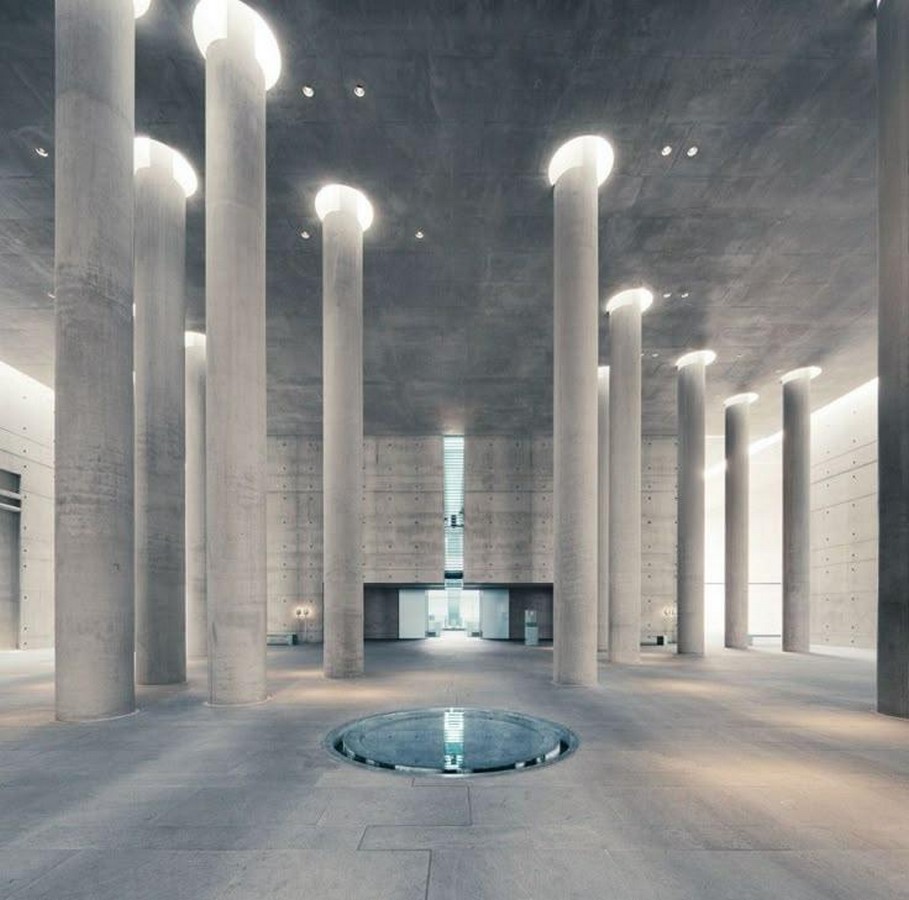
Trends tend to work at the level of surface, with colors, shapes, and motifs. The architecture that transcends time works on a much more profound level, as it contains meaning that is embedded in the use of space, construction, and intent. Maybe it isn’t flashy right off the bat, but eventually you notice.
This depth fosters emotional connection. People may not know why a building feels right, yet they feel its integrity. It is that quiet resonance that enables a work of architecture to persist in collective memory.
Respect for Time Itself
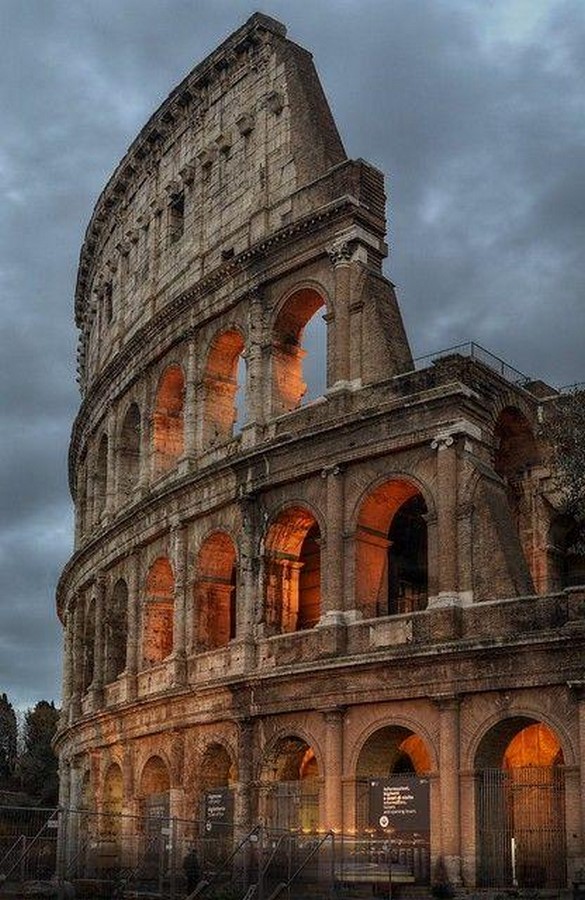
Ultimately, timeless architecture respects time, past, present, and future. It learns from history without copying it, serves current needs without chasing fashion, and anticipates a future it cannot fully predict.
Rather than freezing a moment in design history, timeless buildings allow time to pass through them. They remain open to reinterpretation, use, and meaning, ensuring their relevance across generations.
References:
Sağlam, Kübra & Durmus Ozturk, Serap. (2020). REDEFINING THE CONCEPT OF TIMELESS IN ARCHITECTURE: CENOTAPH FOR NEWTON.