What is Copper Patina?
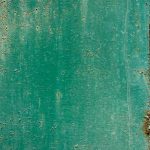
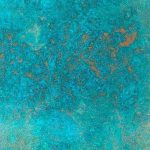
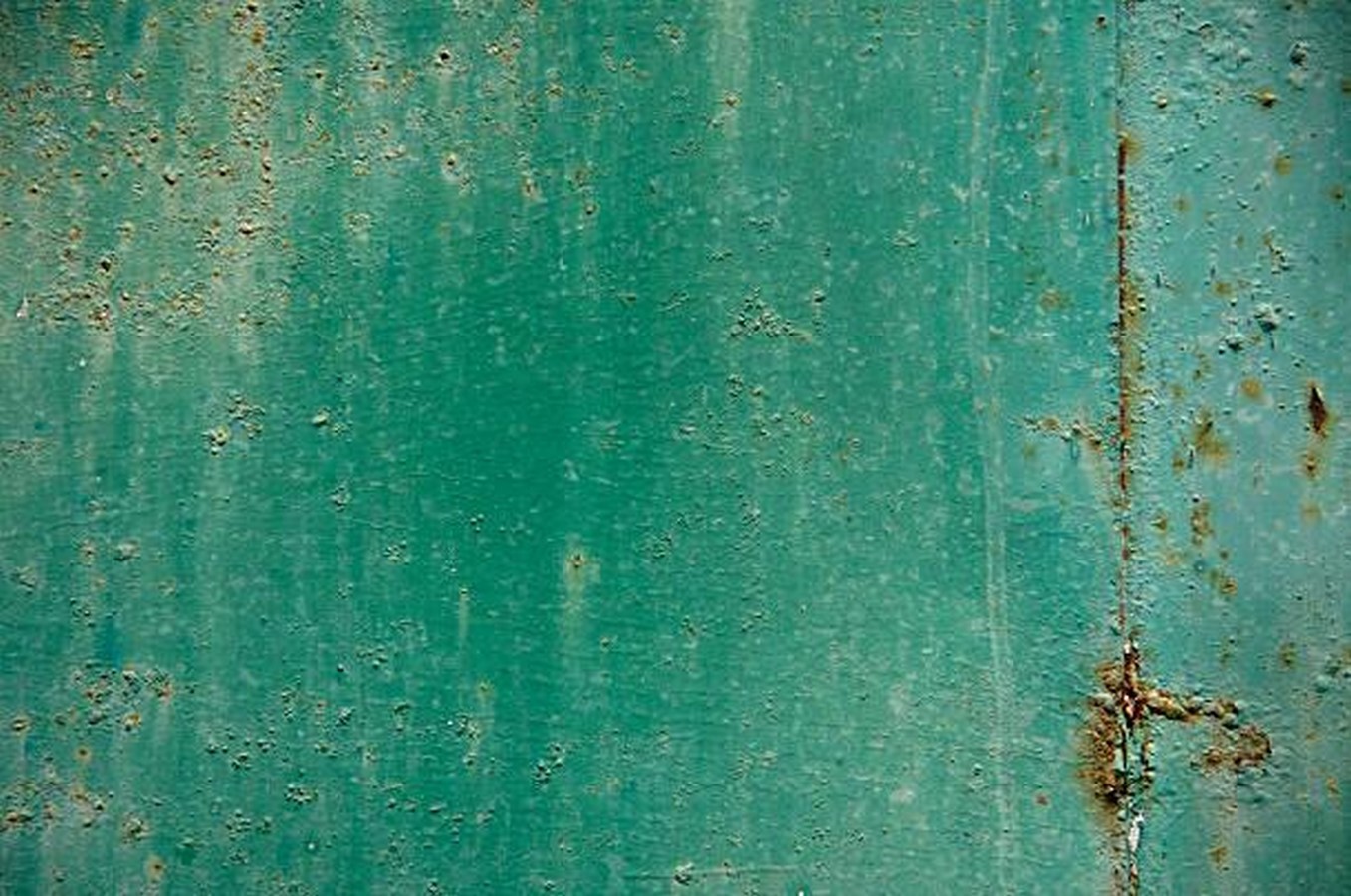
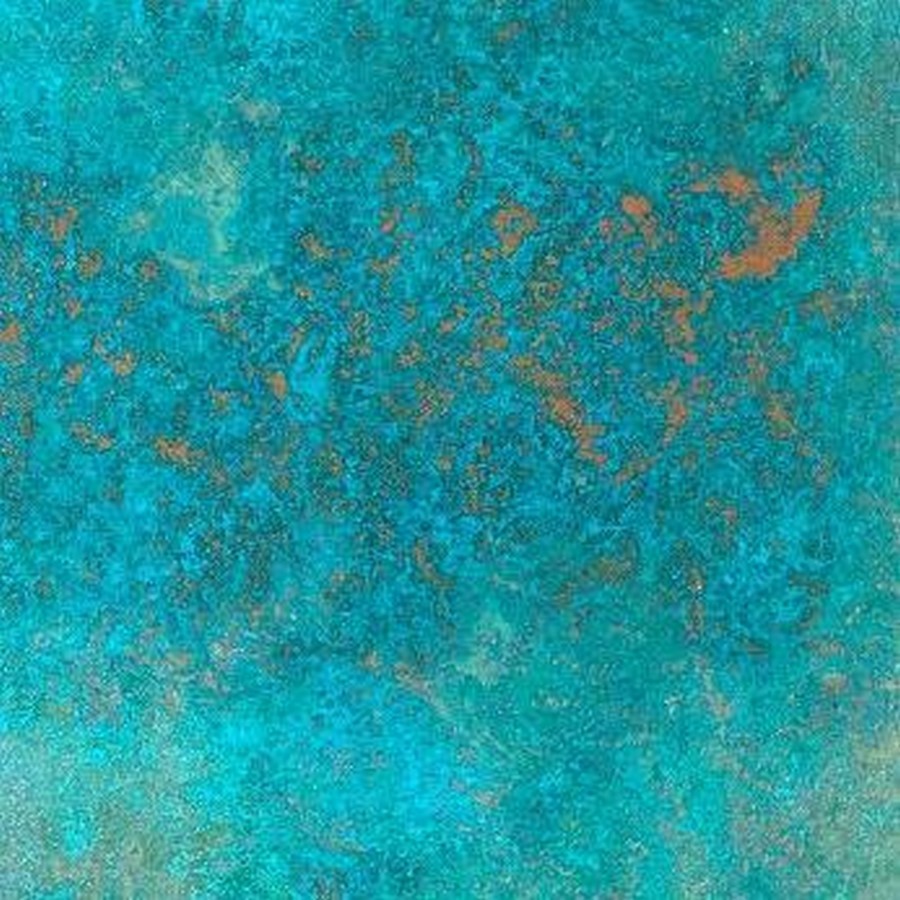
Patina is the end product of a metal (such as copper, bronze, brass, or similar metals and alloys) undergoing a natural oxidation process due to exposure to weathering conditions. When specifically copper undergoes this process, a thin blue-green layer is formed over the surface of the metal called copper patina. This layer forms a natural barrier between the weathering conditions and the metal, thus protecting it from further corrosion and providing a unique finish.
Based on the reaction with different compounds in the air, various colours of patina can be obtained. For example, the most common colour of copper patina is green, formed when copper reacts with sulphur in the air. The most well-known example of this is the Statue of Liberty in New York. Originally a copper structure, the reaction of the metal with sulphates present in the atmosphere, due to pollution has given it a complete greenish hue.
Apart from a green patina, copper can also react with ammonia in the air and produce a blue patina, or react with organic matter in the air and produce a brown patina. Both these hues are less common than the green.

Patina in Building and Architecture
Copper Patina can be used as a material for both interiors and exteriors of a building. The material provides a very interesting finish in terms of colour. To illustrate this, listed below are a few examples of where copper patina has been used as an aesthetic element in the architecture of a building.
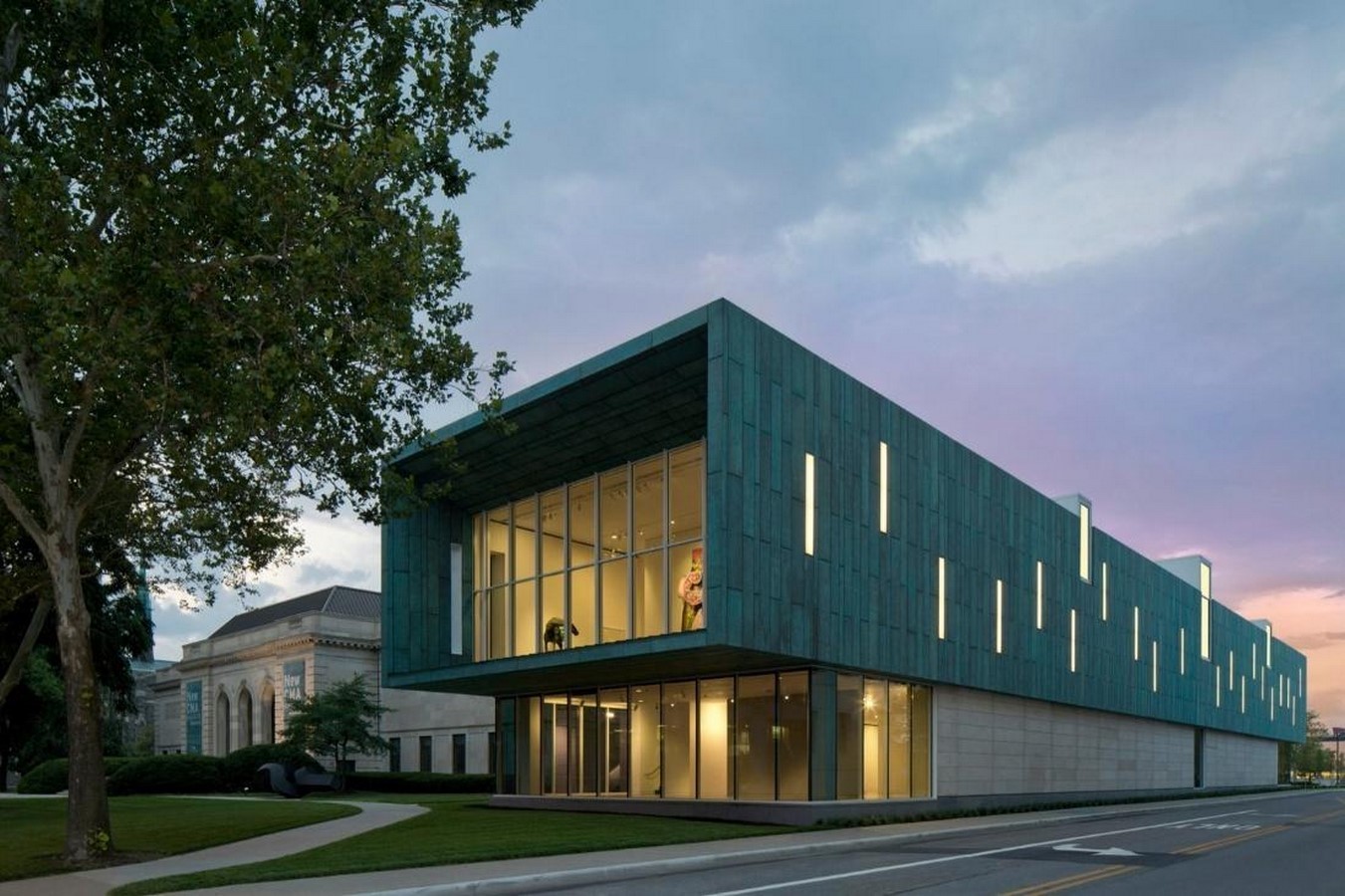
- The Columbus Museum of Art
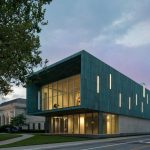
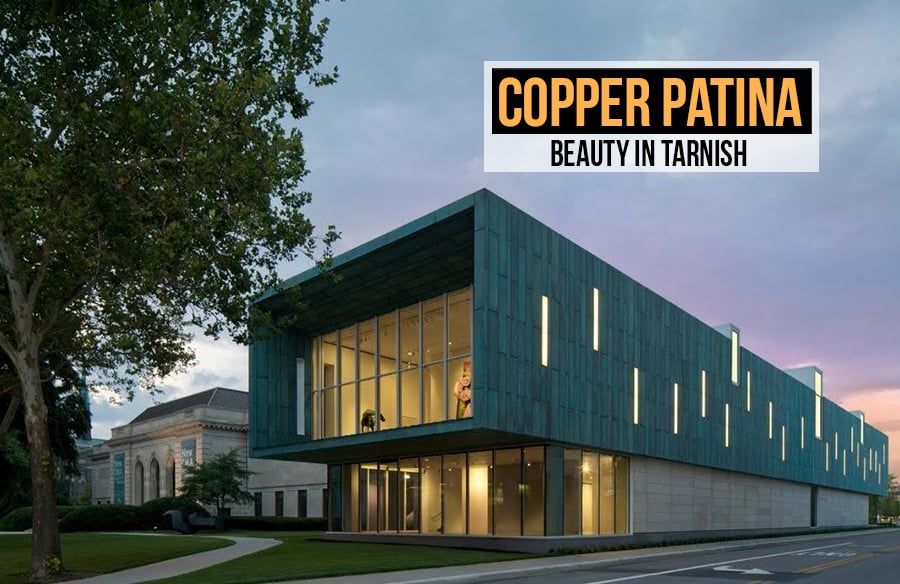
Located in Ohio, USA, the Columbus Museum of Art is a renovation project, undertaken by the Design Group. The renovated part of the building consists of pre-patinated copper panels of a greenish hue, that sit alongside limestone and glass as the other materials utilised. The design and material choices come out of the brief, that is for the museum to be more visible, relevant and connected to the community.
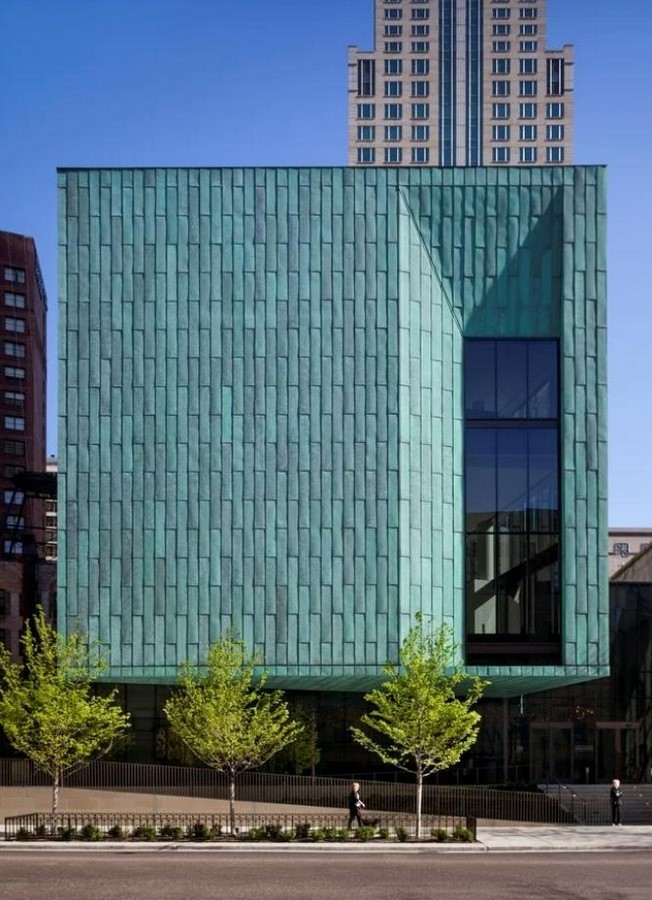
- The Genevieve and Wayne Gratz Center
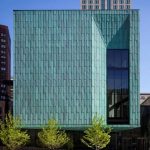
Located in Chicago, Illinois, this building was designed by Gensler. It is another revival project, where a copper patina has been used on the façade. The choice of material comes from the existing details of the church, where copper has been used in the spouts, gutter lines and roofs. The interior of the church also consists of brownish copper panels, not patinated, since these are not exposed to the environment. But copper becomes the material that sings throughout the architecture.
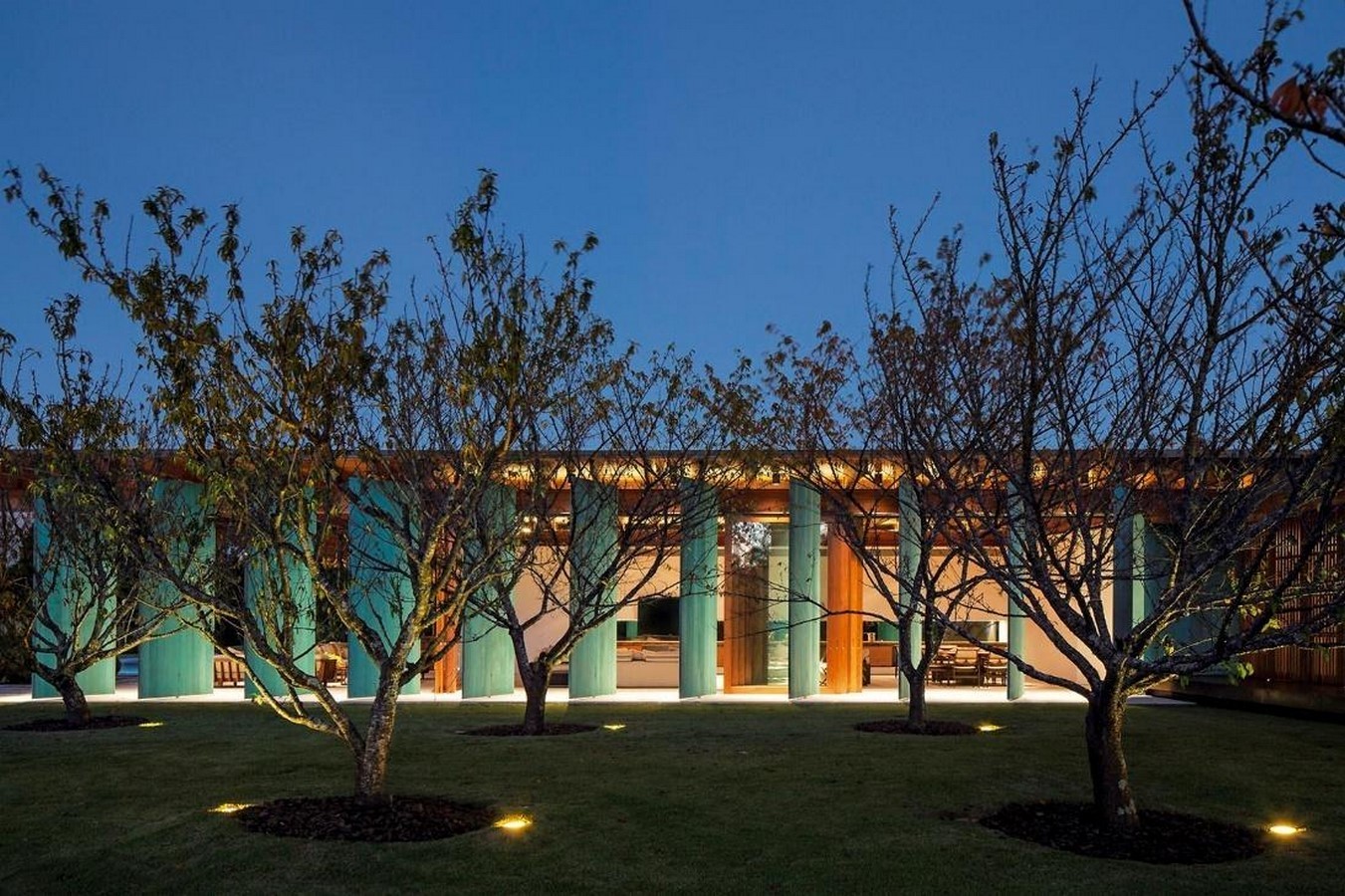
- GCP House
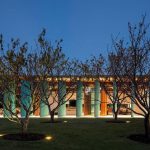
The GCP House is located in Brazil and was designed by Bernardes Arquitetura. The house mainly uses wood and corten steel but one of the most striking features of the house is patinated louvres that open into the surrounding landscapes and views. The colour of the patina makes the louvres blend seamlessly into the nature surrounding the dwelling and provides shading from the afternoon heat.
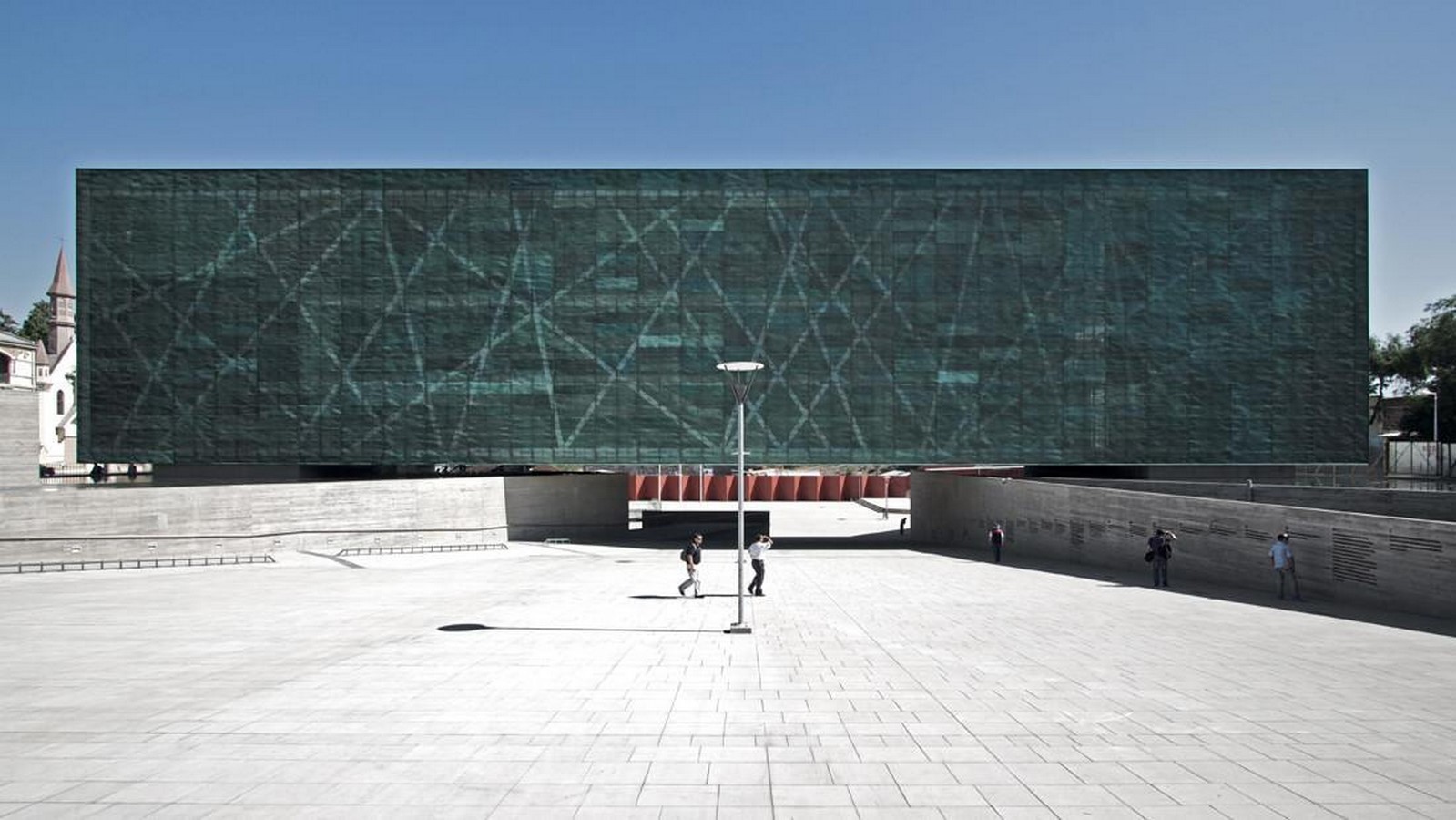
- Memory Museum
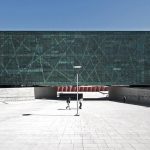
The memory museum located in Santiago, Chile was designed by EStudio America. The design of the museum has been inspired by architects of the modern movement in Brazil, including names like Oscar Neimeyer. The façade consists entirely of copper patina panels which are also perforated, to allow for visual connection between the interior and exterior of the building. The copper panels act as a skin around a framework.
- Schloss Grafenegg Concert Hall
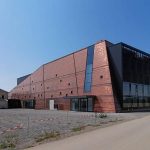
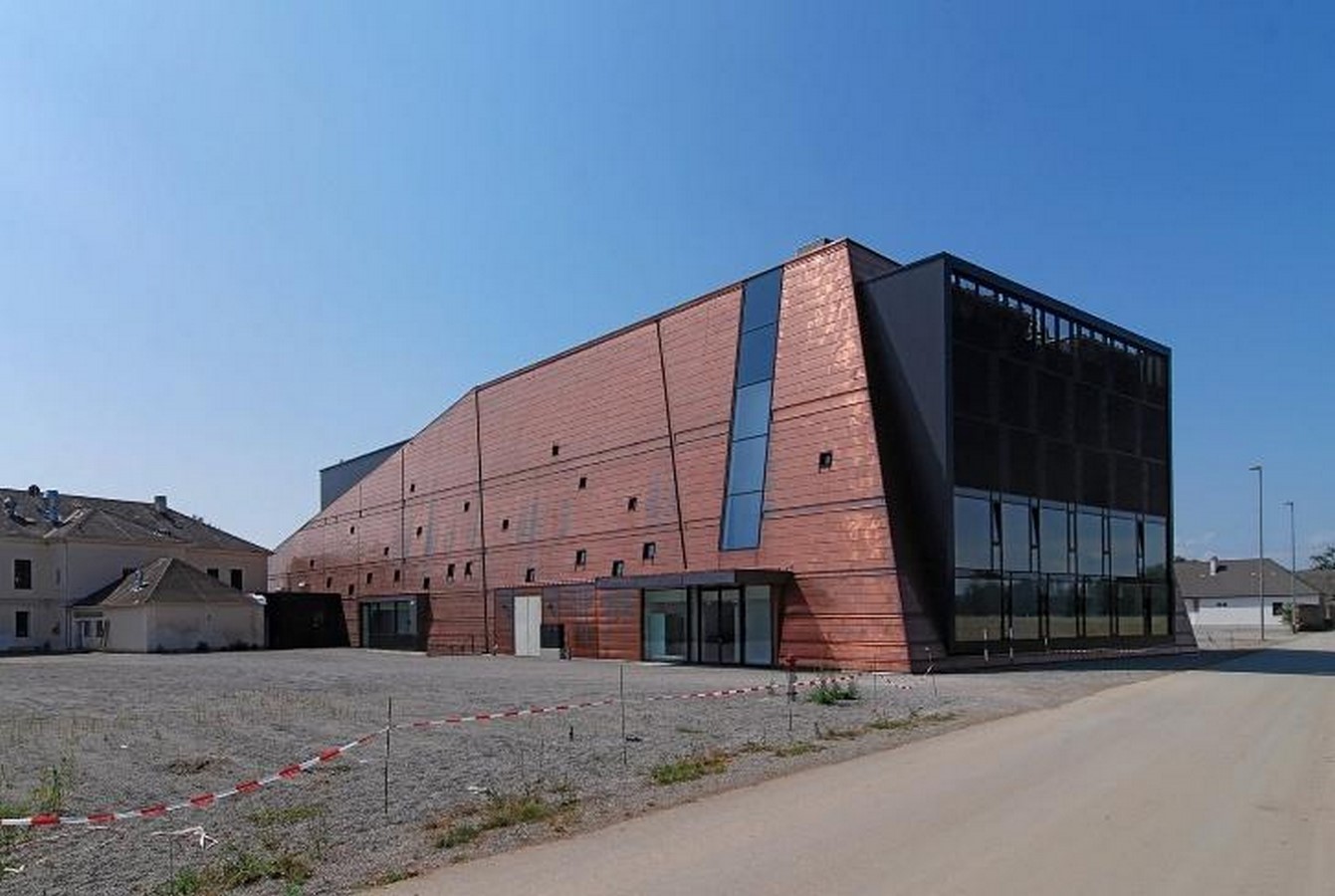
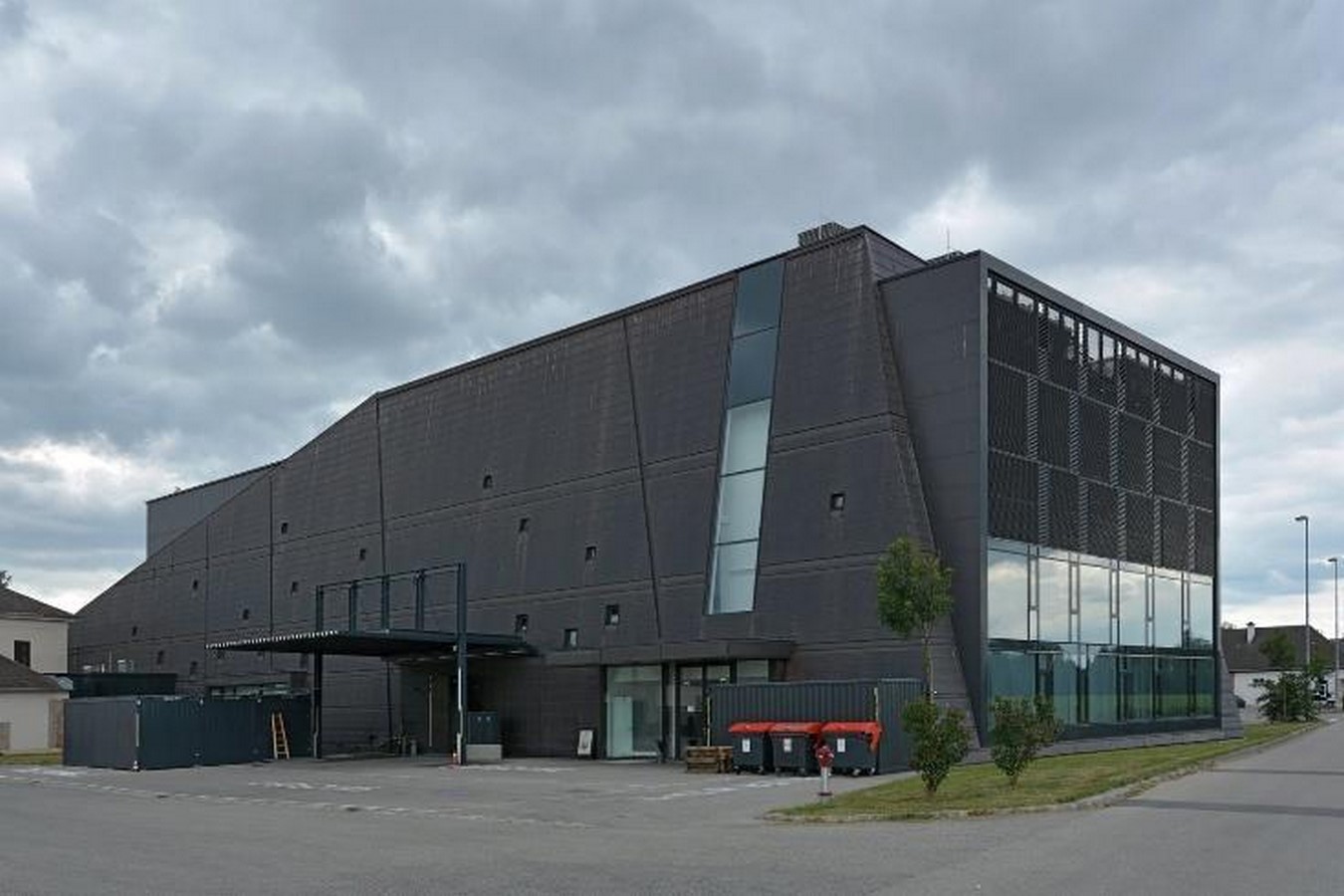
Located in Vienna, Austria, this concert hall sits on the grounds of the Grafenegg Castle. It used copper and glass as the main materials, thus having a contemporary language contrast with the historic architectural style and materials. The architects chose copper panels as the main façade material so that over time, it develops a patina and matches that of the copper elements in the castle around it. This project is an example of a brown copper patina instead of the typical green.
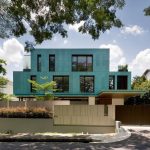
- The Green House
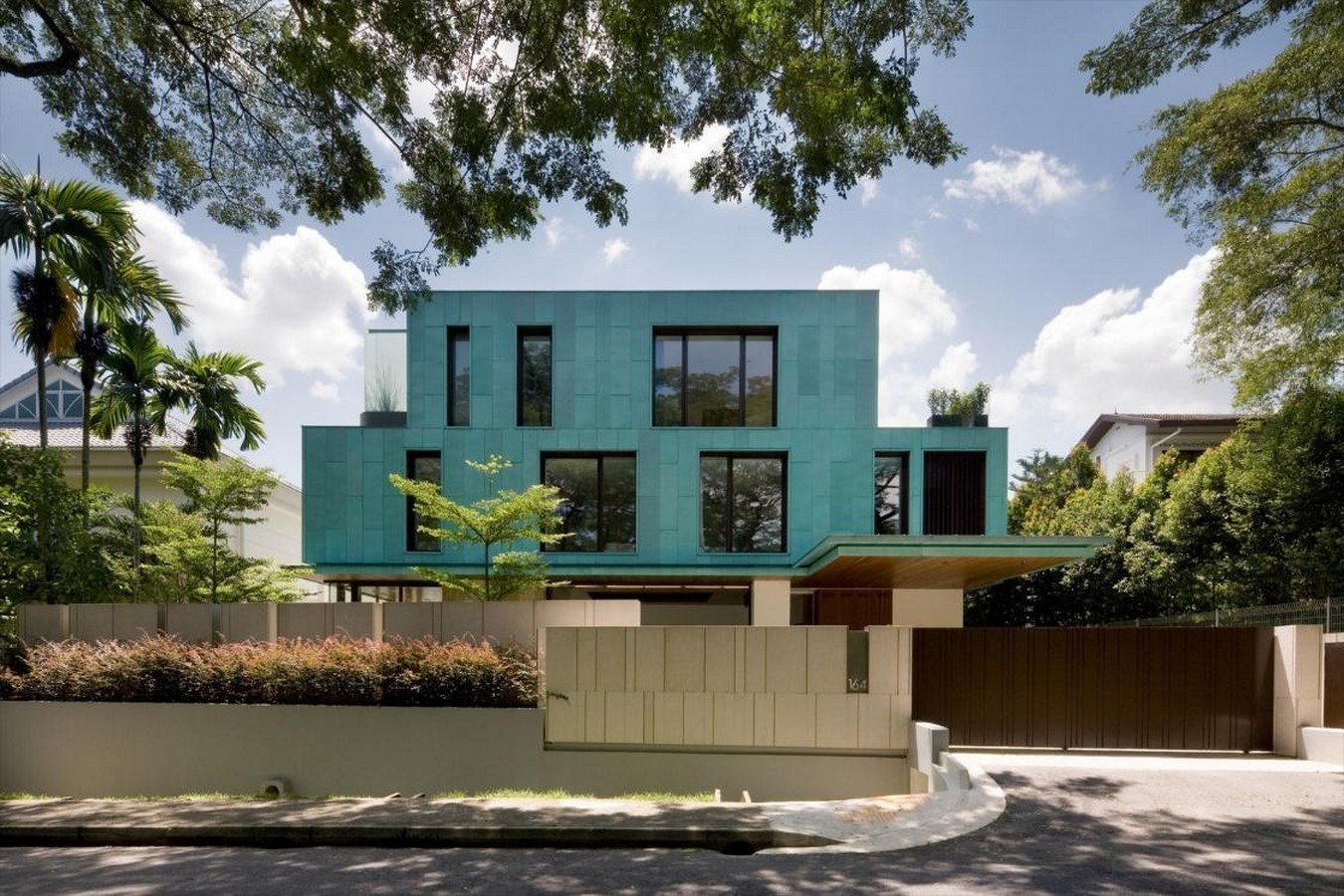
The Green House is located in Singapore and designed by K2LD Architects. Copper patina panels are used throughout the entire exterior of the house. The green hue of the panels reflects the lush greenery in the neighbourhood in which the house is located. It also acts as a heat barrier and reduces the overall energy consumption within the house.
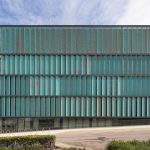
- New Science Building in Hertfordshire Complex
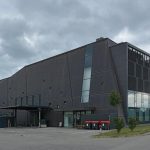
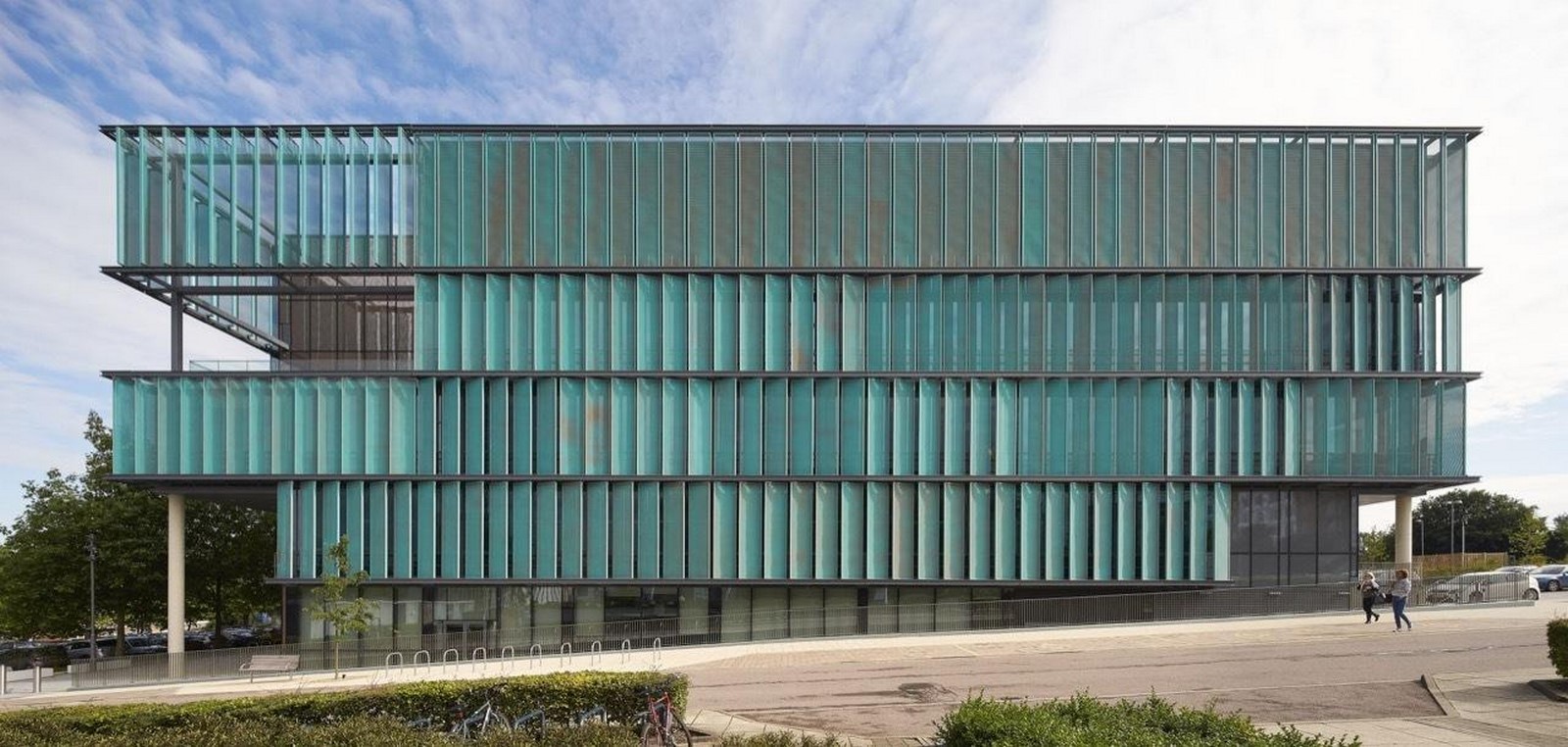
The New Science Building is a laboratory block that was designed by Sheppard Robson. The façade consists of perforated and patinated copper panels arranged as fins. These fins allow for shading from harsh sunlight but not compromising on the natural light within the space. The fins also change direction based on the requirements within each internal lab space. The ambition and goals of the university are reflected in the bold green façade of the building and stands out. It symbolises the university’s push towards the future.
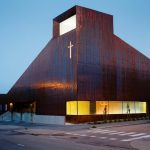
- Suvela Chapel
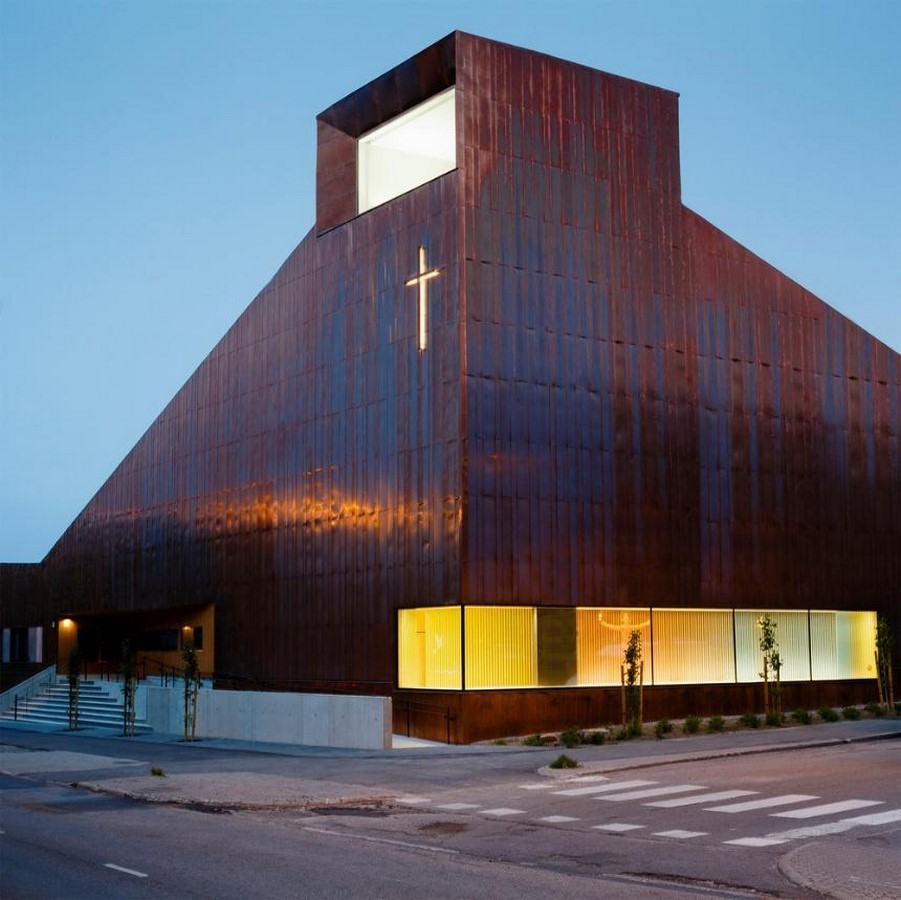
The Suvela Chapel, located in Espoo, Finland was designed by OOPEAA. The church forms a landmark in its location. The neighbourhood is multicultural and hence, the idea was to create a community centre that encourages people from all walks of life to come together. The main element is again, patinated copper panels, which in this case, develop a brown hue instead of green. Copper panels were chosen as they are highly recyclable and hence environmentally sustainable.
Copper patina overall, is a very versatile material that has been used throughout numerous architectural projects for various reasons such as strength, durability, aesthetics and environmental considerations.
References:
Ryan M Grambart (September 19th 2016). Copper Patina Guide. [online]. https://www.worldcoppersmith.com/articles/copper-patina-guide/ [Accessed: 2nd July 2024]
Wikipedia. Patina [online]. Available at: https://en.wikipedia.org/wiki/Patina [Accessed: 10th June 2025]
Philip Stevens (15th September 2015) copper clad wing expands ohio’s columbus museum of art . [online]. Available at: https://www.designboom.com/architecture/columbus-museum-of-art-ohio-michael-bongiorno-designgroup-09-15-2015/ [Accessed: 16th September 2015]
Devang Nishar. The Genevieve and Wayne Gratz Center at Fourth Presbyterian Church by Gensler [online]. Available at: https://www.re-thinkingthefuture.com/case-studies/a8764-the-genevieve-and-wayne-gratz-center-at-fourth-presbyterian-church-by-gensler/
Archdaily (27th November 2014) GCP House / Bernardes Aquitetura. [online]. Available at: https://www.archdaily.com/571645/gcp-house-bernardes-arquitetura [Accessed: 15th June 2025]
Archdaily (26th January 2010) Memory Museum / Mario Figueroa + Carlos Dias + Lucas Fehr. [online]. Available at: https://www.archdaily.com/47720/memory-museum-estudio-america [Accessed: 15th June 2025]
Schröder Schulte Ladbeck | Dieter Irresberger. Grafenegg Music Hall. [online]. Available at: https://www.archiweb.cz/b/grafenegg-auditorium
Archdaily (6th June 2013) The Green House / K2LD Architects. [online]. Available at: https://www.archdaily.com/382609/the-green-house-k2ld-architects [Accessed: 15th June 2025]
Archdaily (10th November 2016) New Science Building / Sheppard Robson. [online]. Available at: https://www.archdaily.com/797482/new-science-building-sheppard-robson?ad_medium=gallery [Accessed: 15th June 2025]
Archdaily (6th January 2017) Suvela Chapel / OOPEAA. [online]. Available at: https://www.archdaily.com/802966/suvela-chapel-oopeaa [Accessed: 15th June 2025]