Hot to Cold: An Odyssey of Architectural Adaptation is more than a monograph; it is a vivid exploration of how architecture evolves in response to climate, culture, and human necessity. Created by BIG (Bjarke Ingels Group), the book presents 60 projects arranged along an environmental gradient, from the hottest locations on Earth to the coldest. This inverted journey acts as a conceptual parameter for understanding how architecture transforms when placed under different social, geographic, and climatic pressures. The format, reminiscent of a global field notebook, illustrates buildings not as static entities but as flexible systems shaped by context. BIG is known for its philosophy of “pragmatic utopianism,” and this book is a visual manifesto of that ideology. The pages thrive with diagrams, models, sectional studies, and pop-culture-infused illustrations, offering readers an accessible yet profound window into the firm’s process. While the book is visually rich, it is also intellectually grounded, presenting architecture as an adaptable organism that must perform differently depending on where it lands. Bjarke Ingels himself writes, “The harshest climates are where architecture becomes the most ingenious.” This book celebrates that inventiveness while urging readers to consider how design might evolve in an era of extreme climates, resource scarcity, and shifting cultural identities.

Architecture as Environmental Adaptation
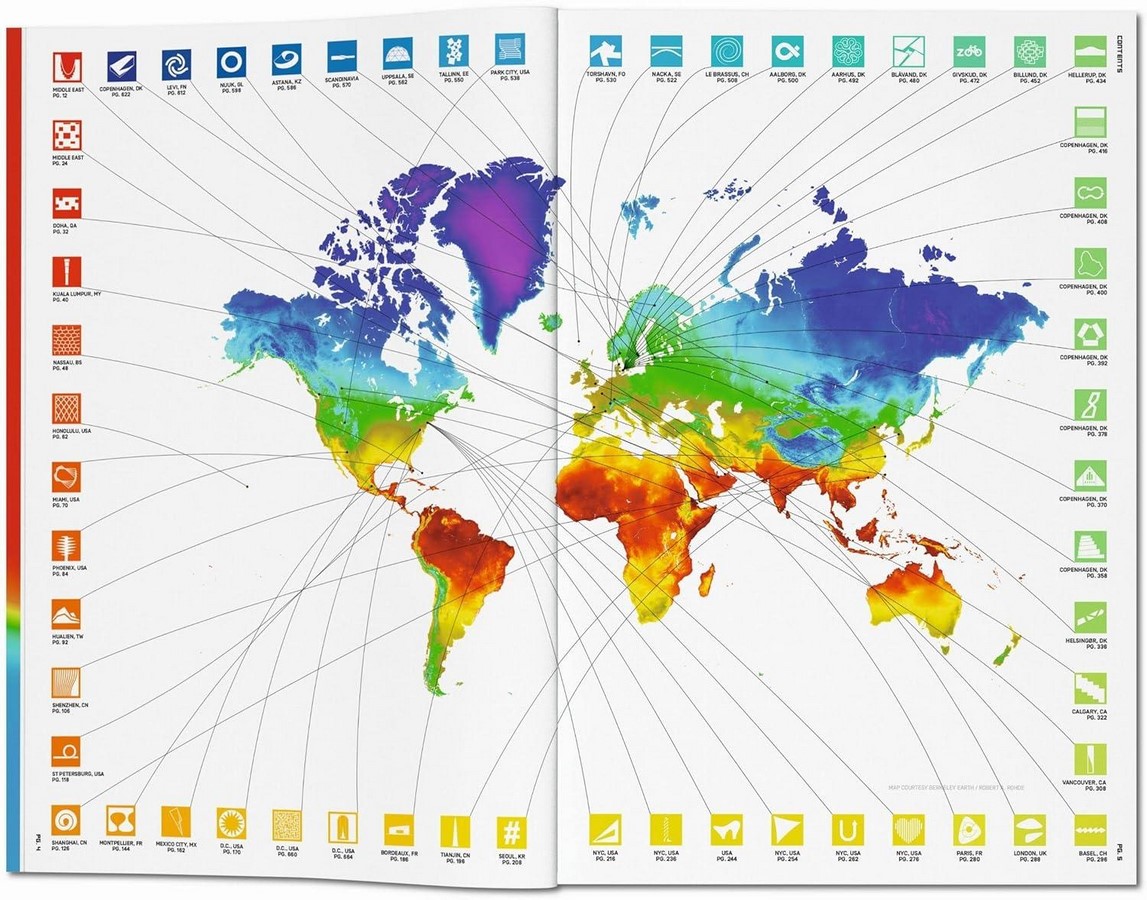
One of the central themes of Hot to Cold is that climate is not a constraint but a generator of possibility. Each project in the book demonstrates how architecture can adapt, sometimes radically, to solar exposure, topography, humidity, monsoon patterns, extreme cold, or high-density urbanism. Rather than relying on technological fixes, many of BIG’s solutions draw on passive systems, spatial logic, and cultural vernaculars. For example, projects based in the Middle East adopt deep shading, aerodynamic geometry, and porous envelopes to reduce heat gain. Meanwhile, projects in Nordic countries explore insulated forms, daylight-maximising strategies, and convivial public interiors that support community during long winters. These case studies highlight a key BIG belief: sustainability is not an optional layer added at the end of a project but an integrated design driver. Hot to Cold succeeds in reframing environmental extremes not as barriers but as catalysts for more daring architectural imagination.
The BIG Philosophy: Pragmatic Utopianism
BIG’s design ethos: “pragmatic utopianism”, forms the intellectual backbone of the book. This philosophy advocates for architecture that is visionary yet buildable, experimental yet grounded in real-world constraints. In Hot to Cold, this approach is illustrated through diagrams that break down complex forms into clear, sequential logic: fold, twist, stack, rotate, carve, lift. Rather than presenting architecture as a heroic artistic gesture, the book emphasises process, adaptability, and user experience. A skyscraper bends to preserve views; a museum lifts to create urban public space beneath; a power plant becomes a ski slope to give the city a new recreational landscape. This intersection of pleasure, performance, and social engagement is quintessential BIG. Throughout the book, a balance between technical depth with playful narratives is evident. Yet this approach has also drawn criticism, with some architects arguing that BIG’s optimism can at times override deeper structural or social issues. Still, Hot to Cold positions BIG as a firm determined to blend joy, purpose, and practicality. It is a rare combination that has reshaped global architectural discourse.
From Icons to Infrastructures: BIG’s Global Influence
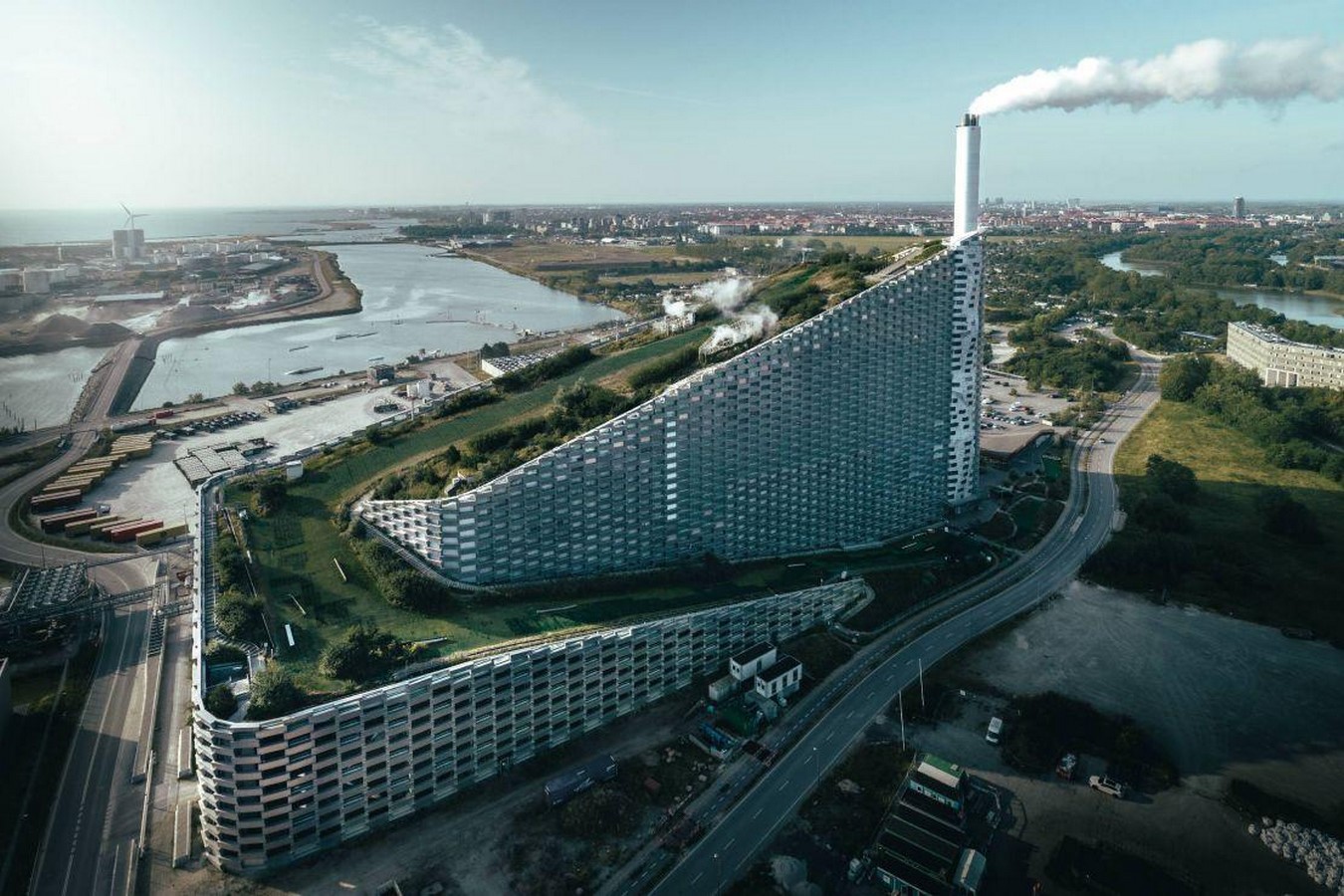
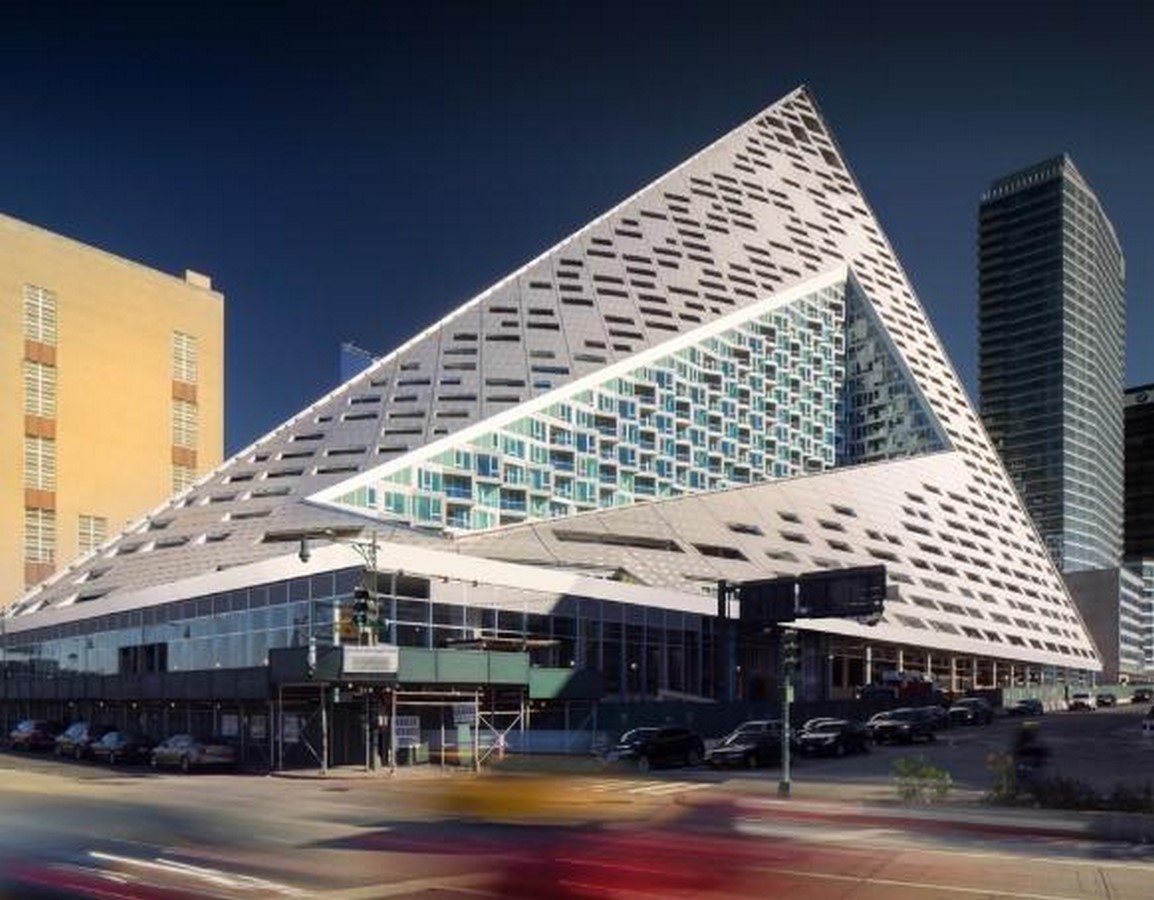
Beyond climate-driven design, the book showcases BIG’s capacity to operate across diverse scales, from micro-housing prototypes to national museums and urban masterplans. This wide-ranging portfolio underscores the firm’s belief that design innovation is not scale-dependent; small projects can be experimental laboratories, and large ones can be catalysts for civic transformation. The book documents built and unbuilt works across 60 cities, offering a comparative lens into how architecture responds to political systems, community dynamics, and local economies. For example, the Copenhagen Waste-to-Energy Plant (Copen Hill) challenges conventional infrastructure by merging public recreation with industrial utility. Meanwhile, the VIA 57 West tetrahedral tower in New York redefines residential typology by blending a courtyard building with a skyscraper form. These projects demonstrate BIG’s global impact, influencing how cities imagine hybrid typologies and multifunctional spaces. While some critics argue that BIG’s global expansion risks homogenising design language, Hot to Cold shows a consistent effort to extract and reinterpret local cultural DNA, lending each project a contextual identity.
Illustrative Example: The Mountain as Climate-Responsive Urbanism
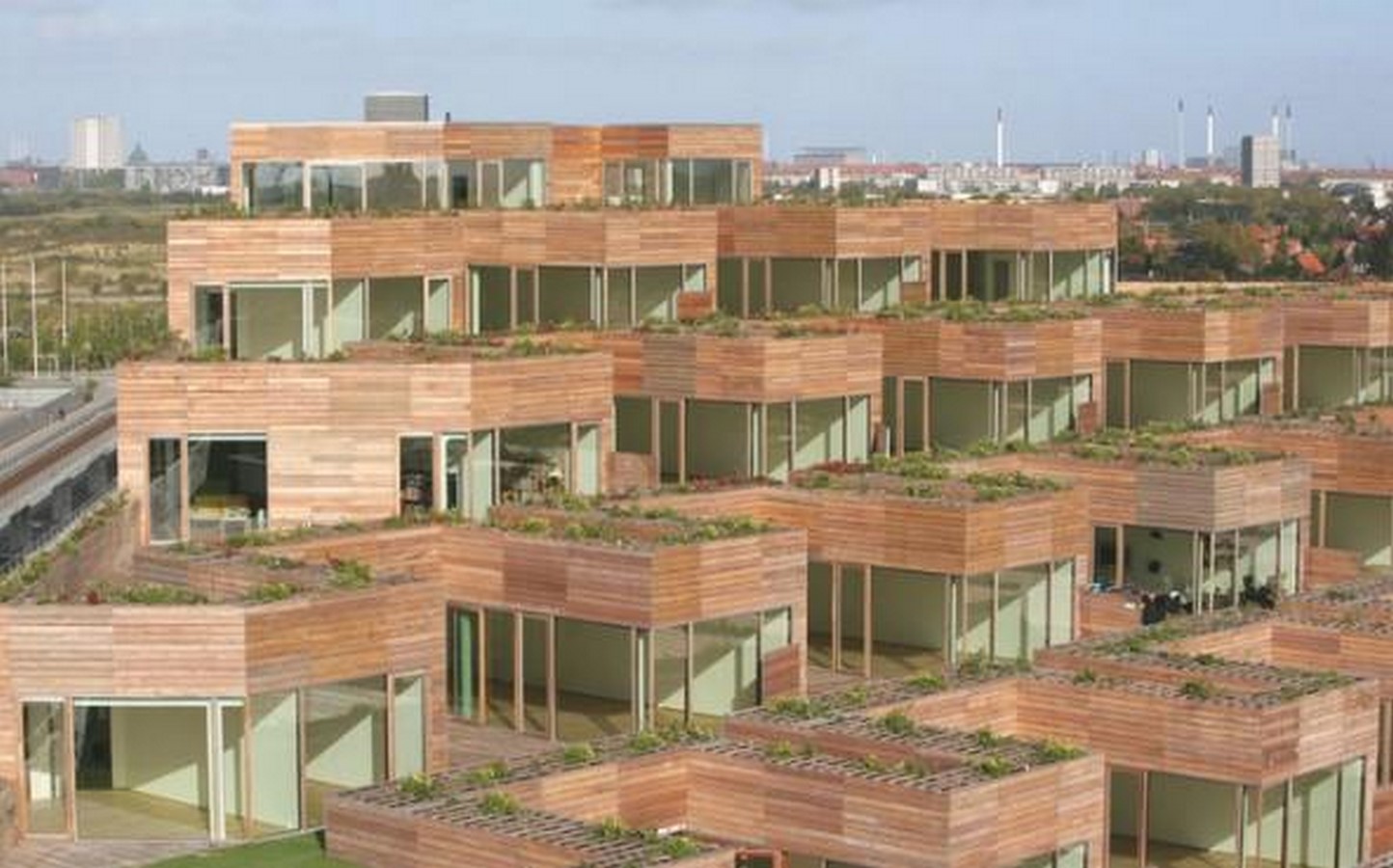
Featured prominently in “Hot to Cold,” this residential project seamlessly blends architecture, landscape, and ecological thinking into a hybrid form: a terraced mountain filled with stepped housing units built atop a multi-level parking facility. The design cleverly solves two problems: urban density and parking demand, while creating an elevated green neighbourhood. Each apartment receives generous sunlight, unobstructed views, and direct outdoor access; such features are rarely associated with dense urban housing. The cascading terraces form a continuous slope of private gardens connected visually, creating a vertical suburb within the city. The project embodies BIG’s philosophy of using the simple logic of stacking and shifting to produce unexpected experiential richness. By spotlighting The Mountain, Hot to Cold demonstrates how unconventional thinking can reconcile environmental performance, human comfort, and bold aesthetics.
Hot to Cold is a study in how architecture behaves when confronted with extremes. Through 60 projects, BIG articulates a vision in which climate, culture, and technology co-produce form. The book stands out for its clarity of diagrams, boldness of ideas, and willingness to rethink typology as a flexible organism. It invites readers, including students, practitioners, and policymakers, to reconsider how design decisions ripple across ecological and social landscapes. What makes the book compelling is its narrative structure: heat to cold, chaos to clarity, constraint to opportunity. It reflects Bjarke Ingels’ belief that architecture should not simply solve problems but expand possibilities. While critiques of BIG’s optimism and spectacle-driven approach persist, the book convincingly showcases how imaginative reasoning can lead to tangible innovation. Hot to Cold succeeds as both an educational tool and an inspirational manifesto. It presents architecture as a creative negotiation with the world’s most pressing realities. Whether or not one aligns with BIG’s philosophy, the book undeniably enriches the architectural conversation, demonstrating that adaptation is the true engine of future design.