For over a century, cement has led the construction industry as the foundation of modern development. However, as environmental issues grow and architects look for more sustainable options, a new wave of alternative materials is challenging cement’s long-standing dominance. Materials such as engineered timber, rammed earth, bamboo, and recycled composites are not just replacing cement; they are changing how we build, save energy, and connect with our environment. This article investigates whether alternative materials are genuinely surpassing cement and looks at their effect on the future of architectural practices.
The Environmental Imperative Behind Change
Cement production is responsible for nearly 8% of global carbon emissions. This makes it one of the most polluting industrial processes in the world. This situation has prompted a major shift in architectural thinking. As countries aim for lower carbon footprints, alternative materials are gaining attention. These materials have a reduced environmental impact, are renewable, and have low embodied energy.
Mass Timber: The Leading Contender
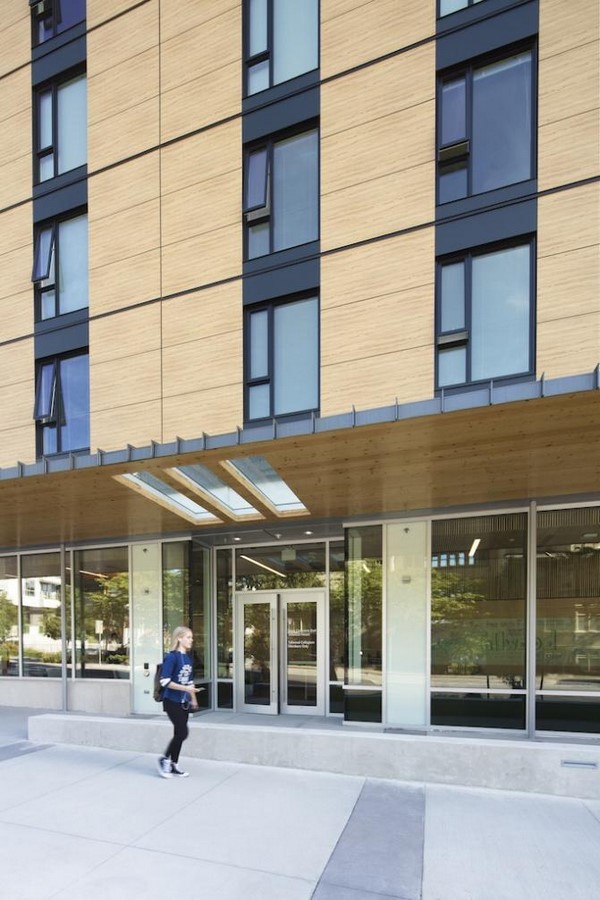
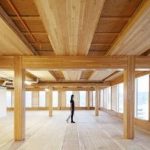
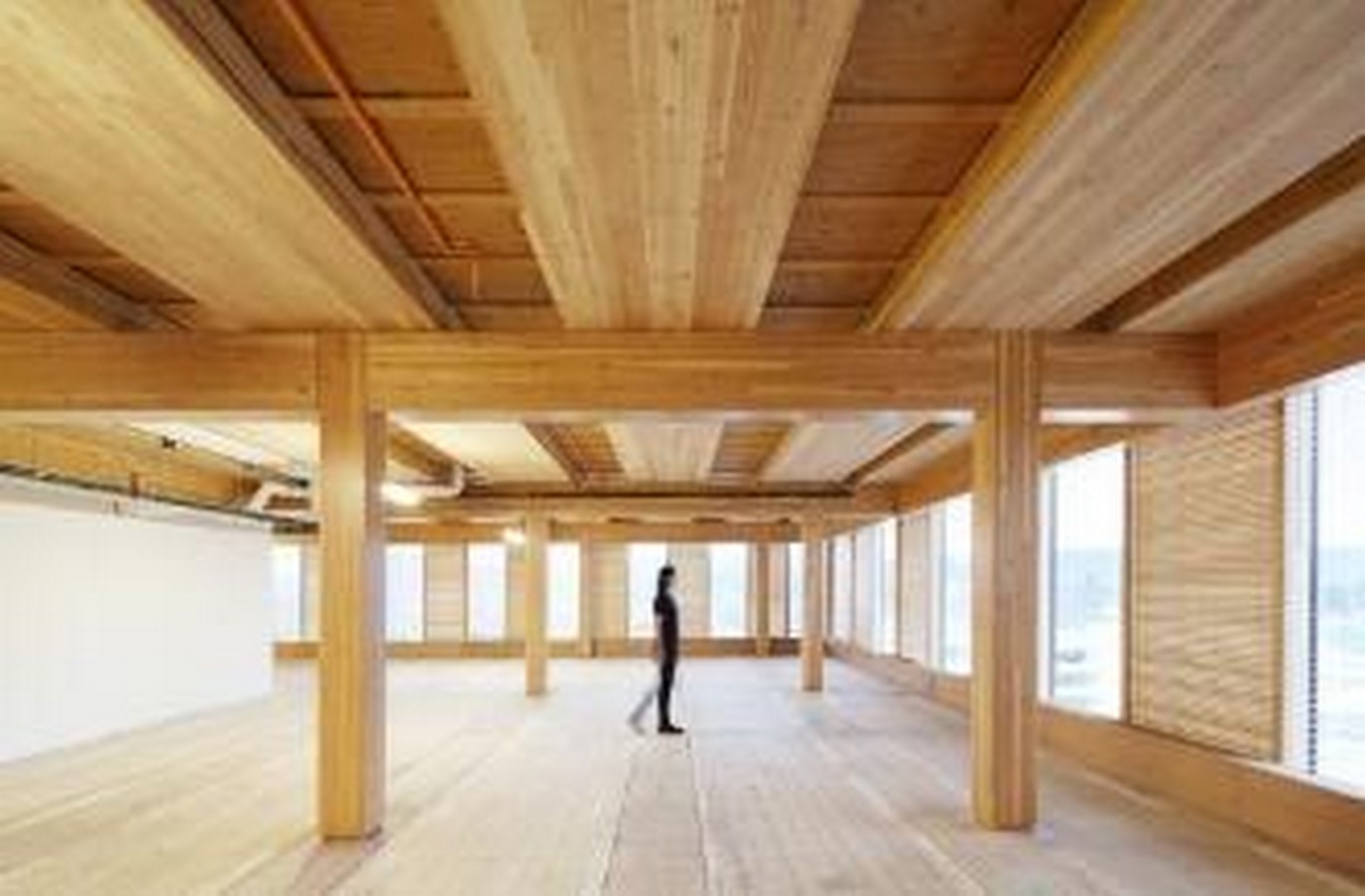
Mass timber, CLT (Cross-Laminated Timber), GLT (Glue-Laminated Timber), and LVL (Laminated Veneer Lumber), has emerged as one of the most promising alternatives. Its structural strength, fire resistance, and ability to store carbon make it a strong competitor to cement-based systems
- Lightweight yet strong
- Quick construction and precise manufacturing
- Warm, natural look that attracts occupants much lower embodied carbon.
Countries like Austria, Canada, and Japan are already leading the way in high-rise timber architecture. They are building structures that reach heights previously thought impossible for wood.
Rammed Earth: Ancient Material, Modern Revival
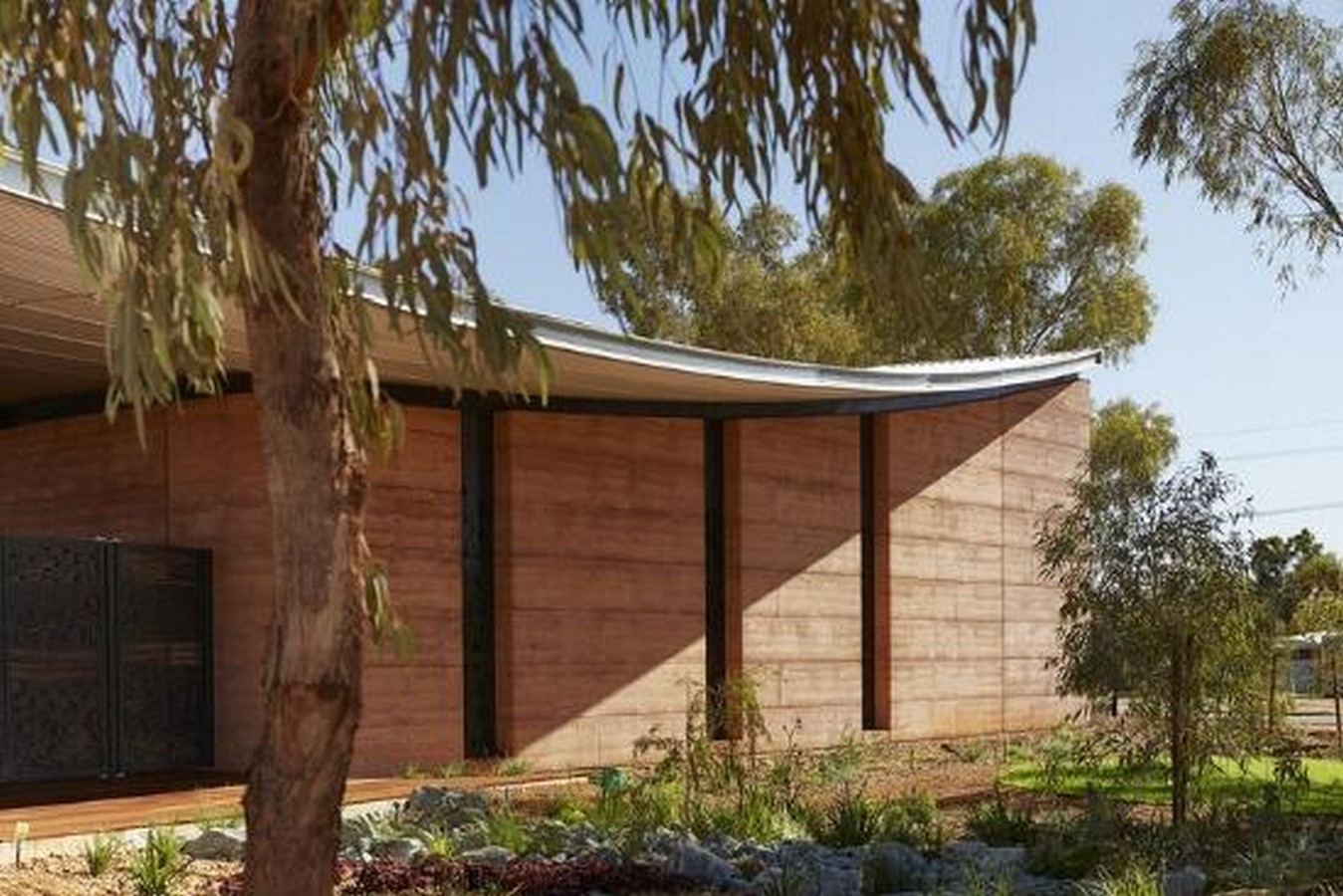
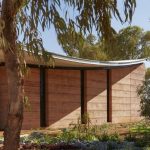
Rammed earth is an ancient technique that has become popular again because it requires little processing, provides thermal mass, and has natural beauty. Modern projects have modified this method by using stabilizers like lime, which offers a more sustainable option compared to traditional cement walls. Benefits include:
- Excellent insulation and thermal comfort
- Low embodied carbon
- Local material sourcing
- Natural aesthetic that blends with the landscape
Rammed earth projects in Australia, India, and China show how this centuries-old method is being enhanced through modern engineering.
Bamboo: Nature’s High-Performance Composite

Bamboo’s tensile strength is comparable to steel. This makes it a suitable structural material in certain situations. In countries like Indonesia, Vietnam, and India, architects are using engineered bamboo for pavilions, schools, and community buildings. Reasons why bamboo is unique:
- It grows quickly and regenerates naturally.
- It has a high strength-to-weight ratio.
- It is flexible and can withstand earthquakes.
- It is biodegradable and renewable.
- Its natural shape also offers an architectural quality that typical cement structures often do not have.
Recycled and Bio-Based Materials: The Future of Circular Construction
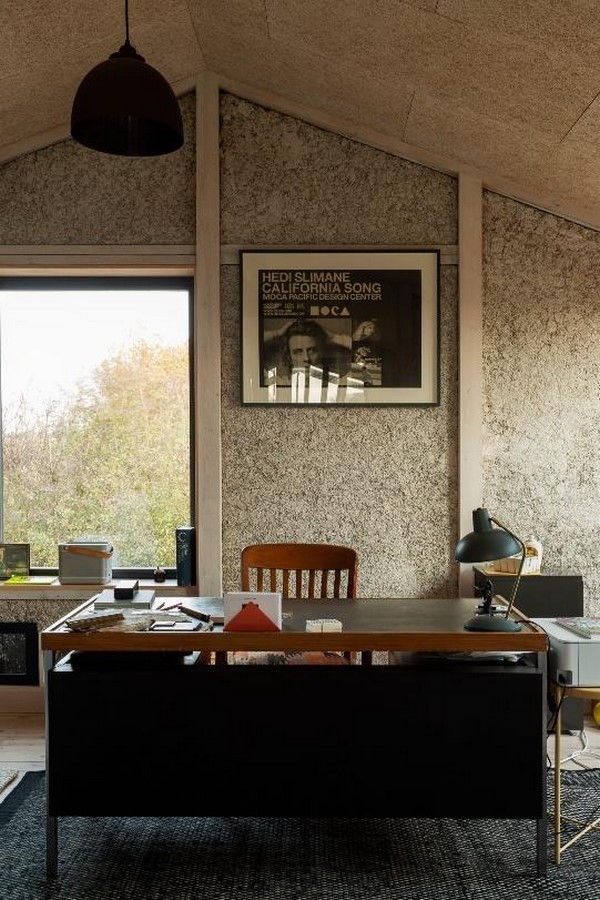
Innovations in recycled plastics, agricultural waste panels, mycelium bricks, and hempcrete present fresh opportunities for low-carbon building envelopes. These materials not only divert waste from landfills but also introduce new aesthetics and performance qualities.
Hempcrete, made from hemp fibres and lime, offers:
- Breathability
- Excellent acoustic comfort
- Fire resistance
- Lower environmental impact than cement-based concrete
Similarly, mycelium composites are biodegradable, lightweight, and naturally insulating—ideal for interior panels and temporary structures.
Is Cement Being Replaced? A Balanced Perspective
Despite the success of alternative materials, cement remains essential for large-scale infrastructure—bridges, dams, high-rise foundations, and heavy-load structures. Alternative materials are not about eliminating cement entirely but reducing its dominance in areas where greener options are viable.
The real question is not whether alternative materials will win, but how architects can intelligently integrate them to reduce carbon impact while maintaining strength, safety, and cost-efficiency.
Alternative materials are undeniably reshaping architectural practice. Their rise reflects a growing consciousness about climate responsibility, material innovation, and traditional techniques revived through modern technology. While cement continues to play a crucial role in global development, the future of construction increasingly leans towards hybrid material systems where sustainable alternatives are prioritised. In this evolving landscape, architects hold the power to redefine how buildings interact with the planet—ensuring that progress does not come at the cost of ecological balance.