Seasonal energy costs place ongoing pressure on homeowners, especially as temperatures fluctuate throughout the year. Innovative insulation strategies no longer rely solely on wall cavities and roof spaces. Exterior and interior shading solutions now play a significant role in controlling indoor comfort and reducing heating and cooling expenses. When thoughtfully combined, awnings and curtains create a layered insulation system that works year-round. From reducing summer heat gain to retaining warmth during colder months, this practical checklist explains how these elements work together and why homeowners across Australian markets are increasingly adopting coordinated shading solutions for long-term savings.
Understanding heat transfer in the home
Heat enters and exits a home primarily through windows. During summer, sunlight passing through glass raises indoor temperatures, forcing cooling systems to work harder. In winter, the same glass allows warm air to escape, increasing heating demand. Addressing both external and internal exposure is essential for consistent energy efficiency. Awnings and curtains target these challenges at different stages of heat transfer, making them more effective together than when used separately.
How awnings reduce external heat exposure
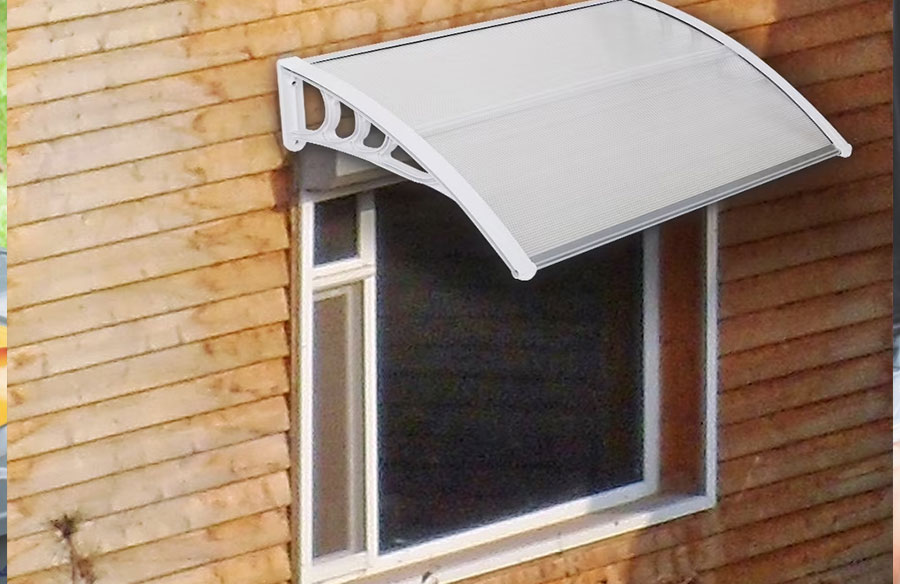
Awnings act as the first line of defense by blocking direct sunlight before it reaches the window. By shading glass surfaces, awnings significantly reduce solar heat gain during warmer months. This results in cooler indoor spaces and less reliance on air conditioning. Adjustable and motorized retractable awnings offer added flexibility, allowing homeowners to extend shade during peak sun hours and retract it when natural light or warmth is desired. In climates common across awnings Australia, this adaptability supports comfort across changing seasons.
The insulating role of curtains indoors
Curtains work from the inside by creating a thermal barrier between the window and the living space. In summer, heavy or lined curtains prevent residual heat from entering the room. In winter, they trap warm air indoors by reducing drafts and heat loss through glass. Properly fitted curtains that extend beyond window frames deliver better insulation and improve temperature stability throughout the home.
Why combining awnings and curtains works best
Using awnings and curtains together creates a layered insulation effect. Awnings prevent excessive heat from penetrating the glass, while curtains manage any remaining heat transfer indoors. This combination reduces energy consumption more effectively than either solution alone. Homes equipped with motorized retractable awnings and well-chosen curtains often experience more consistent indoor temperatures and improved comfort across living spaces.
Seasonal checklist for maximum efficiency
During summer, extend awnings during daylight hours and use light-colored curtains to reflect heat. In winter, retract awnings to allow sunlight to naturally warm interiors, then close curtains in the evening to retain heat. Regularly inspect both systems to ensure proper fit and operation, and maintain performance. Homeowners exploring awnings Australia options should also consider orientation, window size, and fabric performance ratings when selecting products.
A more innovative approach to year-round savings
Awnings and curtains are no longer decorative extras. They are functional insulation tools that support energy efficiency and long-term cost control. When used together, they form a reliable seasonal strategy that adapts to changing weather conditions. By investing in high-quality window shading solutions and strategically using motorized retractable awnings, homeowners can improve comfort, reduce energy bills, and create a more efficient home environment year-round.