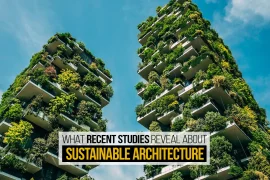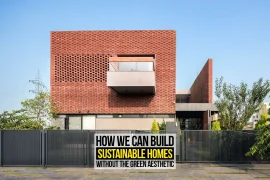
Architecture significantly consumes resources and pollutes the environment, leading to the degradation of Earth’s ecosystems. Combined with other environmental stressors, this jeopardizes the future habitability of our planet. Therefore, it is of immediate need to adopt sustainable practices that ensure long-term productivity while minimizing environmental impact. Sustainable architecture goes beyond mere functionality, embracing ecological responsibility. Adaptive reuse is aimed at achieving genuine sustainability by drawing inspiration from nature’s regenerative solutions.
Circular economy and Adaptive Reuse
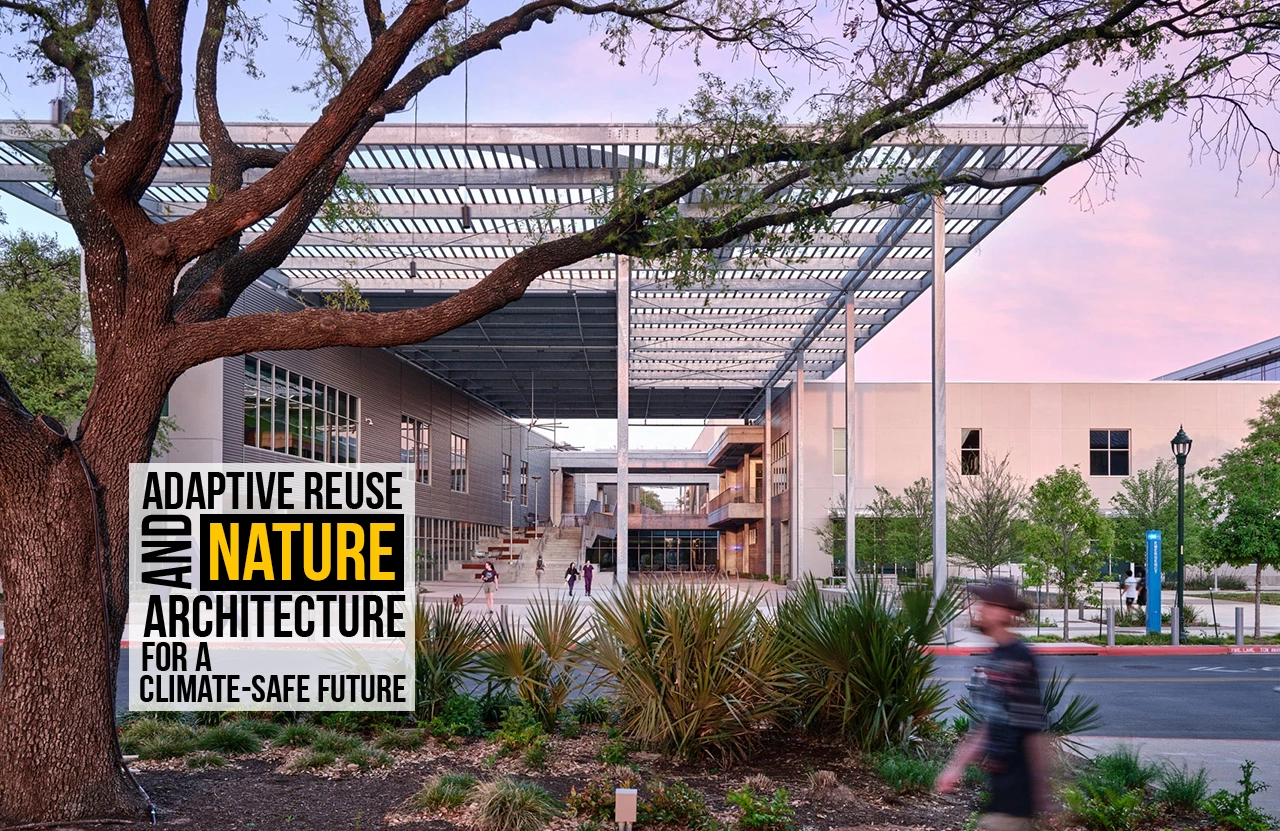
While climate change has become one of the greatest challenges facing our generation, architecture is adapting in a very integral direction: not to repeatedly construct something new but to work with what does exist. It involves a complete cycle of understanding building materials their life cycle analysis and putting them to use in buildings. The approach is termed adaptive reuse, and it feels both practical and poetic: protecting resources, reducing waste, and respecting the stories already within a place. But today, adaptive reuse is going even further. Adaptive reuse could be the bridge between architecture and nature. In a world that is increasingly adapting to climate change and unpredictability buildings taht incorporate green systems, adaptive reuse strategies and ecological analysis and implementation become shape the ecosystem
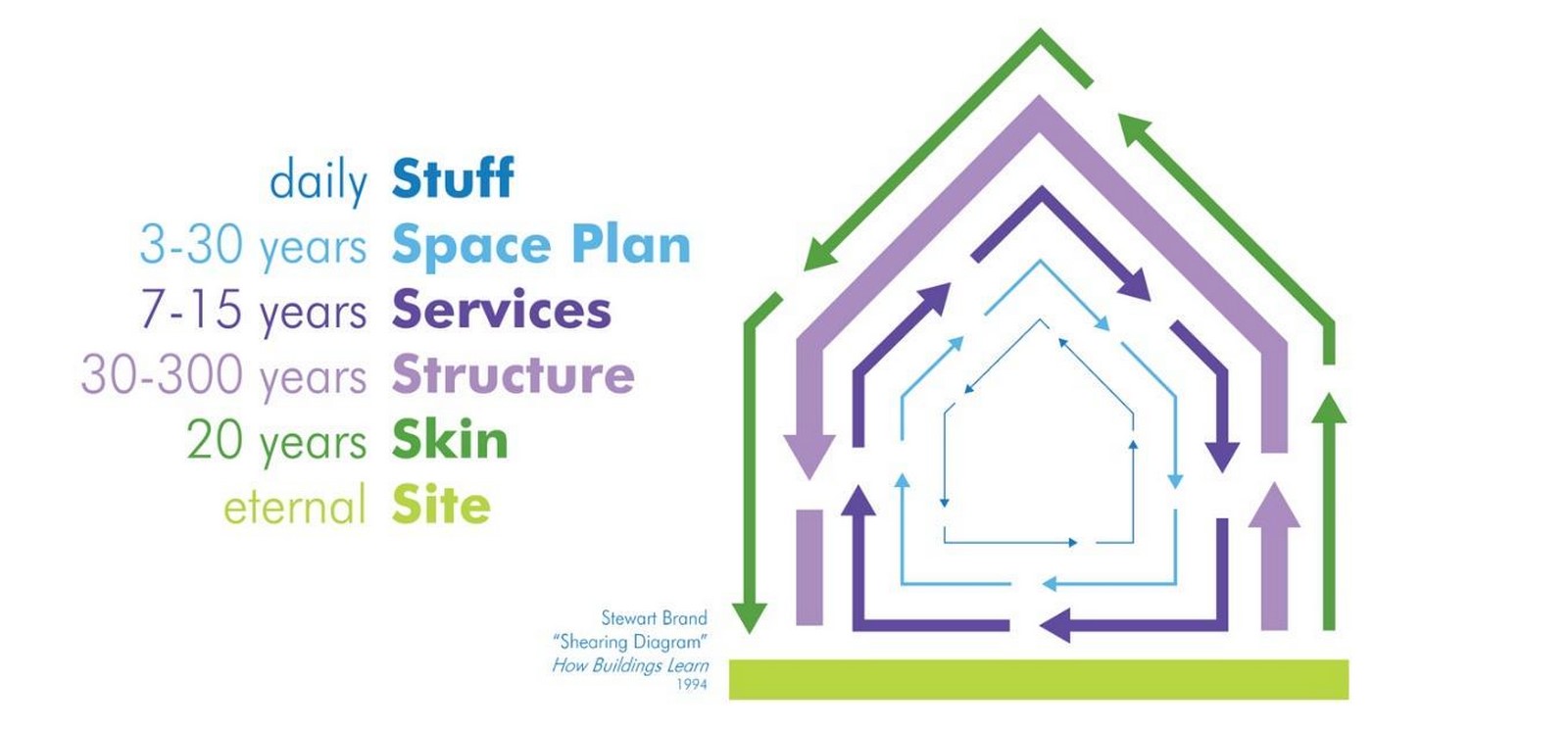
Apart from being a linear economy, the circular economy offers a development strategy with a view to sustainable growth based on reduction in resource consumption, an increase in the useful life of products, and use of over-consumption. Adaptive reuse of buildings has numerous benefits linked to it, which include resource conservation, energy efficiency, carbon emissions reduction, the advantages include the preservation of cultural heritage, saving time and money as compared to new construction. This transformation may also contribute to avoiding its premature demolition and extending the useful life of the building while playing a decisive role in climate protection. LCA is also one of the most common approaches among studies presented to evaluate the environmental impact of adaptive reuse buildings toward the circular economy.
Nature as a Co-Designer
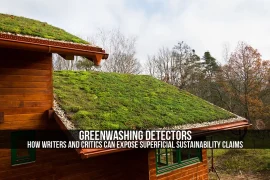
What really makes adaptive reuse exciting today is the way in which nature is being brought into the process. Most old buildings have generous walls, deep overhangs, or shaded courtyards that naturally support cooler temperatures. When these passive features are combined with greenery-like rooftop gardens, moss walls, rainwater systems, or shaded micro-forests-the building becomes even more climate-responsive. Nature softens what is harsh, cools what is heated, and brings life to structures that were once purely functional. Instead of treating nature as decoration, contemporary reuse treats it as a co-designer. This gives rise to hybrid environments wherein architecture and ecology support rather than compete against each other.
Environmental, Emotional and Economic Benefits
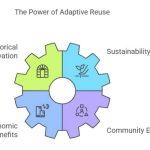
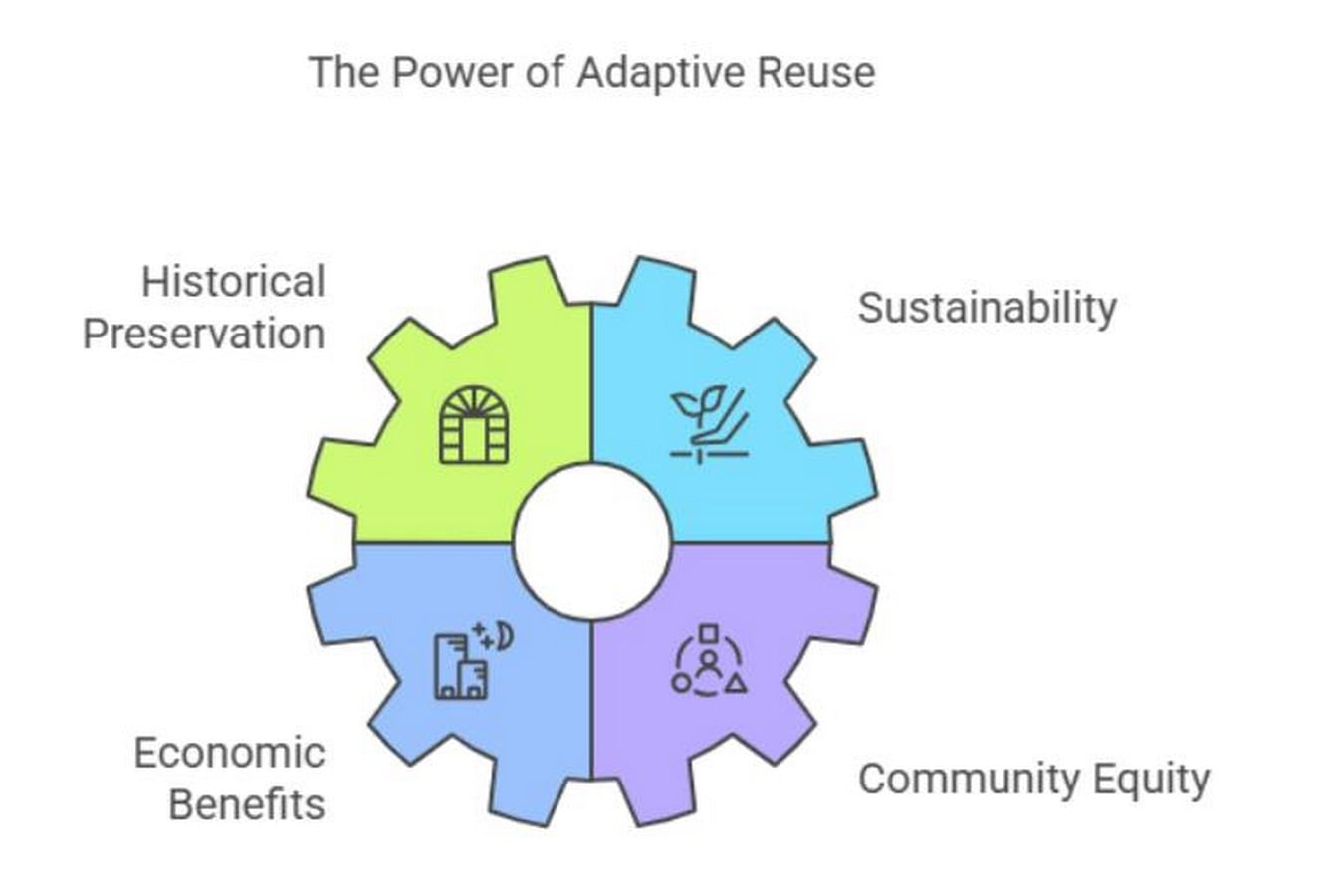
Adaptive reuse with nature has benefits that far transcend sustainability objectives some of which are listed below. Environmentally, it reduces waste, protects land from unnecessary expansion, and helps cool down cities by way of vegetation and shading. Emotionally, these spaces feel much calmer, more grounded. Nature has a quiet way of reducing stress and softening noise, improving everyday experience. When people enter a reused building that marries old brick with green plants and open air, comfort and belonging are the emotions evoked. Often it is in this emotional dimension that the true success of the project lies. Additionally, reuse projects often have lower capital costs compared to new constructions, especially in highly dense urban areas where available land is scarce. Reuse projects, particularly those situated in protected buildings, can boost local economies through tourism, appealing creative sectors, or small business incubations. By giving priority to these kinds of developments, cities may see lower infrastructure expenses and more tax revenue.
Opportunities and Hidden Challenges
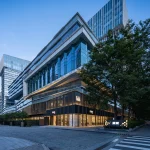
Adaptive reuse is rarely easy. The old buildings often have structural problems, outdated services, or awkward layouts. But these very problems seem to foster the most creativity. A blocked view becomes a perfect spot for a skylight. A leftover corner becomes a green pocket. A wide industrial column becomes a planting tower. Because nothing is ever fully predictable, the design process feels more like discovery than control. This gives reused buildings a uniqueness that new structures hardly ever have-they carry with them the imperfections and personality of time. Adaptive reuse is a multi-layered method that links sustainability, cultural preservation, and modern urban needs. It is more than just a design tactic. Reimagining the built environment through reuse is becoming more and more important as cities are under pressure to reduce their environmental impact while densifying. Adaptive reuse respects the historical relevance of buildings while redesigning them for modern life, allowing for continuation instead of removing aging structures.
Citations:
Vardopoulos, I. & Theodoropoulou, E., n.d. “Adaptive Reuse: An Essential Circular Economy Concept.” Available at: https://academia.edu [Accessed 9 November 2025].
Goel, V., Koshy, N.J. & Kumar, P.L., n.d. “Adaptive Architecture: Nature’s Blueprint.” Chapter 4.. Available at: https://iccaua.com [Accessed 9 November 2025].