Having thoughts on a matter is inherently subjective, especially in the world of design, where there’s rarely a clear right or wrong. But this very subjectivity often leads to sharp divides. One such divide asks: Is the language architects use actually getting in the way of architecture being understood by the people it’s meant for? Is an architect’s vocabulary, which is crafted to impress peers and professors, unintentionally silencing the story architecture wants to tell the masses?
Architecture may be designed for people, but it often forgets how to talk to them.
It Starts in the Studio
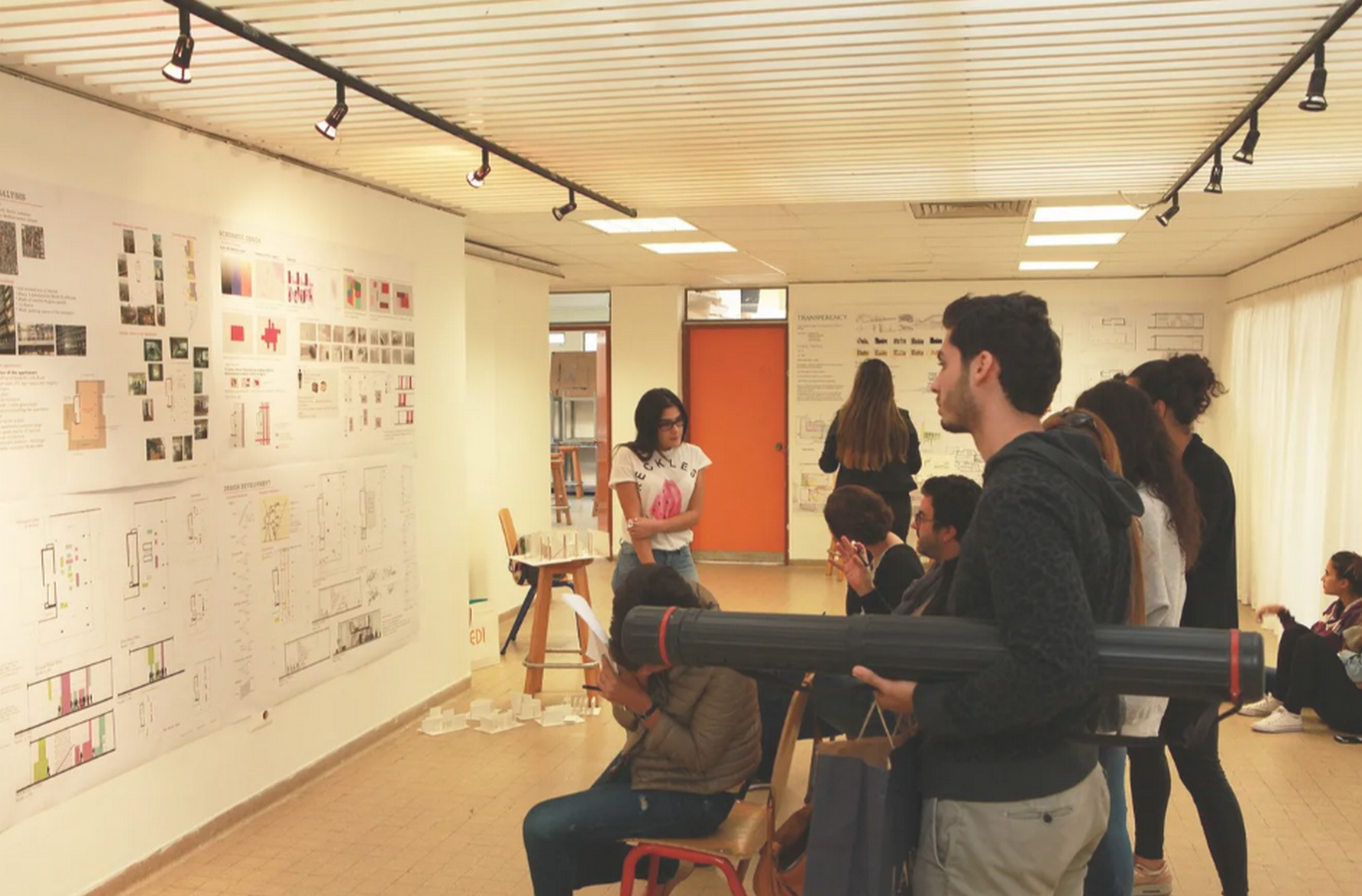
The first time a student presented to their jury, it was on a kiosk design. They were asked, “What was the design intent behind your design?” While the question sought the simple intention behind the design, the students found themselves elaborating and embellishing it to gain the jury’s approval. This is not unusual in Architectural communication.
From day one, architecture school rewards fluency in the language of abstraction. It might sound a little harsh, but students often use fancy words to embellish their design elucidation.
“Conceptual clarity” is praised, but only if it’s wrapped in terms like tectonic shifts, fluidity, or dialectical thresholds.
What’s being tested isn’t just design, it’s how well you can perform the role of an architect. Performance demands a script.
And contrarily, people do argue that architecture is a specialist subject with deep culture, long history, involved technologies, and complex politics. Of course, it needs a specific type of language to talk about it. This opinion is completely valid; a large mass of people share it, but architects design for the world, for the community, for the people, people for whom the story is written. It’s up for consideration.
Who Are We Talking To?
One of the most repeated defences of architectural language is that every profession has its jargon. That’s true. But what makes architecture different is its direct impact on public life.
A doctor doesn’t explain a diagnosis using medical jargon, at least not to the patient. Instead, they translate complex information into something clear, accessible, and human. Why? Because they deal with public life, and clarity can mean comfort, trust, even survival.
Architects, too, design for people, not only for critics, journals, or juries. Their stories, spaces, and decisions all touch everyday life. So why shouldn’t their language do the same? Architecture deserves depth, but it also deserves to be understood. If people are expected to inhabit these ideas, they must first be able to grasp them.
Audience Awareness

The best communicators don’t speak in one voice; they adapt. They pitch their ideas differently to different people. This raises a core issue: audience awareness.
If writing for a peer-reviewed journal, technical language may be appropriate. But if publishing on Instagram or presenting to a client, that same language may become noise.
So what can change? This isn’t a battle between complexity and clarity; it’s really just about context. We don’t need to strip architecture of its richness; we just need to know when to switch gears and speak in a way that connects.
Collaboration and Communication
A good place to start is right where the language begins: architecture schools. Students spend years learning how to design, but rarely are they taught to share their designs with the masses, to share the intent behind their work. Not everyone needs to become a writer, but all need to learn how to tell a story, whether to a jury, a client, or a contractor on site.
Architects also shouldn’t be expected to do it all alone. Editors, content writers, and communication strategists can help make things clearer. The best studios don’t just design buildings; they design dialogue. That collaboration makes a difference.
Even on platforms like Instagram or LinkedIn, there’s room to rethink how architecture is explained. A single caption or post can reach more people than a published journal ever could, so why not use that space to speak with intention?
It’s not about dumbing things down; it’s about opening them up.
The idea of the solo architect-genius is long gone. Today’s best work happens in teams that cross disciplines. Writers, researchers, sociologists, and artists, when architects work with voices outside their own echo chamber, the way architecture is discussed grows richer, more grounded, and far more relatable.
In the end, good design doesn’t just deserve to be built. It deserves to be understood.
Clarity Is Not Compromise
Architecture is undeniably complex, filled with layered histories, systems, and spatial nuance. But that doesn’t mean it can’t be explained clearly. Complexity and clarity aren’t opposites; they can, and should, coexist.
Language isn’t just a supporting act. It’s how architecture steps out of the studio and into the real world. It’s how architects welcome others into their process, their vision, and the spaces they imagine for people.
Final Words: Speak Up. But Speak Clearly.
Whether presenting to a jury, pitching a client, or posting a design on Instagram, the goal is not just to sound smart; it’s to be understood. The same language does not work for everyone; it should be altered to be understood by the targeted audience.
“Because in the end, buildings don’t just mirror the vision of their designers; they echo the clarity and conviction of those who dare to speak their ideas aloud.”
References:
Feniak, H. (2023, October 24). “Architecture Has a Problem with Overusing Jargon. It’s Time to Reclaim Our Most Radical Words.” Journal. https://architizer.com/blog/inspiration/stories/architecture-overused-jargon-reclaim-our-most-radical-words/