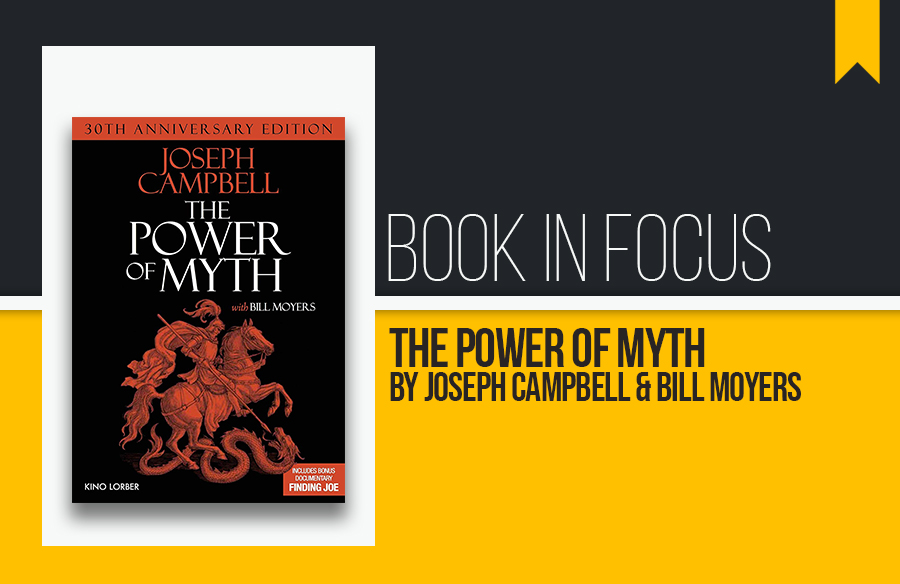
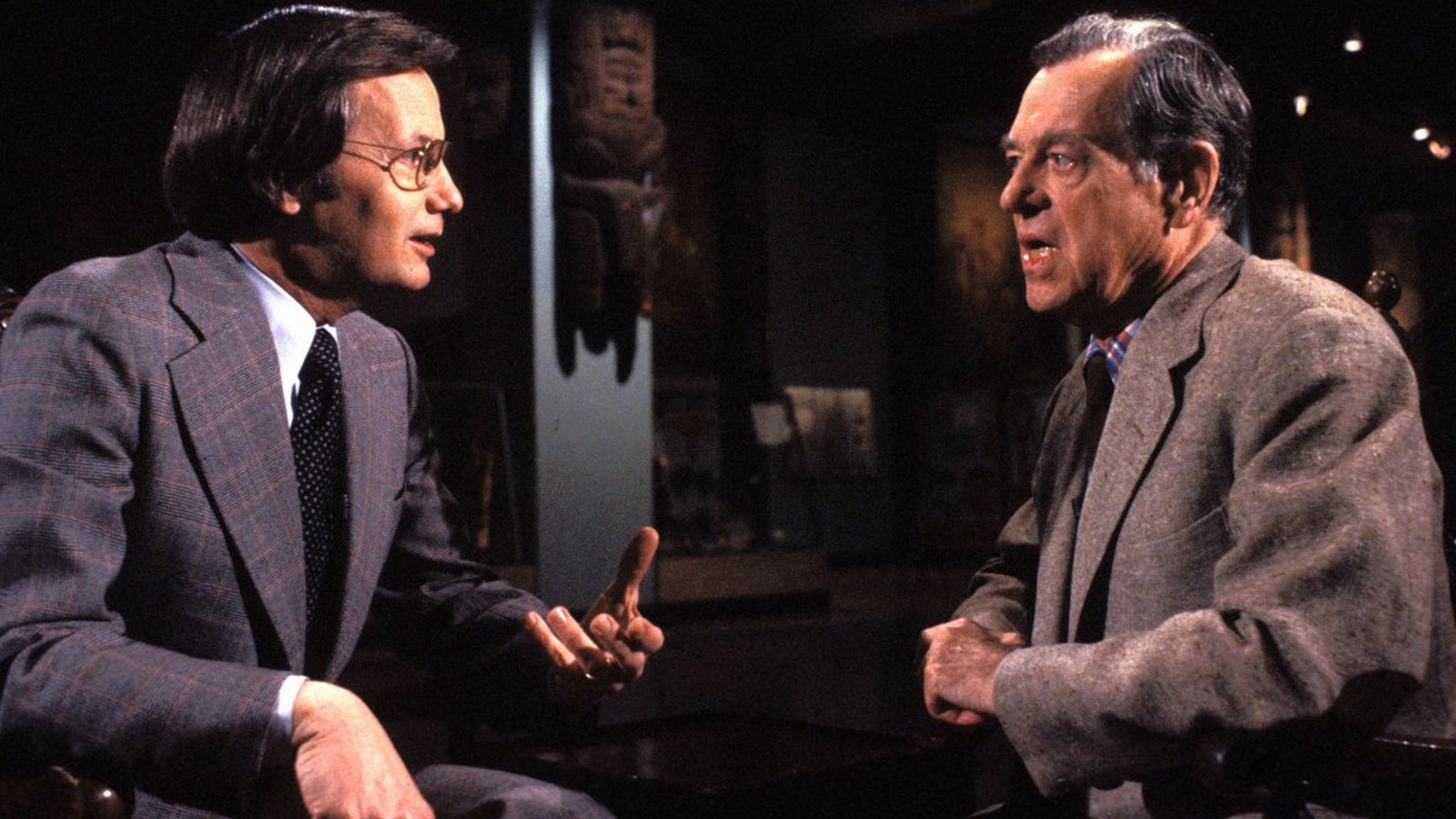
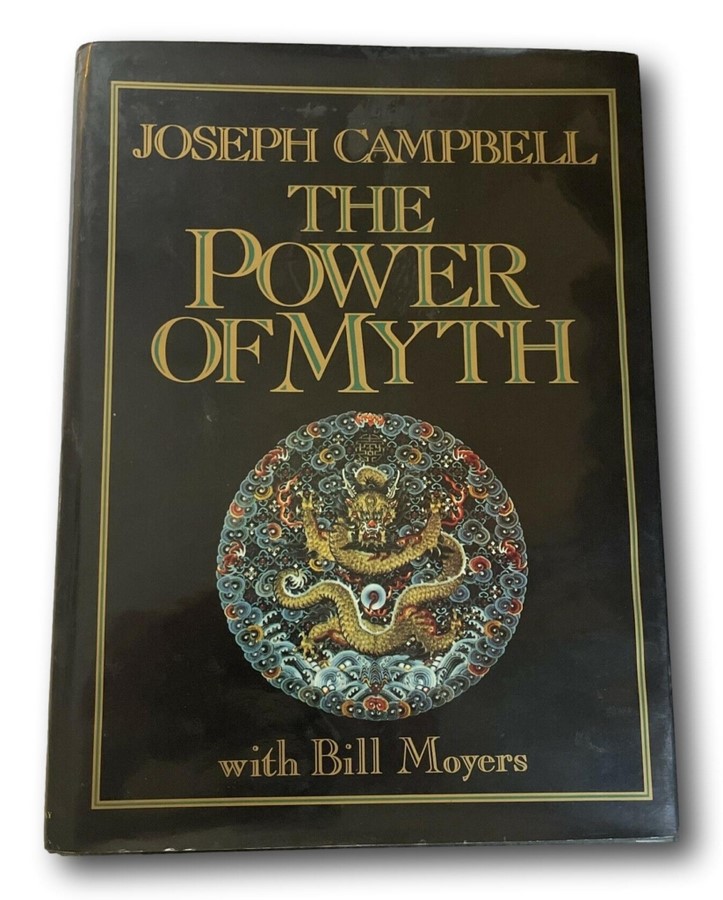
Imagine two seasoned travelers sharing stories of heroic quests and buried wisdom while gathered around a roaring campfire under the skies. From its very first chapters, The Power of Myth evokes that emotion. This work, which was first recorded as a PBS series in 1985 and released as a companion volume in 1988, documents discussions between noted mythologist Joseph Campbell, who popularized the “hero’s journey,” and Bill Moyers, the sympathetic journalist whose insightful questions direct Campbell’s observations into the accessible world. The discussion enables readers to see how ancient myths continue to influence contemporary life, from blockbuster films to significant life events, rather than offering dry academic lectures. In this review, readers will explore the book’s structure, delve into its most intriguing discussions, and discover practical ways to apply mythic patterns, without spoilers or overly technical jargon.
Context and Background
For many years, Joseph Campbell (1904–1987) studied stories from Mesopotamia, ancient Greece, Native America, and other cultures. He discovered a universal story structure that he named the monomyth, or hero’s journey, in his groundbreaking work, The Hero with a Thousand Faces (1949). Departure, initiation, and return make up this framework, which became a fundamental tool for examining stories over time.
Bill Moyers, known for serious television interviews, worked with Campbell to make a six-part PBS series titled “Joseph Campbell and the Power of Myth”. The show won an Emmy for Outstanding Informational Series when it debuted in 1988. Their on-screen exchanges are adapted in the book, maintaining Moyers’s approachable probing and Campbell’s warmth and humor. Although Campbell died in 1987, his voice, one that is both academic and profoundly human, is preserved in this anthology.
Structure and Flow
With candid black-and-white photographs that capture Campbell’s expressive gestures and Moyers’s perceptive curiosity, each of the book’s six parts focuses on a subject conversation. The flow is carefully planned to lead readers from concrete stories to abstract concepts:
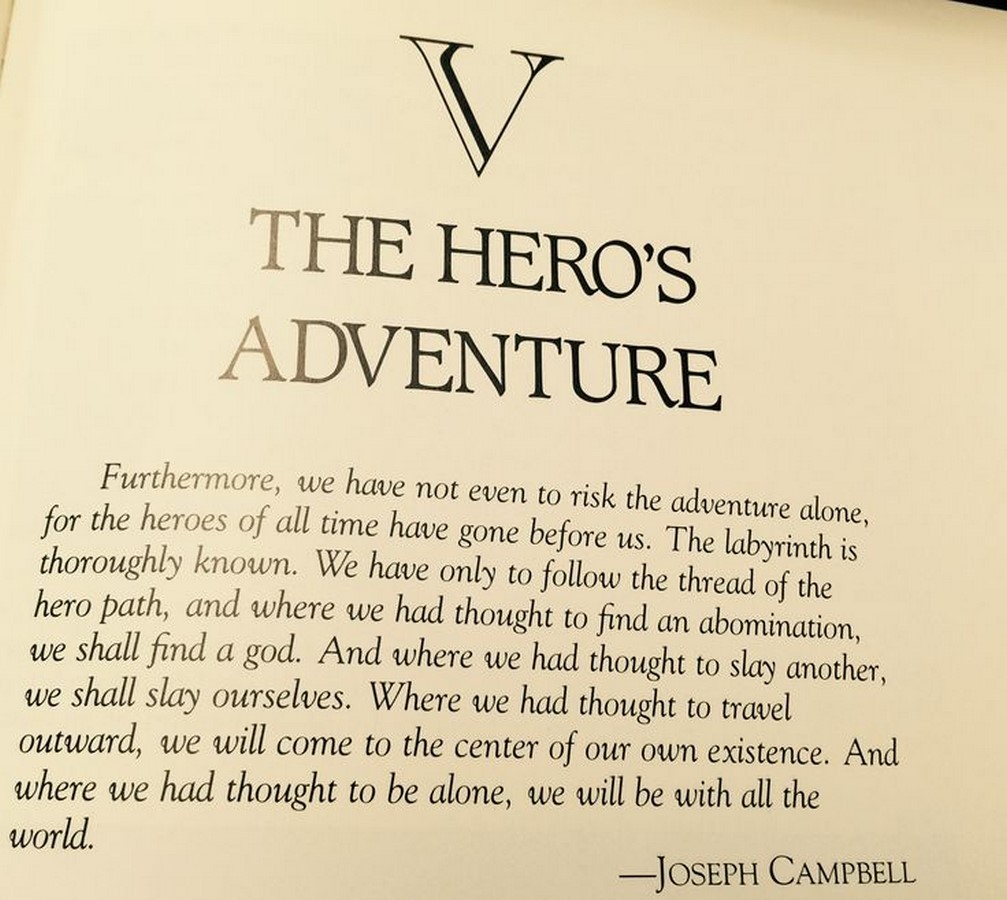
- The Hero’s Adventure uses Perseus and contemporary businesspeople as examples to examine the departure-initiation-return arc.
- By linking internal feelings with exterior traditions, The Message of the Myth reinterprets myth as a language of the human psyche.
- The earliest storytellers date back to the Aboriginal keepers of Dreamtime traditions and the Paleolithic cave artists at Lascaux.
- From Eleusinian Mysteries to contemporary music festivals, Sacrifice and Bliss explores how rituals can serve as catalysts for group rejuvenation.
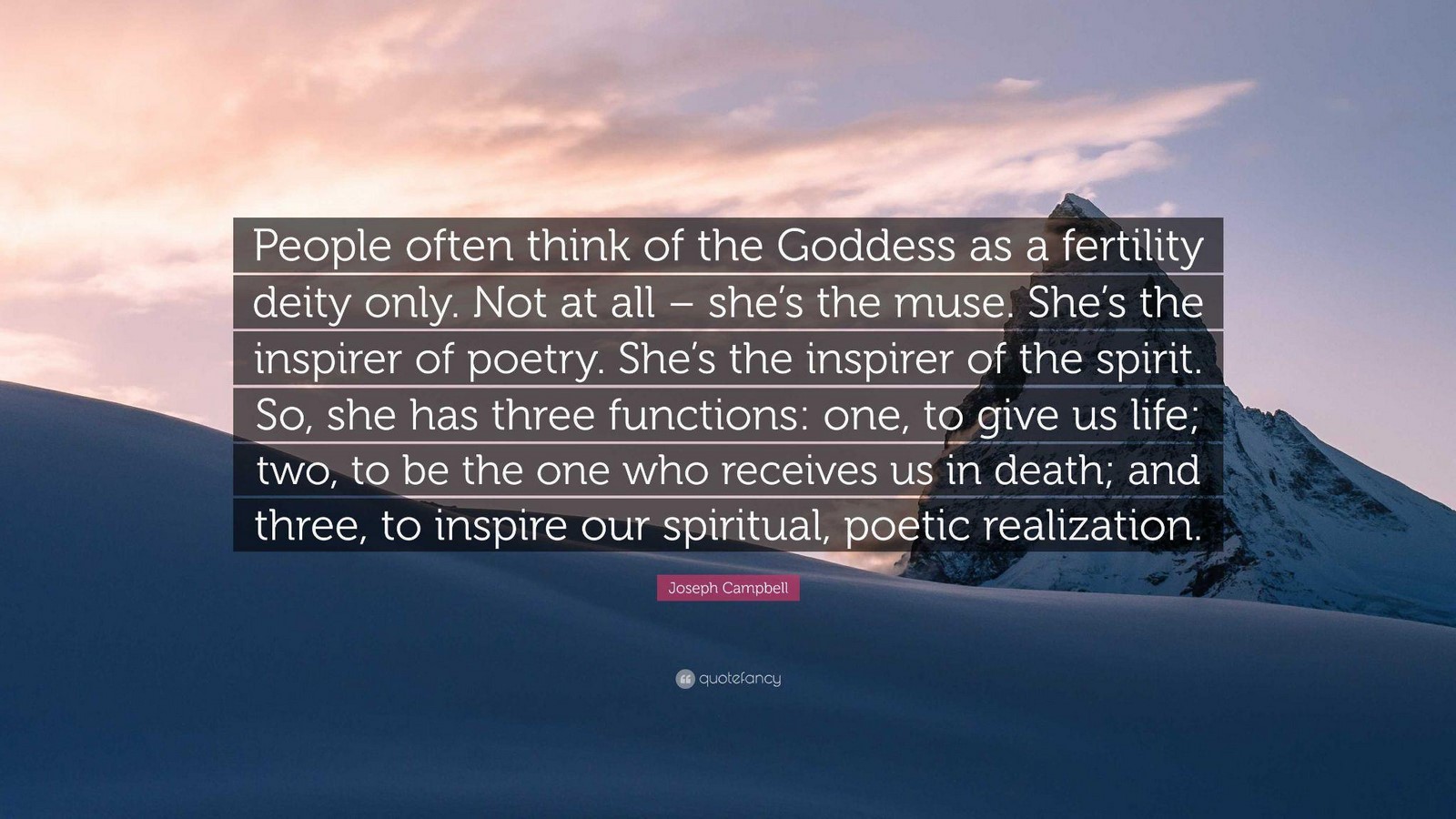
- From Isis to Kali, Love and the Goddess explores feminine archetypes and how they affect gender dynamics today.
- In Masks of Eternity, the Christian cross and mandalas are considered as means of transcendence.
The chapters weave a tapestry that demonstrates how myths provide universal answers to issues about transformation, meaning, and belonging. Each chapter seems independent yet related.
Key Conversations
Campbell begins The Hero’s Adventure by explaining the traditional hero’s hesitation to answer a call. He relates stories about Gilgamesh, an epic monarch who must face death, to commonplace situations, such as deciding to leave one’s home to pursue a different line of work. “Why does an ancient story of gods and monsters still resonate in our boardrooms?” is Moyers’ query. provokes contemplation on bravery and the human mind.
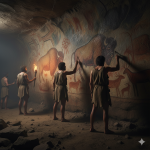
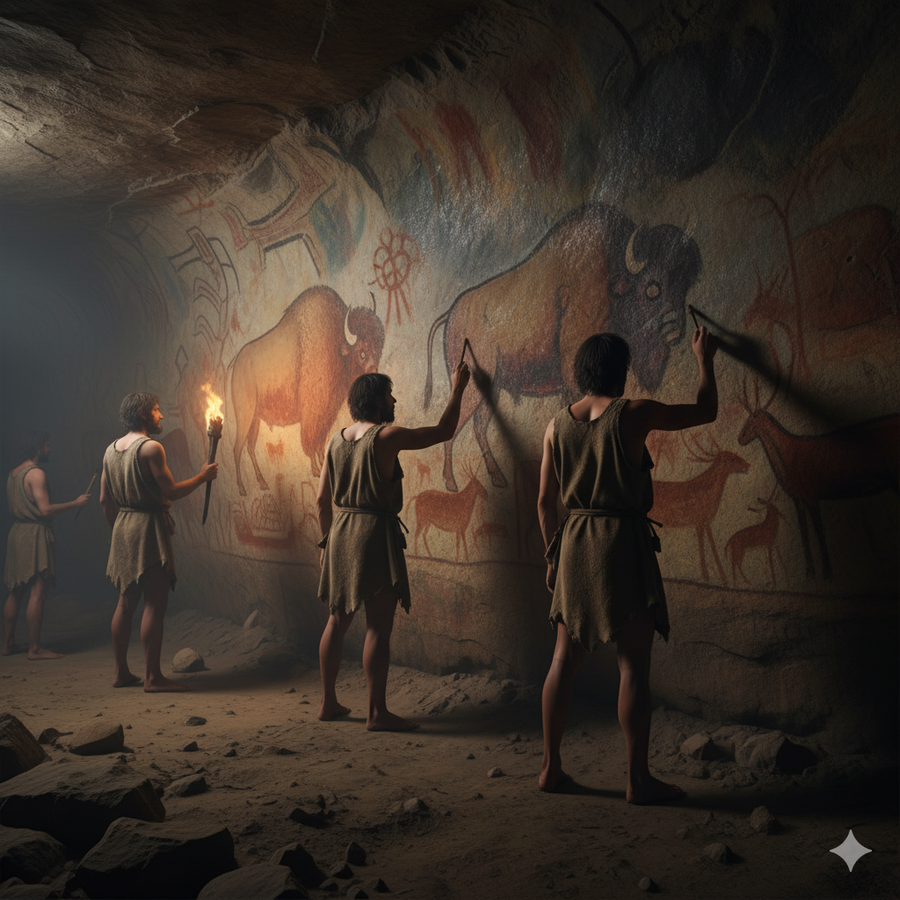
Readers are taken to French caves with flickering torchlight in The First Storytellers. Campbell’s detailed account of how Paleolithic artists painted deer and bison emphasizes how legendary impulses existed before writing. Moyers emphasizes that myths flourished wherever communities came together to exchange knowledge through performance and ritual, citing the oral history of Dreamtime stories in Australia.
Sacrifice and Bliss connects traditional ceremonies with contemporary assemblies. Campbell describes how 2,000-year-old rituals promoted harmony among the populace through the Eleusinian Mysteries, which were secret celebrations dedicated to Demeter. Moyers then suggests that group ecstasy is still a basic human need by drawing comparisons to Woodstock and other cultural events of the 20th century.
Campbell changes tone when the conversation reaches Love and the Goddess, describing the aspects of the Great Mother archetype, nurturing, destructive, and sacred. He mentions Kali’s ferocious compassion in India and Isis’s resurrection rituals in Egypt. Questions on regaining feminine power in the face of patriarchal rules reveal Moyers’s empathy and start a conversation that seems as relevant now as it did when it was broadcast.
Symbols have a major role in the final chapter, Masks of Eternity. Campbell sees the cross as a global symbol of sacrifice and redemption rather than a limited religious symbol, and he understands the mandala’s circular pattern as a map of inner transformation. Campbell’s ultimate realization is prompted by Moyers’s final question, “How do we carry these myths forward?” Myths change as long as people continue to tell new stories.
Engaging Anecdotes and Insights
Campbell brings the ancient world to life when he describes painters in the Lascaux caves tracing animal shapes on damp stone walls. You can almost feel the cool air and see the torchlight flicker over bison and deer. Moyers shares a story of a midnight screening of Star Wars where the crowd burst into cheers as Luke Skywalker triumphed, proof that these old story patterns still move people today.
In another memorable moment, Campbell jokes that most of us react to life’s challenges as if someone asked us to wrestle a lion, when really we’re just filling out a school application. That funny image shows how our fear of the unknown can stop us from taking the first step.
Image
5_
Practical Takeaways
There are easy methods to incorporate Campbell and Moyers’ mythic ideas into daily life. Consider every new chance as your personal “call to adventure,” whether it is a job offer, a creative endeavor, or a desire to relocate. Recognize the accompanying flutter of nerves and realize that experiencing fear is merely a natural part of growing up. Even modest rituals can help mark these moments: transforming your daily coffee into a purposeful time for introspection or using small ceremonies to commemorate personal milestones like graduations and birthdays makes changes feel meaningful.
When seeing a favourite movie or reading a book, look for instances of the hero’s journey. Take note of the story’s protagonist’s departure from the familiar, their struggles, and their transformation upon returning; this will enhance your enjoyment and possibly inspire fresh, original ideas. Lastly, give yourself permission to embrace your daring and nurturing sides. Ambition is not diminished by practicing self-care; rather, these traits complement one another to produce a balanced, fully realized self.
As a practical project, choose a story from a beloved film or book and illustrate on paper the hero’s journey, struggles, and victorious return. That straightforward mapping can help you better grasp narrative structure and provide new insights into your own life’s path.
Why It Resonates Today
The Power of Myth feels new and relevant over forty years after it was first recorded. In a society wher people are struggling with existential concerns, social isolation, and fast technological change, Campbell’s assertion that myth may bind people to a common meaning is comforting. Global communities continue to come together for customs, such as Coachella and Holi festivities, while streaming platforms are overflowing with series that follow the hero’s arc. Self-help and business have been influenced by Campbell’s philosophy of “following your bliss,” which encourages people to match their passions with their jobs. Furthermore, a growing cultural landscape is reflected in the resurgence of interest in indigenous and feminine mythology. In keeping with Campbell’s exhortation to accept varied archetypes, platforms highlight narratives from marginalized voices.
By demonstrating that narrative is a fundamental human need, The Power of Myth transcends its time. By combining knowledge and compassion, Campbell and Moyers create dialogues that resemble lively fireside chats rather than dry lectures. Myths are shown to be living frameworks for comprehending joy, fear, sacrifice, and rebirth rather than as artifacts. Reading this book encouraged a new perspective on commonplace events. Evening strolls became symbolic departures, and community events, such as concerts or family weddings, seemed to be imbued with ceremonial meaning. During uncertain times, a sense of purpose was generated by projecting personal struggles onto the hero’s journey.
Ultimately, The Power of Myth asks readers to co-create new myths rather than merely interpreting old tales. It serves as a manual for contemporary searchers, providing a map to help navigate group trips as well as a mirror to reflect on personal routes. Campbell and Moyers’ conversation is a timeless companion for anyone who wants to understand why stories capture them or who is looking for useful methods for personal development.
References:
Campbell, J., & Moyers, B. (1988). The power of myth [Interviews by M. Moyers]. Doubleday.
Campbell, J. (1949). The hero with a thousand faces. Pantheon Books.
Lucas, G. (Director). (1977). Star Wars: Episode IV – A New Hope [Film]. 20th Century Fox.
Moyers, B. (Host). (1988). Joseph Campbell and the power of myth [Television series]. Public Broadcasting Service.
Joseph Campbell Foundation. (n.d.). About Joseph Campbell. https://www.jcf.org/about-joseph-campbell/
Star Wars Fan Community. (n.d.). The midnight premiere reaction. https://www.starwars.com/the-official-star-wars-blog/the-midnight-premiere-reactions