Sustainability is a word trending nowadays. Everyone is behind in making their buildings and designs sustainable and receiving recognition, as they have created some truly impressive ones that cater to the concept of eco-design. But these eco-friendly homes come with a luxury price tag. Sustainability is always marketed as something that can only be afforded by elites, whether it is the installation of solar panels, green certifications, or the materials that are alternatives to our traditional materials. People always confuse it with being something environmentally friendly, but actual sustainability lies in three aspects: environmental, economic, and social. To make anything look eco-friendly, a tag is attached to it, which is only affordable by some, not all. How funny it is that it is a survival need for today, but only accessible to the privileged. There should be a link between eco-design and economic affordability, which can be reconciled through policy, innovation, and community-driven approaches.
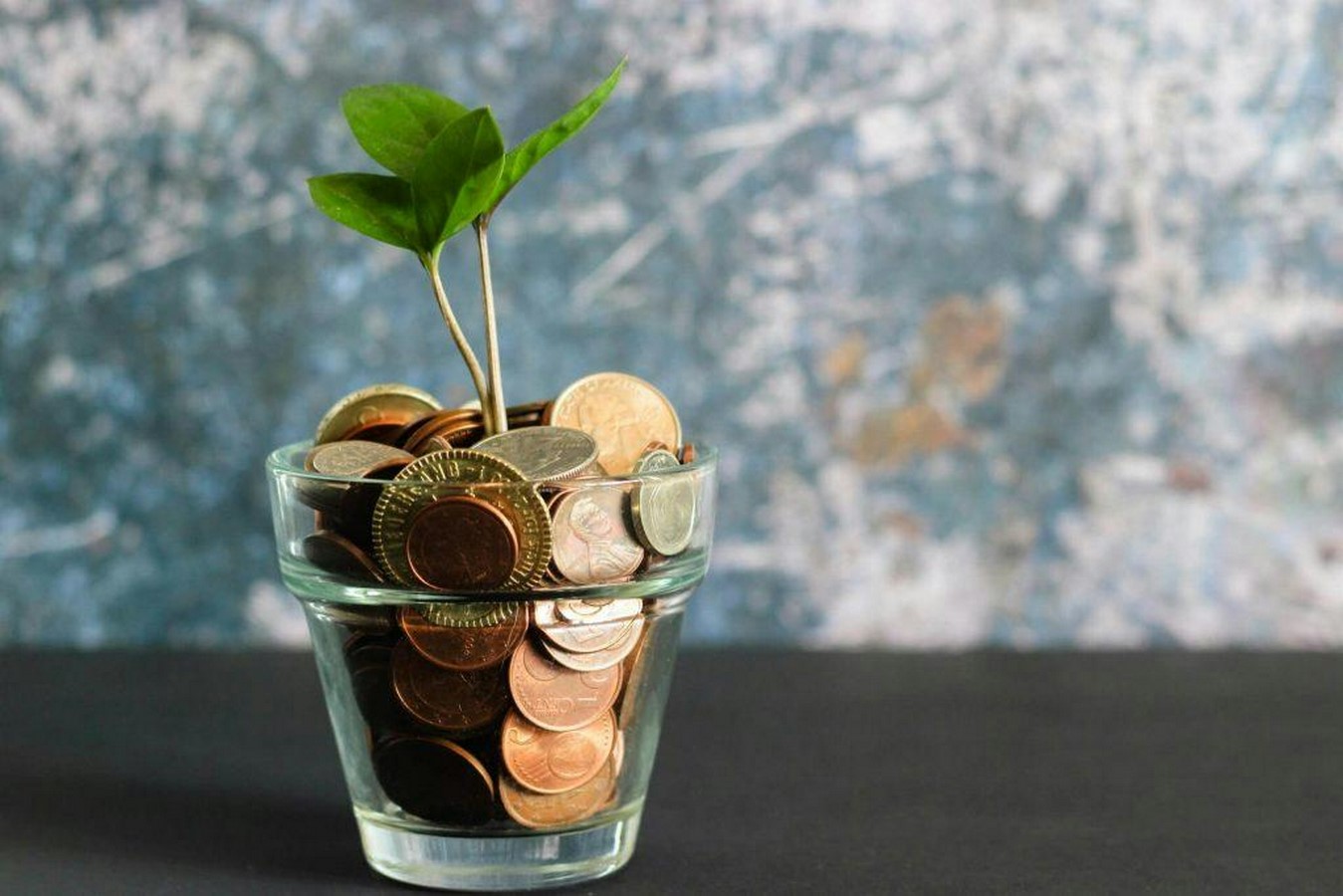
The Cost of Green: Why Sustainability Feels Expensive?
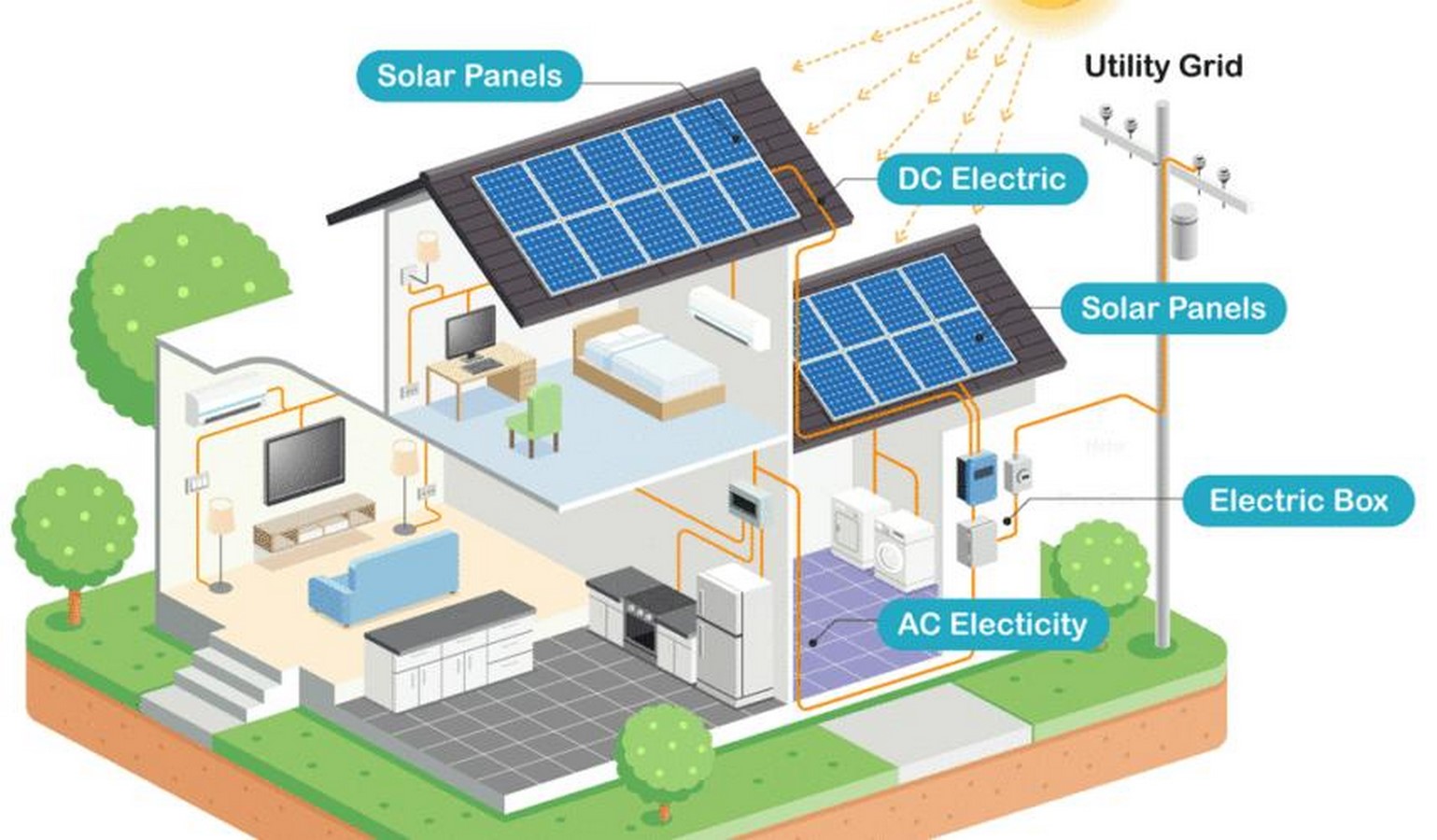
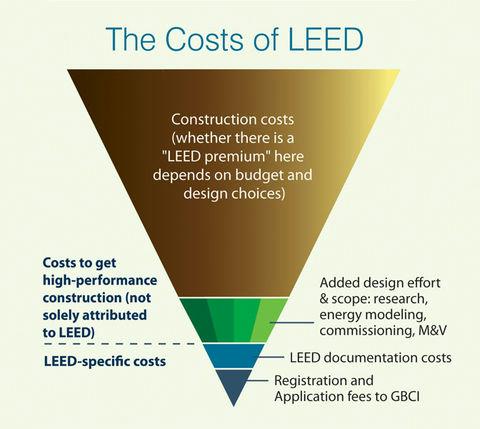
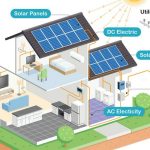
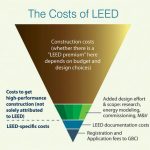
To promote eco-friendly designs, it typically focuses on things like installing solar panels, rainwater harvesting, passive cooling retrofits, or STP Plants. In the UK, the cost of installing a solar panel is around £7,200–£7,700 without battery storage; adding battery storage pushes the cost up to £10,000+ for a large home. In Uttar Pradesh (India), under PM Surya Ghar Yojana, for a 1 kW rooftop solar system costing ~ ₹65,000, the central & state subsidy reduces the consumer’s share to ~ ₹20,000. Although the subsidy reduces the maintenance cost, the output it generates is limited, sky conditions disturb the power generation, and it is not accessible to all. Even certifications like LEED, GRIHA, and IGBC are always targeted at large housing projects or buildings. They add to about 2.5- 9.4% of extra cost in direct costs (registration, documentation) and indirect costs (better materials, more complex systems). Even the designers cost more for such projects and interventions, which are not affordable to all members of society. There is a consensus that with proper maintenance, these solutions can save money in the long term; however, not everyone can afford the initial investment or ongoing maintenance costs. Also, the imported eco-friendly materials are expensive, and their transportation cost adds to it. High-end “green homes” are often marketed with luxury features (smart home systems, designer eco-finishes) that raise costs far above basic sustainable performance.
Who Gets Left Out? Social & Economic Divide
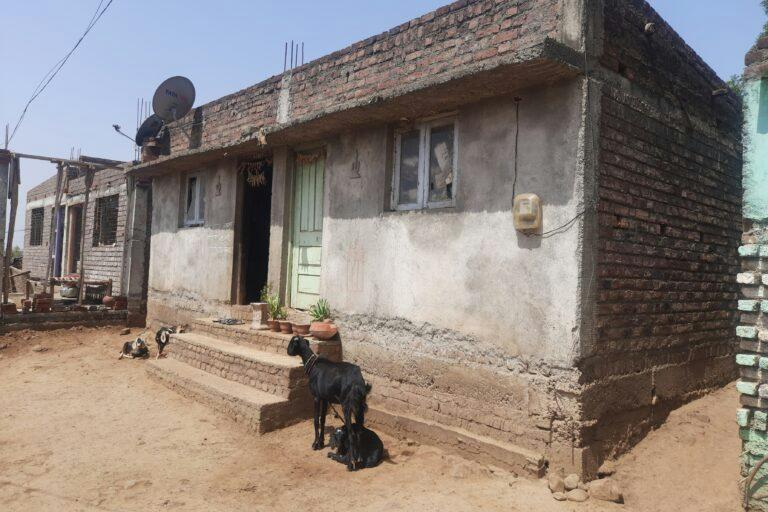
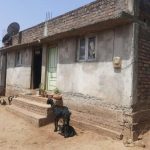
When conversations about eco-design occur, rural and low-cost housing tend to be overlooked. The poorest 50% of the global population contributes only ~10% of carbon emissions. But the irony is that the people who contribute the least suffer the most. They become more vulnerable to climate changes like floods, cyclones, or heat waves. Approximately thirty-five percent of India’s urban population lives in informal settlements (slums or unauthorized colonies). Their houses are built with corrugated tin, asbestos sheets, or thin concrete. These materials are cheap and mass-produced, which results in energy-inefficient structures and raises the indoor temperatures by 4 to 6%. This all leads to higher electricity bills in extreme climates, which results in phenomena also known as “the energy poverty trap”. Pradhan Mantri Aawas Yojana, which is there to sanction low-cost housing with construction, also ignores the Vernacular wisdom by not integrating courtyard insulation and rainwater harvesting systems in its plans. Even the migrant housing slums and Refugee camps are filled without any ecological consideration, as they’re perceived as temporary solutions. Still, people actually live there for decades and suffer due to climate change. This is a kind of climate of justice and social exclusion for the people who are already living in poverty, who have to suffer the most in this picture.
Traditional Wisdom: Low-Cost, Eco-Smart Solutions
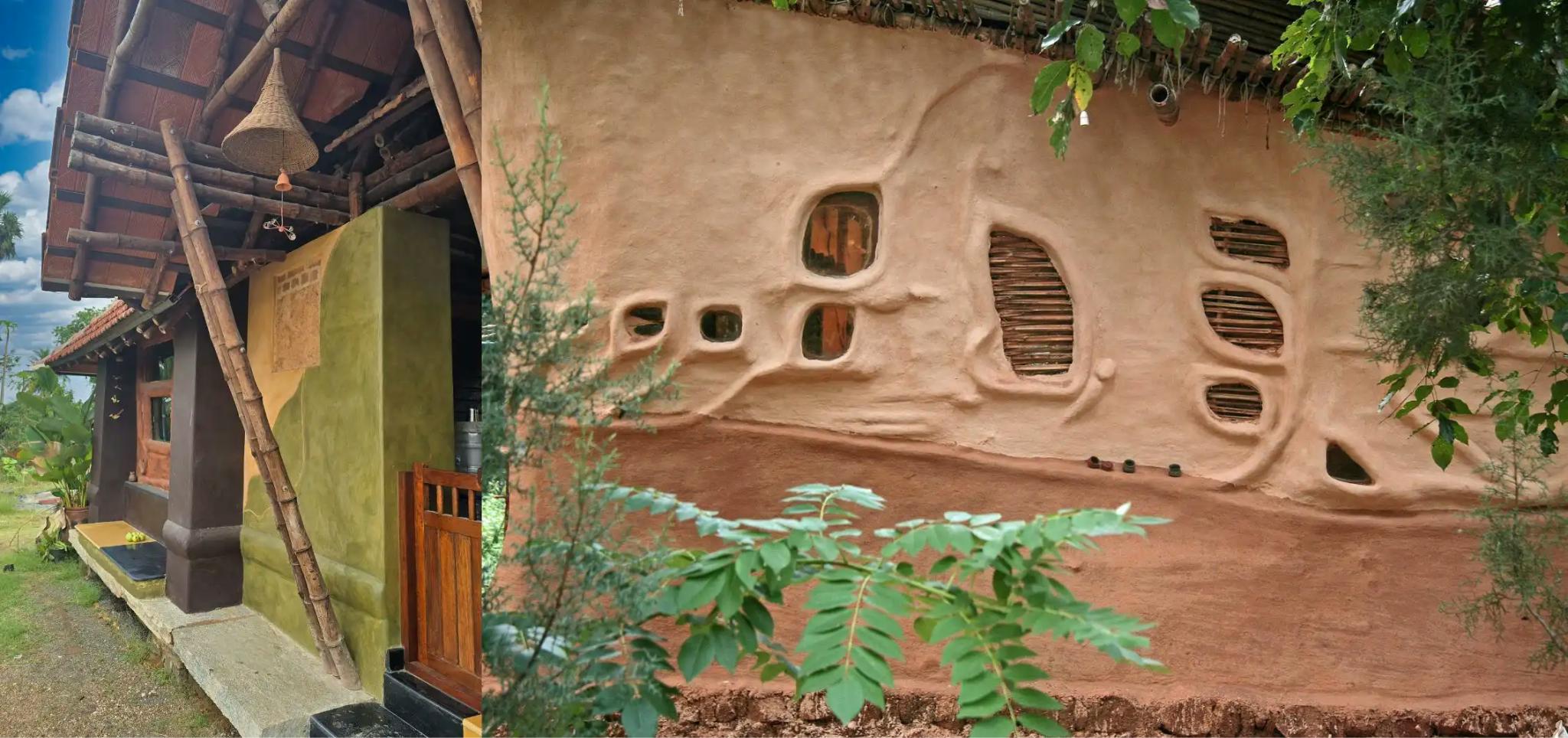
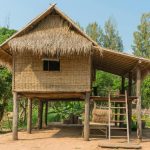
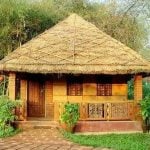
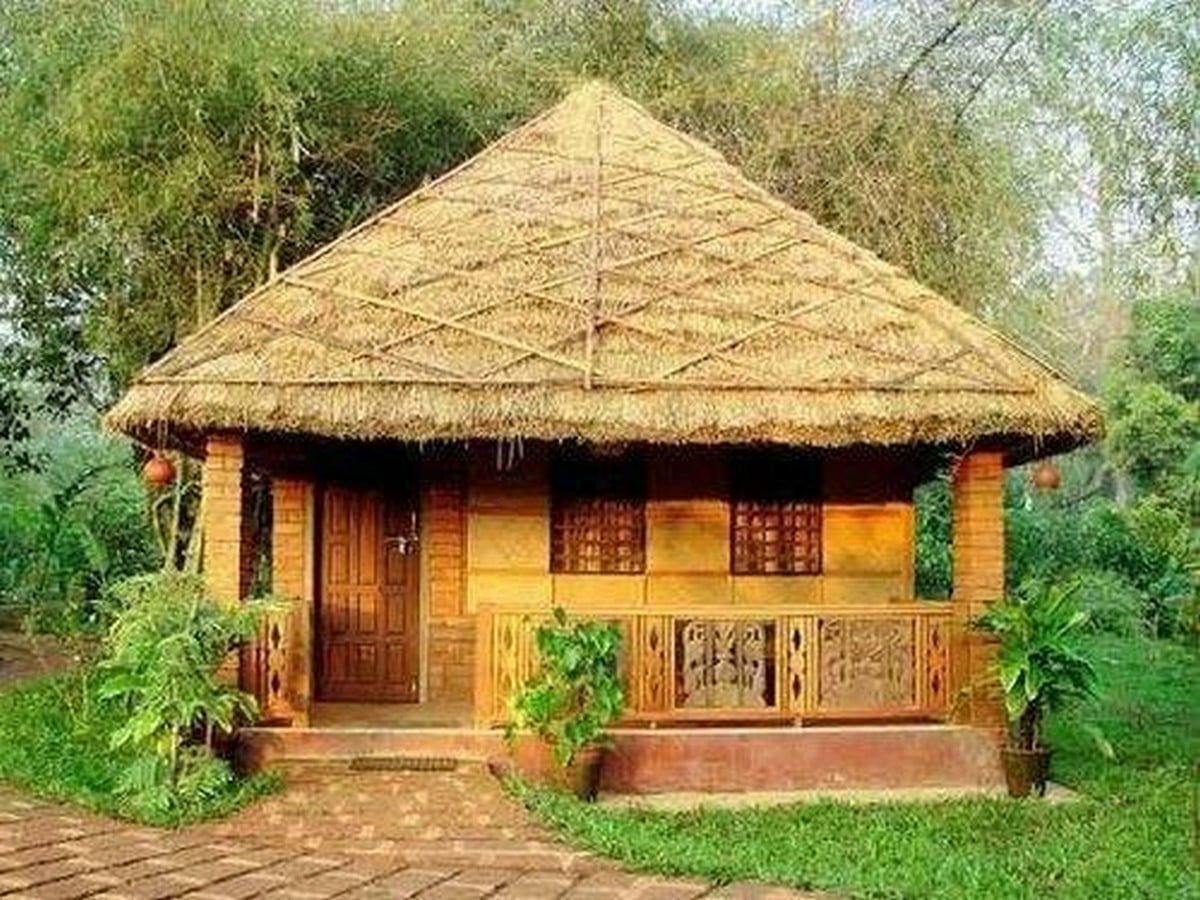
Long before the storm, sustainability comes into the picture; their houses are made one with traditional wisdom. Vernacular techniques and materials are responsive to their local climate, and their techniques are also low-cost rather than what is now being used. Mud houses and rammed-earth houses were very popular in rural contexts. Thick walls of mud act as a thermal mass which protects the house from scorching heat in the day and also traps the heat for night as well, and is very effective in a hot and dry climate where the temperature drops at night and becomes extreme in the daytime. Another material which is very popular was the lime plaster, which can be seen in many morning and local houses. The idea was to use Lime as a plaster or as a mortar. It is a very breathable material that gains strength over time. Also, if mixed with natural additives like jaggery and cow dung, it becomes naturally repellent to insects and enhances the indoor air quality.
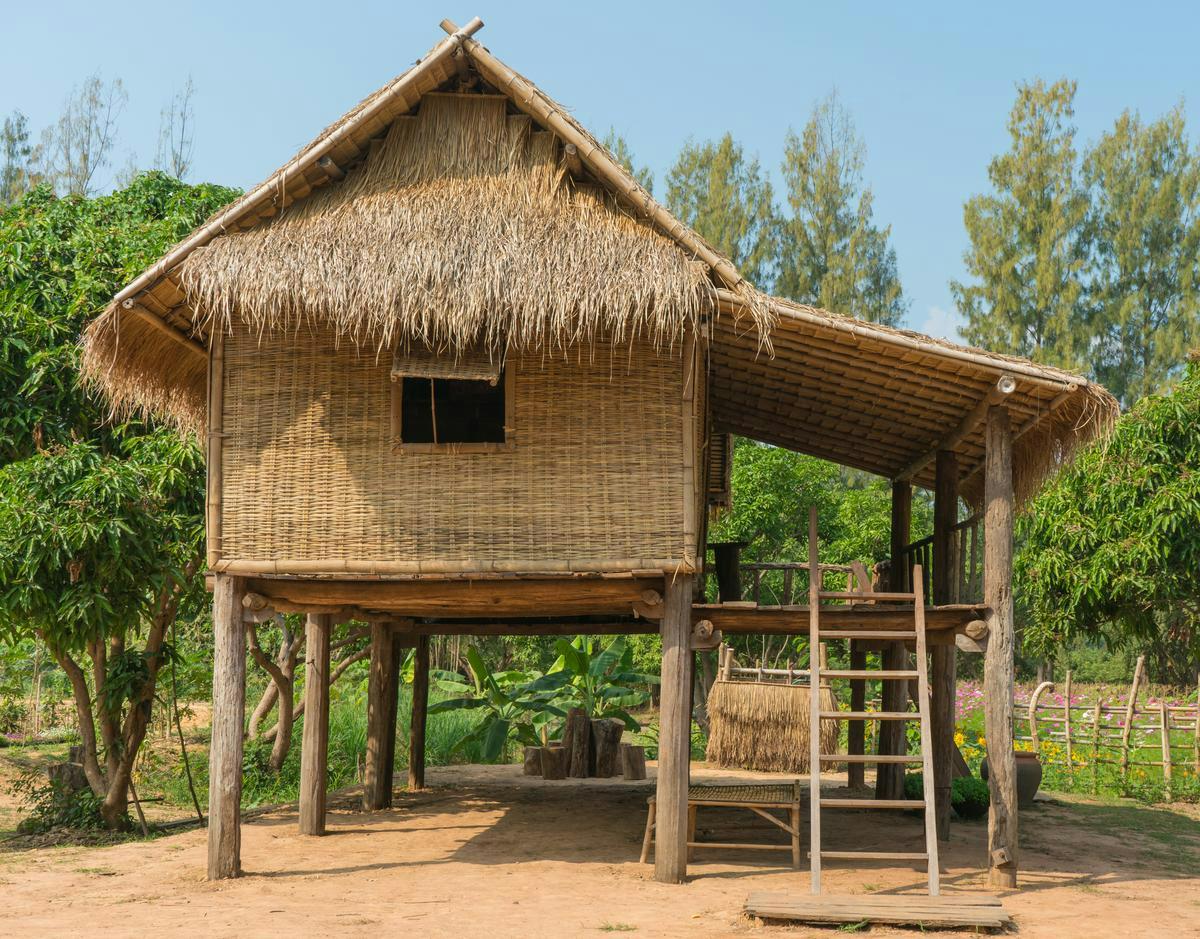
Another indigenous element that can be seen is the perforated Jali made up of stone. These jaalis not only reduce the glare but also help in cross ventilation in the interiors. Compared to the modern solutions of shading, these are locally crafted and low, and give a detailed look to the exterior of the building. Although India is the second largest producer of bamboo, it is still very underutilised to its potential in India. Bamboo is a renewable source that grows 10 times more than traditional timber. It can now be used for fundamental as well as structural purposes, and it’s best for earthquake-resistant structures, and can be used at any part of the building.
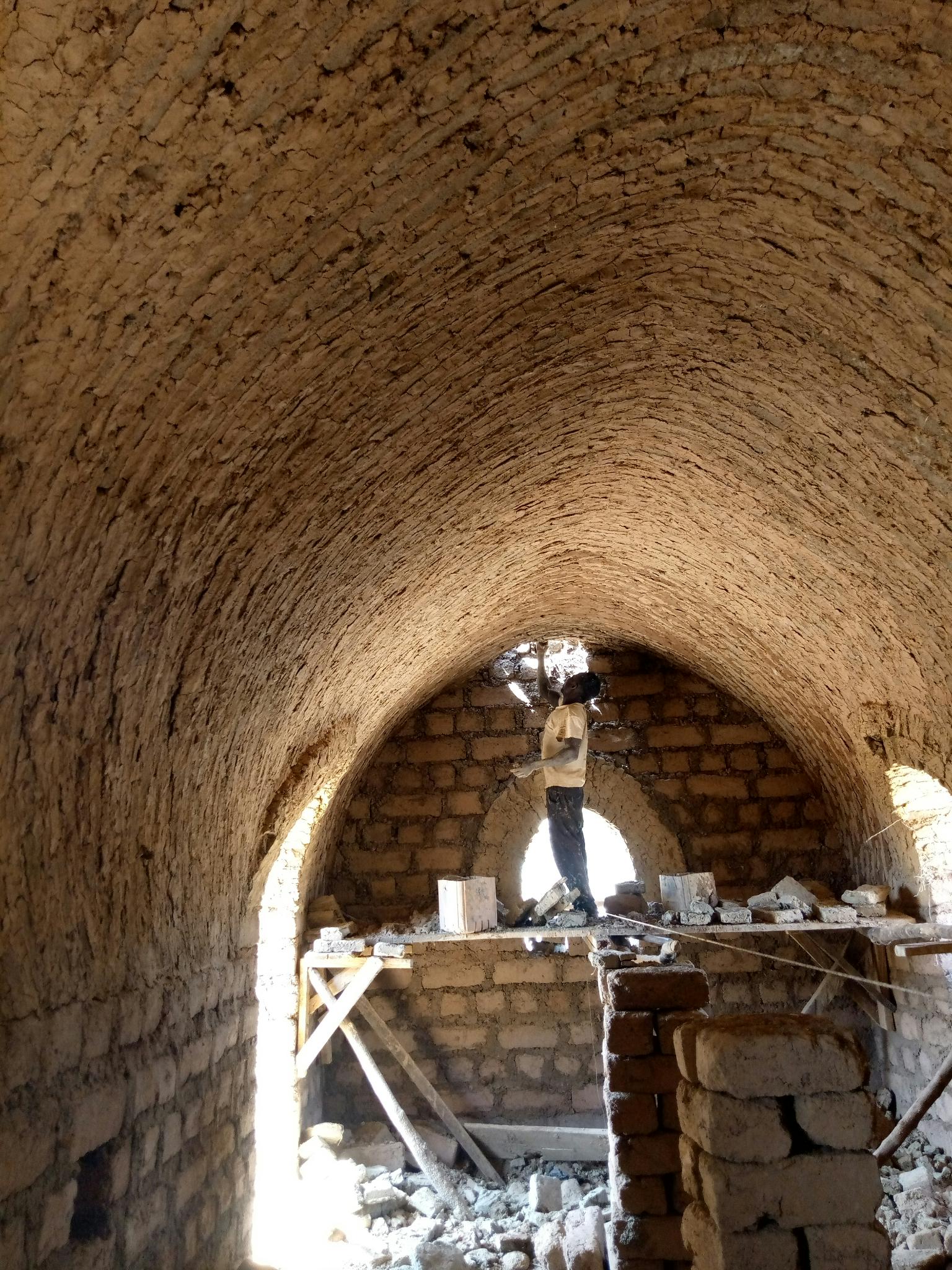
Examples can be seen in the filler slabs where the earthen pots are used in the slabs or reinforced brick concrete rather than using complete concreting, which helps in cooling down the interior temperature. The Nubian vaults in Africa are great examples of earthen vaults without using any timber or steel, which also makes it a low-cost option. Rather than casting a concrete slab, Shallow domes can be used, which gives the structural support as well as reduces the heat gain from the roofs. Stepwells in India are a great example of water-harvesting structures that combine engineering, cooling microclimates, and social gathering spaces. Sustainability comes from the revival of this traditional wisdom rather than inventing something very new, which is not affordable to many.
Bridging the Gap: Innovations for Inclusive Eco-Design
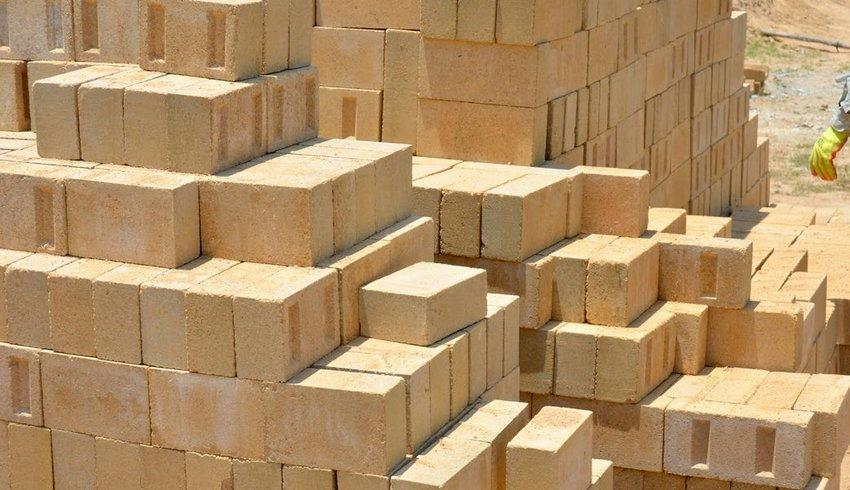
There are cost-effective Innovative solutions that blend the local knowledge with technology. The idea is to create ecological designs that are both affordable and scalable for a wider community. Solar panels are now not only on the rooftop but can be converted into Micro Grids or modular low-cost solar panels, which can be used by a community rather than being a single house at a fraction of the cost. It reduces the dependency on urban grids and makes it sufficient for the rural and off-grid communities. Traditional mud blocks are now transferred into compressed earthen blocks, which are made up of local mud and still provide structural stability. The recycled plastic bricks, made up of melting the waste plastic, reduce the burden on concrete and also support the local livelihoods. The existing houses can be enhanced by passive pooling retrofits by using cool roof, reflective paint, which reduces the heat gain in the daytime.
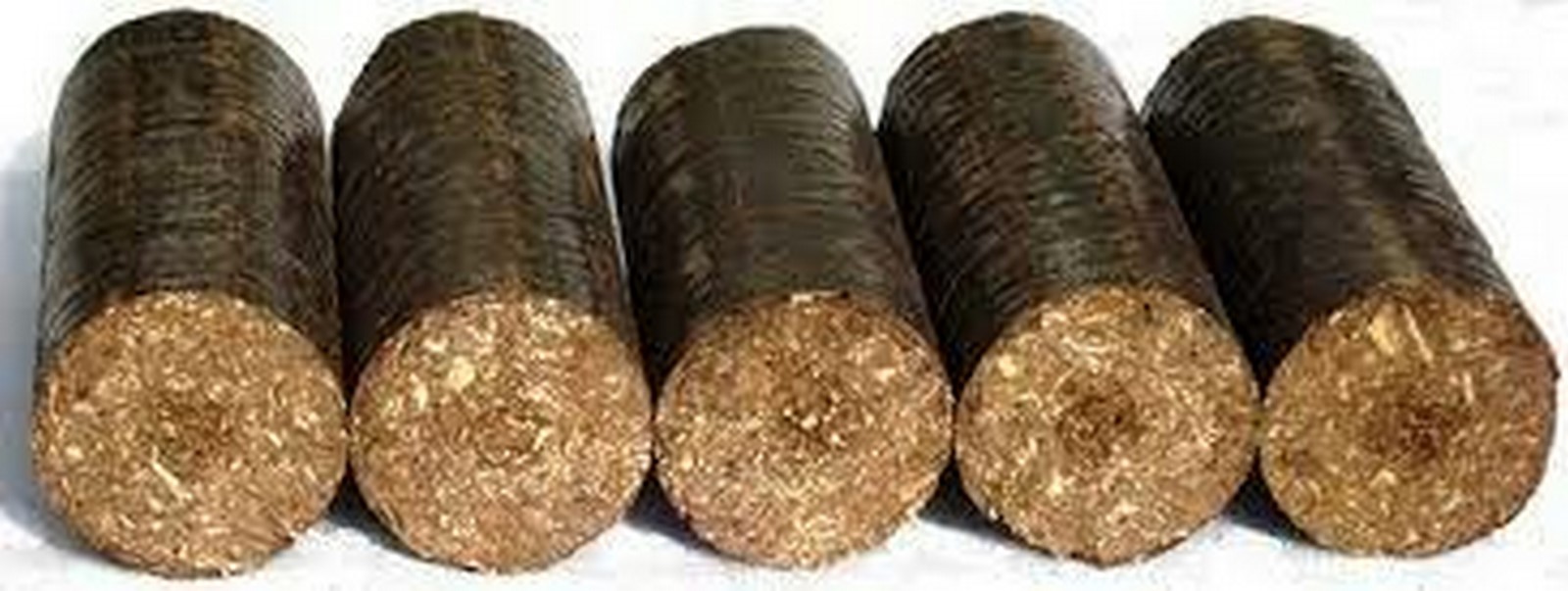
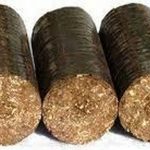
Across South Asia and Africa, architects and NGOs are experimenting with DIY self-build kits and modular eco-homes, which give the communities the tools to construct climate-resilient housing with local materials. In India, Eco-Niwas Samhita was launched in 2018. It is a dedicated energy conservation code for affordable housing, encouraging thermal efficiency and ventilation in mass housing projects. Kenya’s Eco-Briquettes are made from waste biomass and agricultural waste, which are also used. The government should also encourage the policies of using sustainable and local materials, and also the Vernacular techniques to make low-cost housing more energy efficient. Architects and designers should take up these projects and design them in a way that sets the example of how Eco design can also be affordable to all.
Sustainability cannot remain a privilege to a few but has to be afforded by all. It is not only about designing Ecologically Balanced, but it is also about using cost-effective Construction Techniques. The idea is to provide energy efficiency to the people who are affected the most, and there should be a shift from luxury branding to a survival necessity. The future is about the affordable, socially inclusive, and context-driven green design rather than just giving tags to the expensive and not affordable solutions and buildings. The thought of mixing the Vernacular and local wisdom with the new construction and modern technology, the Government initiative to develop slums and rural housing with these methods. The architects and urban designers who shape society should take up such initiatives. True sustainability is not about who can afford it, but about insurance; no one can support living without it.