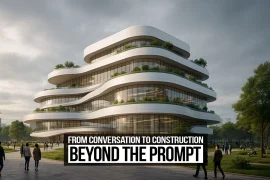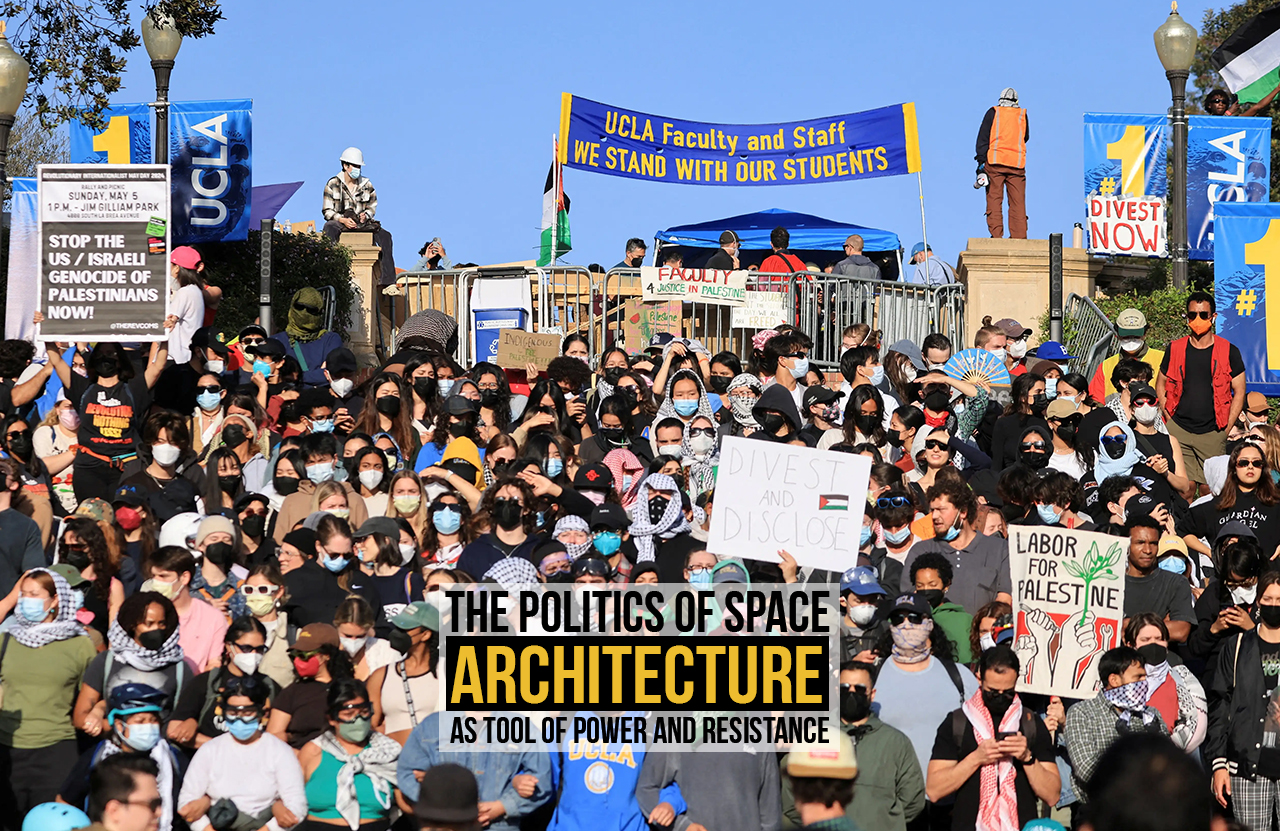
Architectural space is never neutral. Is it not about the shelter, aesthetics, or function it provides, but it is always politically shaped. Every street, plaza, and structure is shaped by how authority is exercised and how society is organised. It is a deeply political instrument that determines who holds power and who is silenced. It establishes hierarchy, consolidates control, and opens possibilities of resistance. In all, the architecture operates as a tool of control and an instrument of defiance.
In India, this dynamic is openly visible. From colonial-era urban planning to contemporary redevelopment projects in the metro cities, and from iconic protest sites to contested memorials, the physical space has always been a terrain where politics and resistance confront each other.
Architecture as Power
Authority and monumentality
Throughout history, all rulers and states have used architecture to assert dominance. The pyramids of Egypt, the palaces of Versailles in France, and Beijing’s Forbidden City function more than just as residences. At the centre, there is political authority in the built environment. They are deliberately made as a statement of dominance. Boundary walls and gated communities act as a social and political boundary, being physically marked.
Even in modern democracies, the architecture is used to project legitimacy. The vast lawns of India’s Central Vista project, New Delhi, embody the authority, and the project reshapes the nation’s political core through new parliamentary and ministerial buildings. The centralised locations and monumental proportions suggest stability, order, and permanence. It also reduces public accessibility, centralises power, and erases historical layers in the name of modernisation.
Spatial Hierarchies
Architecture also assists in establishing hierarchy through spatial arrangement. Such government buildings are often on podiums or hilltops, symbolising an authority above the public. Creating restricted zones, ceremonial activities, and exclusive areas that separate the authority from the public. These hierarchies are not accidental; they are deliberately formed to make the citizens aware of power.
The ancient Greek architecture represented a similar structure, which was built on a higher level. Similarly, in Brazil’s capital city, Brasilia, designed by Lucio Costa and Oscar Niemeyer in the 1960s, the city built monumental government buildings and a geometric urban layout to show the national progress and break from the Colonial legacies. Yet the design separated the elites in the planned sector and pushed the workers to the city’s outskirts. This shows that the vision of a shift in monumental power often reproduces the social divides within the community.
Space as Control
Surveillance and Exclusion
Architecture often acts as a means of surveillance and regulation. An intentional placement of barriers, checkpoints, and fences to regulate movement, often to decide the users of the space. Similarly, in Haussmann’s Paris of the 19th century, wide boulevards and new public places were introduced to enhance circulation but to make the troop’s movement easier against any uprisings. This transformation of Paris by Baron Georges-Eugène Haussmann under Emperor Napoleon III was to improve the urban beauty and modernise, but also to have the social order in control.
Border and Walls
At the global scale, borders often define the political strategy. The Berlin Wall and the US-Mexico border wall are not just functional boundaries but also two different competing political ideologies. The wall becomes symbolic of turning space into an instrument of political conflicts.
Space as resistance
Occupying the urban space
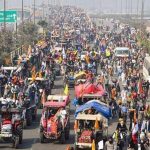
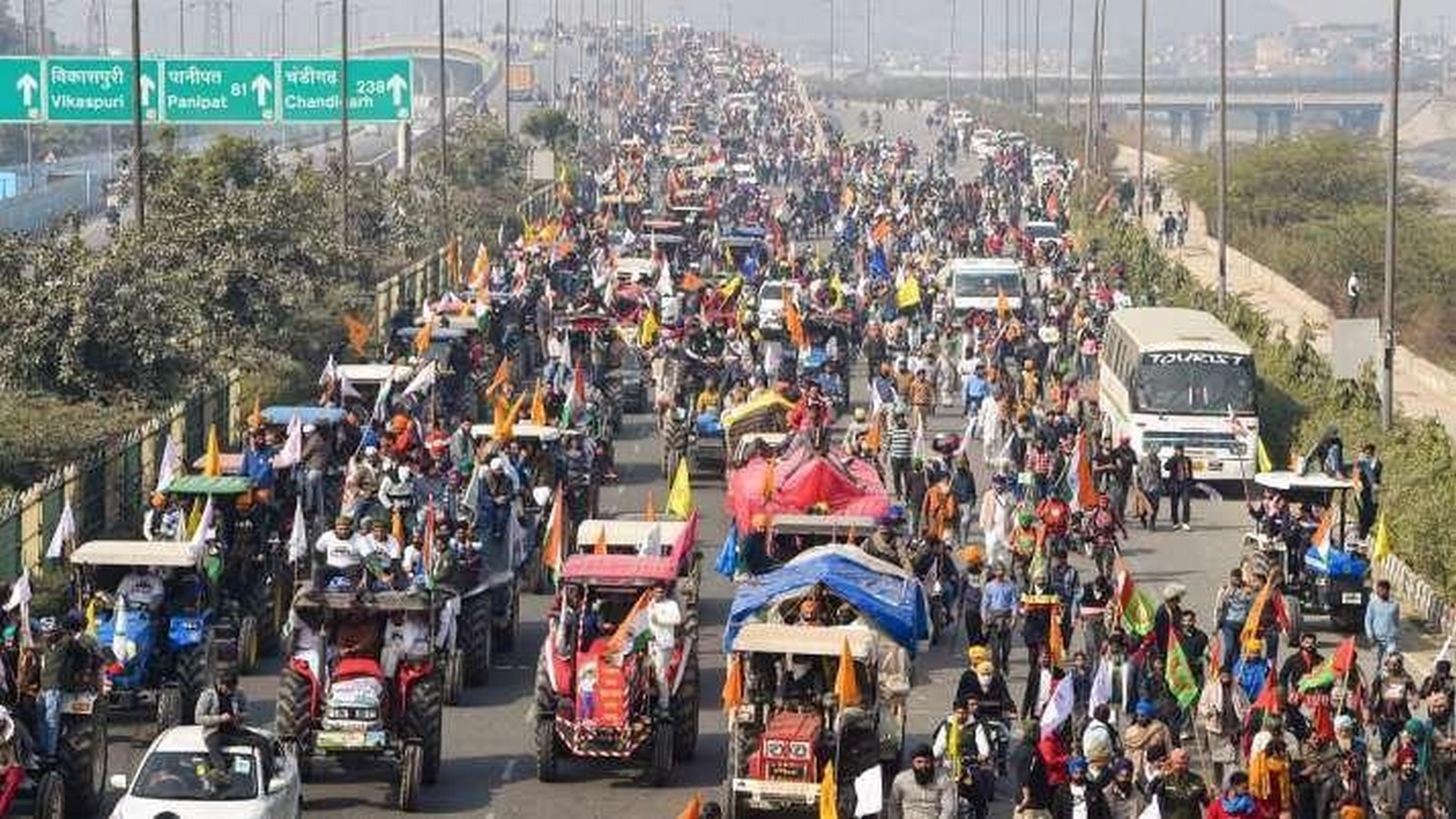
While the public spaces are often under the control of the states, citizens reclaim it through protest and occupation. In Delhi, Jantar Mantar has historically been the designated protest site. Its central location to the parliament makes it a symbolic ground. Shaheen Bagh, Delhi, became a landmark protest site in recent times. Transforming the peripheral highway into a political epicenter.
In such movements, the space is transformed from passive infrastructure into an active political ground.
Temporary Architecture of Protest
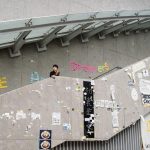
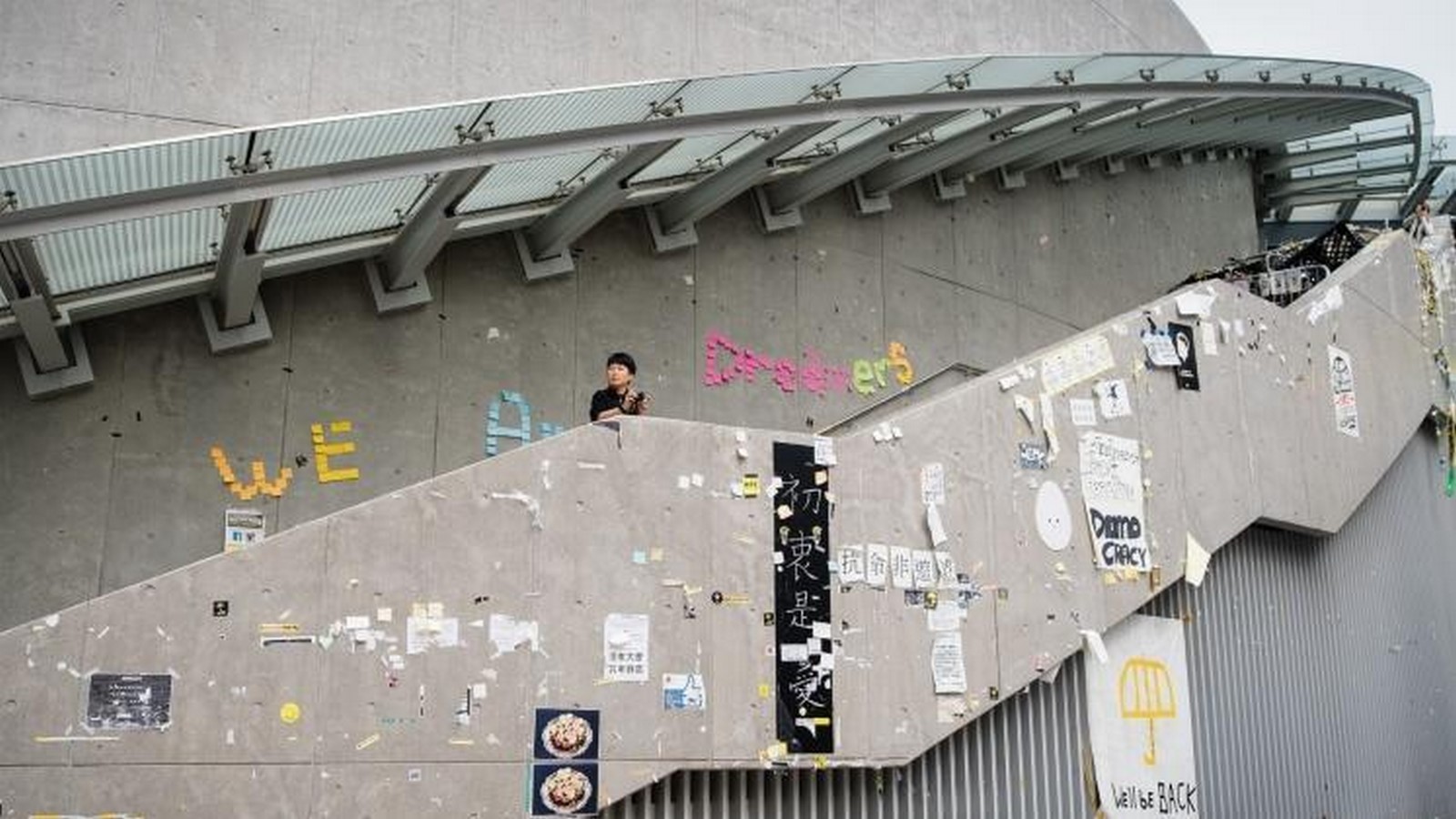
Protest often involves counter architecture. Barricades, tenets, stages, graffiti marks, and art installations in the occupied space embody democratic aspirations and political resistance. It becomes symbolic and asserts that the space not only belongs to the government but also to the public.
Even after the protest is dismantled, they leave a spatial memory. It echoes and reminds the citizens’ collective effort to reshape the political discourse.
Symbolism and memory in space
Memorial and monuments
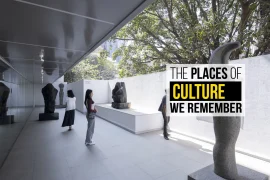
A space is also political because it carries memory. Memorials and monuments narrate official histories. India Gate, Delhi, was built as a memorial to soldiers of the British Indian Army and after independence, it was interpreted as a site of national pride. The surrounding lawns become the space for citizens to gather for leisure or protest. Renaming or reinterpreting reclaims the colonial heritage but also reshapes new narratives of nationalism. Renaming the Rajpath to Kartavya Path in 2022 was a collective state’s effort to reshape the spatial memory through a symbolic act.
Ordinary Spaces
Everyday spaces also carry political memory and highlight the authority in the space. Streets are being renamed after political leaders, walls painted over the protest graffiti, and statues toppled during uprisings, reflecting who controls the narrative of the public space. This shows how everyday spaces become the ground for resistance if the citizens reject the values they represent. Thus, politics is not only inscribed in the grand architecture but also in the ordinary corners of the city.
Everyday politics
The monumental plazas and government precincts are the most visible arenas of political power, but the everyday space is equally political as well. The housing, markets, and public transport reflect the social structural inequalities. Evictions from homes, gentrification in neighbourhoods, and displacement for a mega project are the major political questions.
Yet, the resistance happens through community-driven projects. It often takes the form of reclaiming everyday spaces. Street markets, informal settlements, and creating informal infrastructure such as schools and clinics, represent how the space can constantly be negotiated at the ground level.
The politics of space is everywhere and embedded in monumental architecture. It shows that space and architecture can never be neutral. In organising the city, in the occupation of the street, and in the house that we live in, it is all politically driven. Space can consolidate power by reinforcing authority, exclusion, and establishing hierarchy, but it can be reclaimed, reshaped, and reimagined by the citizens through resistance.
Policymakers, planners, and designers play a crucial role in political realities by deciding how the space is distributed and accessed. The built environment shapes freedom, justice, and democracy.
The politics of space is more than buildings and plazas; it’s about the events that emerge within them. Every space, corner, wall, and street carries a meaning beyond its physical existence. In shaping the built environment, it is also to shape the balance between power and resistance, between dominance and freedom. To design a space is to design its conditions of civic life. To understand space is to understand its politics.
References:
- (No date) Political power of cities: Can Architecture Uphold Human Rights? Available at: https://parametric-architecture.com/political-power-of-cities-human-rights/ (Accessed: 08 September 2025).
- Dalton, A. (2025) Why architecture and urban space are always political – LSE review of books, LSE Review of Books – the latest social science books reviewed by academics and experts. Available at: https://blogs.lse.ac.uk/lsereviewofbooks/2025/08/07/the-routledge-handbookof-architecture-urban-space-and-politics-volume-ii-ecology-social-participation-and-marginalities-nikolina-bobic-farzaneh-haghighi/ (Accessed: 08 September 2025).
- (No date a) Power and architecture: The construction of Capitals, the politics of space, and the space of politics | request PDF. Available at: https://www.researchgate.net/publication/290280084_Power_and_architecture_The_construction_of_capitals_the_politics_of_space_and_the_space_of_politics (Accessed: 08 September 2025).
- J. (2018) Political architecture and relation between architecture and power, Academia.edu. Available at: https://www.academia.edu/64141933/Political_architecture_and_relation_between_architecture_and_power (Accessed: 08 September 2025).
- (No date a) The need for clean air: The way air pollution and climate change affect allergic rhinitis and asthma – eguiluz‐gracia – 2020 – allergy – wiley online library. Available at: https://onlinelibrary.wiley.com/doi/10.1111/all.14177 (Accessed: 08 September 2025).
- Hashmi, F. (2022) Citizenship, religion, and the politics of belonging: A case study …, South Asia Multidisciplinary Academic Journal. Available at: https://journals.openedition.org/samaj/7690?utm_source=chatgpt.com (Accessed: 08 September 2025).