The Imperative of Efficient Public Transport – Ways to turn a city green
In the intricate tapestry of sustainable urban development, the efficiency of public transportation emerges as a linchpin in transforming cities into environmentally conscious and livable spaces. This article delves into the multifaceted realm of “Efficient Public Transport,” unraveling the pivotal role it plays in mitigating environmental impact, reducing traffic congestion, and fostering a greener urban landscape.
The Environmental Imperative: Reducing Carbon Footprints
1. Mass Transit Systems
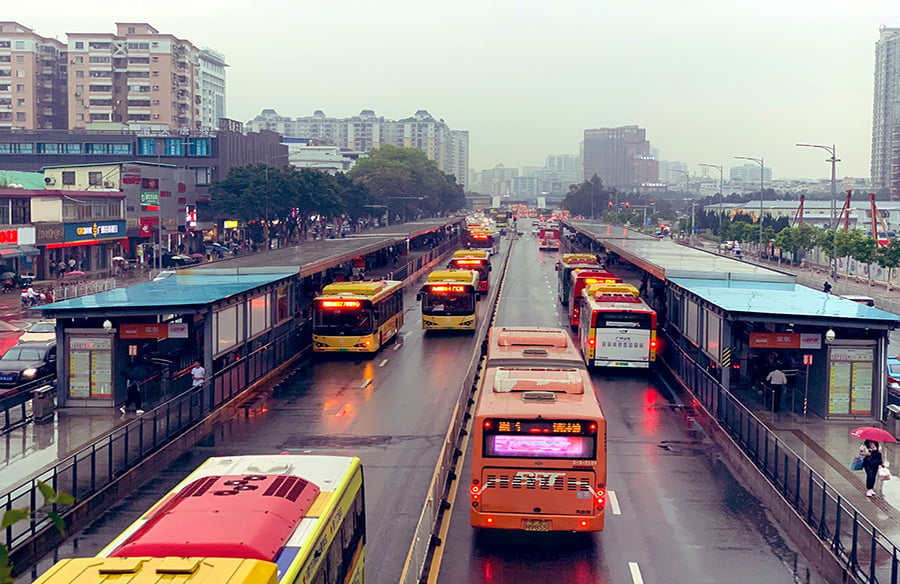
Efficient public transport is synonymous with the establishment and optimization of mass transit systems. Cities that prioritize the development of robust bus rapid transit (BRT) systems, subway networks, and light rail systems significantly reduce the reliance on individual vehicles, leading to a substantial decrease in carbon emissions. Mass transit systems serve as the backbone of sustainable urban mobility, connecting diverse neighborhoods and reducing the environmental footprint associated with private car ownership.
2. Electrification and Alternative Fuels
The transition towards electrification and alternative fuels stands as a pioneering strategy in enhancing the efficiency of public transport. Cities are increasingly adopting electric buses and trains, minimizing air pollution and noise levels. Additionally, the exploration of alternative fuels such as hydrogen and biofuels contributes to the reduction of greenhouse gas emissions, fostering a more sustainable and environmentally friendly urban transportation network.
3. Integrated Transportation Hubs
Efficient public transport is not solely about the modes of transport but also hinges on the seamless integration of various transportation options. Integrated transportation hubs, where buses, trains, and other forms of transit converge, offer commuters convenient and efficient transfer points. Well-designed hubs promote interconnectivity, making it easier for residents to navigate the city using a combination of public transport modes, further reducing the reliance on private vehicles.
Designing for Efficiency: Infrastructure and Accessibility
1. Dedicated Bus Lanes and Priority Measures
The efficiency of public bus systems can be significantly enhanced by implementing dedicated bus lanes and priority measures. Cities that allocate exclusive lanes for buses ensure faster and more reliable transit services. Additionally, prioritizing buses at traffic signals and providing dedicated bus corridors contribute to reduced travel times and enhanced overall efficiency, enticing more residents to opt for public transport.
2. Accessibility for All: Universal Design Principles
Efficient public transport must be inclusive, catering to the needs of all residents, regardless of age or physical abilities. Universal design principles, encompassing features such as low-floor buses, ramps, and elevators in transit stations, ensure accessibility for everyone. By embracing inclusivity, cities not only enhance the overall efficiency of their public transport systems but also foster a sense of community and equality among residents.
3. Smart Technologies for Real-Time Information
The integration of smart technologies plays a pivotal role in optimizing public transport efficiency. Real-time information systems, accessible through mobile apps and digital displays, empower commuters with up-to-date details on routes, schedules, and delays. This not only improves the overall commuter experience but also aids in better management of transit services, ensuring timely and efficient operations.
Policy Frameworks: The Catalysts for Transformation
1. Transit-Oriented Development (TOD)
Transit-oriented development stands as a strategic urban planning approach that centers around efficient public transport systems. Cities that embrace TOD principles prioritize the development of mixed-use neighborhoods around transit hubs, reducing dependency on cars and encouraging residents to rely on public transport for daily commuting. This integrated approach creates vibrant, walkable communities while minimizing the environmental impact associated with extensive urban sprawl.
2. Congestion Pricing and Incentives
Cities grappling with traffic congestion can implement congestion pricing strategies to discourage private car usage during peak hours. By levying charges on vehicles entering congested areas, cities not only reduce traffic but also generate funds that can be reinvested in public transport infrastructure. Simultaneously, offering incentives such as discounted fares, loyalty programs, and flexible work schedules encourages residents to choose public transport over private vehicles.
3. Sustainable Funding Mechanisms
Sustainable and efficient public transport necessitates robust funding mechanisms. Cities can explore innovative funding models, including public-private partnerships, value capture financing, and dedicated transport levies. A sustainable financial framework ensures ongoing investment in maintenance, upgrades, and expansions, fostering a public transport system that remains responsive to the evolving needs of urban communities.
Environmental and Economic Benefits: A Synergistic Approach
1. Air Quality Improvement
Efficient public transport serves as a potent tool in addressing air quality concerns prevalent in urban environments. The reduction in the number of private vehicles on the road directly correlates to decreased air pollution levels. Cities that prioritize public transport contribute to cleaner air, mitigating the impact of pollutants on respiratory health and overall well-being.
2. Economic Productivity and Job Creation
Investments in efficient public transport yield economic dividends for cities. Reduced traffic congestion, improved mobility, and increased accessibility result in enhanced economic productivity. Additionally, the development and maintenance of public transport infrastructure create employment opportunities, stimulating local economies and fostering sustainable urban growth.
3. Reduced Traffic Congestion and Infrastructure Savings
Efficient public transport is a direct antidote to the scourge of traffic congestion that plagues many urban areas. By encouraging residents to opt for public transport, cities experience a significant reduction in traffic, alleviating strain on road infrastructure. The cost savings associated with diminished wear and tear on roads, coupled with reduced need for extensive road expansions, contribute to the economic viability of public transport-focused urban planning.