The Transformative Power of Urban Forestry – Ways to turn a city green
In the dynamic realm of urban design, the integration of nature becomes a defining element in creating sustainable and livable cities. Urban forestry, the strategic cultivation and preservation of trees in urban areas, stands as a potent solution to counter the challenges posed by rapid urbanization. This article delves into the multifaceted benefits of urban forestry, exploring how it contributes to turning cities green, fostering environmental resilience, and enhancing the overall well-being of urban communities.
The Green Tapestry: Understanding the Importance of Urban Forestry
1. Biodiversity Conservation
Urban forestry serves as a haven for biodiversity within the concrete jungles of cities. Trees provide habitats for various species, from birds to insects, contributing to the preservation of urban ecosystems. The diversity of flora in urban forests plays a crucial role in supporting local wildlife, fostering a balanced and resilient urban environment.
2. Air Quality Improvement
One of the paramount benefits of urban forestry is its positive impact on air quality. Trees act as natural air purifiers, absorbing pollutants such as carbon dioxide, sulfur dioxide, and nitrogen oxides, and releasing oxygen into the atmosphere. This not only mitigates the harmful effects of air pollution but also contributes to creating a healthier urban environment for residents.
3. Climate Change Mitigation
As cities grapple with the consequences of climate change, urban forestry emerges as a formidable ally in mitigation efforts. Trees sequester carbon dioxide, a major greenhouse gas, helping to reduce the overall carbon footprint of urban areas. Additionally, urban forests play a role in moderating temperatures, countering the urban heat island effect and fostering climate-resilient cities.
Strategic Design: Integrating Urban Forestry into Urban Planning
1. Tree Planting Strategies
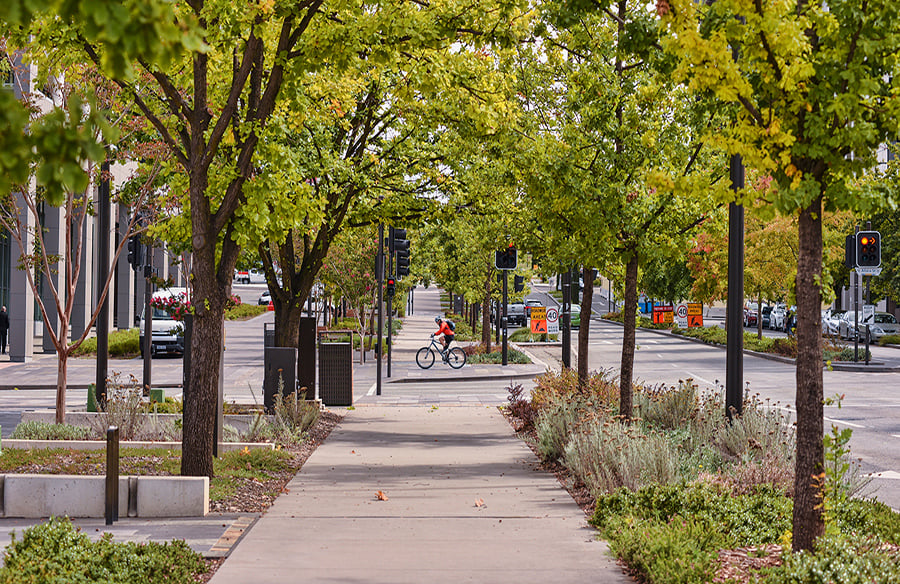
Integrating trees into urban spaces requires thoughtful planning and strategic implementation. Cities can adopt comprehensive tree planting strategies that focus on selecting native and climate-appropriate tree species. Planting trees along streets, in parks, and within public spaces enhances the urban canopy, contributing to the overall green infrastructure of the city.
2. Green Corridors and Connectivity
Creating green corridors and connectivity is essential for the success of urban forestry initiatives. Linking parks, green spaces, and tree-lined streets establishes a network of urban greenery. This interconnected design allows for the free movement of wildlife, facilitates biodiversity, and provides residents with accessible green pathways for recreation and relaxation.
3. Preservation of Existing Trees
While planting new trees is crucial, preserving existing mature trees is equally vital. Urban forestry should include measures to protect and care for mature trees, which contribute significantly to the urban ecosystem. Preservation efforts may involve safeguarding trees during construction projects, implementing tree protection zones, and adopting tree-friendly development practices.
Environmental and Economic Benefits: A Win-Win Proposition
1. Stormwater Management
Urban forestry plays a pivotal role in stormwater management, especially in mitigating the impacts of heavy rainfall and reducing the risk of flooding. Trees absorb rainwater, preventing runoff and soil erosion. The root systems of trees act as natural filters, improving water quality by trapping pollutants and sediments.
2. Increased Property Values
The presence of trees and green spaces in urban areas positively influences property values. Homes located in tree-lined neighborhoods or near well-maintained urban forests often command higher prices. Urban forestry, therefore, not only contributes to the ecological well-being of the city but also serves as an economic asset for homeowners and the community at large.
3. Energy Efficiency and Cost Savings
Strategically planted trees provide natural shade, reducing the need for artificial cooling in buildings during hot weather. This translates into energy savings for residents and businesses. Urban forestry contributes to a more energy-efficient urban landscape, leading to reduced electricity consumption and lower utility bills for both individuals and the city as a whole.
Community Engagement: Nurturing a Culture of Stewardship
1. Educational Programs and Workshops
Fostering a culture of environmental stewardship begins with education. Cities can implement educational programs and workshops that highlight the importance of urban forestry, tree care practices, and the role of residents in sustaining the urban greenery. These initiatives empower communities to actively participate in the preservation and growth of urban forests.
2. Volunteer Tree Planting Initiatives
Engaging the community through volunteer tree planting initiatives creates a sense of ownership and pride in the urban forest. Cities can organize community tree planting events, inviting residents, schools, and local organizations to participate. Not only does this contribute to the expansion of urban greenery, but it also strengthens social bonds within the community.
3. Tree Adoption Programs
Tree adoption programs allow residents to take on the responsibility of caring for specific trees in their neighborhoods. This sense of personal connection encourages vigilant tree maintenance, watering, and protection. It instills a sense of environmental responsibility among citizens and fosters a collaborative approach to nurturing the urban forest.
Case Studies: Successful Models of Urban Forestry Implementation
1. The Million Trees Initiative, New York City
New York City’s Million Trees Initiative stands as a testament to the transformative power of urban forestry on a large scale. Launched in 2007, this ambitious project aimed to plant one million trees across the city’s five boroughs. The initiative not only achieved its goal but also catalyzed a shift in public perception, emphasizing the role of trees in creating a more sustainable and resilient urban environment.
2. The Green Belt, Copenhagen
Copenhagen’s Green Belt is a pioneering example of urban planning that prioritizes green spaces and urban forestry. The Green Belt is a continuous ring of parks, forests, and recreational areas encircling the city. This green infrastructure not only enhances the city’s resilience to climate change but also provides residents with abundant opportunities for outdoor activities and connection with nature.
3. The Singapore Model: City in a Garden
Singapore has embraced the vision of becoming a “City in a Garden” by integrating urban forestry into its urban planning. The city-state prioritizes greenery in its architecture, with skyscrapers adorned with lush rooftop gardens and facades covered in vegetation. The commitment to urban forestry in Singapore has created a harmonious coexistence between the urban environment and nature.
Challenges and Solutions: Navigating the Path to Sustainable Urban Forestry
1. Urban Space Constraints
In densely populated urban areas, space constraints pose a significant challenge to the implementation of extensive urban forestry. However, creative solutions such as vertical greenery on buildings, rooftop gardens, and utilizing available pockets of land for tree planting can help overcome this challenge.
2. Tree Species Selection
Choosing the right tree species is critical to the success of urban forestry. Cities must select trees that are well-adapted to the local climate, resistant to diseases and pests, and compatible with the urban environment. Diversifying tree species helps create a resilient urban forest that can withstand changing environmental conditions.
3. Maintenance and Long-Term Care
Maintaining urban forests requires ongoing care and attention. Cities must invest in the training of arborists, regular tree inspections, and prompt response to tree health issues. Engaging the community in the maintenance process through awareness campaigns and volunteer programs can contribute to the long-term health of urban forests.