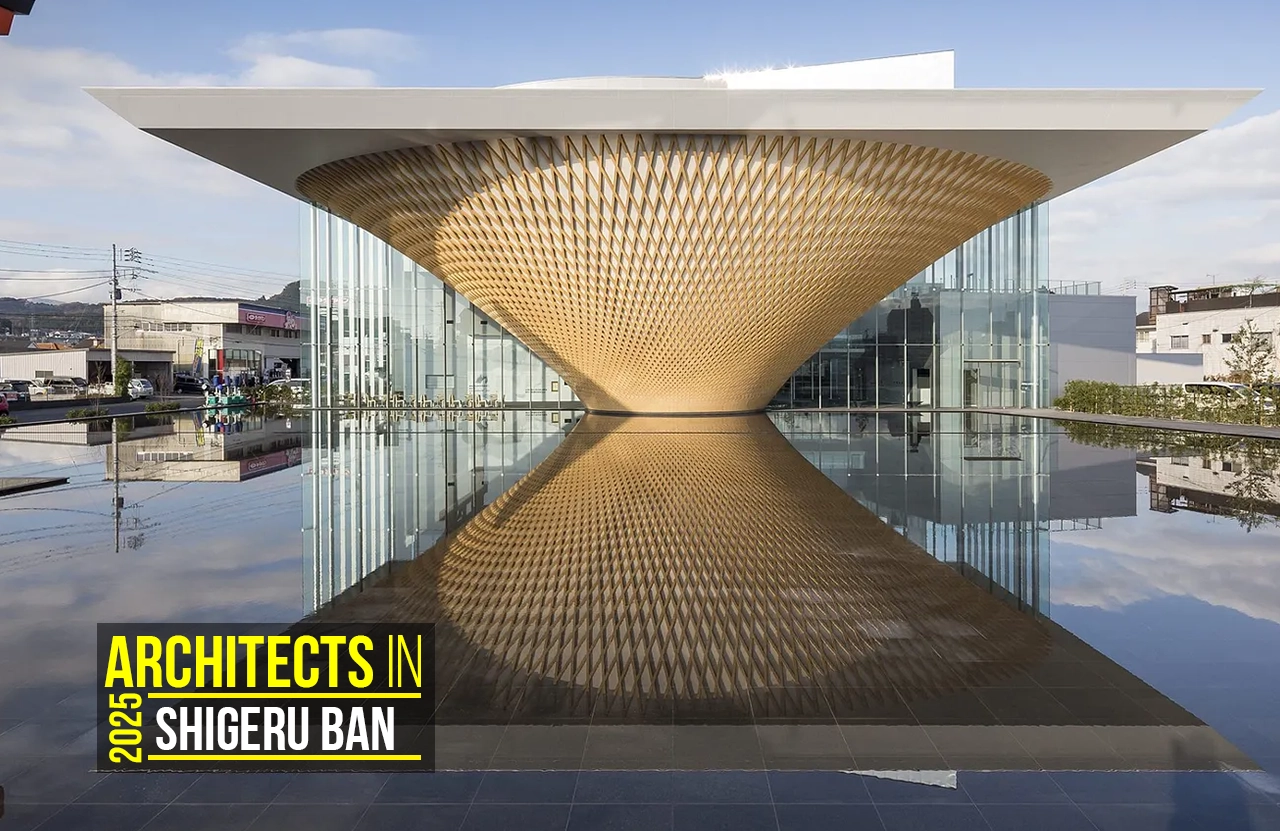
Shigeru Ban approaches architecture with a deep sense of purpose. He doesn’t chase ongoing trends or compete for an extravagant name. Instead, what drives him is far more urgent and meaningful. He focuses on people, the environment, and the pressing issues most of us tend to ignore, i.e, natural disasters, plastic waste filling our oceans, and mountains of discarded materials piling up. Where others see barriers, Ban sees opportunity.
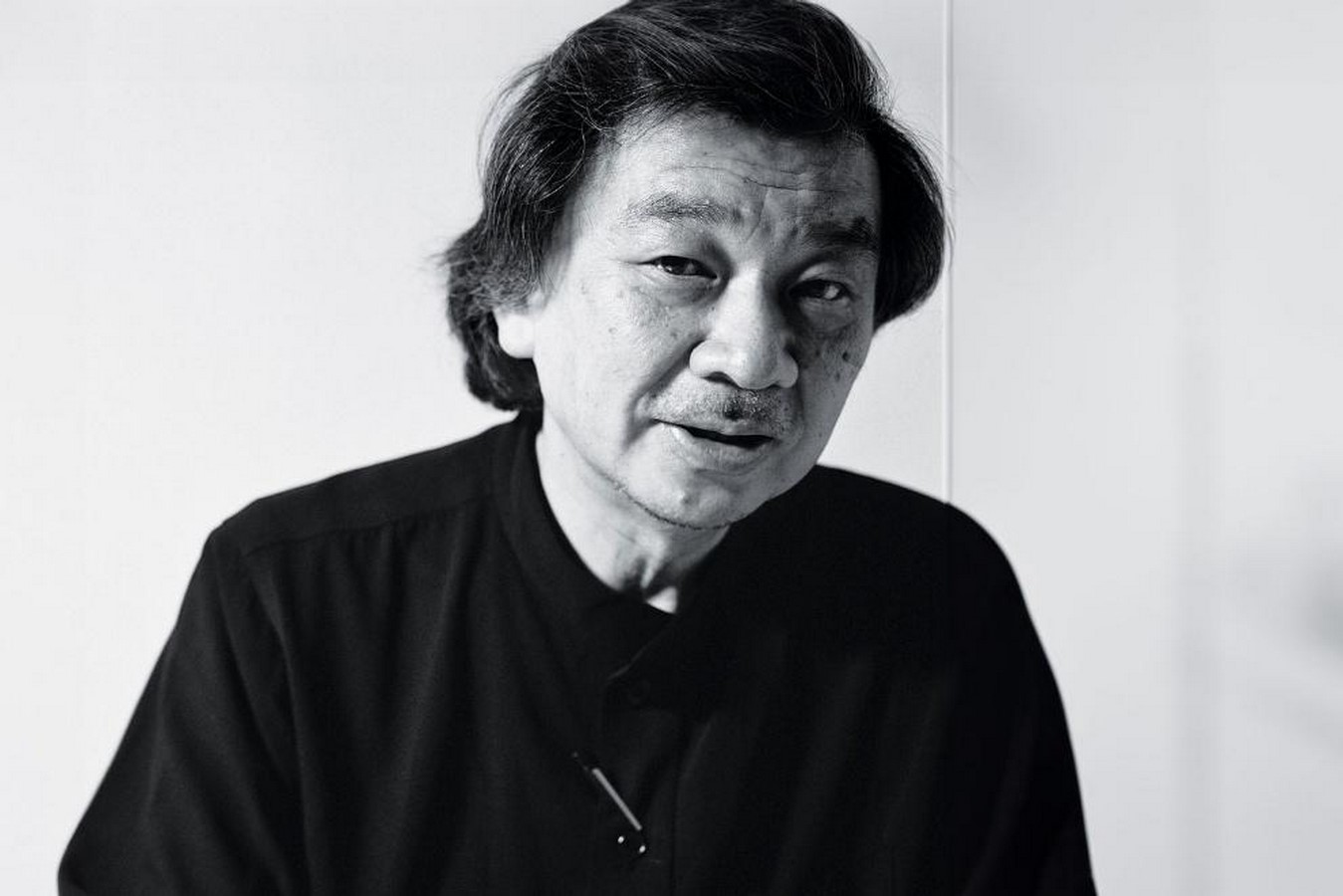
At first glance, his work appears simple and unassuming, but its intent is radical. He works with materials that others would be willing to overlook, such as paper tubes, bamboo, and recycled plastics, not because they’re trendy, but because they are practical, sustainable, and accessible. Ban understands their real strength. They’re easy to source, simple to assemble, and can be repurposed multiple times. To him, these materials are not experiments or design statements; they are necessary solutions for the obstacles at hand.
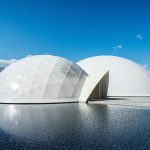
As of 2025, while many architects remain caught up in the race toward high-tech, digital designs, Ban’s approach feels effortlessly grounded and solution-driven. The Blue Ocean Dome at Expo Osaka, for example, isn’t meant to dazzle with gimmicks or over-the-top innovation. Instead, it stands as a thoughtful structure designed to raise awareness about ocean pollution, built with the intention of being disassembled and reused, not discarded.
Early Innovations and Architectural Style
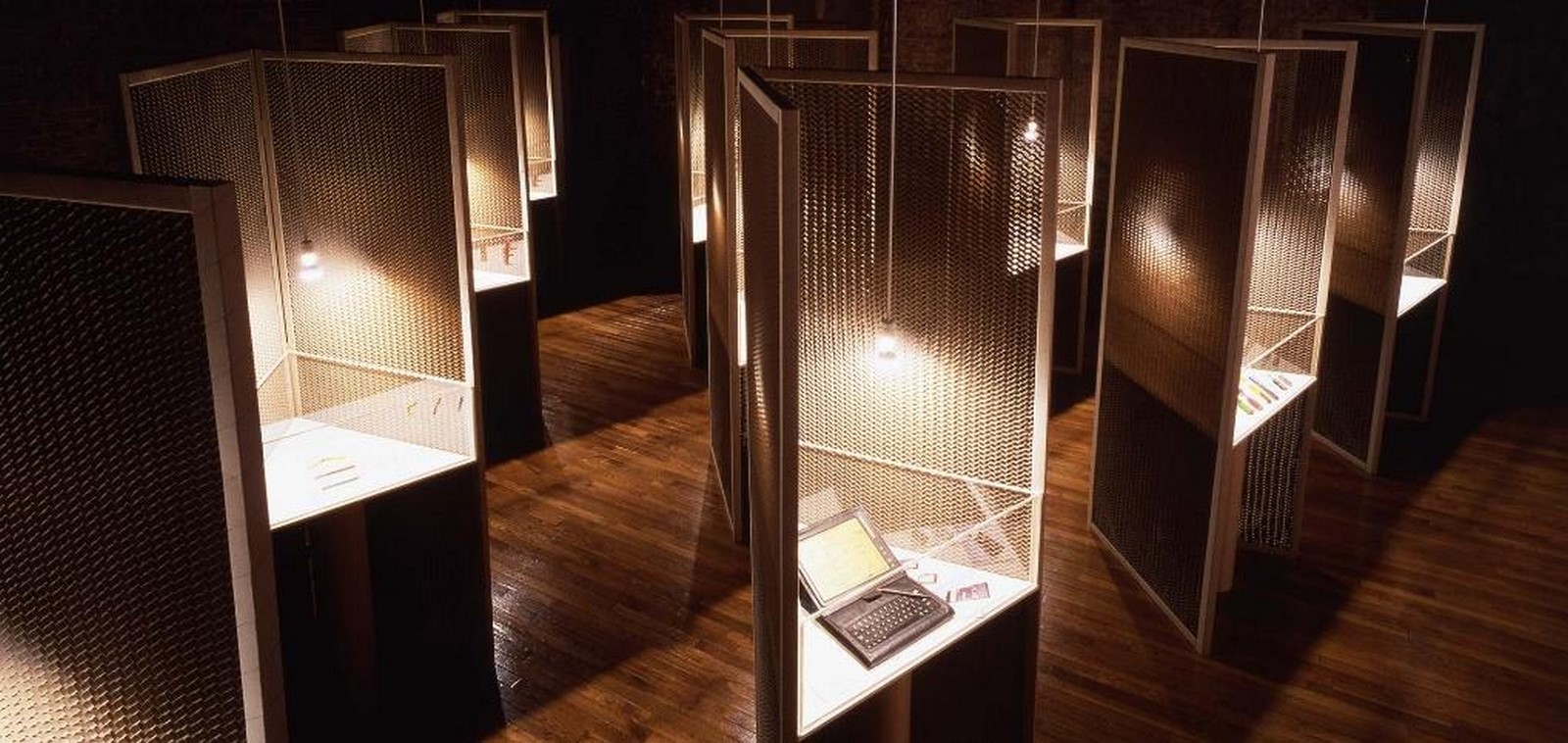
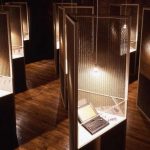
Ban developed an architecture style known for its blend of traditional Japanese architecture with elements of American Modernism. He first gained recognition for using recycled paper as a construction material in the mid-1980s, when he designed galleries for exhibitions on such architects as Emilio Ambasz and Alvaro Aalto.
Drawing from Japanese principles of simplicity, impermanence, and efficient resource use, Ban demonstrated that architecture could be both practical and poetic. Ban’s identity is about finding structural use for fugitive materials. These early projects established a foundation of sustainability and humanitarian concern, which would later become the pivoting point of his design philosophy, particularly in his pioneering work on disaster relief architecture.
Notable Projects in 2025
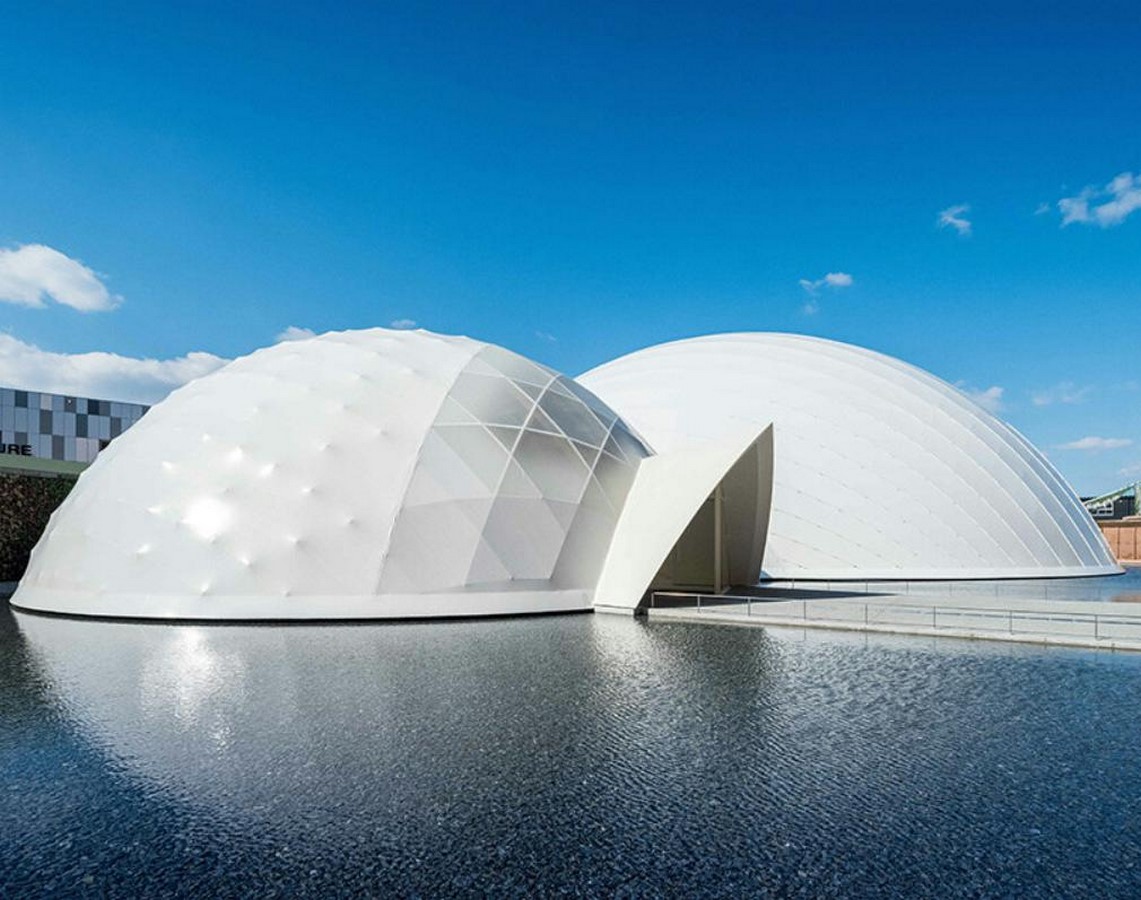
Blue Ocean Dome (Expo Osaka):
At Expo 2025 Osaka, Shigeru Ban unveiled the Blue Ocean Dome, a temporary exhibition pavilion constructed from recyclable materials including cardboard tubes, laminated bamboo, and carbon-fiber reinforced plastic. This design not only showcases innovative use of materials but also embodies Ban’s commitment to sustainability and environmental awareness. The pavilion is designed for disassembly and relocation, with plans to move it to the Maldives post-Expo, underscoring its adaptability and long-term environmental considerations.
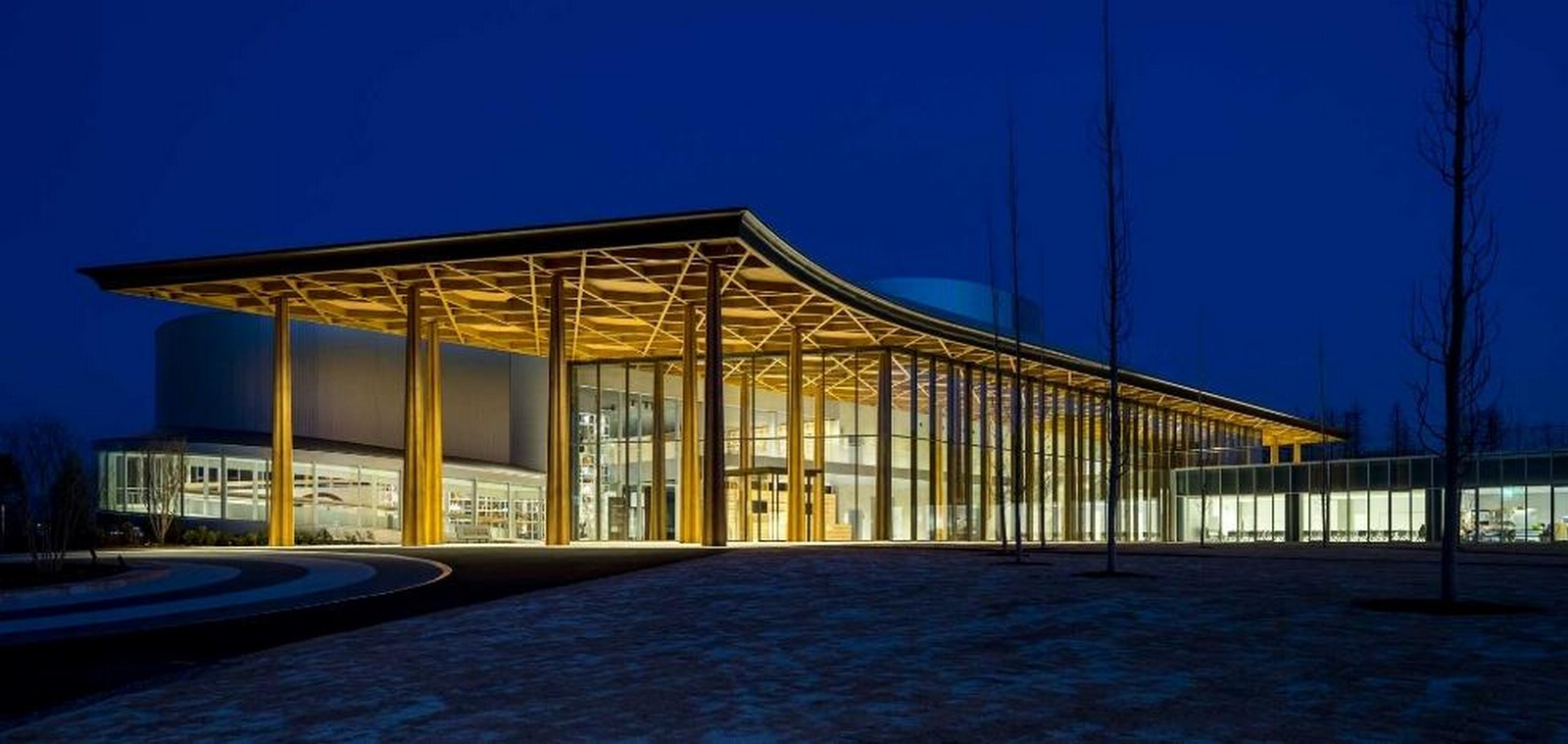
Toyota City Museum:
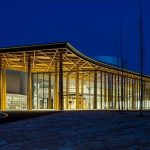
Located in Japan, the Toyota City Museum is a testament to sustainable architecture. While it is predominantly constructed with locally sourced cedar wood, the museum is Japan’s first to receive ZEB (Net Zero Energy Building) ready certification, highlighting its energy-efficient design. Beyond its environmental credentials, the museum is designed to function as a disaster response headquarters, demonstrating Shigeru Ban’s foresight in creating multifunctional spaces that serve communities in times of need.
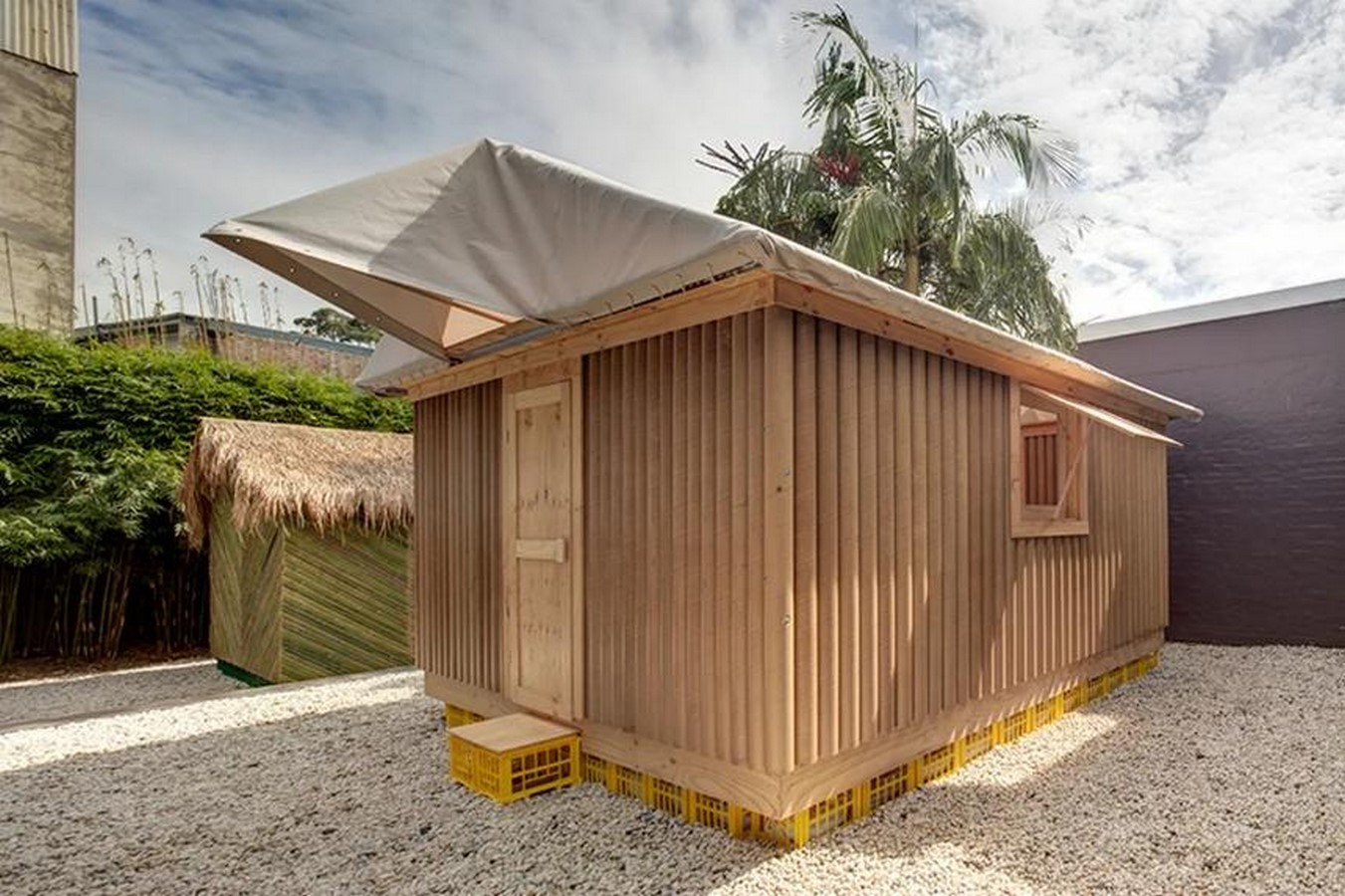
Disaster Relief Shelters:
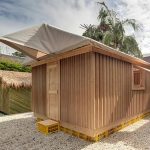
Shigeru Ban’s commitment to humanitarian architecture continues with his innovative disaster relief shelters. The Paper Partition System (PPS), developed for use in evacuation centers, consists of modular units made from paper tubes and canvas, providing privacy and dignity to displaced individuals. This system has been deployed in various disaster-stricken regions, including Japan, Ukraine, and Poland, reflecting its global applicability and impact.
A Broader Impact
Shigeru Ban’s influence goes well beyond his buildings. In disaster-stricken regions, his shelters, such as the Paper Partition System, provide instantaneous relief by offering privacy, safety, and a sense of normalcy for displaced families. By making use of low-cost, recyclable materials, these structures are accessible and quickly deployable, demonstrating that architecture can respond effectively to urgent human imperatives.
At the same time, Ban’s projects raise public awareness about environmental and human-centric issues. Structures like the Blue Ocean Dome make complex topics, such as ocean pollution, tangible for visitors, creating spaces that educate and provoke reflection. His work also sets a precedent for emerging architects, showing that thoughtful design can combine sustainability, practicality, and social responsibility. Many young architects hold in high regard Shigeru Ban’s approach as a model for integrating empathy and innovation into their own practice, reinforcing the idea that architecture can be both aesthetically pleasing and profoundly useful.
Challenges and Critique
Shigeru Ban’s work is celebrated for its humanitarian focus and material innovation, yet it reveals deeper obstacles within the architecture industry. Skepticism toward materials like paper tubes and bamboo is not just a matter of structural integrity, but reflects systemic inertia in the field of design. The industry remains restricted to standardized supply chains, rigid building codes, and profit-driven models that prioritize speed and uniformity over sustainability and community welfare.
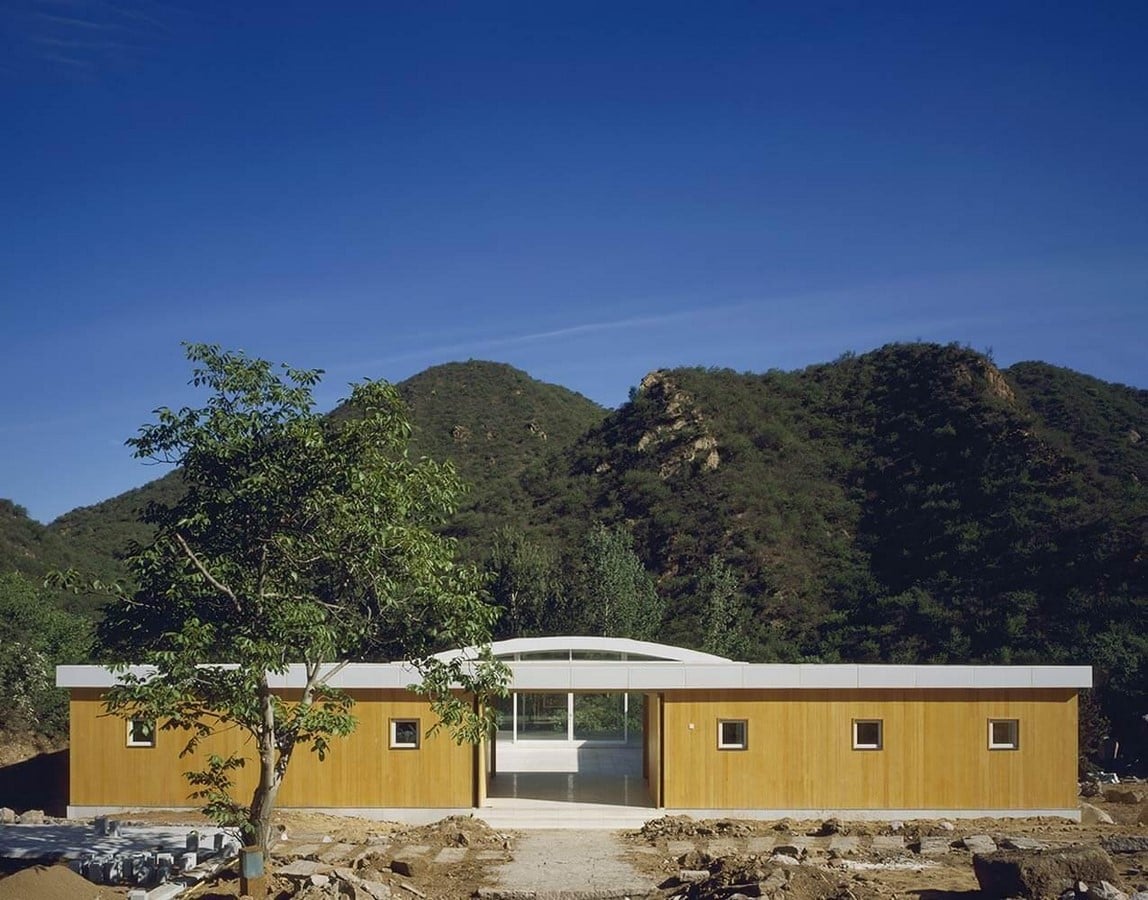
Scaling Ban’s low-cost solutions, such as his disaster relief shelters, into permanent or large-scale urban projects faces significant hurdles. These include financing systems that do not accommodate unconventional materials, regulatory frameworks resistant to his not-so-standard designs, and deeply ingrained mindsets that view sustainability as secondary or idealistic.
Ban’s architecture contested the current paradigm unobstrusively. His work suggests that true innovation lies not in spectacle, but in reimagining the systems that define construction itself. It poses a profound question: can architecture transcend the pursuit of profit to serve urgent human-centric and ecological imperatives?
Relevance Today: Architecture for Our Times
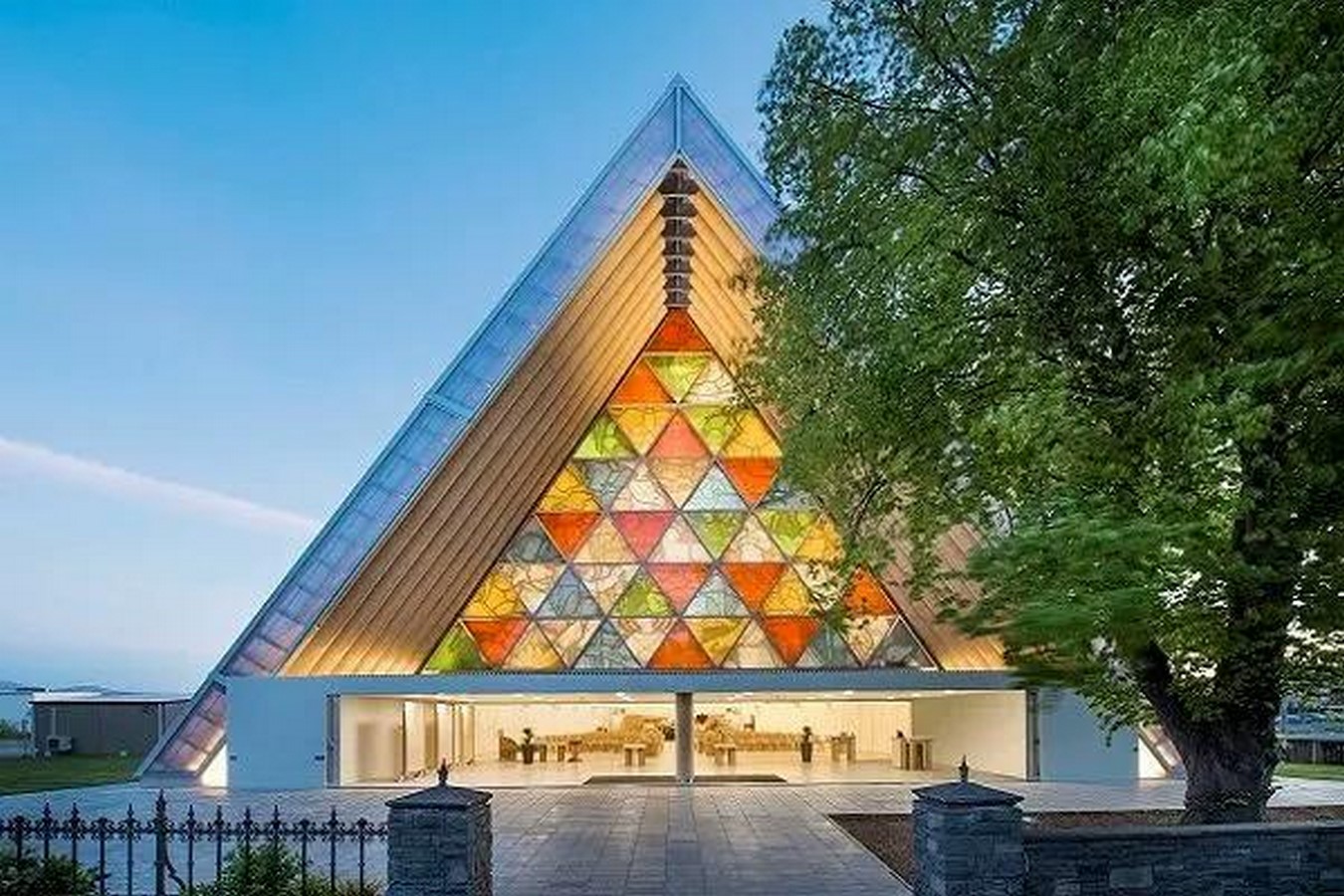
In 2025, Shigeru Ban’s work is more pertinent than ever, as climate change intensifies, natural disasters become more frequent, and resources deplete exponentially. His designs offer practical and sustainable solutions, addressing real-world problems with sheer and strict consideration. Unlike much of contemporary architecture, which often prioritizes spectacle or profit, Ban’s approach focuses on people, communities, and the environment. Every project, whether providing emergency shelter, raising awareness about environmental crises, or creating adaptable public spaces, demonstrates that architecture can be purposeful, socially responsible, and transformative on a social scale. The world today is overwhelmed by excess. Shigeru Ban reminds us that true innovation lies in empathy, resilience, and action.
Conclusion: Architecture as a Quiet Revolution
Shigeru Ban doesn’t just build structures; he bends the rules of what we think architecture can be capable of. Cardboard, bamboo, recycled scraps, materials that are mostly dismissed, become instruments of change in his hands. His work represents a radical truth: that elegance doesn’t need grandeur, innovation does not always need to use new techniques, and it can give rise to new innovations using old techniques. In a world obsessed with spectacle, Ban proves that subtlety, care, and courage can shake the foundations of convention. Architecture through him becomes a revolution, a testament to the idea that the smallest gesture can be guided by vision and conscience, which can end up leaving the largest mark.
Update (2026): Shigeru Ban received the 2026 AIA Gold Medal — the American Institute of Architects’ highest honour — adding to his 2014 Pritzker Prize. For his most important buildings, see our guide to the 15 works of Shigeru Ban every architect should visit.
References:
The (2010). Shigeru Ban | Japanese Architect & Sustainable Design Pioneer. [online] Encyclopedia Britannica. Available at: https://www.britannica.com/biography/Shigeru-Ban.
MaterialDistrict. (2025). Blue Ocean Dome by Shigeru Ban Showcases Cardboard, Bamboo and Carbon Fibre at Expo 2025 Osaka – MaterialDistrict. [online] Available at: https://materialdistrict.com/article/blue-ocean-dome-by-shigeru-ban-showcases-cardboard-bamboo-and-carbon-fibre-at-expo-2025-osaka [Accessed 9 Sep. 2025].
https://www.facebook.com/archellocom (2024). Toyota City Museum | Shigeru Ban Architects | Archello. [online] Archello. Available at: https://archello.com/project/toyota-city-museum [Accessed 9 Sep. 2025].
Ro, L. (2017). Shigeru Ban’s disaster relief structures take spotlight in new exhibition. [online] Curbed. Available at: https://archive.curbed.com/2017/3/27/15077038/shigeru-ban-sherman-contemporary-art-foundation-emergency-shelter [Accessed 9 Sep. 2025].
www.pritzkerprize.com. (n.d.). Shigeru Ban | The Pritzker Architecture Prize. [online] Available at: https://www.pritzkerprize.com/laureates/2014.