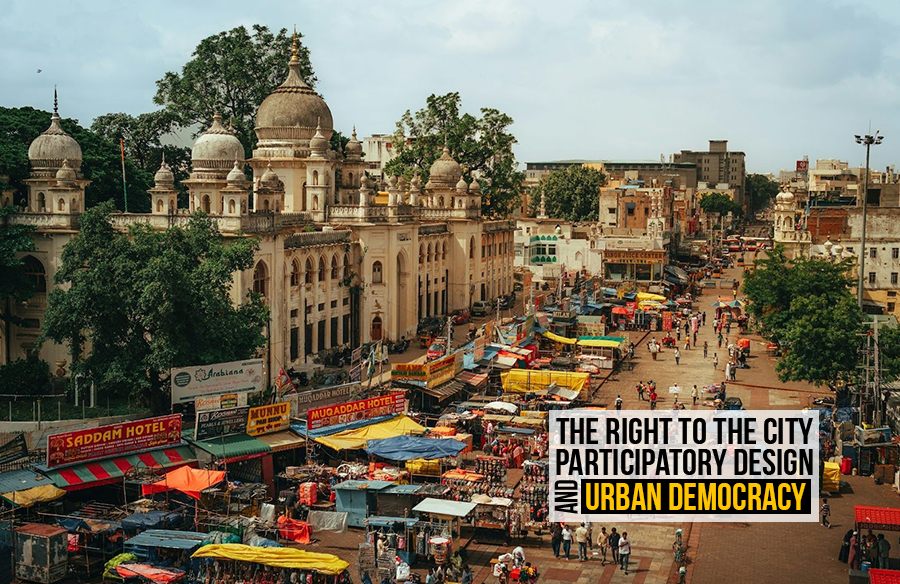
A city, after all, is more than just an assemblage of buildings, roads and infrastructure. It is an organism that lives and breathes, a vibrant fabric of the everyday reality, history, friction and hopes of its people. The place where the drama of life takes place, but who is allowed to author this script? Who directs the action? The structure and creation of our cities have been controlled by the few for hundreds of years- monarchs, state planners and most recently private developers. But the decisions are made in a vacuum unbeknownst to most of their lives, those that these people directly affect, and usually, almost everyone else is relegated to the role of spectator. The innovative idea known as “The Right to the City” emerged as a powerful force due to the democratic deficit, serving as a strong mandate to reclaim our cities, as a collective activity, as a shared common pool.
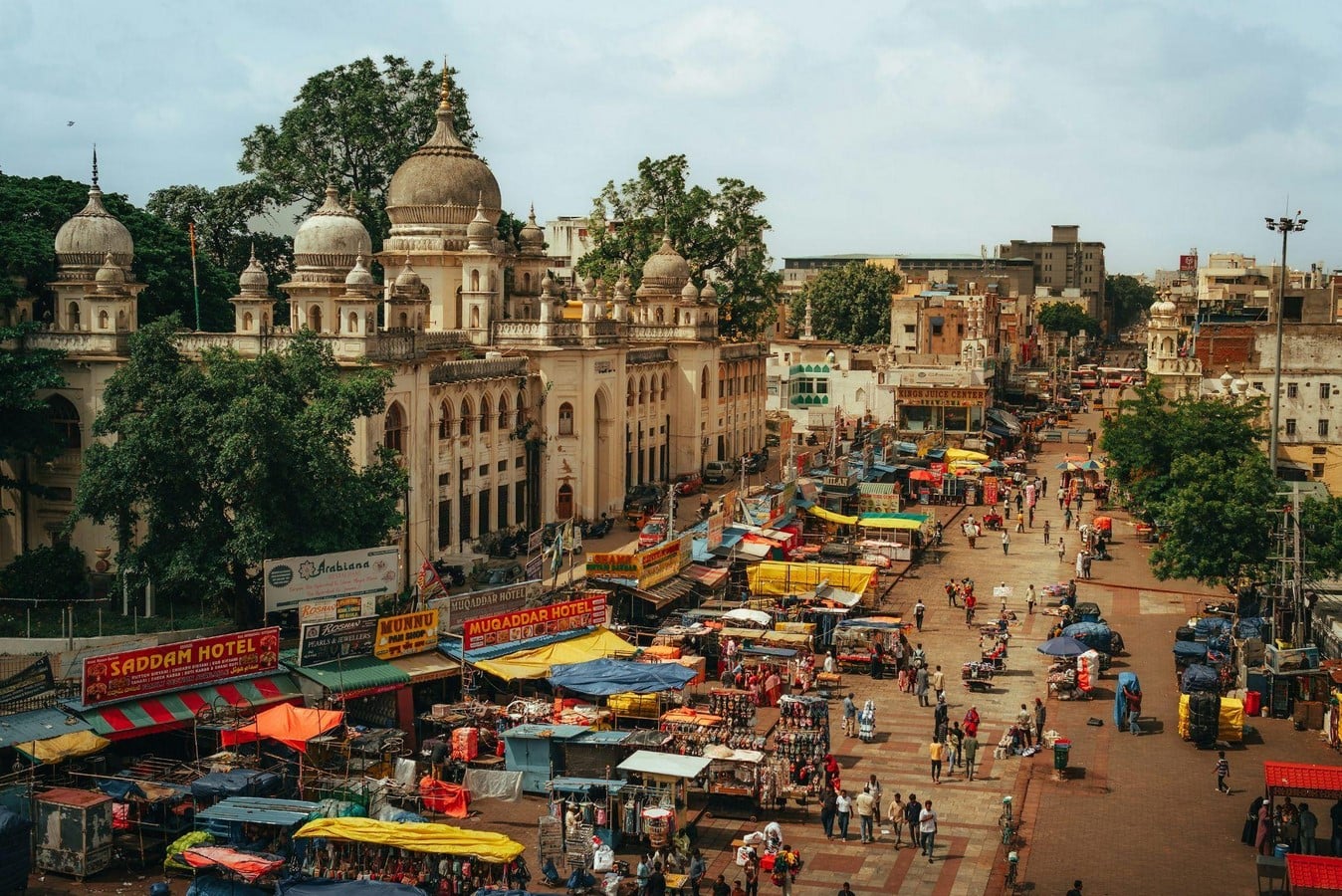
This right, though, is different from mere access to the urban resources already available to people; it is the much more radical right to change and remake the city in our image. It asserts that urbanism is a co-production; an arena of democratic contestation and collaboration. In the 21st century, one of the most important tools for making this a reality is participatory design, which does not simply rely on expert top-down knowledge but draws on the lived experience and collective intelligence of the community. Democratic values and decision-making can be inserted directly into the act of creating architecture and planning our cities. When we create cities that are just, equitable, and representative of their inhabitants, rather than designed for pure efficiency and profit, we can have the city we want to have.
The Cry for the City: Henri Lefebvre’s Vision
In 1968, the French sociologist and philosopher Henri Lefebvre prepared much of the intellectual foundation for the movement with his book Le Droit à la ville (The Right to the City).
In addressing modern social upheaval, Lefebvre experienced capitalism restructure the idea of the city into a consumptive space: a segregated, regulated space, where the authentic, messy, spontaneous, smart, lived life of the city was being dematerialised.
He said the city was becoming a product to be bought and sold rather than an oeuvre – a collective work of art over time by the people who inhabit it. This estranged citizens from their own world and turned them from “inhabitants” into “users”.
Lefebvre’s “right to the city” was a call for a renewed, transformed and democratised urban life. He distinguished several dimensions of urban space: the ‘conceived space’ of planners and architects (the documents, maps, and models), the ‘perceived space’ of everyday use and function, and most importantly, the ‘lived space’ (l’espace vécu). The lived space is the domain of imagination, memory, and symbolism: the city in its emotional and cultural experience by its inhabitants. Lefebvre noted a consistent failure of top-down planning to address this dimension of urbanity, favouring order and function that is technically sound but socially and spiritually mute; to Lefebvre, the Right to the City is, therefore, a right to safeguard and enrich this lived space, a right to occupy urban space as our own.
From Collective Work to Commodity: David Harvey’s Critique
Decades later, British-American geographer David Harvey took up the baton from Lefebvre and provided an update to his critique in the age of neoliberal globalisation. In books like Rebel Cities, Harvey has claimed that the types of forces that Lefebvre identified have been accelerated dramatically. Harvey’s main argument is that cities have become the primary sites for capital accumulation and that urbanism is less often about producing housing and public services but about producing profitable opportunities for a global financial elite. Harvey’s work often points to accumulation by dispossession—a process of appropriating a common or public asset and transferring it to the private sector for profit. This is evident in the privatisation of public squares, the aggressive gentrification of working-class neighbourhoods, and development blocks which displace long-established communities for the sake of creating luxury enclaves.
In Harvey’s view, the “right to the city” is a class problem. Capital’s freedom to invest and divest in accordance with its own interests undermines the freedom of the urban majority; to construct a “world-class” city for rents by tourists, tech elites and international finance, which undermines, if not eradicates, the provision of affordable housing, small business and public space for ordinary urban inhabitants. Harvey re-conceptualises the Right to the City not as a nostalgic cry, but rather a matter of political struggle where the collective power of the disempowered is an able to demand codified control over urbanization itself, and to pose the more fundamental question; “What kind of city do we want to inhabit?” and more importantly “How will we build it?”
From Theory to Practice
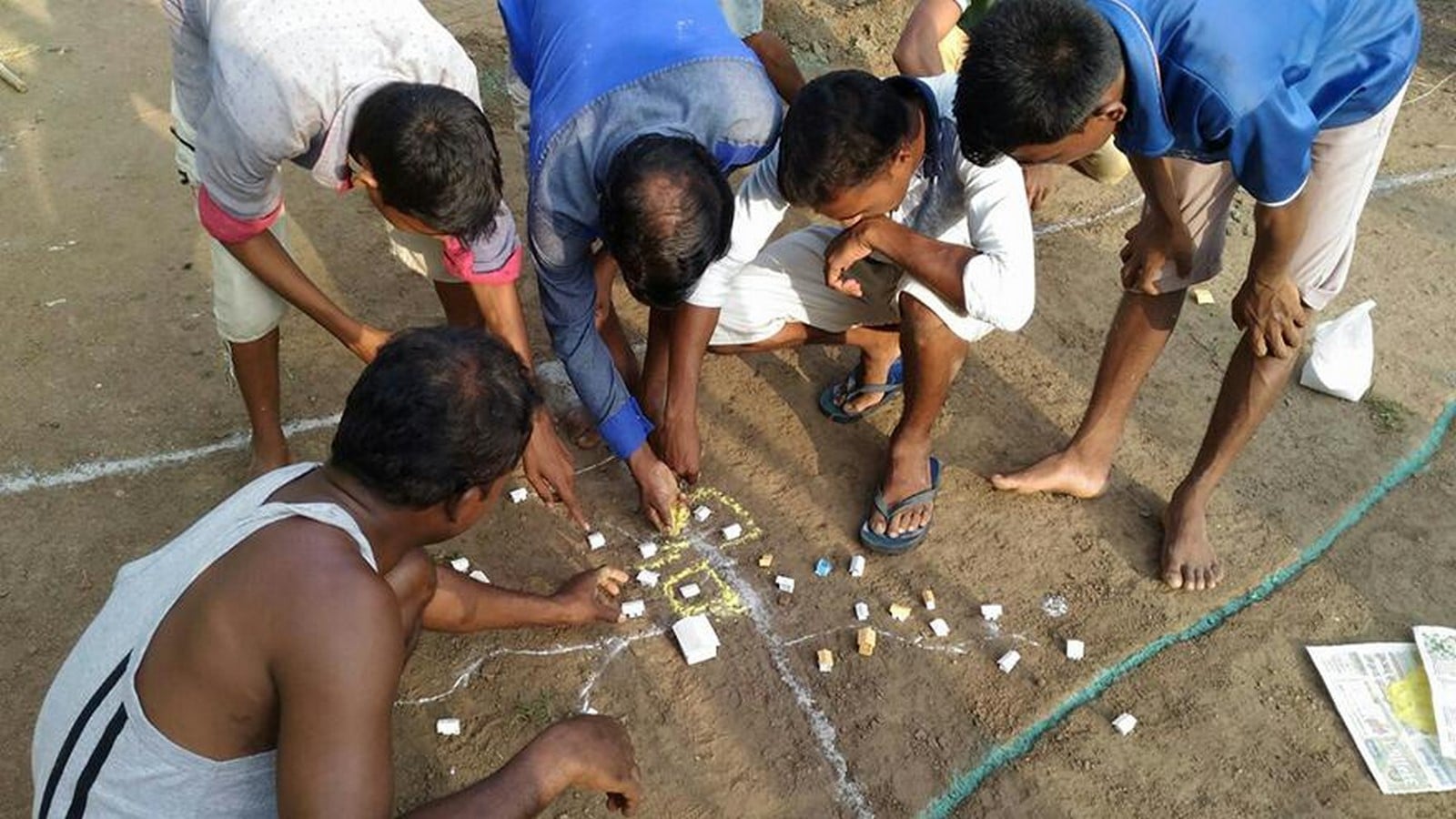
If Lefebvre and Harvey offer the “why,” participatory design provides the “how.” It is the pragmatic methodology for turning the abstract right to the city into immediate action. Participatory design—also known as co-design or community-led design—is a fundamentally different approach to the creation of the built environment, since it dispenses with the model that an “expert” architect or planner designs for a community. Rather, it establishes a space where designers and community members work with each other as equal partners to harness knowledge in order to come to a solution. The designer possesses technical skill, while the community has an irreproachable knowledge of the deeply contextualised ‘lived space’ of interdependent social networks, informal economies, timing and rhythms of everyday life, and cultural meanings.
The potential benefits are numerous. Projects that result from a participatory process are more likely to succeed and be sustained – they cater to actual needs, which have been articulated, and not the needs which were assumed. They enhance people’s ownership in a place and pride, knowing their ideas and efforts are being put to use in the society or space which belongs to them. They also build social capital, build trust between citizens and authorities, and serve an important role in exposing an overt process of grassroots democracy. It empowers the citizen from being an object of public service provision to becoming an active agent of change. They allow communities to redesign their future.
Participatory design is often slower and more complex than done-from-the-top planning, and it almost always needs good enabling and sincere bargaining. Also, there is a danger of tokenism, where consultations are held purely for the purpose of giving the appearance of participation to some other fully made decision. In order for design to really work, it is the communities that have to be empowered and fully engaged in the planning and implementation processes.
A Participatory Pathway Forward
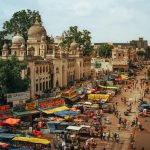
The area surrounding Kolhapur‘s historic Mahalakshmi Temple is a densely populated mixed-use area, which includes places of residence, businesses, and vendors who coexist with millions of annual pilgrims. To address heavy traffic and pedestrian flow in the region’s narrow streets, the local authorities implemented a one-way street treatment in a top-down solution. While the one-way streets can improve the flow of vehicles and access for pilgrims, they also sever previously organisable connectivity throughout the neighbourhood. Local residents must take long alternate routes for their day-to-day activities and leave local businesses inaccessible. While the traffic calming plan is created for visiting, temporary visitors, it fails at serving the daily needs of the neighbourhood as permanent inhabitants, and represents the tension between a formally planned order of urbanity and the lived experience of urban life.
The challenge is how to change the system without causing damage to the local residents and businesses, and positively integrate visitors. Incorporating a participatory design would be a potential path forward, involving all stakeholders, including residents, shopkeepers, vendors, transport unions, temple authorities and planners in a co-created approach. It does not have to prescribe new directions; it seeks to understand everyday existence, whilst mapping a variety of routes, the delivery, and social patterns which are sometimes non-priorities. Doing this with a series of workshops, conversations, and collaborative problem solving leads to community-specific support, as part of an unfolding process. For example, time-controlled traffic during peak consumption hours could give local accessibility lanes to residents, active pedestrian-priority zones, whilst allowing businesses to still function effectively. Making economic livelihoods central to the proposal leads to a solution that was perceived as working and was community-assessed as equitable.
In conclusion, cities in their best condition are living things. They are shaped by more than buildings and design; they are shaped by the cities’ people. The people’s voices and agency have been disciplined by top-down urban space control, making them passive users of urban space, not active inhabitants of it. The “Right to the City”, as put forth by Henri Lefebvre and David Harvey, means taking back urban spaces as sites for collective, democratic interactions where all inhabitants have a stake and say in urban space. Participatory design is important to regain this right because participatory design links the expert’s knowledge of design to the community’s experience of place in order to contribute to cities that are inclusive and equitable and accurately represent the needs and aspirations of their inhabitants. Meaningful change in urban space happens through mutual engagement, where diverse participants develop collective responses that recognise the lived conditions and future needs of the community. The use of participatory methods is critical to forming cities that really belong to people. As Davidson states, “cities are more than functional and efficient – they should also be passionate, just, and humane!”
References-
July 26, 2021 by Ilana Lipsett, August 11, 2025 and July 23, 2025 (no date) Creating better futures through collective intelligence, IFTF. Available at: https://www.iftf.org/insights/creating-better-futures-through-collective-intelligence (Accessed: 19 August 2025).
The right to housing: A holistic perspective. from concept to advocacy, policy, and practice: The plan journal (1970) The Right to Housing: A Holistic Perspective. From Concept to Advocacy, Policy, and Practice | The Plan Journal. Available at: https://www.theplanjournal.com/article/right-housing-holistic-perspective-concept-advocacy-policy-and-practice (Accessed: 19 August 2025).