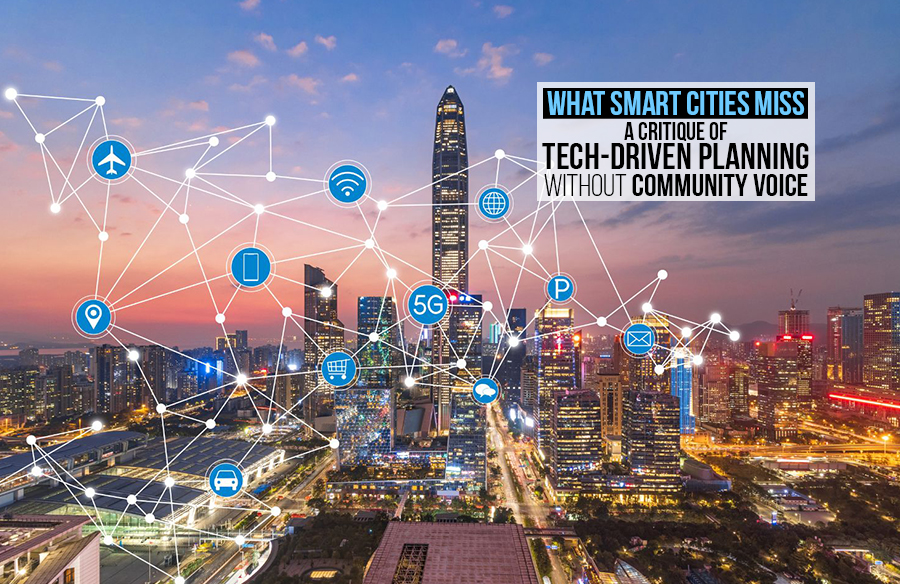
Since the middle of the 20th century, the world has been experiencing a wave of urbanisation never seen before. The development of a smart city emerged due to challenges faced in the past centuries. The smart cities offer a combination of digital technology in urban infrastructure, providing seamless transportation facilities, reduced carbon footprints and improved public services. Although due to this, there are many critical opinions of communities regarding the planning and implementation process. This happens due to missing data and tech-centric approaches that result in cities that are smart in name only.
Smart cities are often considered to be a part of technological advancements, which turn out to face criticism as they neglect community needs and voices in their planning process. This leads to a disconnect between smart city initiatives and the experiences of residents from marginalised communities. These communities face challenges that directly affect the quality of life. Due to their economic standing and sociocultural marginalisation, they are often excluded from urban decision-making that can positively transform their lives.
The following is the list of issues that hamper the smart city initiatives listed below: Lack of community engagement involves a lack of commitment to residents, which results in unaddressed solutions for specific needs and priorities. Focus on technology over people majorly emphasises technological solutions rather than focusing on poverty, inequality and access to basic services. There are concerns about data privacy as smart cities collect vast amounts of data, which hampers data security, leading to its misuse. Hence, it is very important to maintain transparency and accountability in data handling to build trust with the residents. Smart city initiatives also lead to difficulties as they can’t afford to live in neighbourhoods. These initiatives are mostly based on global models that don’t reflect the local context and needs. By addressing these concerns and prioritising community voices, smart cities can become more inclusive, equitable, and beneficial for all residents.
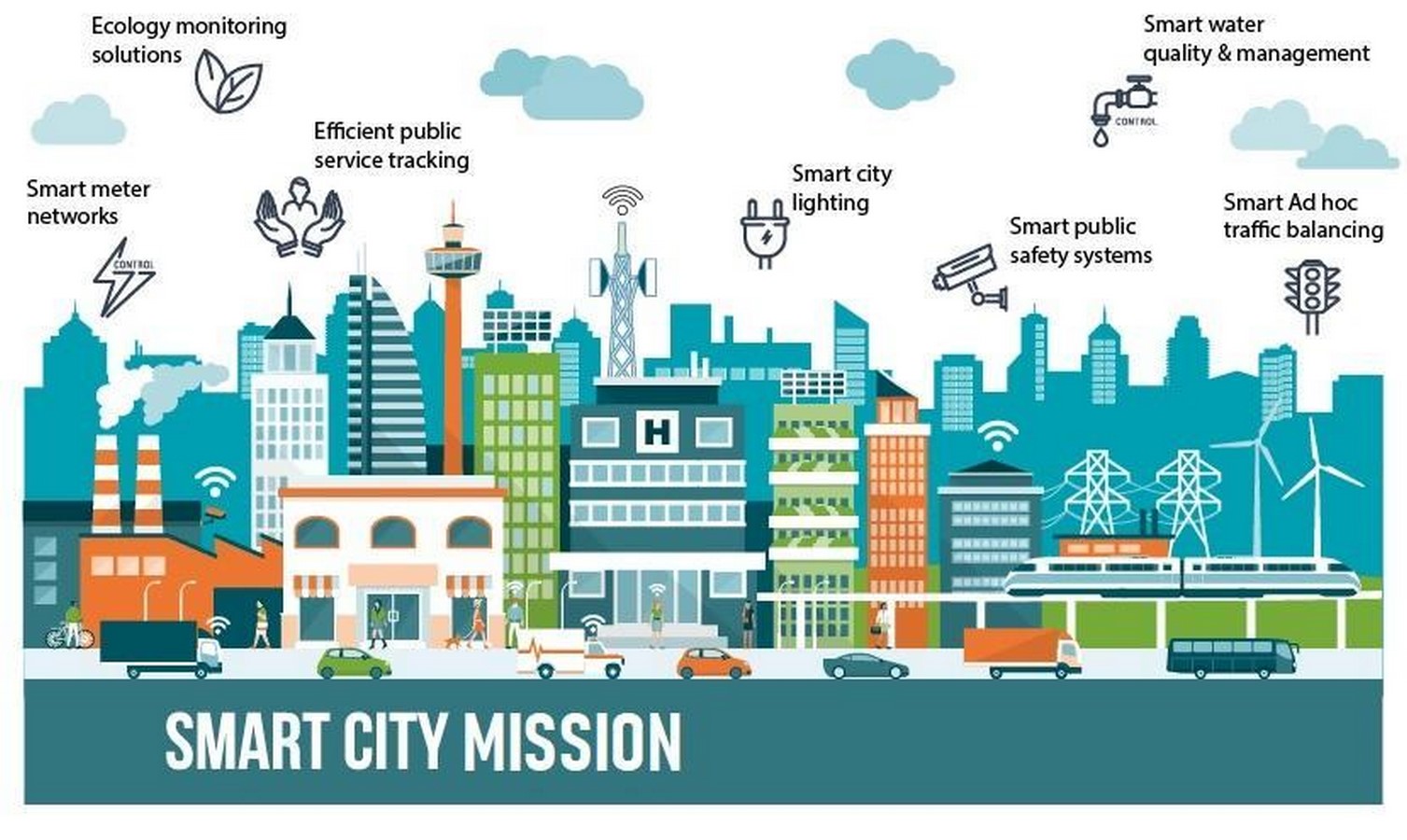
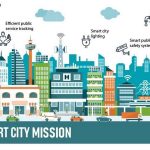
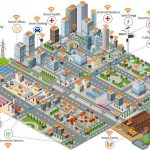
The smart city mission aims to enable local development, creating smart solutions that increase economic growth and improve the quality of life for people. The development in terms of smart cities is based on data-driven decision-making as it manages traffic patterns, utilities and also predicts future needs through the new-age concept of artificial intelligence. These tools can enhance the functionality of any city with the help of proper governance and local knowledge of the people. The cultural, social and economic contexts shaping the neighbourhood risk the technological solutions provided by the smart cities, which creates a negative impact.
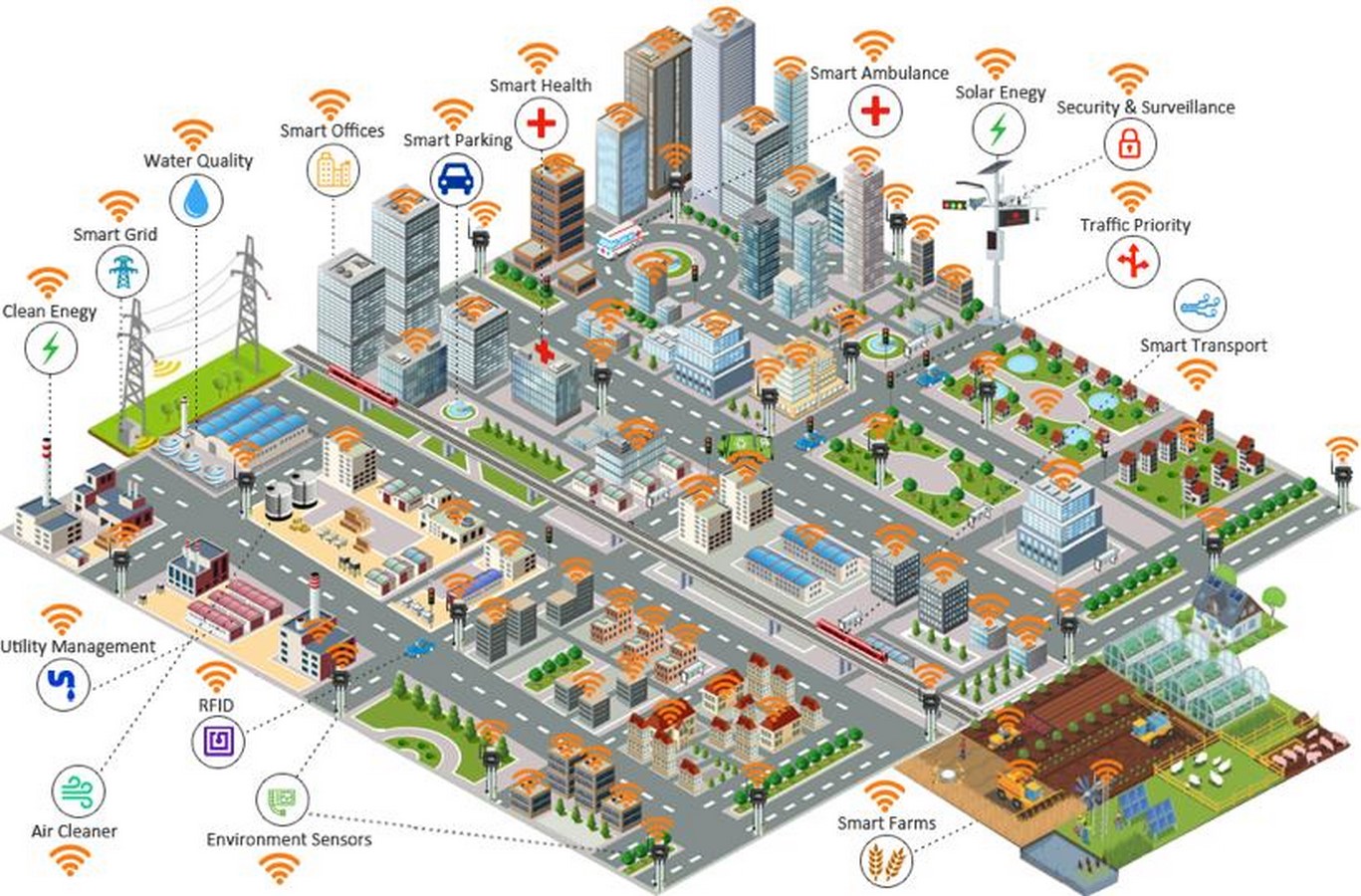
A lot of issues, including privacy, policies and trust, have targeted marginalised communities. A lot of smart infrastructure did not benefit the low-income people due to a lack of knowledge about access to smartphones and literacy. While this helped benefit other people in terms of facilities, such as the installation of smart surveillance systems, digital kiosks and transit systems, enabling cities to become smart. Technology-driven planning is very crucial for building smart cities that help enable enhanced public services, efficient resource management and improved quality of life. They help enhance sustainability and help foster citizen engagement and green infrastructure, which shapes cities to be more responsive, connected and livable.
The tech-driven planning reduced overflow waste by 80% in the city of San Francisco with the help of smart sensors. The city was struggling with dirty and unsanitary streets due to growing cleaning costs. The sensors were installed in public street bins that helped optimise the placement of bins and also improve the routes of collections for garbage. This solution improved the cleanliness of San Francisco by an 80% reduction in overflowing waste. While some projects improve the infrastructure with their smart solutions, some solutions are criticised due to a lack of community input. Planit Valley in Portugal was expected to be a smart city to house 2,25,000 people, but the developers never managed to create and unite a team, and hence the project failed. Well, this plan created a lot of havoc amongst the communities and the government and failed to become a smart city.

Democratic processes require urban development rooted in them, which helps the communities to achieve success. Technological innovation, when balanced with proper planning, helps create solutions that are both smart, equitable and responsive. This requires proper involvement of the residents to help in decision-making to help the community voice achieve well-equipped, tech-driven planning to make a smart city. Also, smart cities should be defined by their ability to serve and represent the people residing there.
Smart cities are considered to be the future of urban living, where the communities are the main voices in building them. Technology helps enhance cities, which require combining digital innovation and community participation. This requires the planners to understand that the sensors and algorithms cannot replace community voices, and thus, in this way, inclusive cities can be achieved.
Citations:
- Cutting through the clutter of smart city definitions: A reading into the smart city perceptions in India (2019) ScienceDirect. Available at: https://www.sciencedirect.com/science/article/abs/pii/S1877916618302935 (Accessed: 01 August 2025).
- Inclusive smart cities? Technology-driven urban development and disabilities (2024) ScienceDirect. Available at: https://www.sciencedirect.com/science/article/pii/S0264275124005481#:~:text=Smart%20cities%20rely%20on%20the,management%2C%20energy%20consumption%2C%20etc. (Accessed: 01 August 2025).
- Smart cities that failed along the way (2020) Tomorrow City. Available at: https://www.tomorrow.city/smart-cities-that-failed-along-the-way/(Accessed: 01 August 2025).
- Embedding Community Voice into Smart City Spatial Planning (2022) Institute of Development Studies. Available at: https://niua.in/intranet/sites/default/files/IDS_Policy_Briefing_186%20%282%29.pdf#:~:text=These%20communities%20face%20challenges%20that%20directly%20affect,making%20that%20can%20positively%20transform%20their%20lives(Accessed: 18 August 2025).