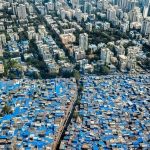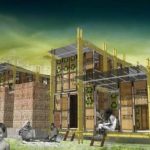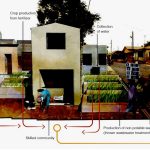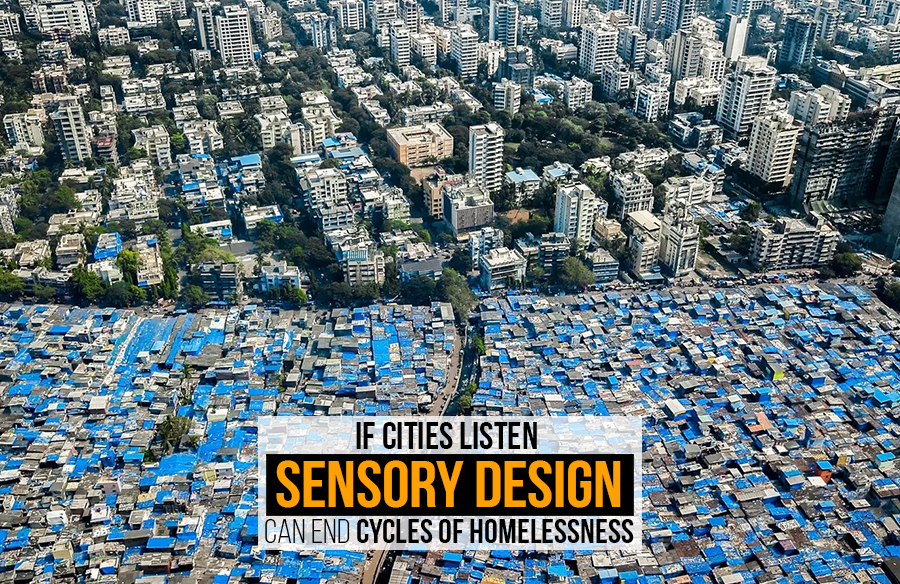
The physical environments people inhabit directly shape societal opportunities and the quality of life. For most city dwellers, the urban landscape evokes admiration for its energy and iconic sights. Yet, for those without shelter, the same environment becomes an exhausting sensory bombardment—harsh lights, cold concrete, and relentless noise—which compounds health problems and shortens life expectancy. These sensory conditions reveal how socio-spatial boundaries enforce inequity and exclusion: this is the essence of sensory urbanism. Current urban planning often privileges sensory experiences for the affluent instead of prioritizing basic needs. To address rising homelessness and advance public health, cities must apply sensory-aware urbanism to housing, shelter, and infrastructure, ensuring sensory well-being for marginalized residents as a foundation for equitable urban development.
Poverty as a Sensory Crisis
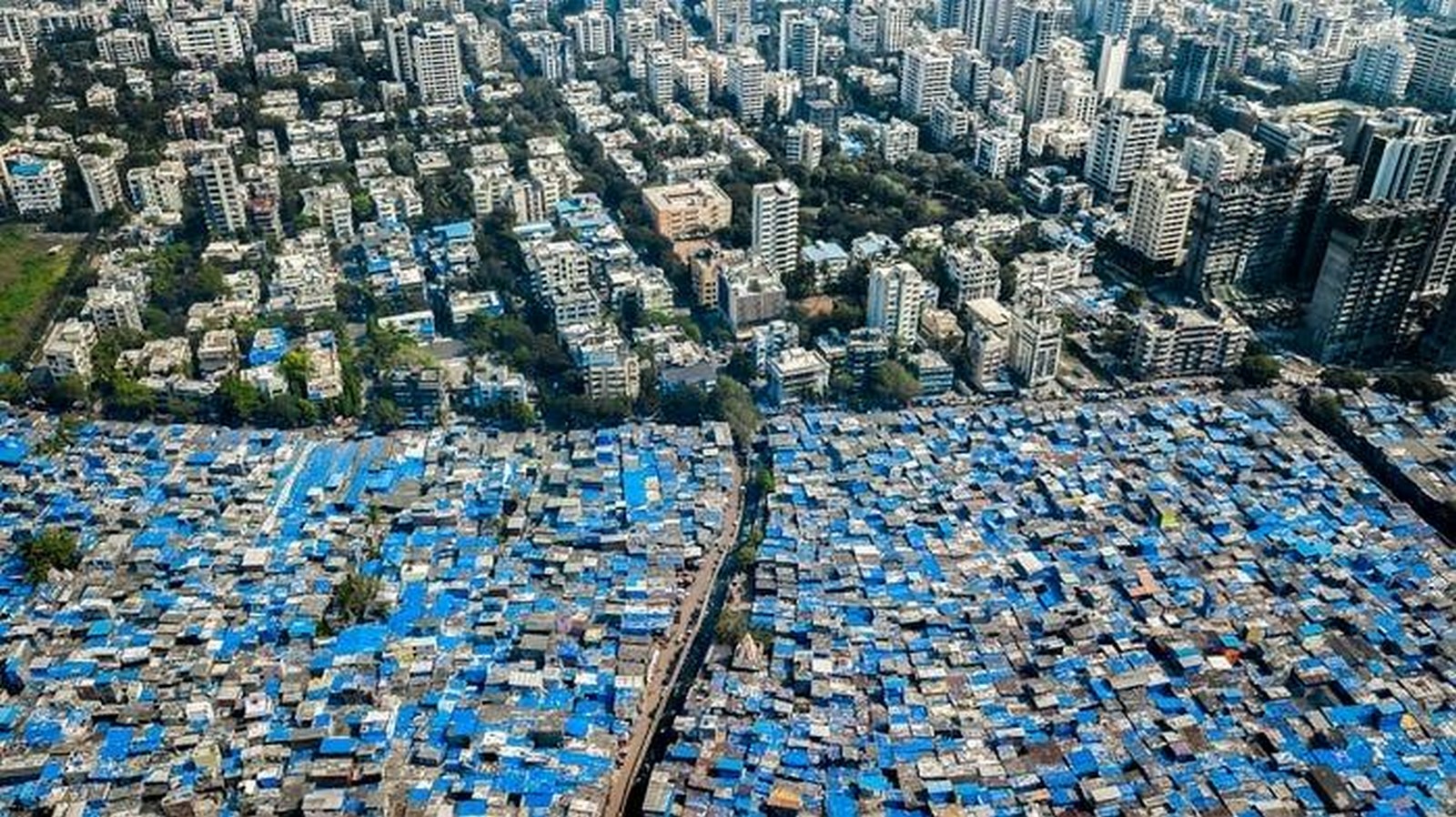
Constant exposure to the senses while in the city is the result of both formal policies and everyday micro-politics of exclusion. A study conducted by Raffe and his colleagues discusses how disruption of comfort and belonging are most notable in the poverty contexts of sensory urbanism. Harsh sensory conditions, such as hostile architecture, exacerbate the impoverished urbanite population and can lead to chronic stress, illness, and disconnection due to a lack of resting spaces. Hostile architecture is an urban design scheme that uses elements of the built environment to purposefully restrict behavior and public accessibility, fundamentally going against the purpose of public spaces, and targets people who rely on public spaces, including but not limited to the youth, the elderly, and the homeless. More notably, it reflects deeper systemic issues in how governments allocate resources: Cities would rather spend hundreds of thousands on benches with dividers, slanted bus stops, and spikes beneath bridges to shun the homeless from rest, instead of funding affordable housing or shelters. The richest cities would rather punish the impoverished rather than alleviate their struggles or address poverty’s root causes. The sensory immersion found in urban areas reflects the struggle of marginalized communities.
The Sensory Framework for Housing Equity
Sensory urbanism distinctly shapes residents’ and tourists’ experiences. Understanding these regimes can help design stable urban spaces that foster positive sensory experiences that are equitable for all, regardless of someone’s housing situation.
Sight
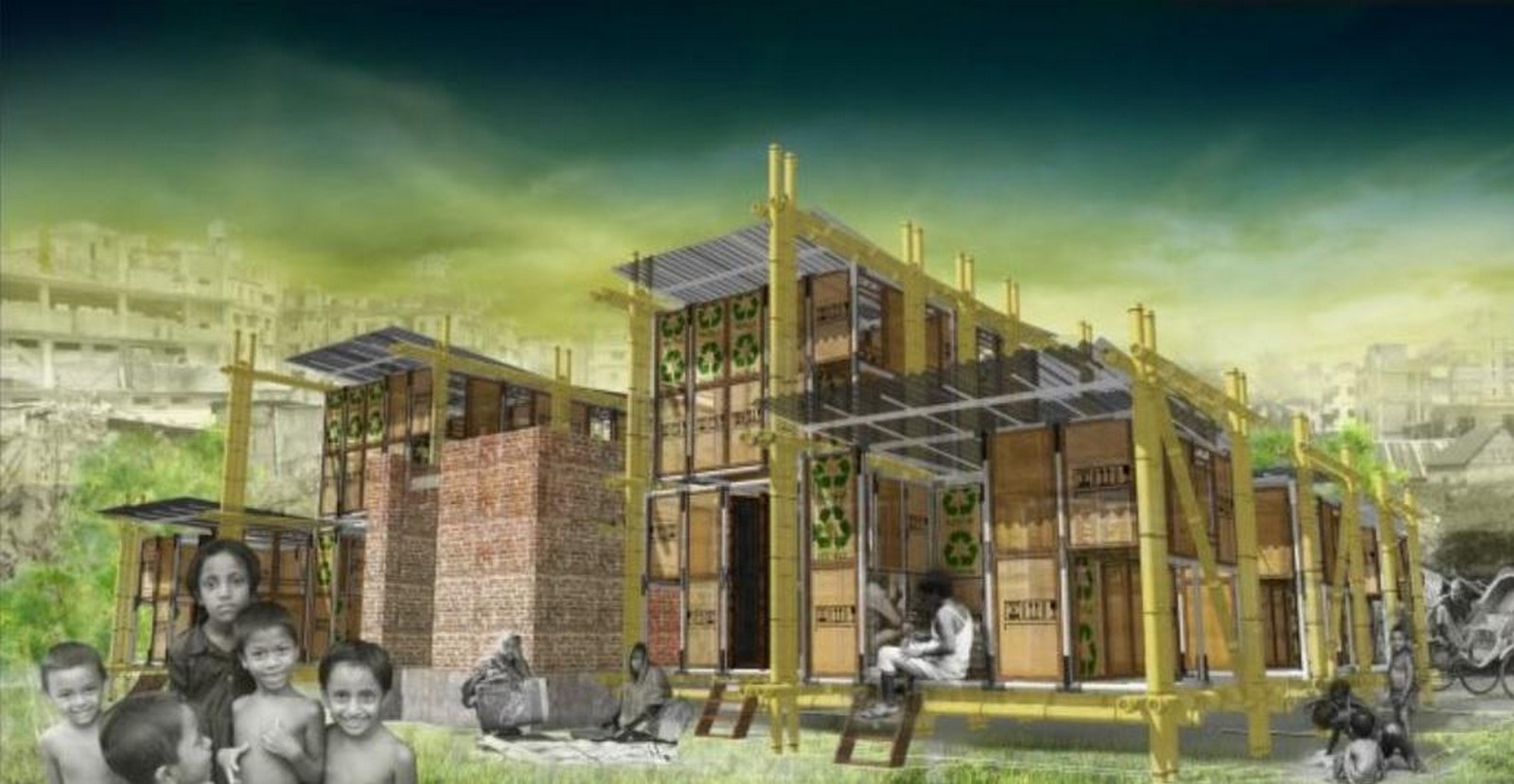
When designing cities, it’s common for urban planners and architects to be reliant on the sense of sight as a whole instead of what could support the human-scale through experience. Unfortunately, many feel the need to heavily police all forms of public art, including graffiti. We should, however, actually be continuing to integrate public art projects involving residents. This can create welcoming facades for shelters amongst a bustling street.
Sound
Excessive exposure to environmental noise from sirens, traffic, and construction can damage hearing, disrupt sleep, and trigger emotional stress—making it a leading environmental health concern. Urban planners can empower this inclusivity through promoting policies that involve the use of a positive soundscape that can enhance urban livability and address sensory pollution. The immediate design response should be to implement noise-buffering in local shelters and create quiet public rest zones.
Smell
A lack of sanitation on the streets can create and reinforce the stigma of those who are forced onto them due to an association between sight and smell as a result of sensory urbanism. To combat this, cities should integrate, not overtake (or else that would become hostile architecture), and maintain cleanliness through public washrooms, showers, and laundry hubs in densely populated areas.
Taste
Food can quickly become scarce in low-income areas. A solution would be to integrate more community kitchens, farmers’ markets, and rooftop gardens into housing developments as opposed to additional fast food chains. Sold by vendors in public spaces, street food also promotes local entrepreneurship and allows a cultural exchange between locals and tourists by representing a city’s diversity within an affordable meal.
Touch
As stated earlier, hostile architecture has defeated the purpose of public seating by creating unyielding and uncomfortable cold surfaces. Cities need to embrace accessible warmth and texture in public seating as it not only serves the city but also fosters a welcoming environment.

Infrastructure as a Poverty-Reduction Tool
Emeritus Professor David Parker of the Canfield School of Management conducted a study proposing how infrastructure regulation can impact and alleviate poverty worldwide, particularly in the context of regulatory policy processes in developing countries. After an extensive review of how developmental regulation had aided the poor and the determinants of household poverty in developing countries, they concluded that a “thorough audit of the objectives and policies adopted in regulatory offices in developing countries and their actual impact on poverty.” Essentially, increasing precautionary measures in public service structures that enforce sensory urbanism design, including but not limited to:
- Multi-service hubs/shelters that are co-located with health care, job training, and communal spaces, and
- Transit-connected housing: placing affordable housing near reliable, clean, and quiet transit lines.
Policy Recommendations
To address the surging homeless population in urban areas, leaders must take decisive action: ban hostile architecture and instead implement inclusive, people-focused design practices. These structures have never served the city’s well-being and hinder true progress, offering no real practical or aesthetic benefit. A study by Prince Limon Ahmed at the University of Rajshahi underscores that thriving economies build on emotional connections between individuals and their environments. Urban planners and policymakers must prioritize and mandate sensory comfort standards for all new affordable housing developments, investing in public sanitation, rest areas, and vibrant green spaces. Additionally, ensuring mixed-use, socially integrated housing through updated zoning and building codes is essential. Now is the time to move beyond discussion—sensory urbanism is the humane path forward to create cities where homelessness can be prevented, not presumed. Let’s commit to this actionable vision, making equitable and sensory-conscious urban design a reality for all.
References:
- Ahmed, S. (2004) ‘Affective economies’, Social Text, 22(2), pp. 117–139. doi:10.1215/01642472-22-2_79-117. (Accessed: August 2025).
- Gajbhiye, S. (2025) Traffic noise exposure increases mental health risks, Earth.com. Available at: https://www.earth.com/news/traffic-noise-exposure-increases-mental-health-risks/#google_vignette (Accessed: August 2025).
- Jaffe, R. et al. (2020) ‘What does poverty feel like? Urban inequality and the politics of sensation’, Urban Studies, 57(5), pp. 1015–1031. doi:10.1177/0042098018820177.
- Olszewska-Guizzo, A. (2024) How Urban Design Can Impact Mental Health & Well-being, NeuroLandscape. Available at: https://neurolandscape.org/2024/09/09/how-urban-design-can-impact-mental-health-well-being/ (Accessed: August 2025).
- Parker, D., Kirkpatrick, C. and Figueira-Theodorakopoulou, C. (2008) ‘Infrastructure regulation and poverty reduction in developing countries: A review of the evidence and a research agenda’, The Quarterly Review of Economics and Finance, 48(2), pp. 177–188. doi:10.1016/j.qref.2006.12.005.
- Wallwork, L. (2017) Sensory urbanism: Designing cities for our neglected senses, MultiBrief. Available at: https://exclusive.multibriefs.com/content/sensory-urbanism-designing-cities-for-our-neglected-senses/civil-government (Accessed: August 2025).