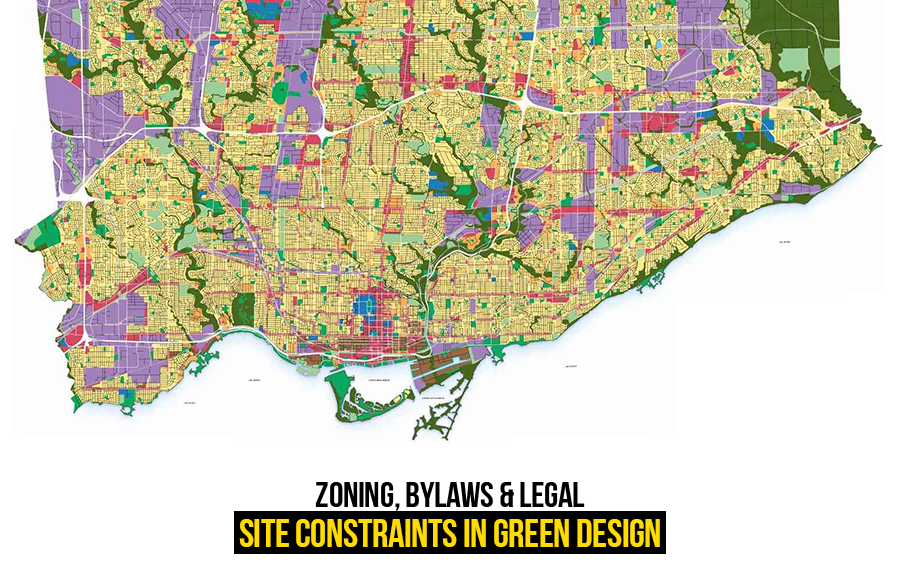
Green Design is about creating buildings that are good for the environment. But it’s not just about being eco-friendly, there are many rules to follow.
- Zoning laws and bylaws say how land can be used, how tall buildings can be, and what kind of landscaping is allowed.
- There are also special rules for historic buildings or areas that need protection.
Green Design needs to follow these rules to be successful. Understanding these laws is key to making green buildings a reality. Green Design can’t happen without knowing the rules. By knowing the rules, architects and planners can create buildings that are both eco-friendly and Green Design a success.
Zoning Laws and Their Impact on Green Design
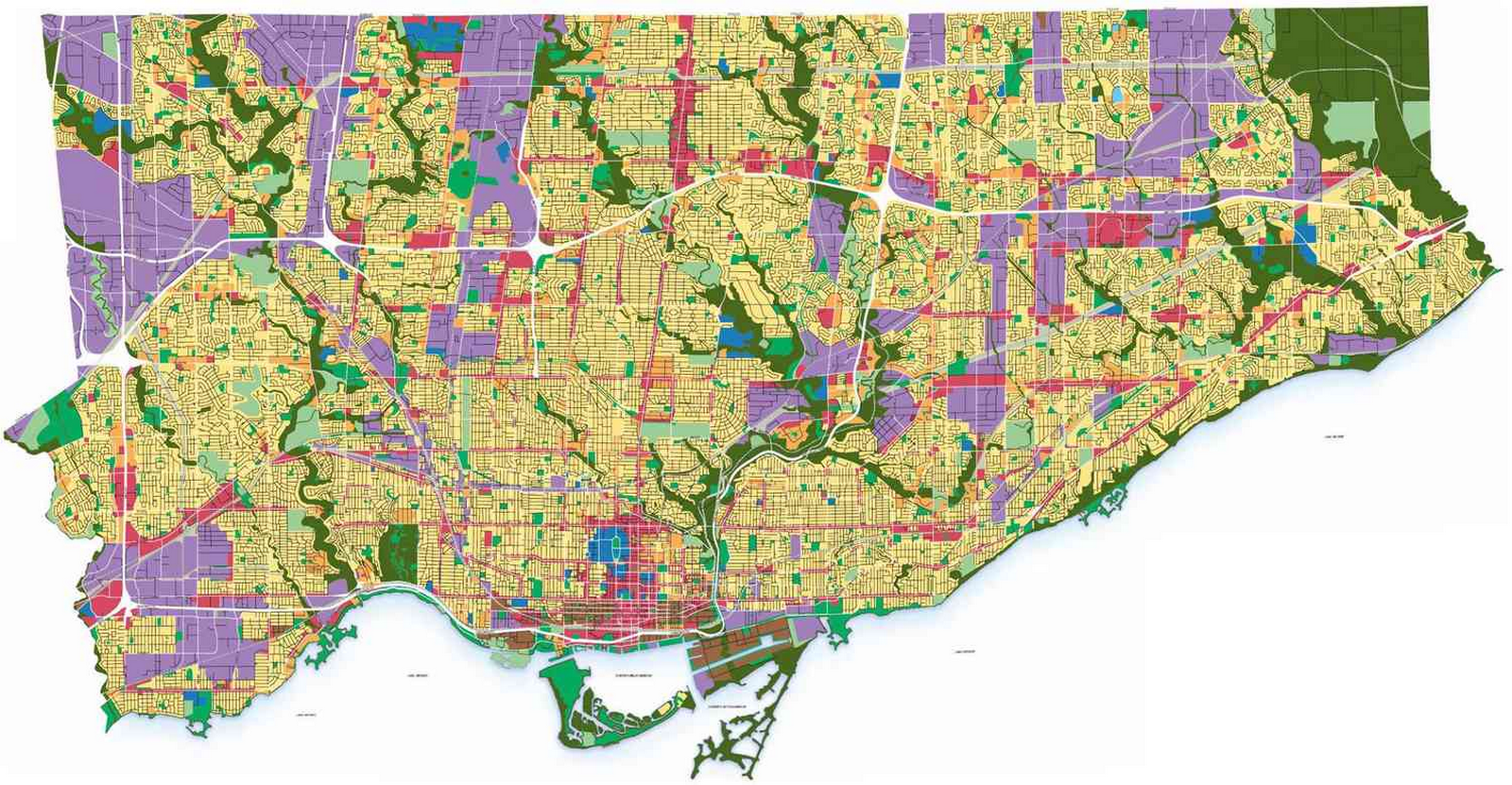
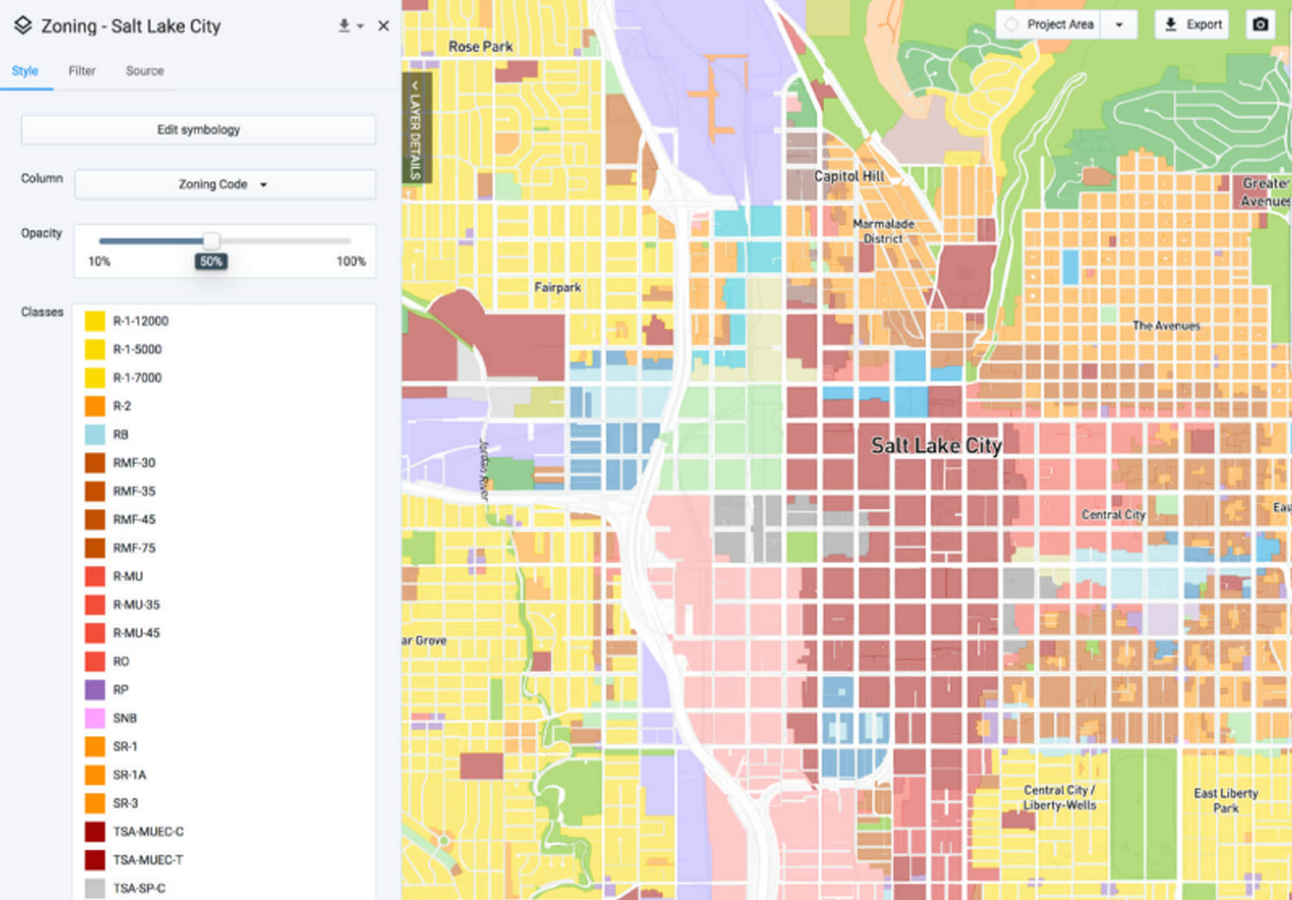
Zoning laws classify land into specific categories — such as residential, commercial, industrial, or mixed-use. These laws affect Green Design, like where buildings face and use of renewable energy. For example, solar panels need a certain roof angle, but height limits might stop this. On the other hand, zoning laws can help Green Design by allowing more building space for eco-friendly features. Knowing the zoning rules from the start helps designers make plans that fit the law, avoiding costly changes.
Bylaws and Building Codes in Green Design
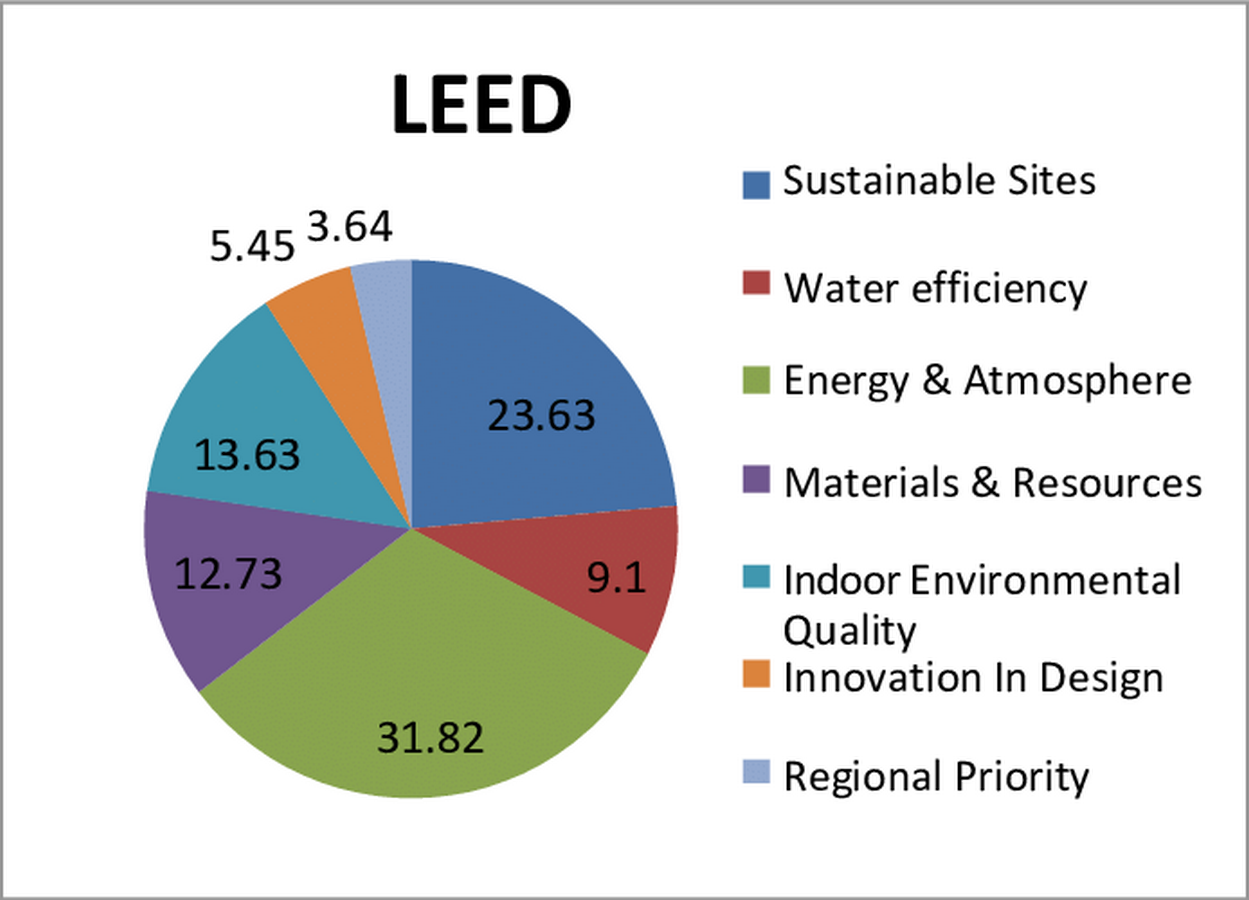
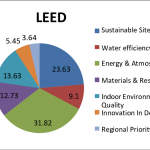
Bylaws and building codes set minimum standards for construction, safety, and the environment in Green Design. These rules cover things like insulation, stormwater management, and eco-friendly materials. Some cities use advanced green building codes, like the International Green Construction Code or LEED standards, to promote sustainability. Following these rules is crucial, as not meeting them can stop a project. Green Design requires working closely with building officials to ensure smooth approvals and potential incentives. By doing so, architects and developers can create sustainable buildings that meet the rules and benefit the environment. Green Design relies on compliance to succeed.
Legal Site Constraints: Barriers and Opportunities
Legal site constraints, like heritage rules and environmental protection areas, can both limit and inspire Green Design. For example, heritage zones might restrict changes to building facades, making it hard to add solar panels. Similarly, buffer zones near wetlands can affect building placement. However, these constraints can also spark creativity. Architects can use hidden renewable systems, modular construction, or natural landscaping to meet legal requirements while promoting sustainability. By adapting to these constraints, Green Design can lead to innovative solutions that balance ecological goals with legal obligations, ultimately creating more resilient and sustainable buildings. Green Design thrives within these limits.
Integrating Legal Requirements into the Design Process
Successful Green Design projects treat legal requirements as design parameters, not obstacles. Early-stage studies review zoning laws, bylaws, and site constraints to ensure compliance. Collaborating with planning and legal experts aligns the design strategy with environmental goals and statutory demands. For example, a mixed-use development near public transport might benefit from reduced parking requirements, allowing space for green infrastructure like rain gardens. By integrating legal frameworks into the design process, Green Design becomes both compliant and innovative, turning potential obstacles into opportunities for sustainability and creativity. This approach ensures that green buildings meet both legal and environmental standards.
Law as a Partner in Green Design
In Green Design, laws and zoning frameworks are essential tools, not obstacles. Understanding and working with these regulations ensures that sustainable projects are feasible, lawful, and impactful. By embracing zoning laws, bylaws, and site constraints, architects and planners can create projects that are environmentally, socially, and legally sustainable. Successful Green Design harmonizes innovative ideas with the legal landscape, resulting in responsible development. Rather than resisting regulation, designers can leverage it to craft visionary projects that benefit both people and the planet, ultimately making sustainability a core part of the design process. Green Design thrives with legal partnership.
Citations:
Beatley, T. (2011) Biophilic cities: Integrating nature into urban design and planning. Washington, DC: Island Press.
Beatley, T. & Newman, P. (2013) Green urbanism down under: Learning from sustainable communities in Australia. Washington, DC: Island Press.
Ching, F.D.K., Onouye, B.S. & Zuberbuhler, D. (2018) Building codes illustrated: A guide to understanding the 2018 International Building Code. Hoboken: Wiley.
Cullingworth, B., Nadin, V., Hart, T., Davoudi, S., Pendlebury, J., Vigar, G., Webb, D. & Townshend, T. (2015) Town and country planning in the UK. 15th edn. London: Routledge.
Larsson, N. (2012) Sustainable building design: Principles and practice. London: Routledge.
Lichfield, N., Prat, A. & Kettle, P. (2016) Evaluation in planning: Facing the challenge. London: Routledge.
Nelson, A.C. (2021) Foundations of zoning and land use law. Chicago: American Planning Association.
USGBC (2020) LEED v4.1 Building design and construction. Available at: https://www.usgbc.org/leed/v41 (Accessed: 1 August 2025).
Wheeler, S.M. & Beatley, T. (2014) Sustainable urban development reader. 3rd edn. London: Routledge.