In Indian cities, waiting isn’t just something people do while they kill time. It’s an experience, one that’s full of life and social interactions. Railway stations, government offices, bus stops, and hospitals, these are places where waiting happens, but they also become spaces where people create their own worlds. This article explores how waiting in Indian cities becomes more than just a pause; it’s a social and adaptive act, even when the architecture of waiting offers minimal support.
Railway Platforms
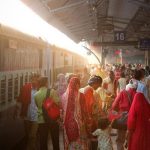
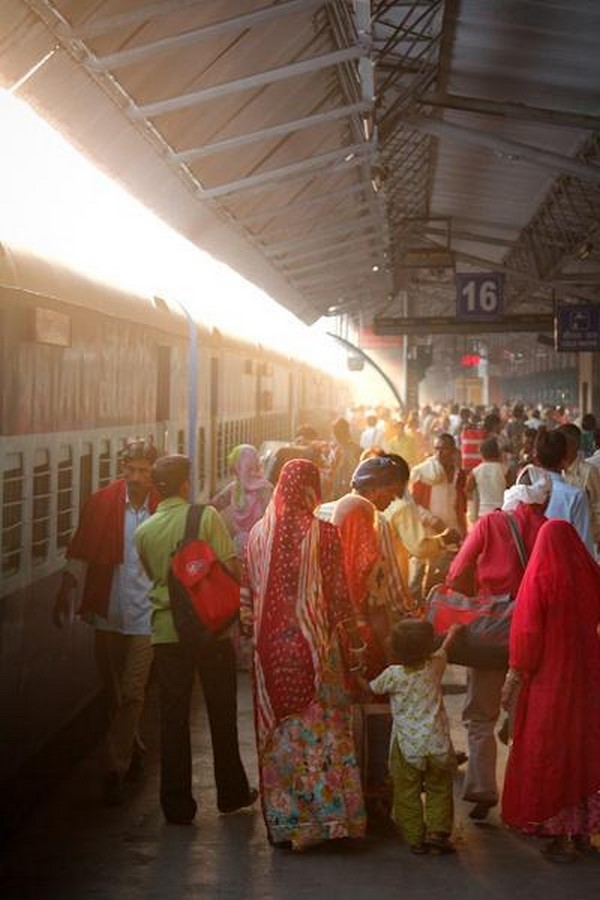
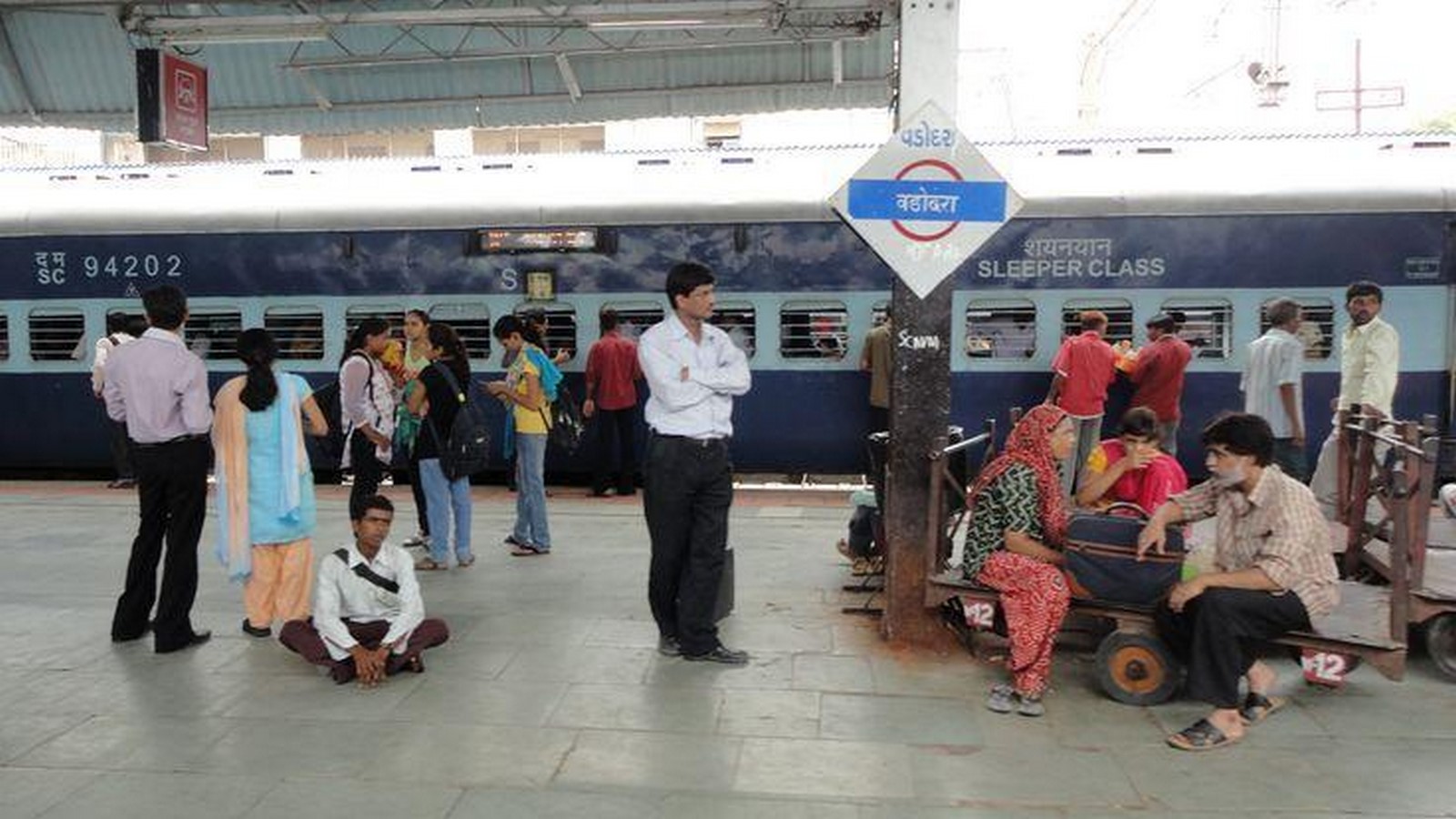
Indian railway stations are not just places where people stand in line for their trains. They are buzzing centers where time stands still, yet life continues in its own rhythm. People sit on the floor, spread out tiffin boxes, and share meals with family members. Vendors walk through the crowds, offering snacks and tea. Children nap while elders keep watch over them. This is the architecture of waiting in its truest form. It’s not about design, it’s about how people turn spaces into living, breathing communities.
Waiting on a railway platform becomes a small ritual. People adapt the space to their needs, transforming it into a place of comfort, even when formal architecture offers nothing. Stations like Howrah, Chennai Central, and others show how waiting isn’t just about waiting, it’s about how people interact with time and space. Here, the architecture of waiting is more about social connections than any built environment.
Waiting as Strategy and Social Network
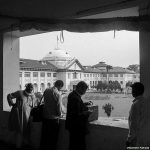
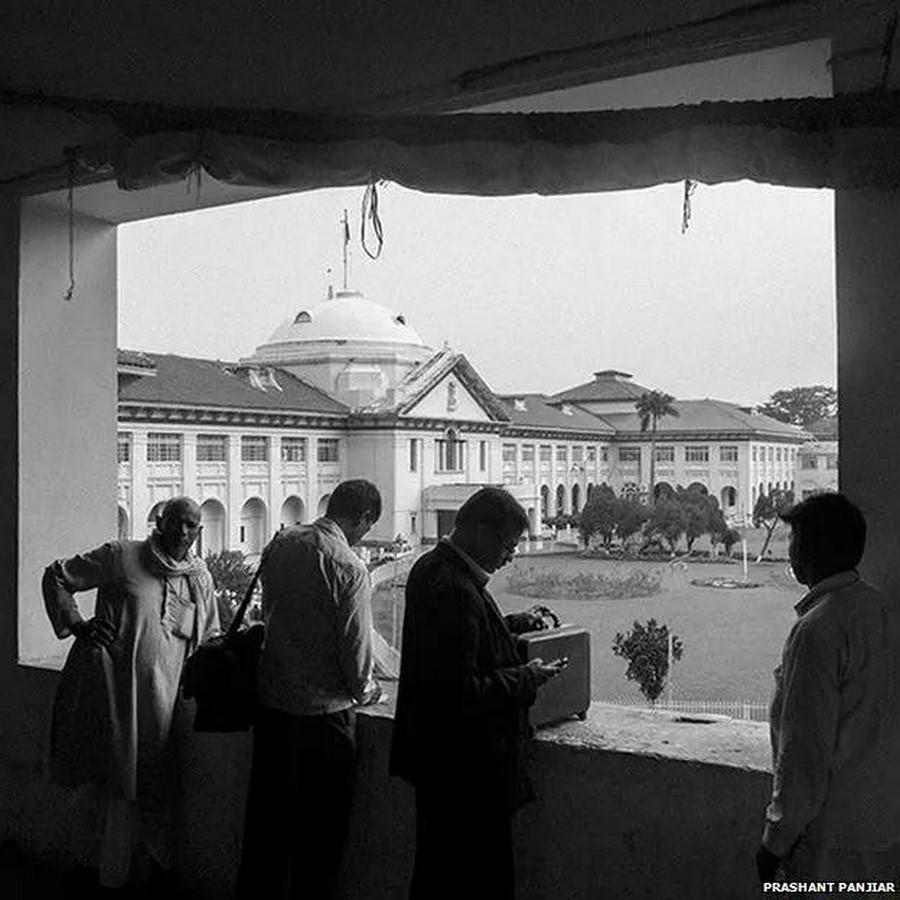
Outside government offices, waiting isn’t just a passive act; it’s a strategy. People arrive early, secure their spots in line, and prepare for hours of waiting. In these spaces, informal networks form, chaiwala stalls become meeting points, and small photocopy booths turn into places for advice and social exchange. This highlights how the architecture of waiting can create spaces of interaction even in the most mundane settings.
The architecture here doesn’t offer much, just a few benches, some shade, and barely any information. But people manage. They create their own routines, share tips, and build networks. Waiting becomes a social exercise in patience and endurance, with everyone figuring out the unspoken rules of the space. The architecture of waiting doesn’t always need to be grand; sometimes, it’s about how people make use of the most basic elements.
Bus Stops
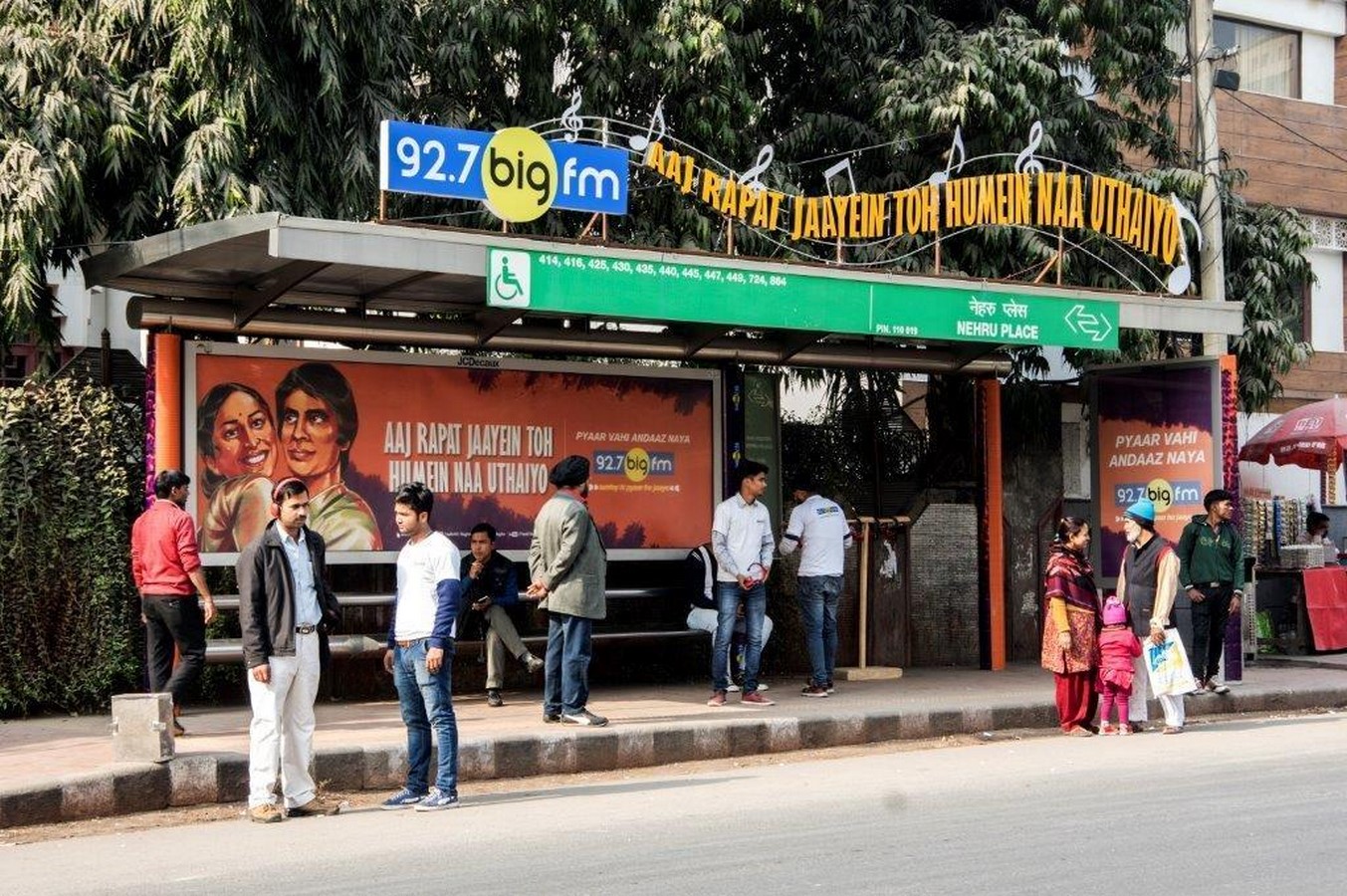
In many cities, bus stops are just poles stuck in the ground. There’s no shelter, no place to sit, and no real structure. But even in these empty spaces, people find a way to make do. They sit under trees, lean against walls, or stand in groups, waiting for the bus to arrive. People adapt the space to their needs, creating their own order out of chaos. This too is part of the architecture of waiting.
Waiting here is a social act. The elderly are offered shade. The young stand in groups, chatting while waiting. People instinctively make space for one another, building a temporary community while they wait for their bus. In cities like Mumbai and Bangalore, bus stops have become more than just waiting areas—they have become places of social interaction. The architecture of waiting, even when missing the formal elements, serves as a backdrop for these interactions.
Hospitals
In hospitals, waiting isn’t just about time, it’s about space, and how people claim it when there isn’t enough. Waiting rooms are often overcrowded, and soon people spill into corridors, verandahs, and parking lots. Families set up temporary homes with bedsheets, tiffins, and sometimes even sleeping bags. This dynamic illustrates how the architecture of waiting can be flexible, adapting to human needs rather than being fixed.
The architecture here is designed to care for patients, but the families who wait are often the ones who shape the space. They create their own routines, making do with whatever space is available. They turn hospital corridors into living spaces, adapting the architecture of waiting to meet their emotional and practical needs. Despite minimal seating or designated waiting areas, these informal spaces thrive.
Architecture of Waiting
While architecture in India’s waiting spaces often reflects the bare minimum, it plays a pivotal role in shaping how people experience these in-between moments. Take, for instance, the lack of shelters at bus stops, which forces people to take matters into their own hands. In places with little formal seating, people create informal arrangements, making themselves comfortable in spaces meant for transit, not for rest. This is a prime example of the architecture of waiting to transform spaces into usable, human-centric environments.
Similarly, at railway stations, the architecture of waiting is often a clash between functionality and informal human adaptation. Platforms are typically designed with efficiency in mind, clear pathways for movement, minimal seating, and basic signage, but people turn them into temporary living spaces. They adapt the architecture to suit their needs, whether it’s by sharing food, setting up blankets, or simply finding creative ways to navigate the clutter.
In hospital corridors, the architecture fails to provide the comfort families need during long waiting periods. Yet, these corridors transform into makeshift homes as people adjust to the situation. Despite minimal seating or designated waiting areas, people make the space their own by adapting it in ways the architecture didn’t anticipate. This adaptability speaks to the role of architecture in shaping how waiting is experienced, not just as a time to fill but as a space to inhabit.
Architects often miss the point when designing spaces meant for waiting: these are not just empty pauses in people’s lives. They are moments filled with human need and interaction, with deep social and emotional importance. While waiting spaces may not always be designed to be comfortable, their architecture of waiting reflects a larger societal tendency to overlook the spaces between, when, in fact, these moments deserve just as much attention as the destinations and often how users interact with these spaces tells the designer what the space lacks and how the design can be improved.
In Indian cities, waiting is not something people just endure. It’s a part of life, and it becomes an act of creation. Railway stations, government offices, bus stops, and hospitals aren’t just buildings, they are spaces where people adapt, improvise, and live out their daily routines. The architecture may not always support them, but people make the most of what they have, transforming these spaces into places of community, connection, and survival.
Waiting in Indian cities is a reminder that, even in the most unremarkable spaces, life finds a way to flourish. The architecture of waiting, in all its simplicity, becomes a silent participant in these moments, shaping how people experience time, space, and each other.
References
Rapacki, K. (2025). Waiting room | Good rooms. [online] The Architectural Review. Available at: https://www.architectural-review.com/essays/waiting-room [Accessed 27 Apr. 2025].
Poeticarchitecture.institute. (2025). Blog | PAI — MLL ATELIER®. [online] Available at: https://poeticarchitecture.institute/blog?p=using-design-to-make-the-waiting-room-a-good-thing [Accessed 27 Apr. 2025].
[email protected] (2022). Perceptions of psychotherapy waiting rooms: Design recommendations. [online] The Center for Health Design. Available at: https://www.healthdesign.org/insights-solutions/perceptions-psychotherapy-waiting-rooms-design-recommendations.
Business, C. (2023). The Psychology of Waiting Rooms: Designing for Client Comfort. [online] Eau Claire Business Interiors. Available at: https://www.ecbusinessinteriors.com/blogs/blog/1154425-the-psychology-of-waiting-rooms–designing-for-client-comfort?utm_source=chatgpt.com [Accessed 27 Apr. 2025].