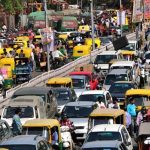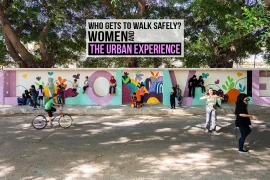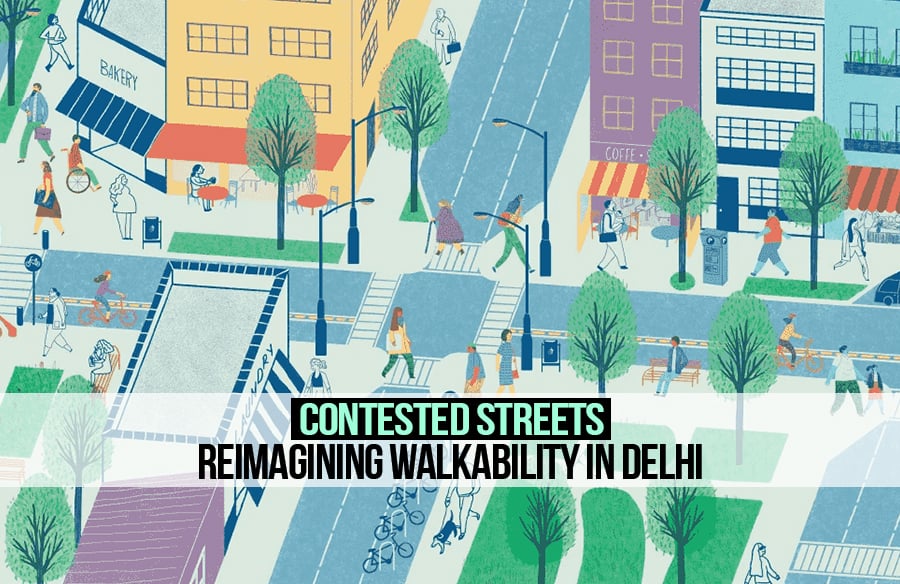
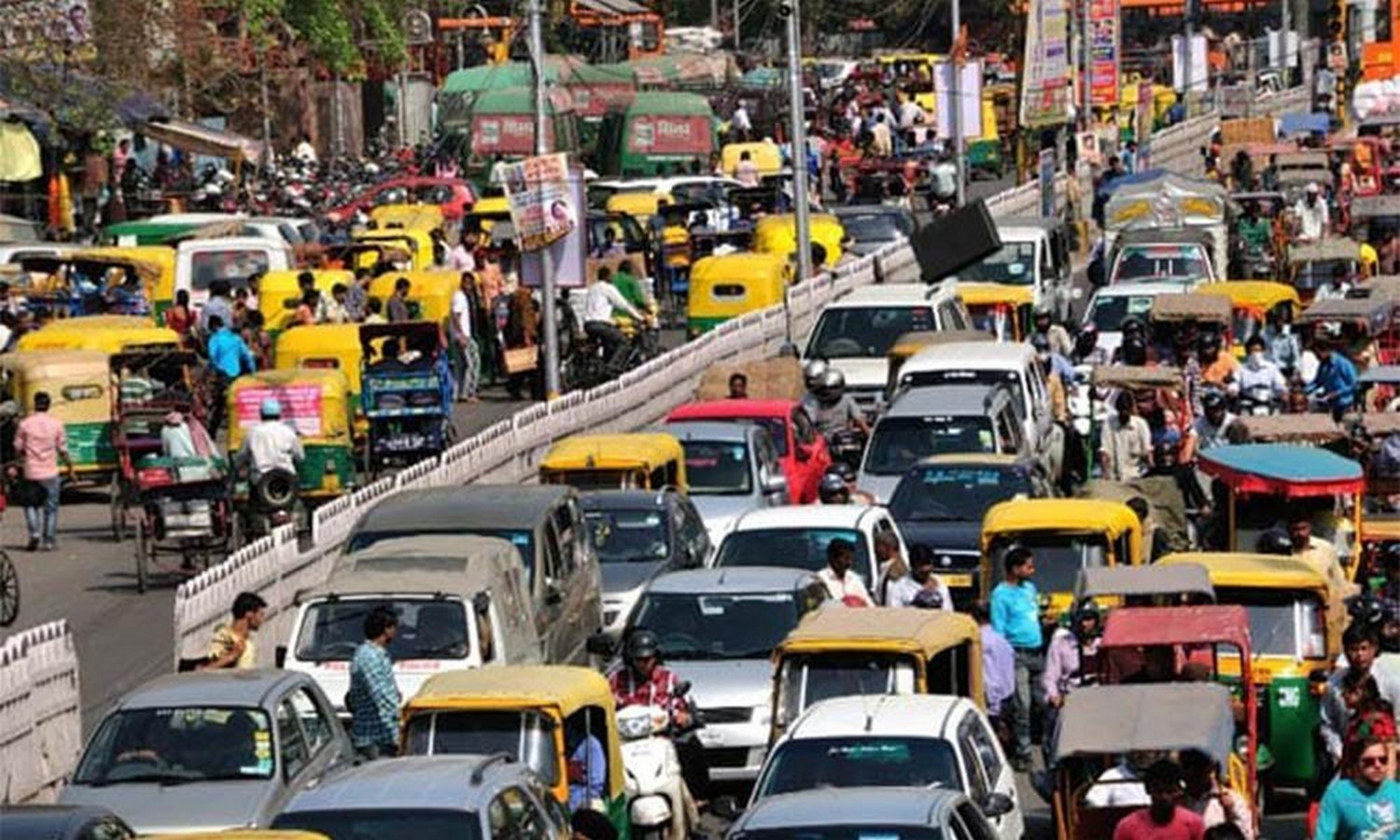
The rapidly expanding metropolis of Delhi reveals a fundamental conflict that occurs in fast-growing urban areas. The city’s thick air pollution and continuous motorbike, scooter, and auto-rickshaw traffic make walking dangerous for pedestrians. Motorised vehicles have traditionally received priority status over pedestrians in public streets, thus pushing pedestrians into peripheral roles in urban life. (Gupta et al., 2022) The dominance of cars creates zones of danger and exclusion for vulnerable populations, including children, older people and people with disabilities, while also marginalising non-motorists in public thoroughfares. The imbalance has produced numerous adverse effects, including deteriorating public health results and environmental damage from increasing air pollution and greenhouse gas emissions and growing socio-economic gaps, primarily affecting people who lack private vehicle access.
The Problem of Walking
The marginalisation of pedestrians has created a widespread vehicular dependency culture because people use motorised vehicles for most distances, thus demonstrating the absence of safe pedestrian infrastructure. The lack of pedestrian crossings and the non-existent traffic regulations discourage people from walking overall. The early development priorities in post-colonial Delhi focused on poverty reduction, education, and water access instead of improving the quality of the built environment. The development of pedestrian-oriented infrastructure remained neglected until recent times. Furthering this problem is the frequent encroachment of commercial establishments onto sidewalks, reducing the available space for pedestrians and rendering urban walking both dangerous and unpleasant.
What is Walkability?
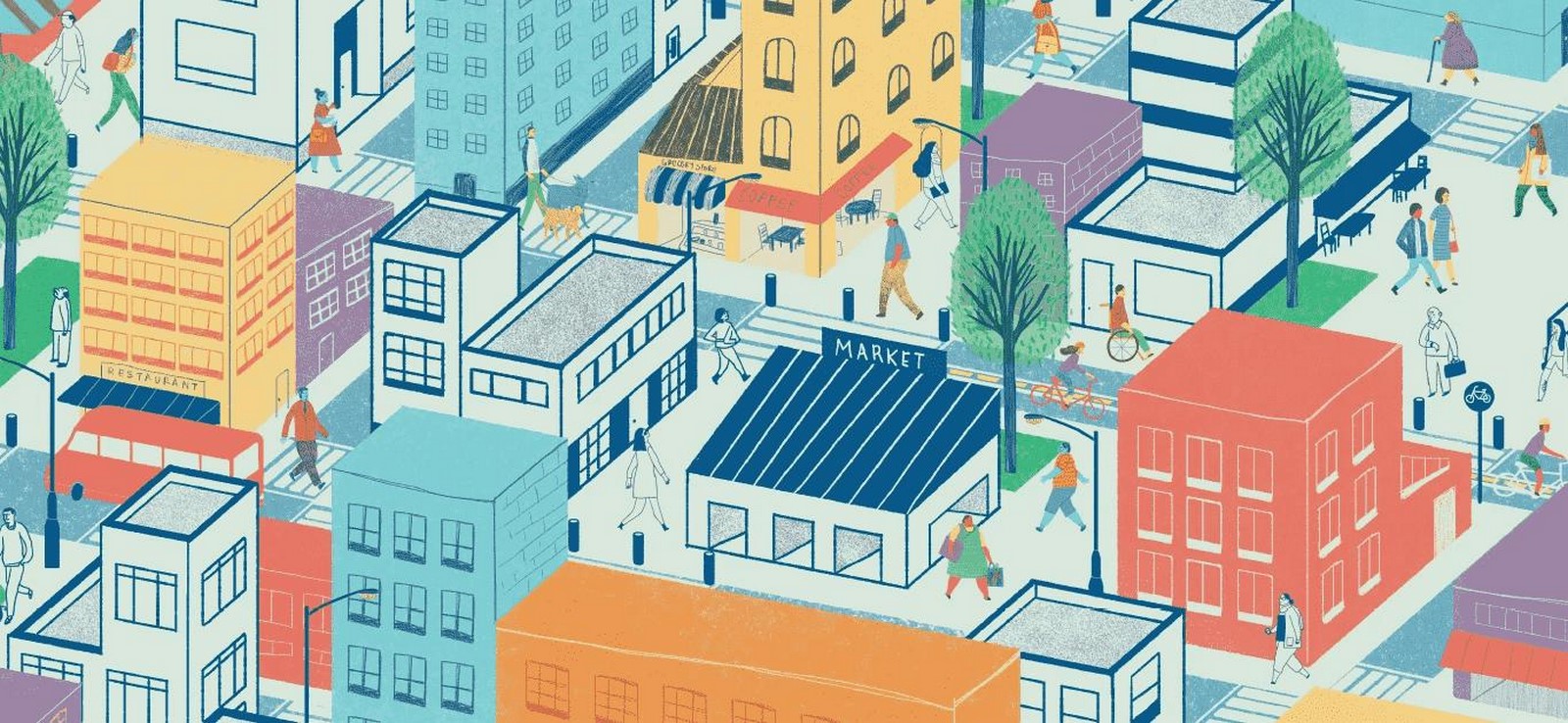
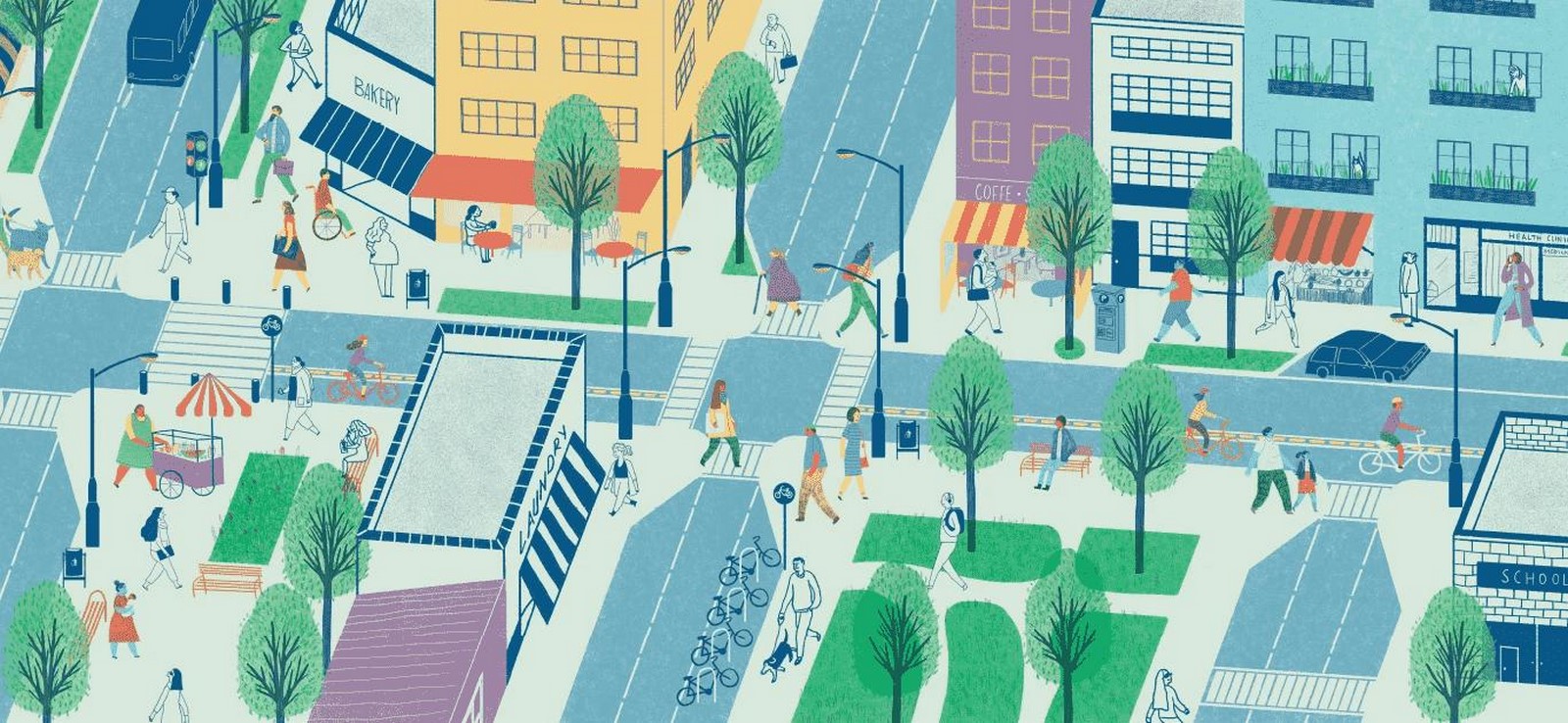
Walkability is a common topic in urban discussions, yet experts have not established a single definition that everyone agrees upon. (Owen et al., 2004; Forsyth, 2015) The term walkability describes the features of metropolitan areas which provide safe and comfortable walking conditions and easy accessibility. Modern interpretations of walkability now encompass biking and universal accessibility, as well as the real-world experiences of all users through feminist theoretical perspectives that focus on situatedness, embodiment, and inclusivity.
The study of walkability receives depth from fundamental research in urban studies. Jane Jacobs (1961) promoted “eyes on the street” as a principle to create neighbourhoods that combine safety and social interaction through informal surveillance. Kevin Lynch (1960) demonstrated how mental imagery and navigability shape urban environments by showing that well-organised cityscapes create stronger emotional bonds between people and their environment. Jan Gehl (2010) promoted city design that puts human needs above traffic efficiency through his “life between buildings” concept, transforming public spaces into active social areas.

Health and Environment
Walkability has multiple critical health-related dimensions. Saelens and Handy’s (2008) research shows that pedestrian-friendly environments lead to better physical activity levels, lower lifestyle disease rates, and enhanced mental health outcomes. The connection between walkable environments and public health demonstrates why urban planning must include health considerations.
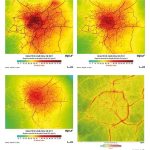
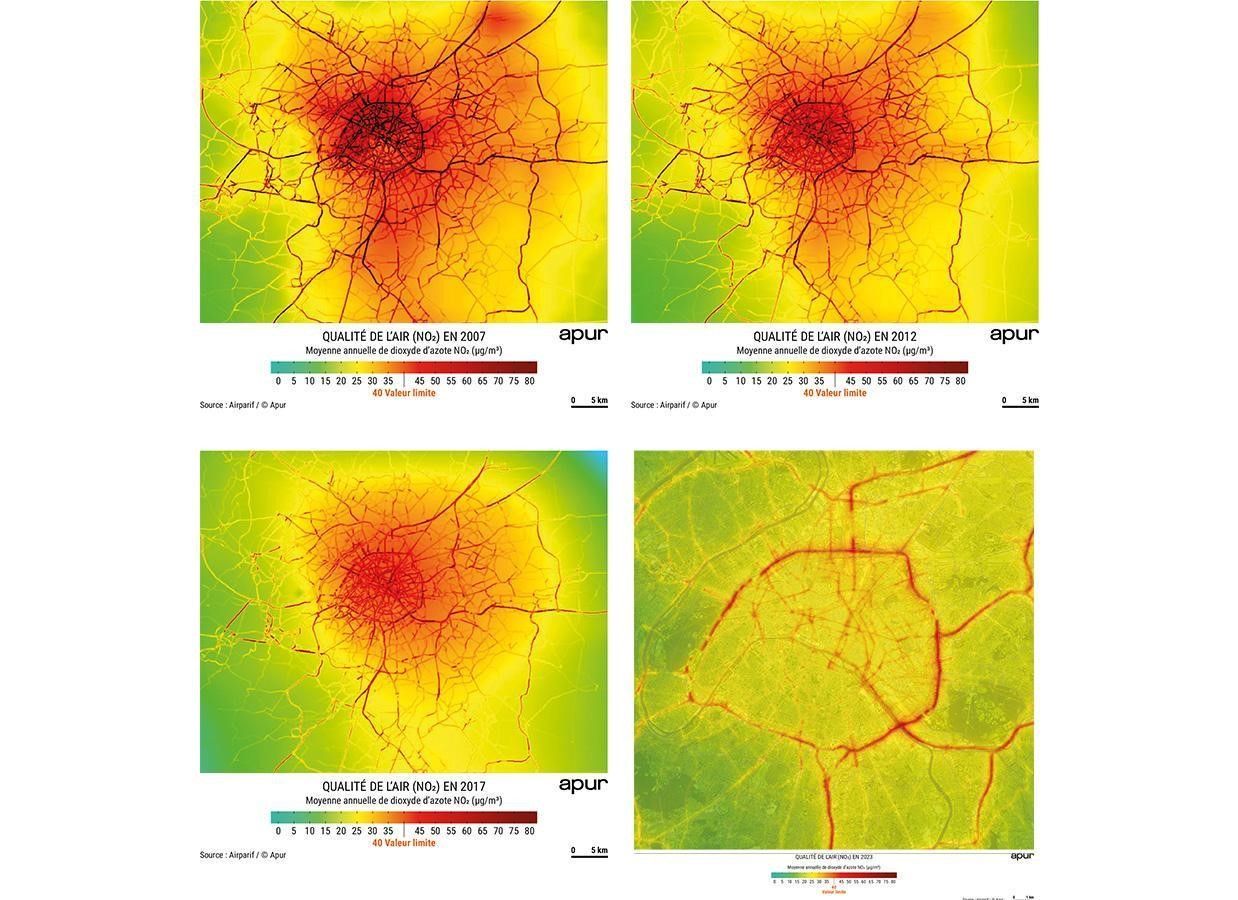
Environmental studies have shown that walkable cities decrease air and noise pollution levels. Promoting walking in cities leads to substantial greenhouse gas emission reductions, which supports urban design practices that meet environmental sustainability goals. (Ewing and Cervero, 2010) Paris, in urban studies, serves as evidence that moving towards a pedestrian city curbs air pollution and, when mapped, clearly indicates how pollution levels have decreased in the past decade. This example also highlights that it takes time for policies and implementations to take effect, and is a constant improvement that we must aim for.
Challenges in Promoting Walkability
Promoting walkability faces substantial obstacles. The transport planning sector is dominated by automobile interests, and ongoing socio-economic inequalities in pedestrian infrastructure access exacerbate the situation. (Pucher et al., 2011; McKenzie, 2013) The political economy of urban development tends to support car infrastructure instead of pedestrian infrastructure, which it considers secondary. Digital mapping tools and navigation apps have shaped pedestrian navigation through their ability to deliver real-time route information. The absence of physical infrastructure requires more than technological solutions can provide. The unequal distribution of walkable infrastructure between different socio-economic areas requires immediate action for equitable urban development.
Indian cities continue to develop initiatives to improve walkability. The Delhi Development Authority’s draft policies demonstrate a significant yet cautious recognition of pedestrian infrastructure. (DDA, 2019) Baindur (2015) emphasises that policy implementation needs stronger frameworks that combine accessibility with safety features and socio-economic inclusivity, particularly in informal settlements and lower-income neighbourhoods. The theory-practice divide still remains significant in areas with limited available space, particularly in densely populated urban environments and furthermore, the majority of global walkability research fails to address the specific difficulties faced by rapidly expanding cities such as Delhi, where basic pedestrian facilities frequently become disputed areas.
What should we do now?
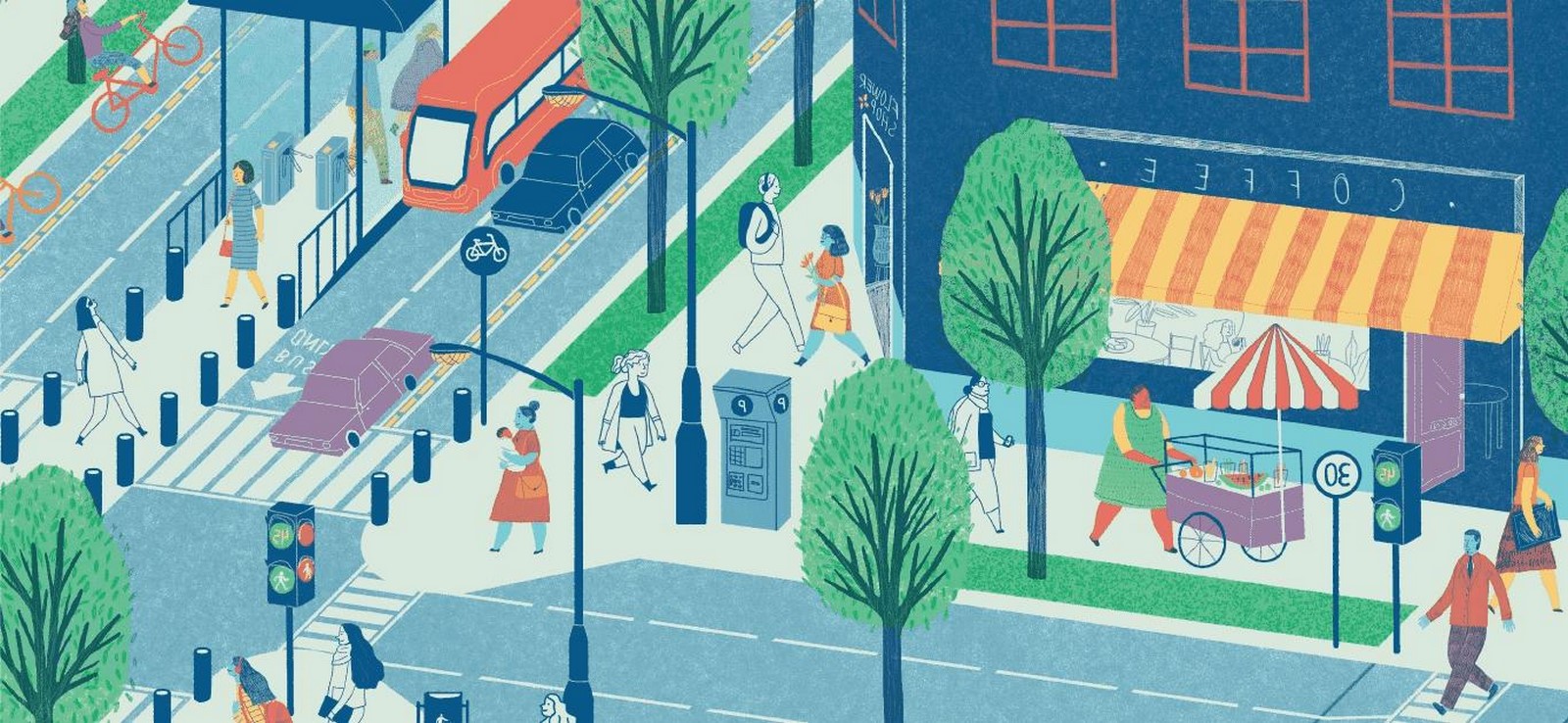
The achievement of a pedestrian-friendly city requires more than design solutions alone. The success of walkability initiatives depends on political backing, institutional changes and continuous public advocacy. The urban governance system requires a fundamental transformation to direct investments toward public transport, pedestrian-friendly spaces and inclusive public areas instead of building more roads for private vehicles.
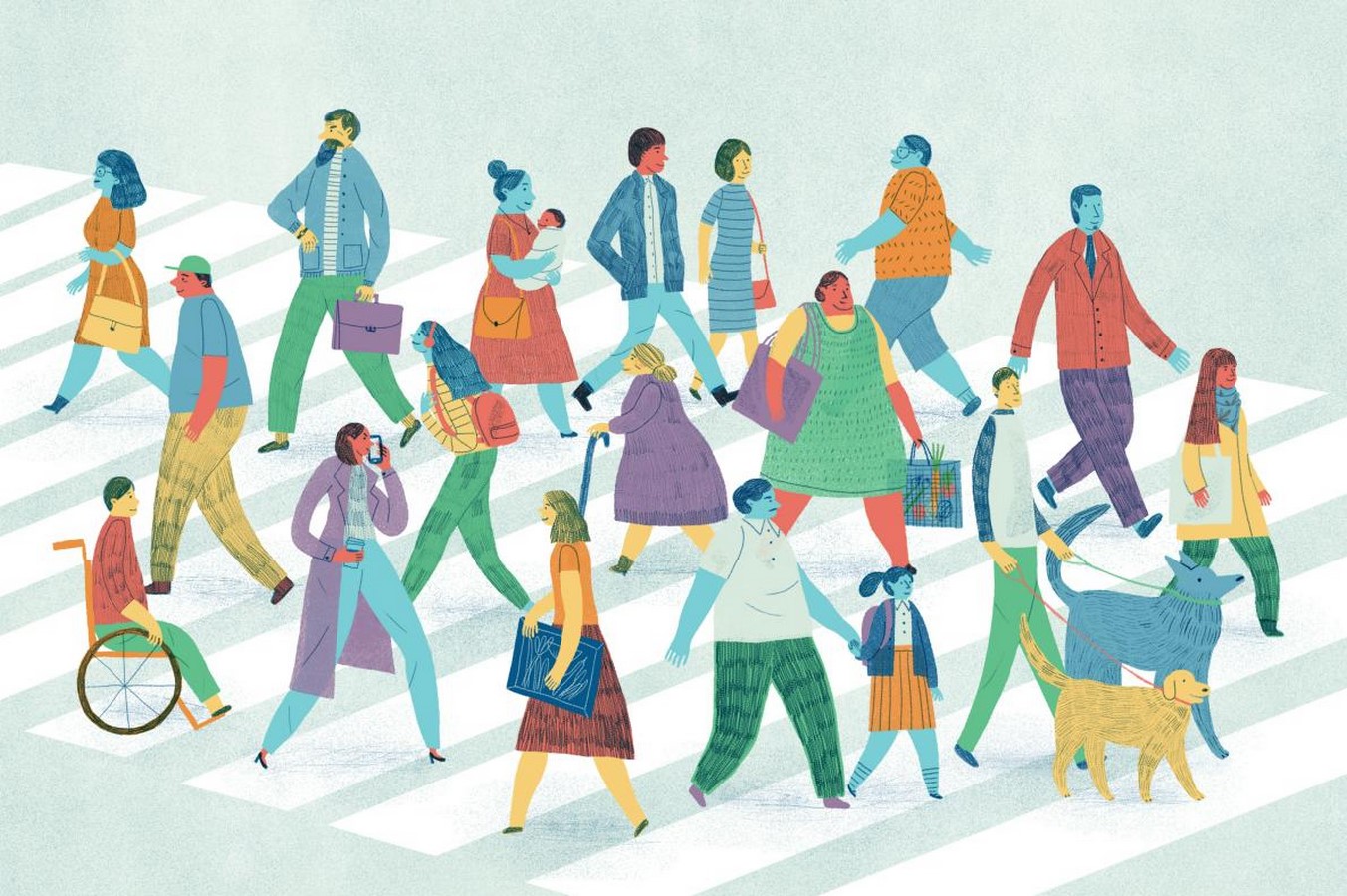
Walkability must become a core principle in urban policies instead of remaining an additional consideration. The evaluation of urban success needs to incorporate pedestrian satisfaction and accessibility indices and public realm quality in addition to traditional economic metrics. (Gill et al., 2008) Walkability research and interventions require equal attention to ethical considerations. The community engagement process requires informed consent from participants, protection of their anonymity, and authentic inclusion of local community needs. Implementing participatory approaches guarantees that diverse groups, including disabled individuals and marginalised communities, receive appropriate attention to their needs and desires.
Streets reflect established power structures that urban researchers and designers need to understand. Specialised walkability projects should eliminate social inequalities instead of maintaining existing disparities. A complete transformation of urban priorities and people-focused development is essential to improve walkability in Delhi in the longer run.
The development of pedestrian-centric urbanism represents an essential step toward building sustainable, equitable, and vibrant cities. Delhi can establish a future where walking becomes a lively urban experience by implementing inclusive, context-sensitive design solutions with strong policy frameworks and institutional support. The transformation demands more than urban design solutions because it represents a profound political and social dedication to redefine urban existence. The path to this transformation needs bravery, creative thinking, and absolute commitment to every citizen’s right to experience the city with safety, dignity, and joy.

References:
Baindur, D. (2015) Urban Transport in India: Challenges and Recommendations. Available at: https://doi.org/10.24943/9789387315167 (Accessed: 21 April 2025).
Delhi Development Authority (DDA) (2019) Draft Policy for Enhancing Walkability in Delhi. (Accessed: 21 April 2025).
Ewing, R. and Cervero, R. (2010) ‘Travel and the Built Environment’, Journal of the American Planning Association, 76(3), pp. 265-294. (Accessed: 21 April 2025).
Forsyth, A. (2015) ‘What is a walkable place? The walkability debate in urban design’, Urban Design International, 20(4), pp. 274-292. (Accessed: 21 April 2025).
Gehl, J. (2010) Cities for People. Washington: Island Press. (Accessed: 21 April 2025).
Gill, P., Stewart, K., Treasure, E. and Chadwick, B. (2008) ‘Methods of data collection in qualitative research: Interviews and focus groups’, British Dental Journal, 204(6). (Accessed: 21 April 2025).
Gupta, A., Bivina, G. R. and Parida, M. (2022) ‘Does neighborhood design matter for walk access to metro stations?’, Transport Policy, 121, pp. 61-77. (Accessed: 21 April 2025).
Jacobs, J. (1961) The Death and Life of Great American Cities. New York: Random House. (Accessed: 21 April 2025).
Lo, R. H. (2009) ‘Walkability: What is it?’, Journal of Urbanism. (Accessed: 21 April 2025).
Lynch, K. (1960) The Image of the City. Cambridge, MA: MIT Press. (Accessed: 21 April 2025).
McKenzie, B. S. (2013) ‘Neighborhood Access to Transit by Race, Ethnicity, and Poverty in Portland, OR’, City & Community, 12(2), pp. 134-155. (Accessed: 21 April 2025).
Owen, N., Humpel, N., Leslie, E., Bauman, A. and Sallis, J. F. (2004) ‘Understanding environmental influences on walking: Review and research agenda’, American Journal of Preventive Medicine, 27(1), pp. 67-76. (Accessed: 21 April 2025).
Pucher, J., Buehler, R., Merom, D. and Bauman, A. (2011) ‘Walking and Cycling in the United States, 2001-2009: Evidence From the National Household Travel Surveys’, American Journal of Public Health, 101(Suppl 1), pp. S310-S317. (Accessed: 21 April 2025).
Saelens, B. E. and Handy, S. L. (2008) ‘Built Environment Correlates of Walking: A Review’, Medicine & Science in Sports & Exercise, 40(7), pp. S550. (Accessed: 21 April 2025).